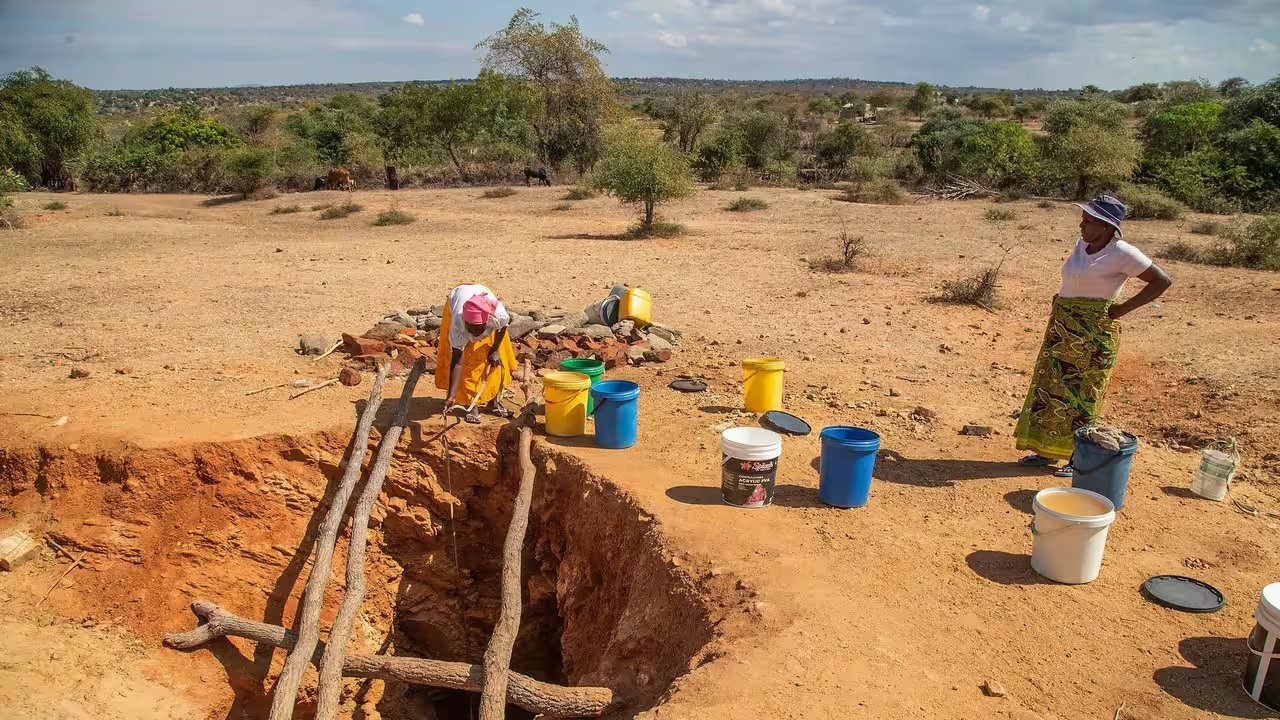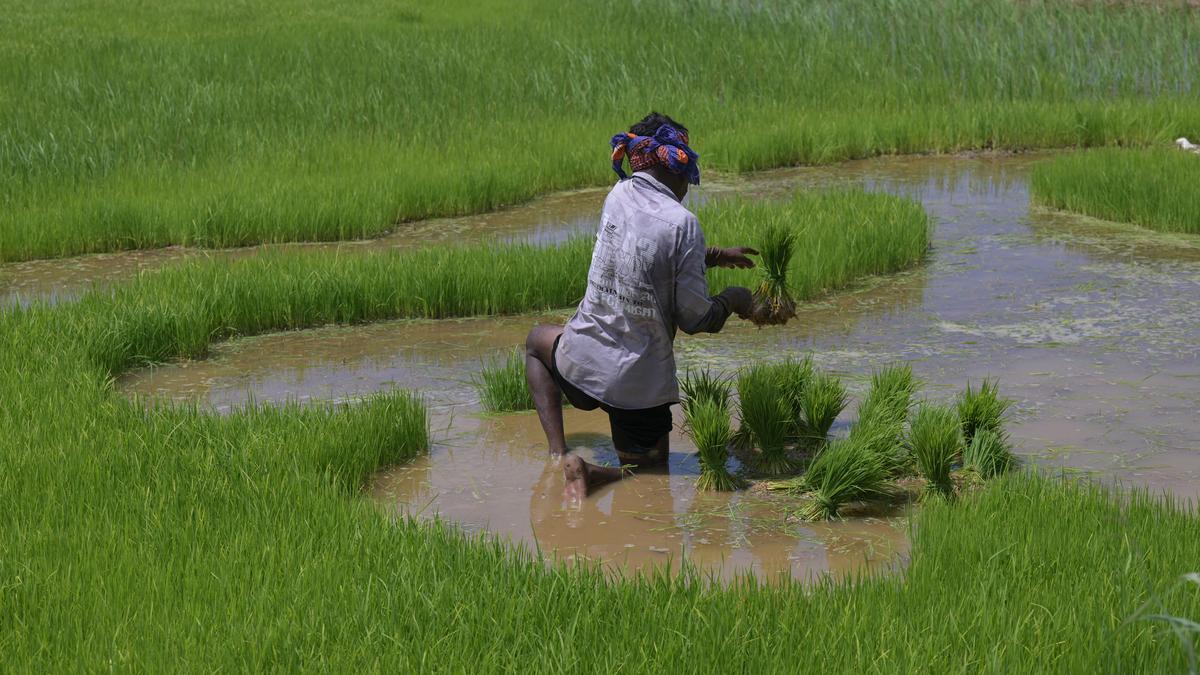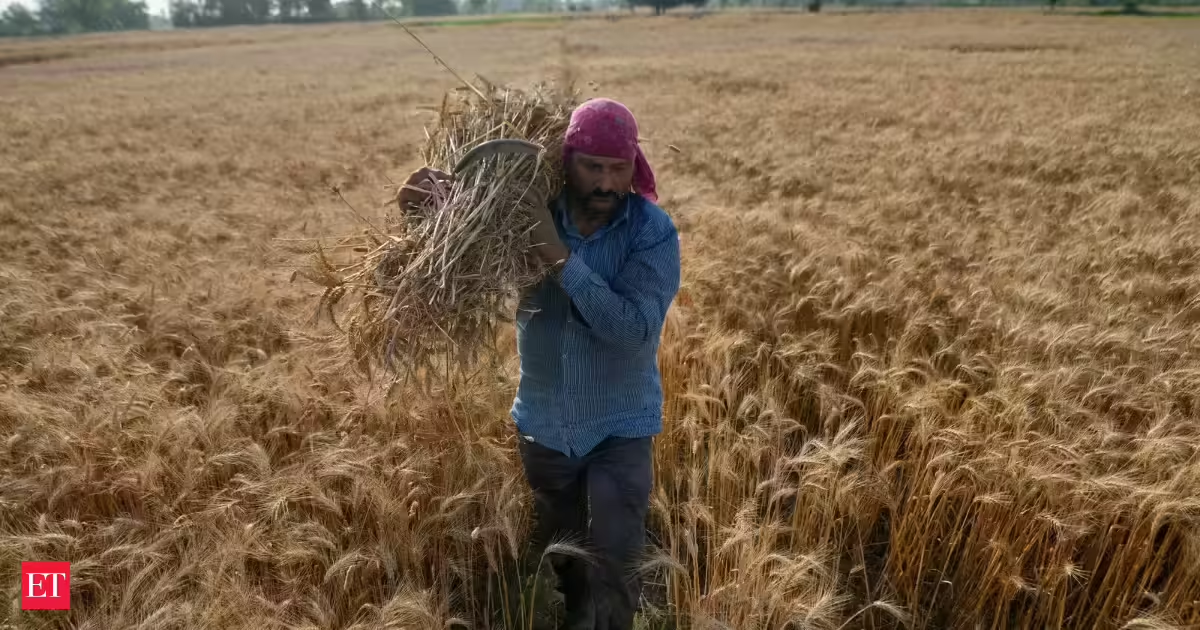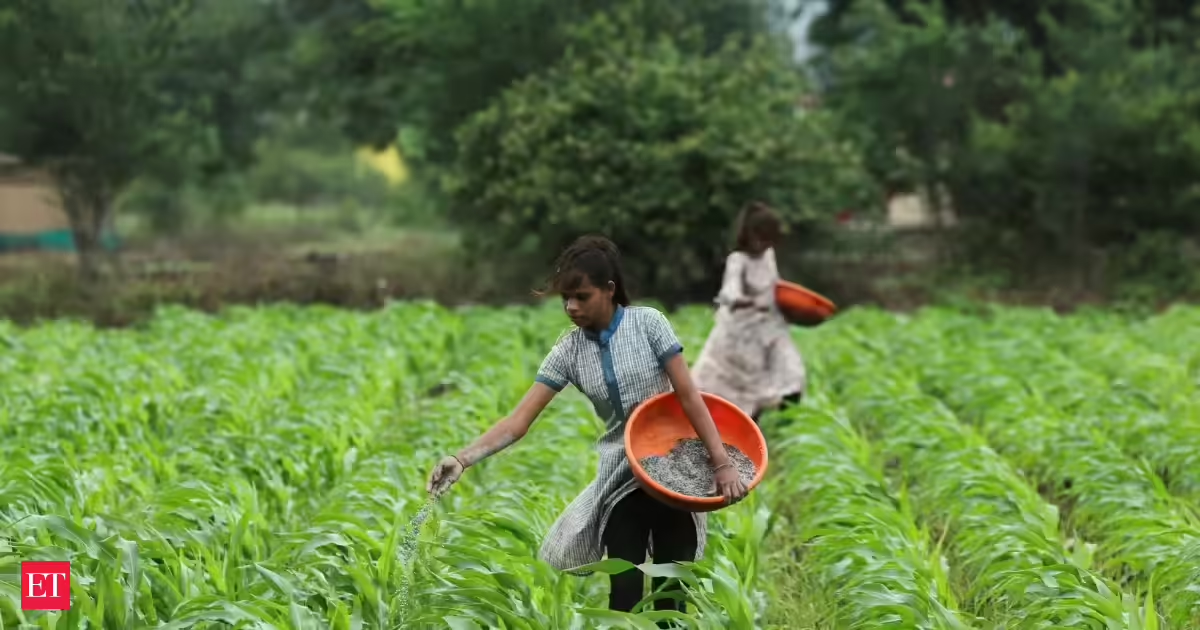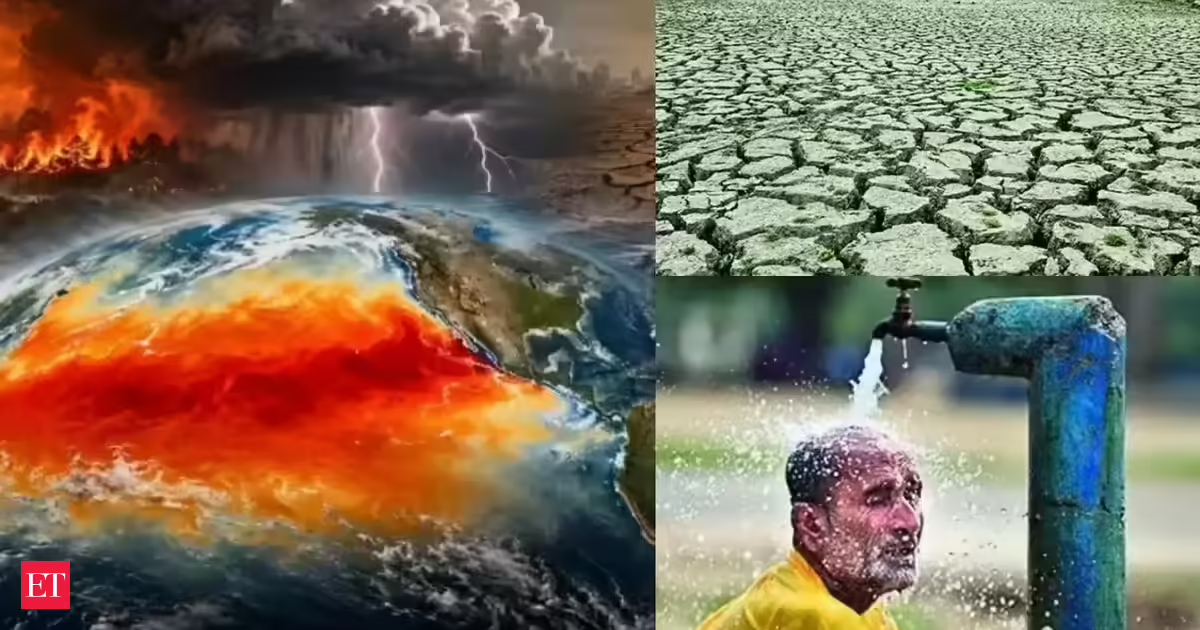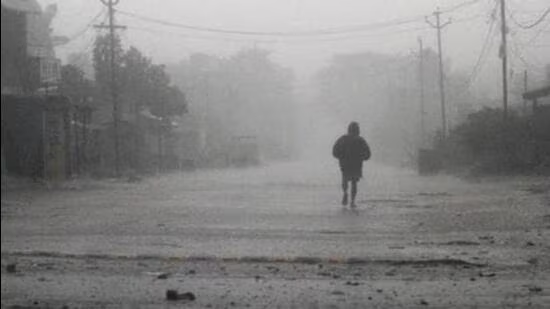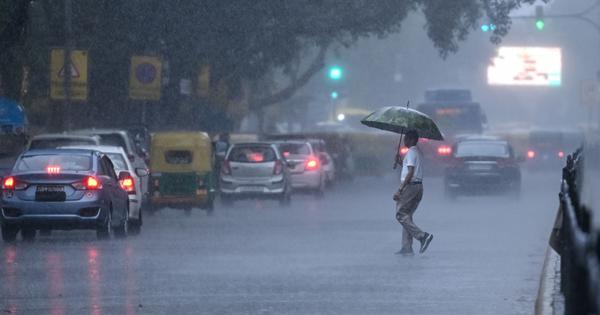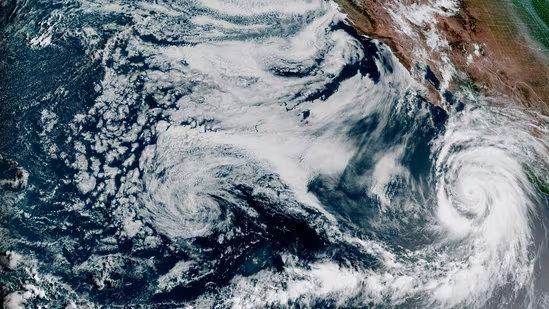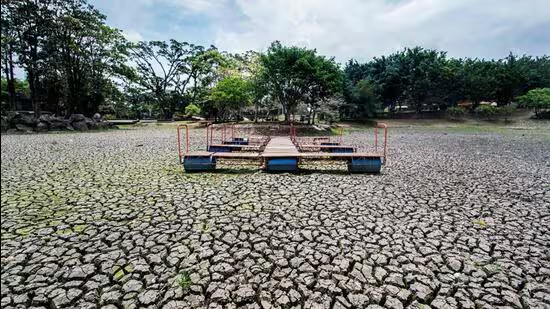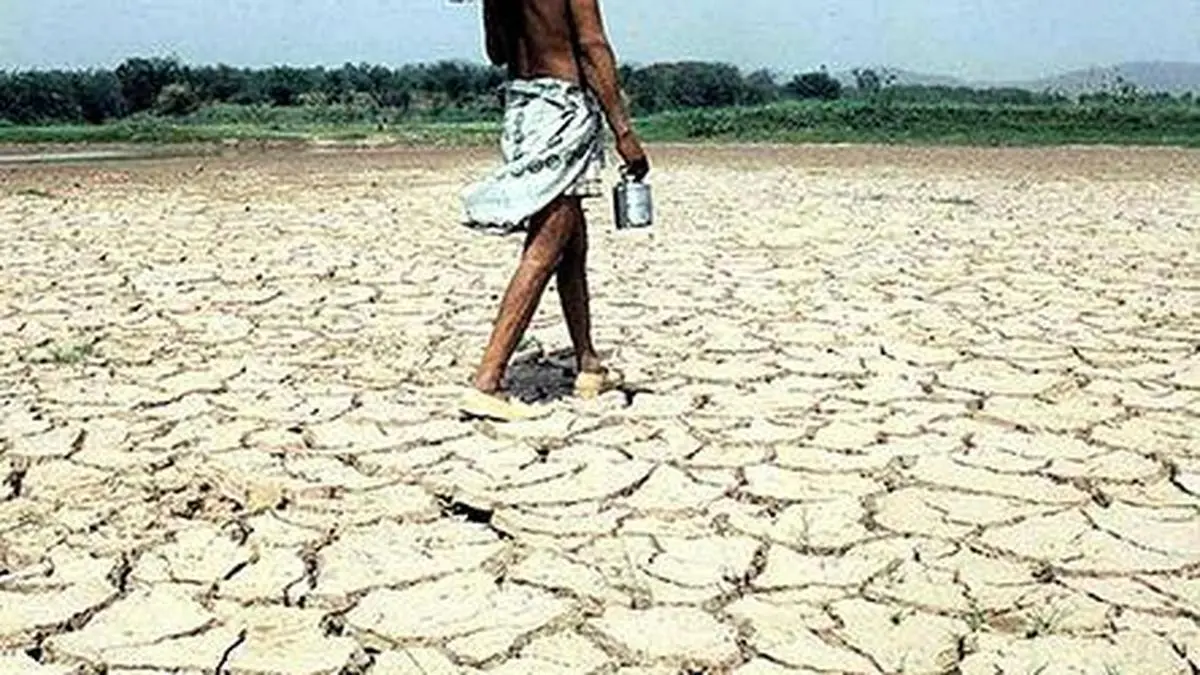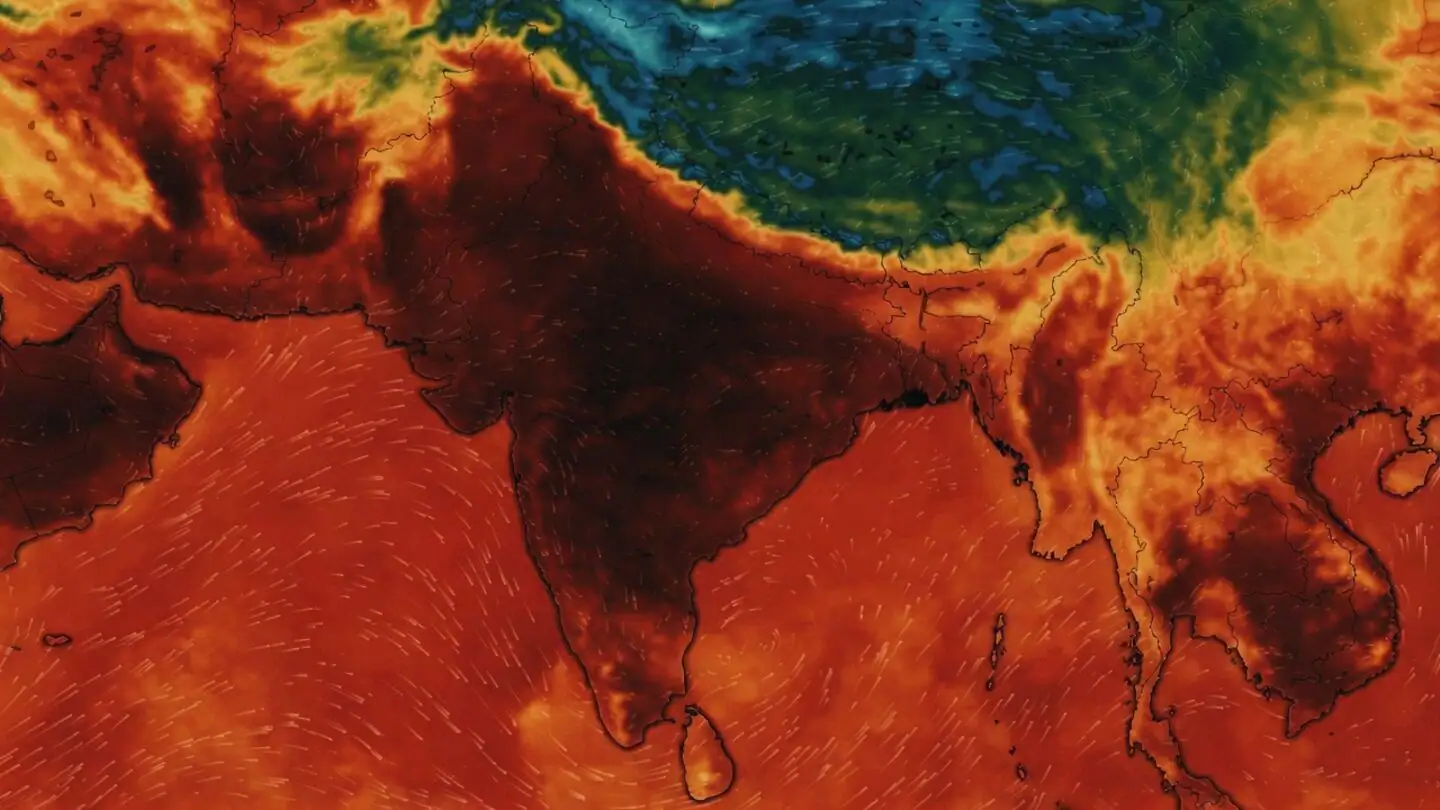
The India Meteorological Department (IMD) has confirmed that El Niño conditions are now active over the equatorial Pacific Ocean and are expected to strengthen during the monsoon season. This comes just as the southwest monsoon begins its journey across India. The development has sparked concerns because El Niño has historically been linked to weaker monsoon rains, higher temperatures and stress on agriculture in India.So what exactly is El Niño, and does it mean India is heading for a drought-like monsoon? Here's what you need to know.ALSO READ: USA vs Paraguay Highlights FIFA World Cup 2026What is El Niño?El Niño is a natural climate phenomenon that occurs when sea surface temperatures in the central and eastern equatorial Pacific Ocean become warmer than normal. When temperatures go up, these warmer waters alter global wind patterns and atmospheric circulation, influencing weather conditions around the world.When that engine heats up abnormally, weather patterns across continents can shift, affecting rainfall, temperatures and storms thousands of kilometres away.The opposite phase is called La Niña, which features cooler Pacific waters and often supports stronger monsoon activity in India.Why is IMD concerned this year?According to IMD, both the ocean and atmosphere are now showing clear El Niño signals, indicating that the phenomenon has officially developed. Forecast models suggest it is likely to strengthen further during the June-to-September southwest monsoon season."The atmosphere has responded to the warming sea surface temperatures, and the coupled ocean-atmosphere system now exhibits characteristics consistent with El Nino conditions," the weather agency said.El Nino is known to have a warming effect over the planet and might bring less rainfall in India. The IMD has already projected that India could receive below-normal monsoon rainfall this year, with El Niño being one of the key reasons behind that outlook.How does El Niño affect India's monsoon?The Indian monsoon depends on a delicate balance between ocean temperatures, atmospheric pressure and wind circulation.During El Niño years, that balance can get disrupted. Warmer Pacific waters tend to weaken the large-scale circulation patterns that help draw moisture-laden winds toward the Indian subcontinent. As a result, rainfall may become less abundant or unevenly distributed.Historically, several major drought years in India have coincided with strong El Niño events, including 2002, 2009 and 2015.What could change in India's weather this summer?1. Hotter-than-normal temperaturesOne of the most immediate effects of El Niño is an increase in temperatures. Parts of India could experience longer and more intense heat spells, especially in northern, central and western regions.2. Uneven rainfall distributionA weaker monsoon doesn't necessarily mean it will rain less everywhere. Some regions may still witness heavy downpours, while others could face prolonged dry spells. Weather experts increasingly note that El Niño can contribute to rainfall becoming more erratic.3. Stress on agricultureNearly half of India's farmland still depends heavily on monsoon rainfall. If rains arrive late, become patchy or remain below normal, sowing of key kharif crops such as rice, pulses and oilseeds could be affected.4. Water shortages in some regionsReduced rainfall can lower reservoir levels, groundwater recharge and river flows, potentially affecting drinking water supplies and irrigation in vulnerable areas.5. Higher food pricesA weaker monsoon often translates into lower agricultural output, which can eventually push up prices of vegetables, grains and other food items.How El Nino might burn your pockets?El Niño can affect your monthly household budget even if you are not a farmer.Here's how the chain reaction works:Step 1: El Niño can weaken monsoon rainsDuring an El Niño year, some parts of India may receive less rainfall or experience long dry spells. Farmers who depend on monsoon rains may struggle to grow crops normally.Step 2: Lower crop productionIf there isn't enough rain, yields of crops such as rice, pulses, vegetables, sugarcane and oilseeds can decline. Even when crops survive, production may be lower than expected.Step 3: Supply becomes tighterWhen less produce reaches markets, supply falls. But demand from consumers remains the same.Step 4: Food prices riseWith fewer vegetables, grains and pulses available, wholesale and retail prices often increase. This is where consumers start feeling the impact.For example:Tomatoes, onions and potatoes may become more expensive.Pulses such as tur dal and moong dal may see price increases.Edible oils can become costlier if oilseed production falls.Rice and sugar prices may face upward pressure if production is affected.Step 5: Your grocery bill increasesA family spending ₹8,000 a month on groceries could find itself spending ₹8,500-₹9,500 or more if food inflation rises significantly.This not just impacts the prices of food but also affects milk, meat, electricity and your other daily expenses. Here's how:Milk pricesIf rainfall is poor, fodder for cattle becomes costlier. Dairy farmers face higher costs, which can eventually push up milk prices.Meat and poultryFeed costs may increase, making chicken, eggs and meat more expensive.Electricity billsIf reservoir levels drop due to weak rains, hydropower generation can be affected. Utilities may have to rely more on costlier power sources in some regions.Restaurant billsHotels and restaurants pay more for vegetables, grains, milk and cooking oil. These higher costs are often passed on to customers.Does El Niño always mean a bad monsoon?Not necessarily. While El Niño increases the risk of below-normal rainfall, it does not guarantee drought conditions. Other climate factors, including conditions in the Indian Ocean and regional weather systems, can either amplify or offset El Niño's impact. Scientists have also found that the relationship between El Niño and the Indian monsoon is not always identical from one event to another. That's why meteorologists continue to monitor ocean temperatures and atmospheric conditions throughout the season.
What is El Niño and how does it affect India? Could it bring a drought-like monsoon and higher grocery bills?
El Niño conditions are now active in the equatorial Pacific Ocean, raising concerns for India's monsoon. Warmer Pacific waters disrupt weather patterns, potentially leading to weaker rains, hotter temperatures, and agricultural stress. This could impact crop production, water availability, and ultimately, food prices, affecting household budgets across the nation.
TL;DRAI
IMD confirms El Niño conditions will weaken India's monsoon rains (June-September) similar to 2002/2009/2015, reducing rice/pulses/oilseed yields. Supply tightens, food and power prices rise, increasing operational costs for IT supply chains and team expenses across India.
912 words~4 min read