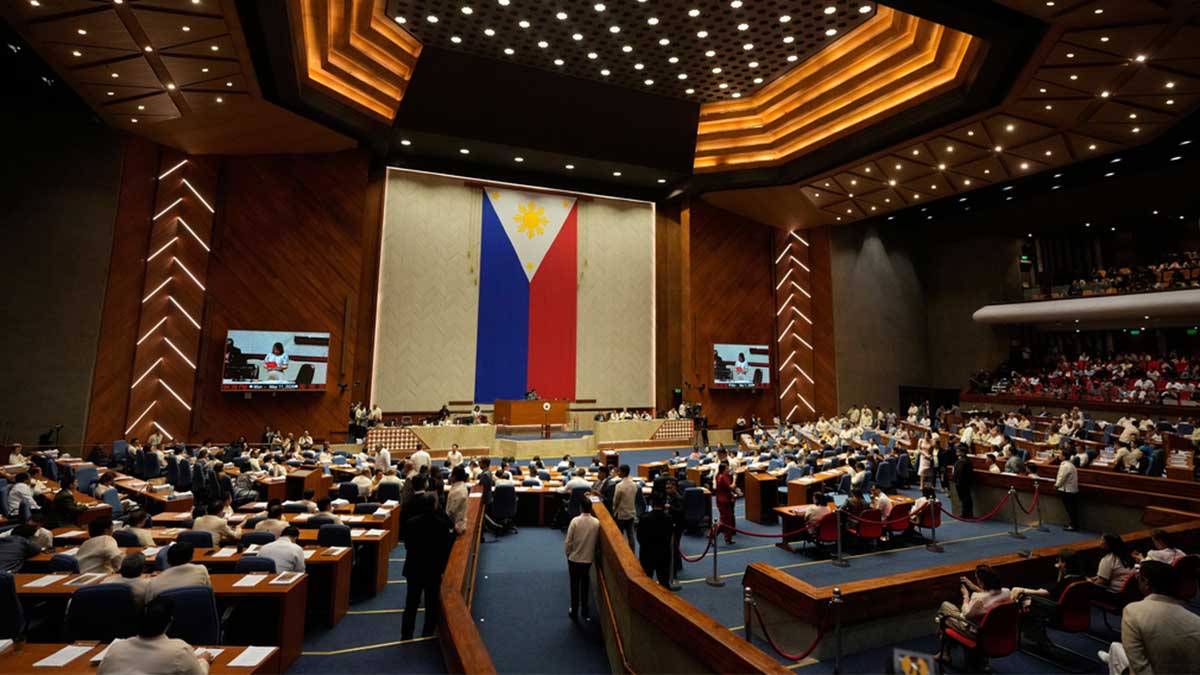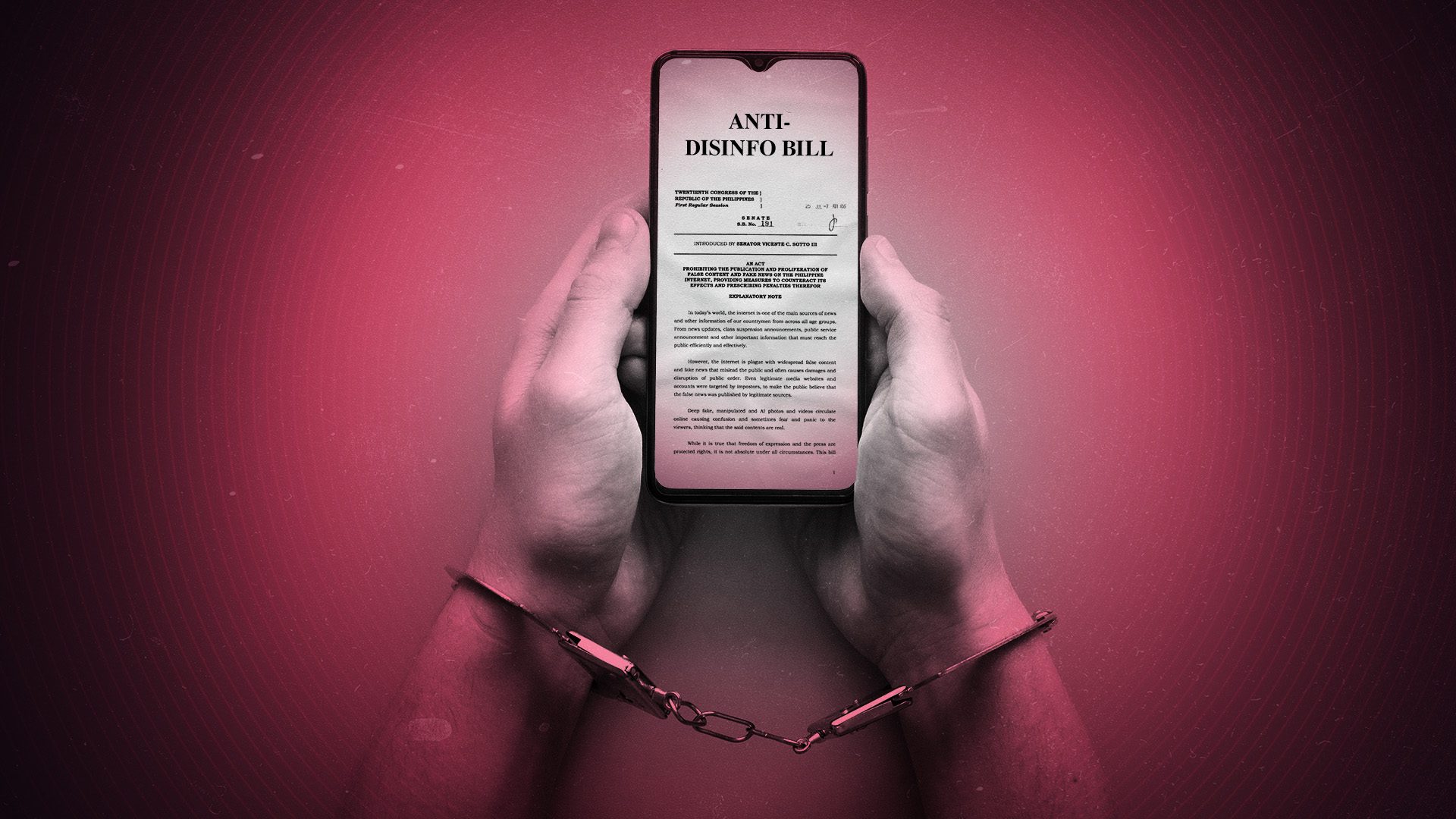
When Majority Leader Sandro Marcos filed his bill seeking to punish purveyors of false information at the start of the 20th Congress in 2025, he moved to specifically define what “fake news” is.
His bill states that “fake news” refers to “false or misleading information presented as fact of news, deliberately and maliciously disseminated to mislead the public, that may sow confusion, incite hatred or violence, or disrupt public order.”
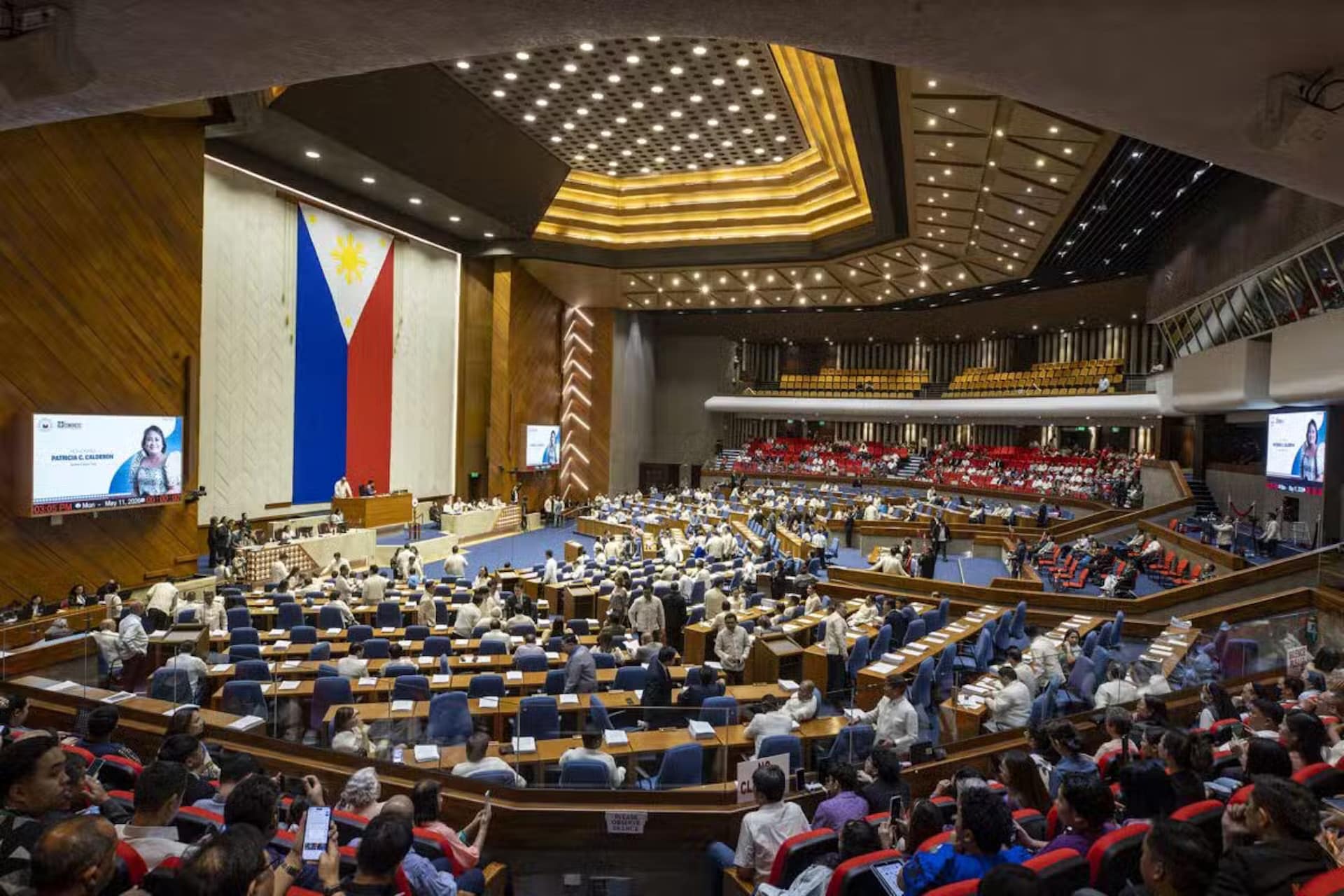
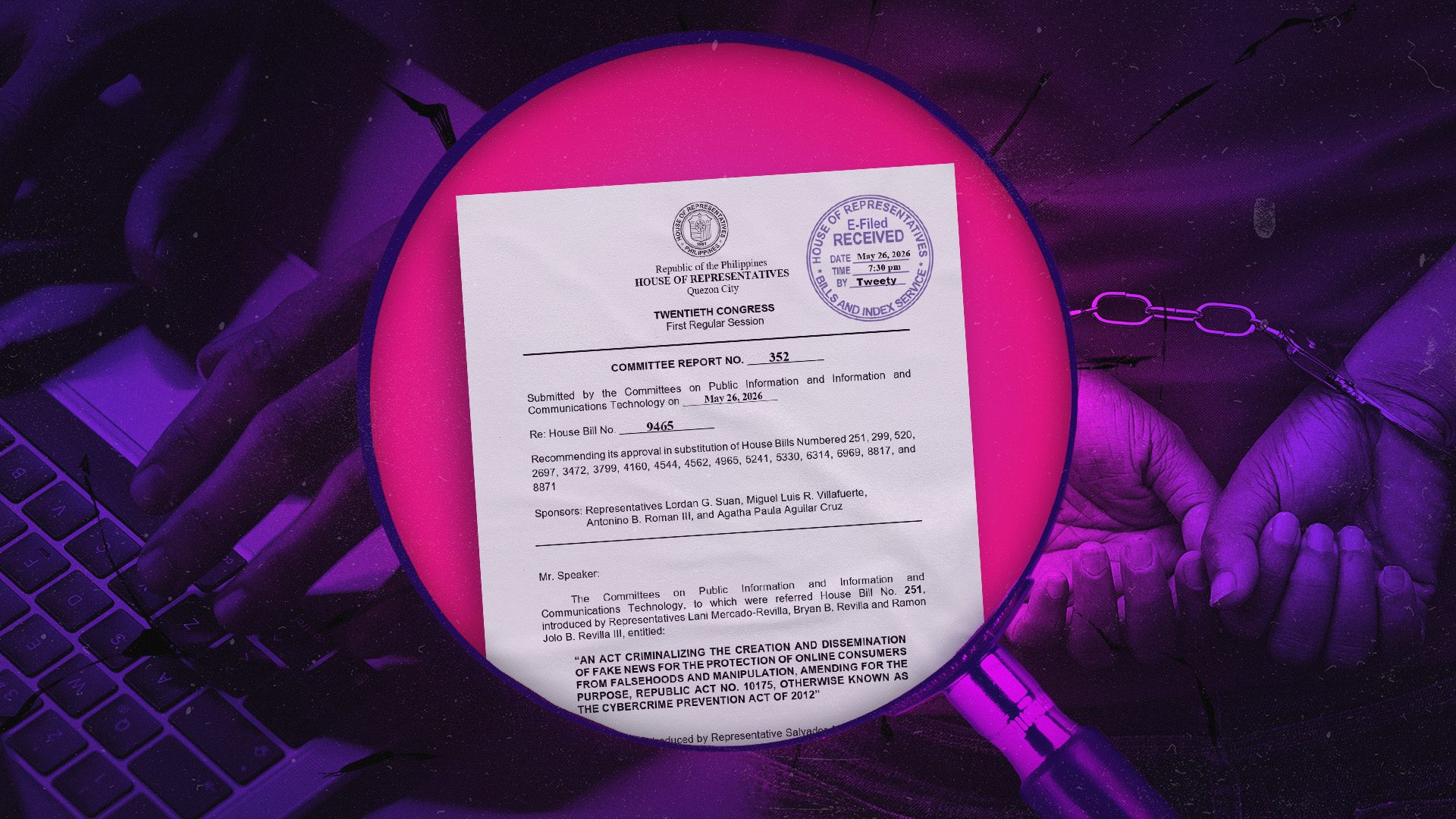
The word phrase “fake news” — a fixture in the social media-era lexicon — can no longer be found in the substitute bill that passed the House public information committee and cleared House plenary debates past midnight on May 27.
The revised bill, which still puts him first in the lineup of primary authors, instead doubles down on defining “disinformation,” which is the more precise language used by scholars.
It’s just one of the many changes in the substitute House Bill No. 9645, but the revisions are unlikely to allay fears of critics that this measure would be weaponized to suppress free speech, despite new safeguards injected into the new document.