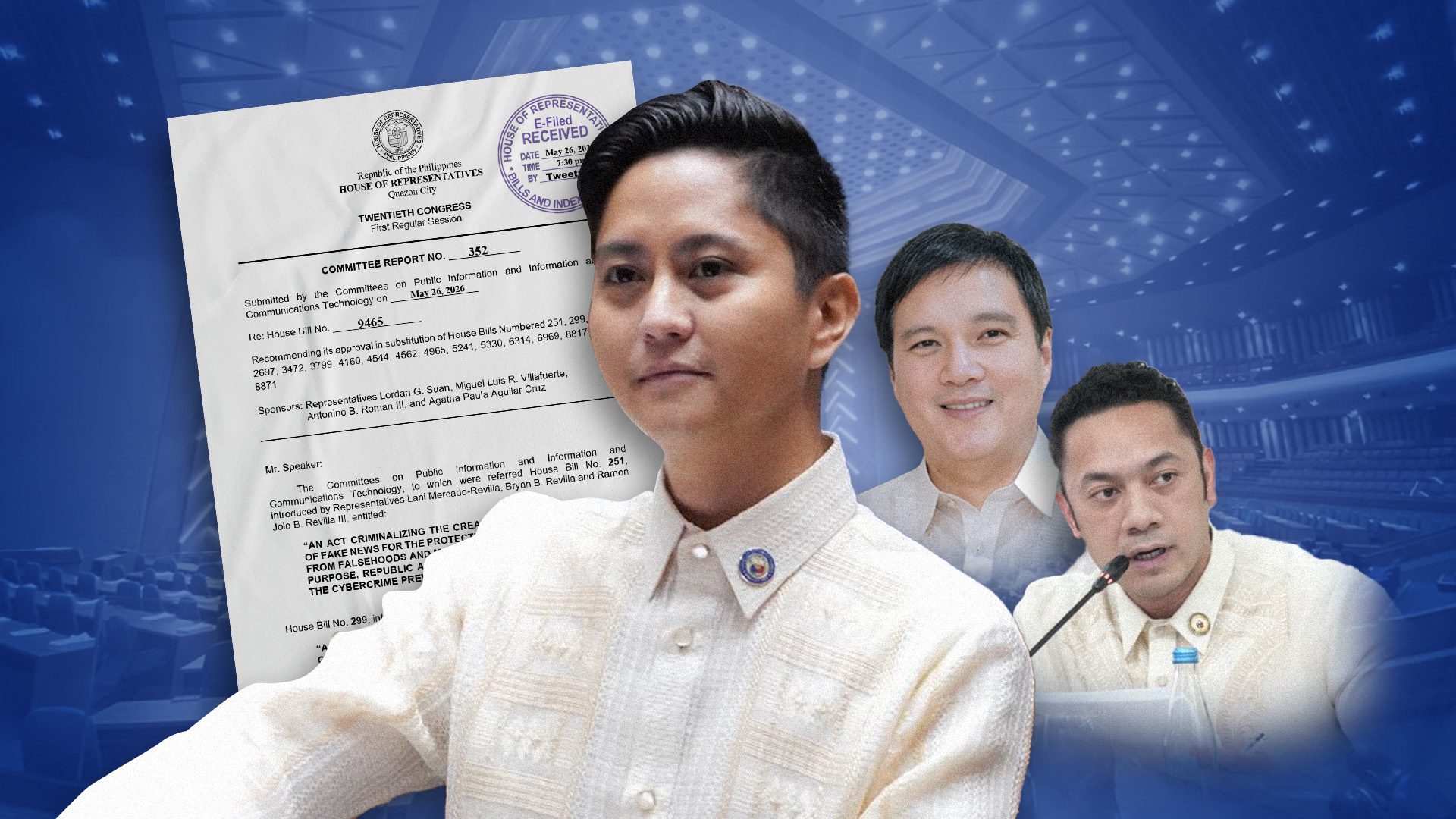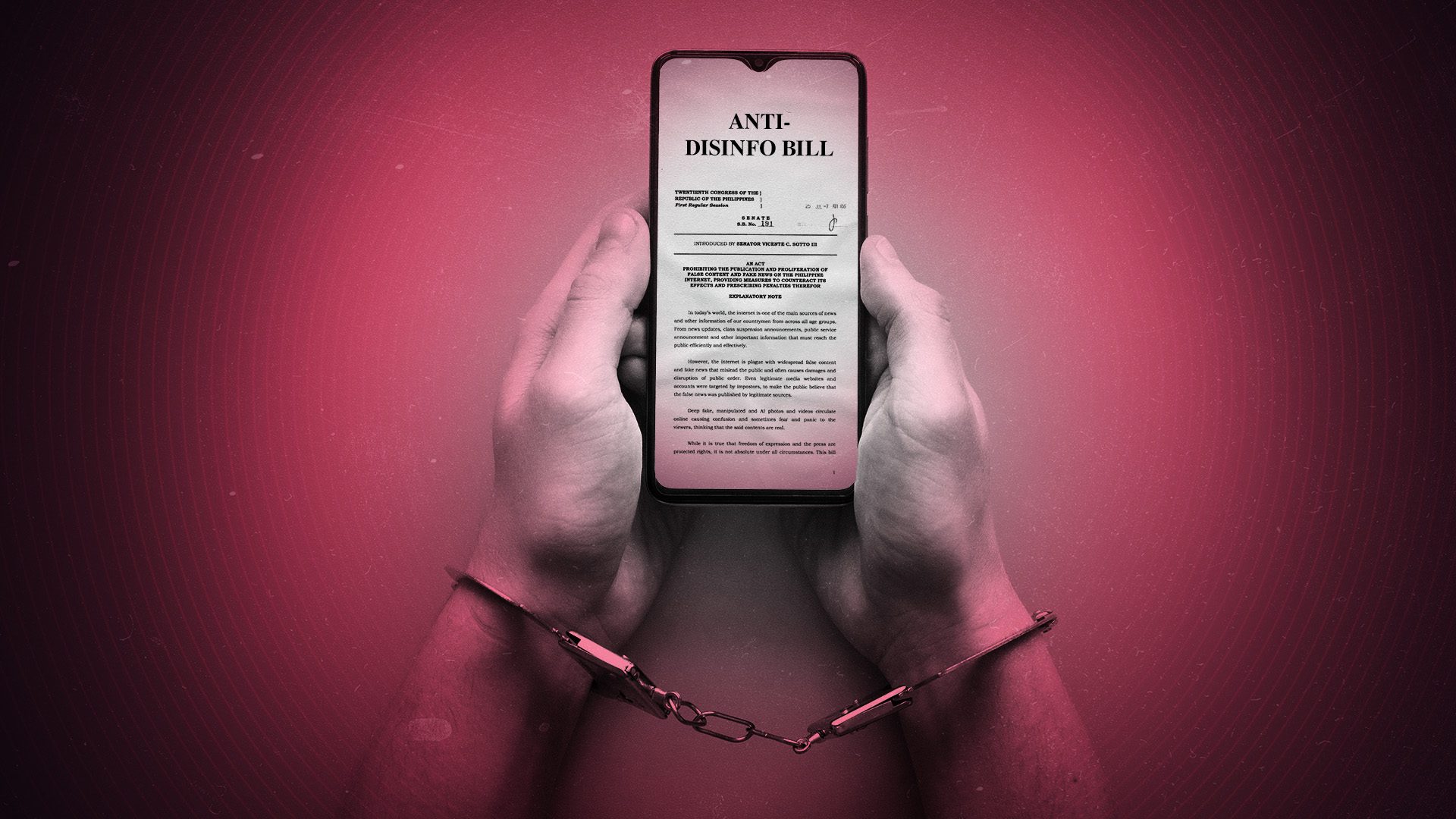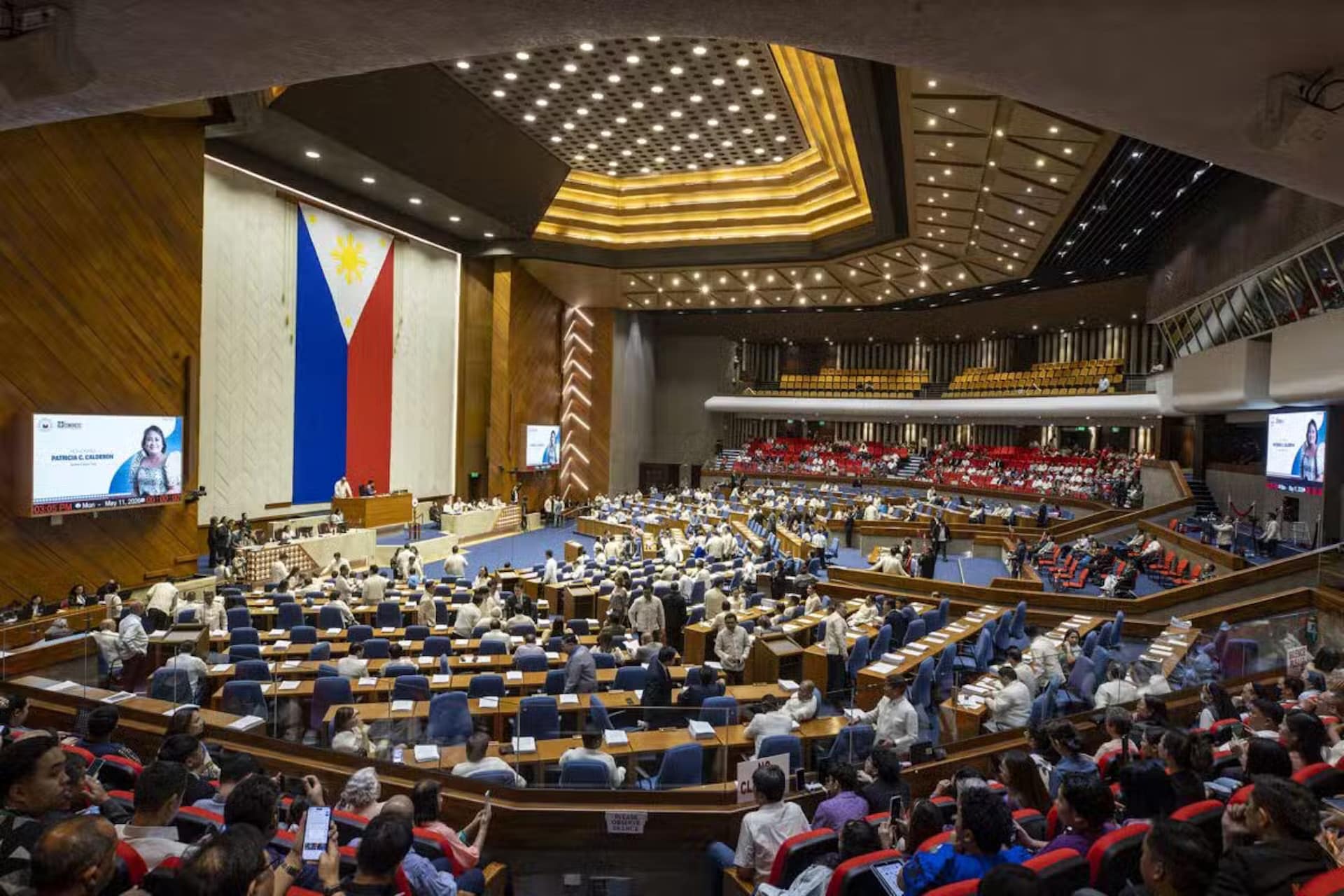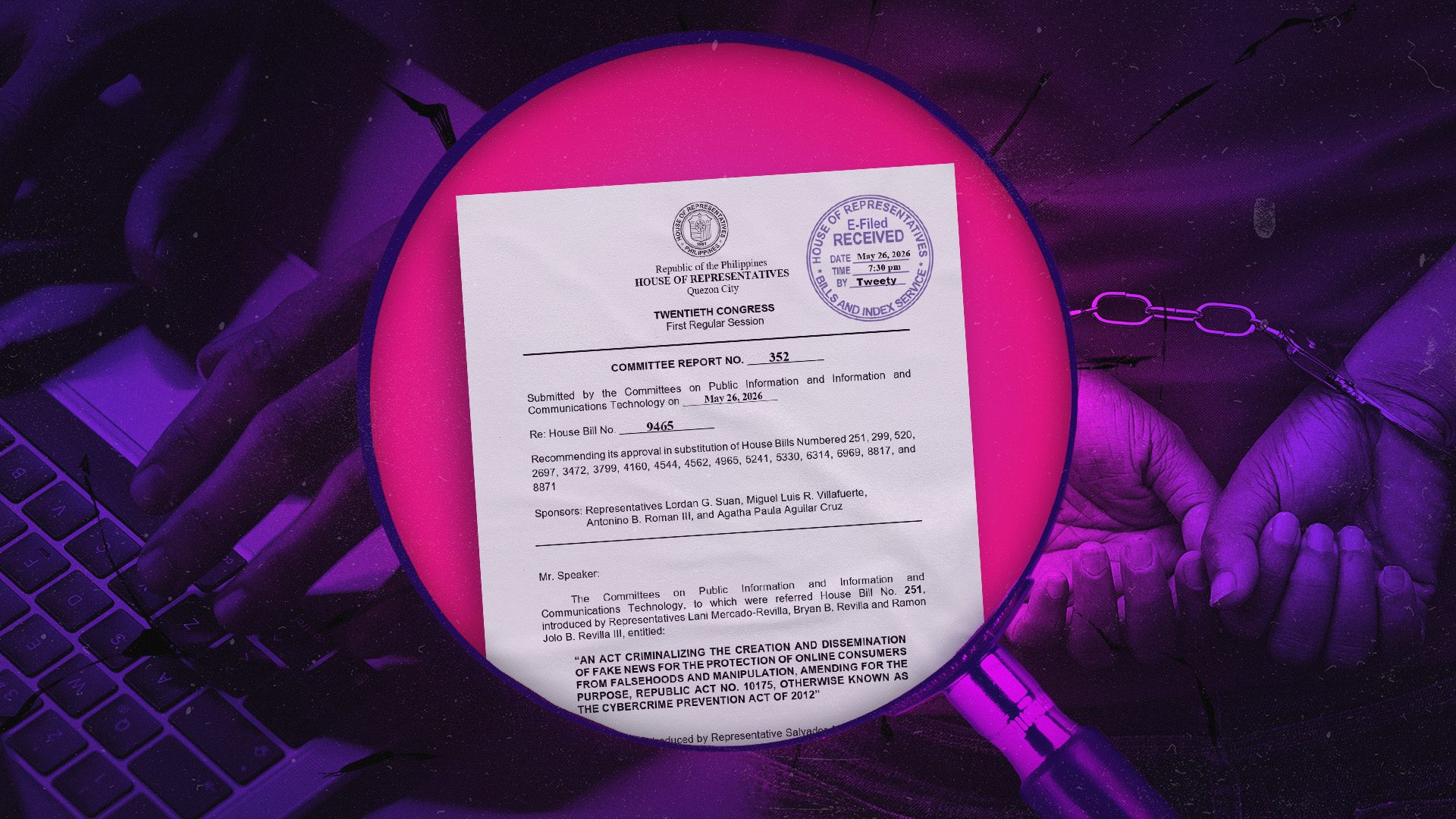
The legislative push to address disinformation picked up steam as House Majority Leader Sandro Marcos’ pushes for House Bill 9465 in time for President Marcos Jr.’s forthcoming State of the Nation Address.
HB 9465, or the Digital Media Anti-False Information Act, consolidates many other bills, the majority of which focus on more traditional content-based policing, but also include much-welcomed provisions for systems-focused governance, as well as platform and algorithmic accountability.
As the bill moves toward a third reading, a fundamental question persists: should the legal weight fall on the “polluted water” — the individual user’s post — or the “factory upstream” — the platform’s systemic operations?
Nobel Peace Prize laureate Maria Ressa has often suggested that traditional content moderation is akin to scooping a glass of water out of a polluted river, cleaning it, and dumping it back in. To effectively address the crisis, she argues we must look “upstream” at the algorithmic systems and business models that prioritize engagement over factual accuracy. “What we have to do is to go all the way to the factory polluting the river, shut it down, and then resuscitate the river,” Ressa said in 2023.