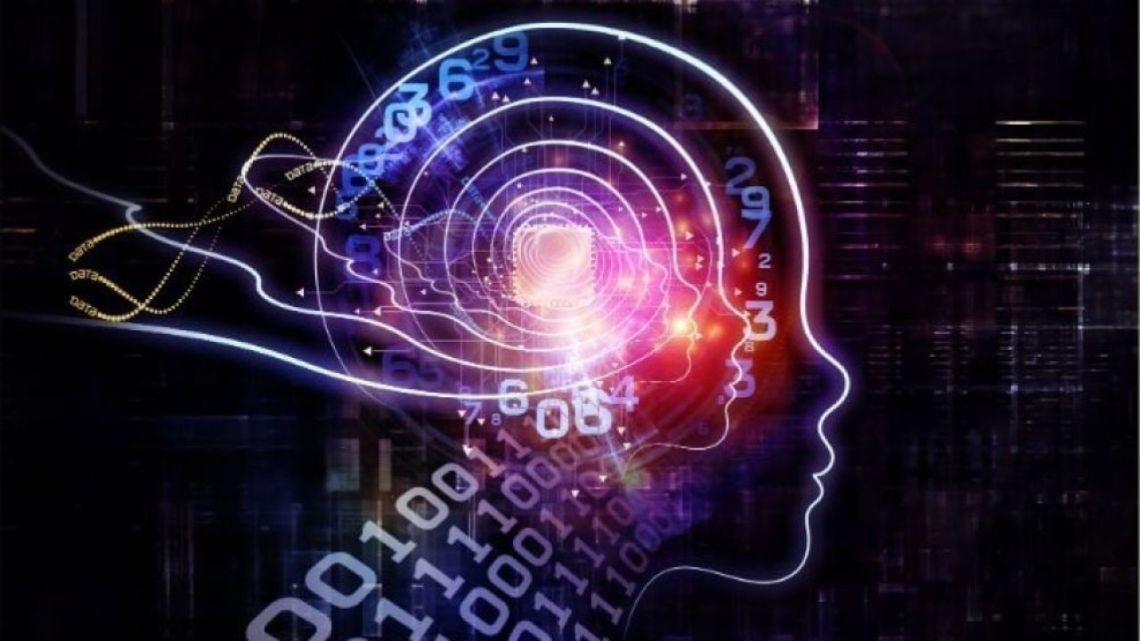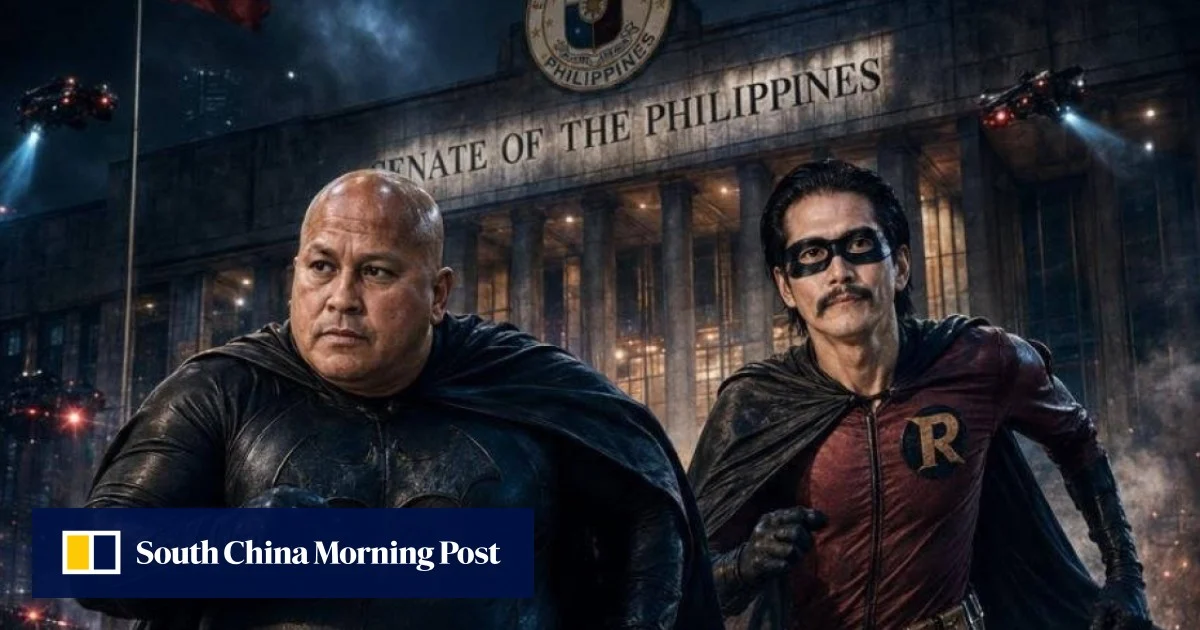
MANILA, Philippines – Deepfakes or synthetic media generated by artificial intelligence (AI) and machine learning to mimic a person’s appearance, voice, or actions have evolved from a technical curiosity into a potent tool for disinformation, fraud, and harassment.
In the Philippines, high-profile victims like President Bongbong Marcos Jr. and public figures including Rappler CEO and Nobel Peace Prize laureate Maria Ressa, Senator Bam Aquino, businessmen Ramon Ang, former senator Manny Villar, and other prominent journalists such as Karen Davila and Karmina Constantino have already been targeted by manipulated content that is misleading to the public and may potentially cause reputational damage.
Deepfakes can also be used to make sexual images that target women, as recently seen in incidents involving the AI tool Grok. Celebrities such as Angel Aquino have also been targeted as subjects in deepfake porn. “It was dehumanizing,” Aquino said, in a Senate hearing in September 2025.
Senator Risa Hontiveros, at the same hearing, warned, “The use of technology in perpetrating harmful behaviors, abuses, and crimes against women and children are not new; but the potential scale in the creation of AI-generated non-consensual and abusive materials is unprecedented.”