Story audio is generated using AI
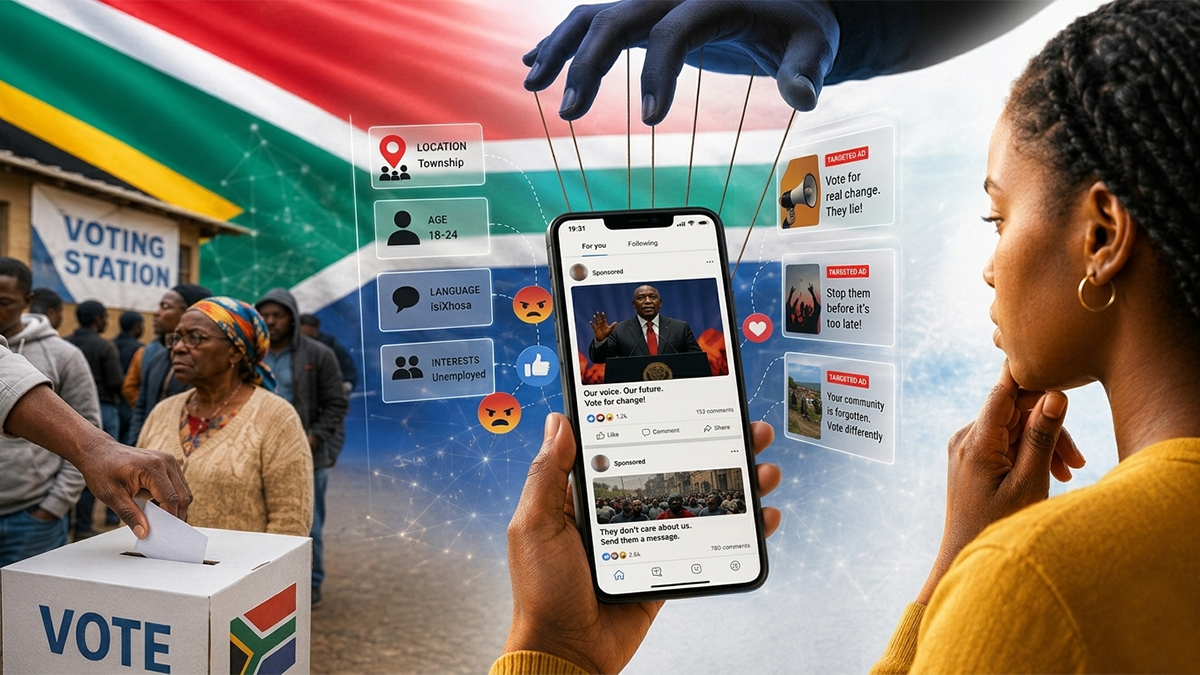
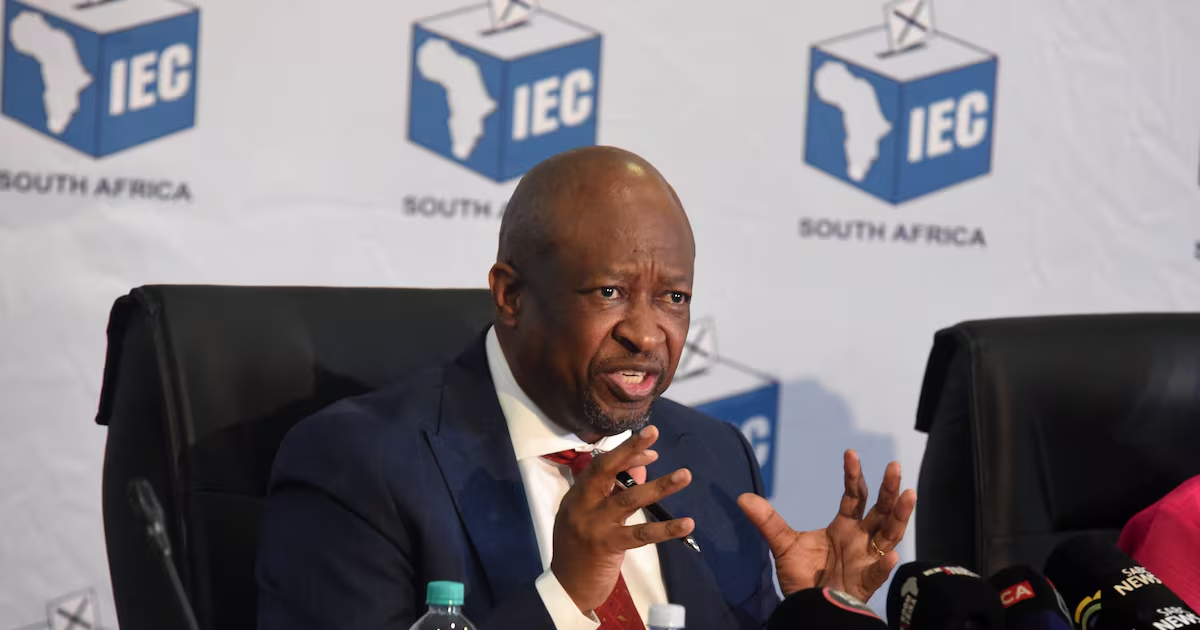
The Electoral Commission of South Africa (IEC) has developed a draft code of conduct to crack down on misinformation and disinformation during this campaign season, which it will disseminate for public comment.This is intended to embed safeguards against fraudulent and manipulated content to preserve information integrity during the elections.Chief electoral officer Sy Mamabolo said the commission recognises that the pervasive use of social media is a double-edged sword.“It expands access to information, enhances active participation and broadens reach for political parties and candidates beyond that which traditional media can achieve.” However, Mamabolo conceded that it was also susceptible to manipulation and distortion, which could undermine information integrity.“This is an indispensable component of a credible electoral process,” he said.Mamabolo said the commission previously mitigated “the bane of this disinformation” through collaboration with civil society and the use of the “Real411″ platform for flagging and reporting misleading content.“This work has been strengthened through policy development. Guided by the constitution and other relevant prescripts, the commission will issue a draft code of conduct on misinformation for public comment,” Mamabolo said.The commission will reinforce the fight against the threat of disinformation and information inaccuracy, and will boost integrity through policy development.Mamabolo made the remarks at the IEC’s media launch of its communications campaign ahead of the local government elections in November. The event took place at the Gallagher Convention Centre in Johannesburg on Wednesday.IEC chair Mosotho Moepya also warned against the proliferation of systemic misinformation and disinformation brought about by the digital era.“While digital connectivity expands our reach, it simultaneously exposes our electoral ecosystem to severe vulnerability. We are operating in an era defined by what the World Economic Forum classifies as a premier global risk.”Moepya said it was proven the world over how dangerous unchecked information was damaging to trust in public institutions.“Imperial research establishes that targeted disinformation does not merely mislead; it systematically erodes institutional legitimacy, exacerbates political polarisation and diminishes overall public faith in democratic processes.”Moepya said the IEC is invested in deep technical, infrastructural and digital upgrades to underpin its operational readiness.“These innovations reflect an institution that recognises what scholars describe as a hybrid media system. Information no longer flows linearly from state institutions to a passive public. We operate within a decentralised network of real-time digital interactions, of social media discourse and peer-to-peer communication.”For the commission, Moepya said this meant it had to adapt to this shifting landscape in a manner that had never been done before.“Our new initiatives seek to transform communication from a periodic information broadcast into a continuous national dialogue.”TimesLIVE