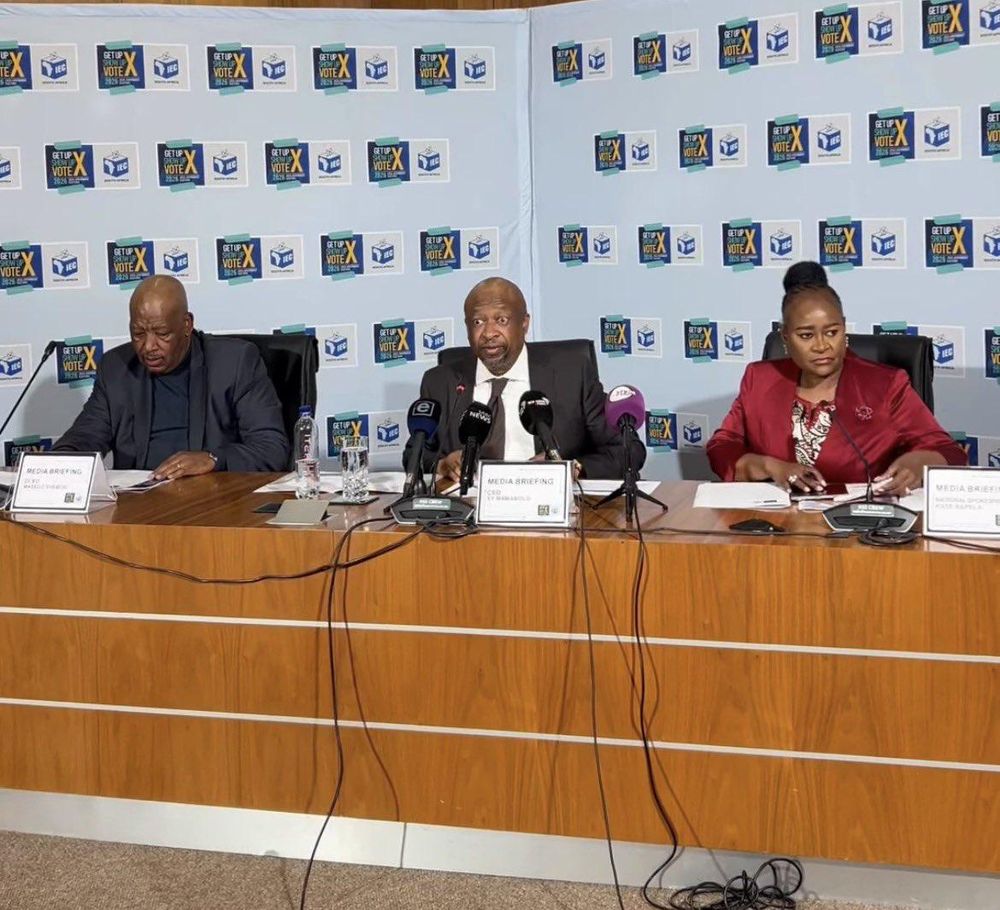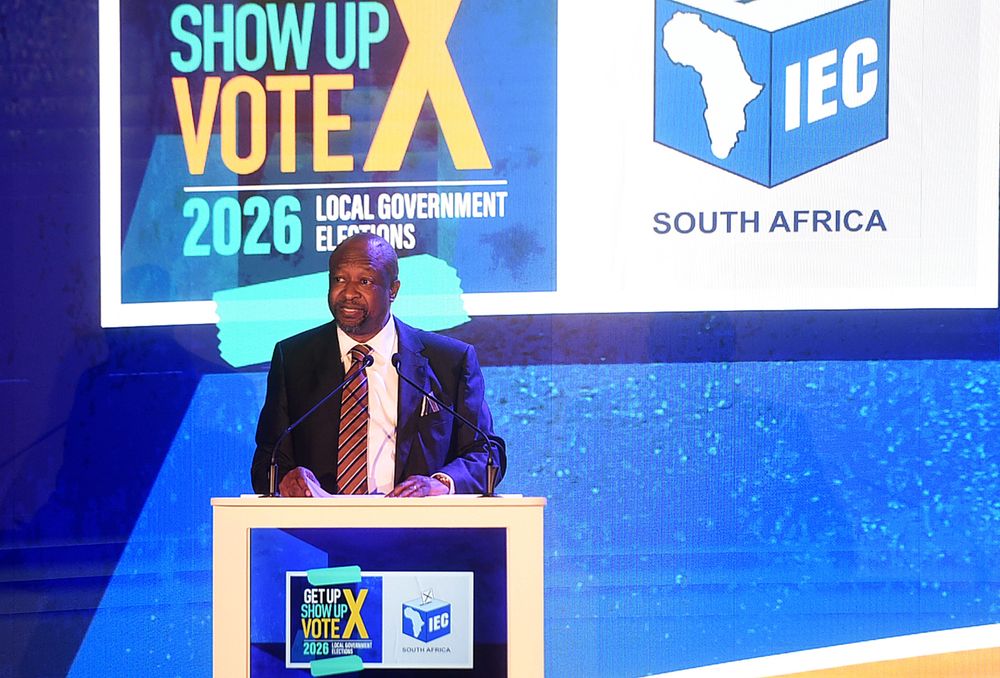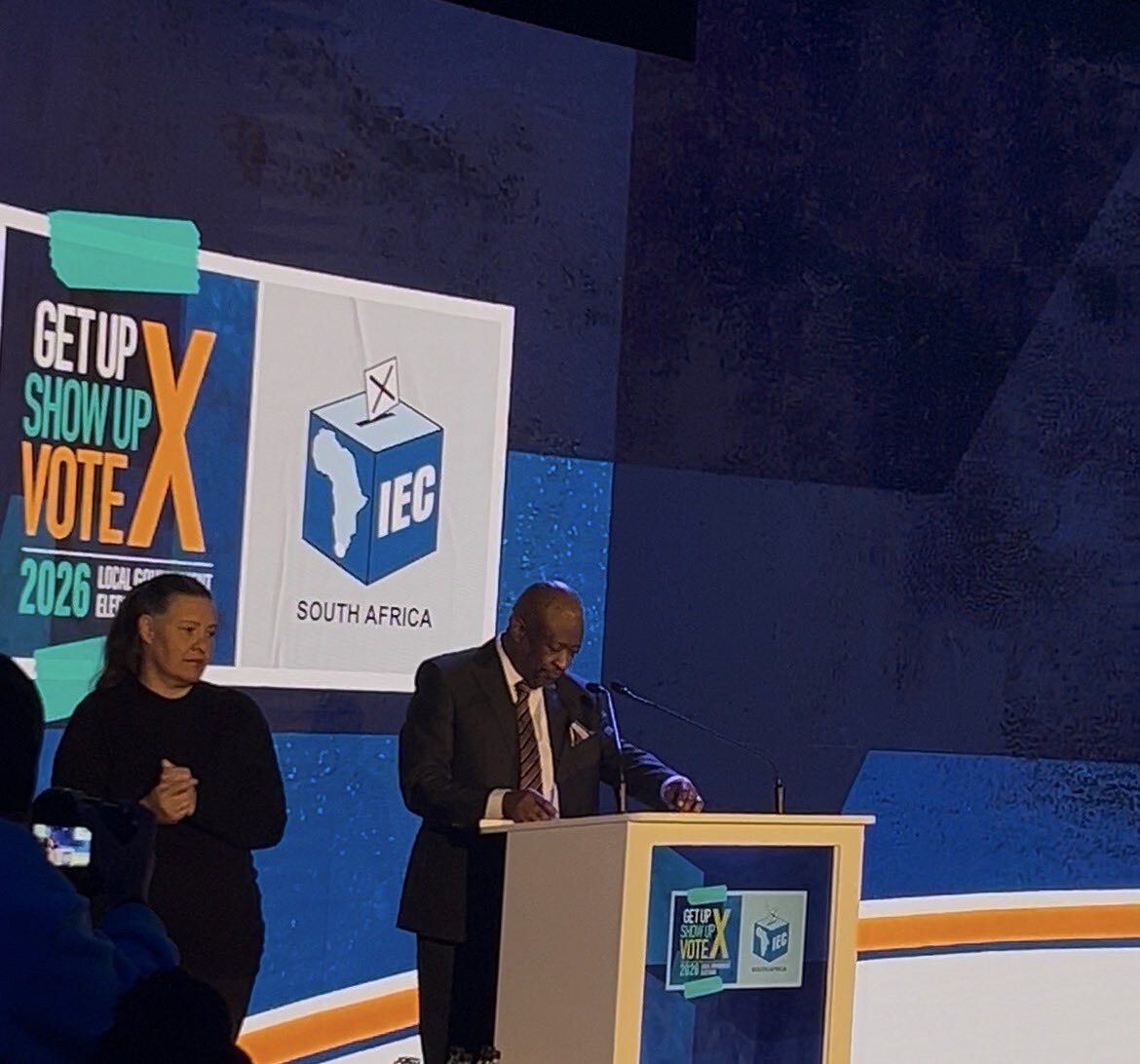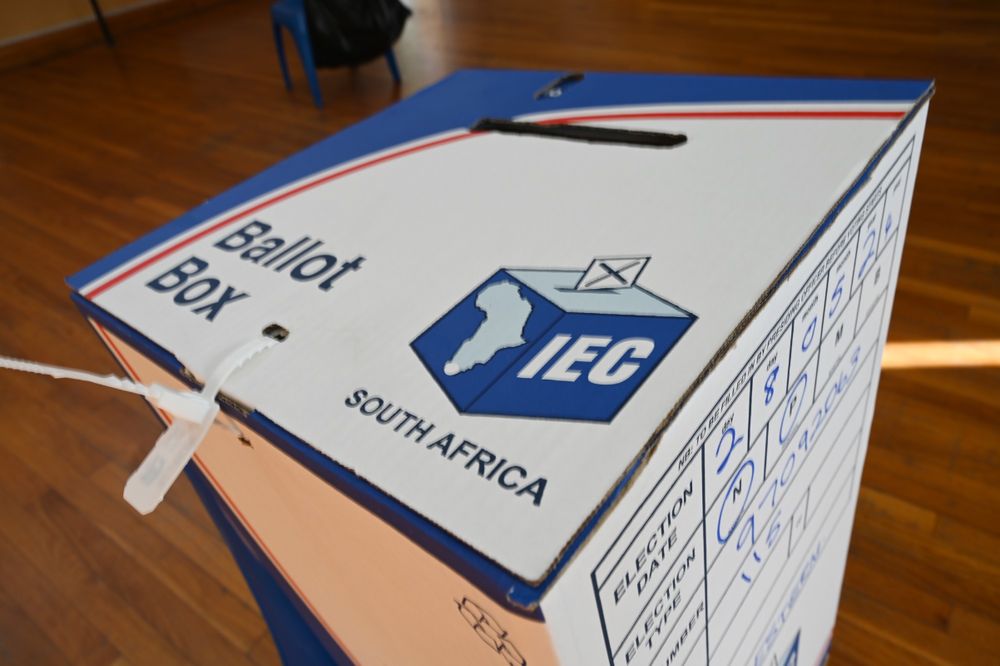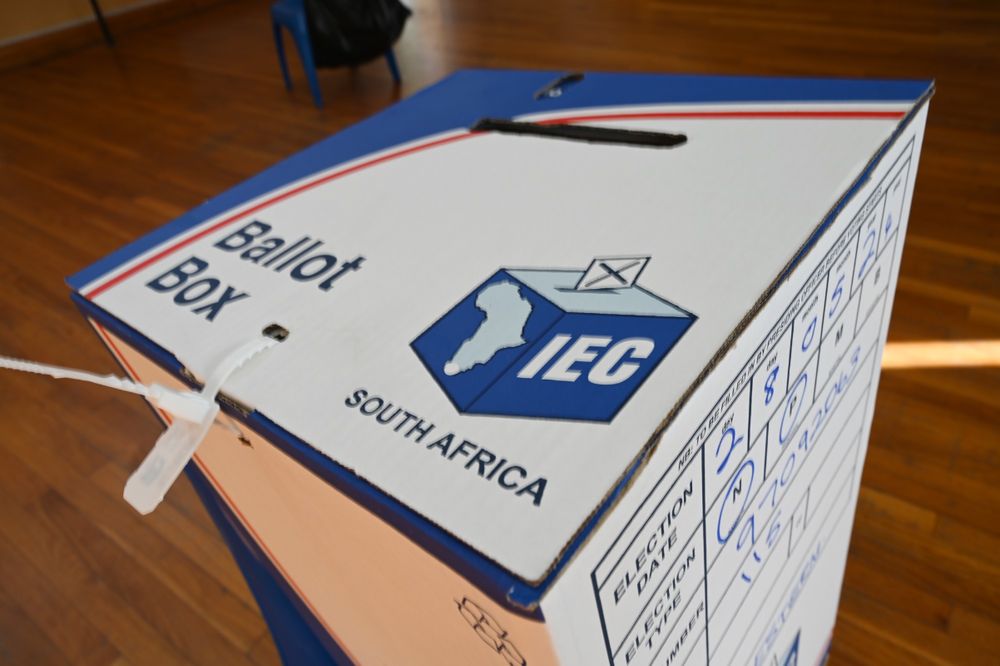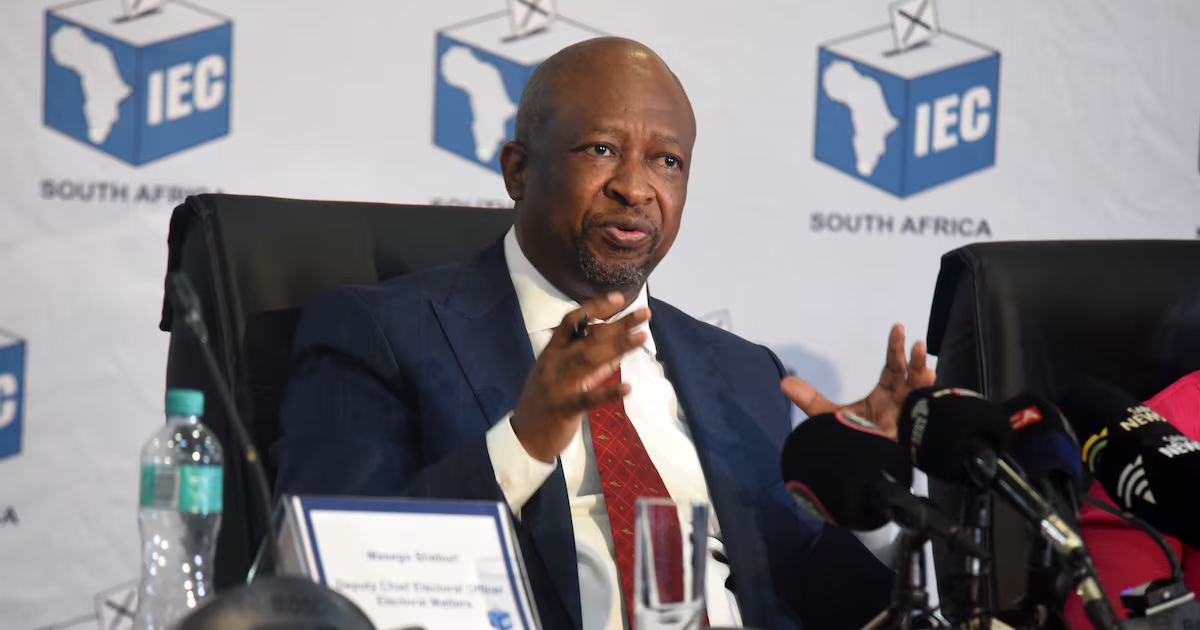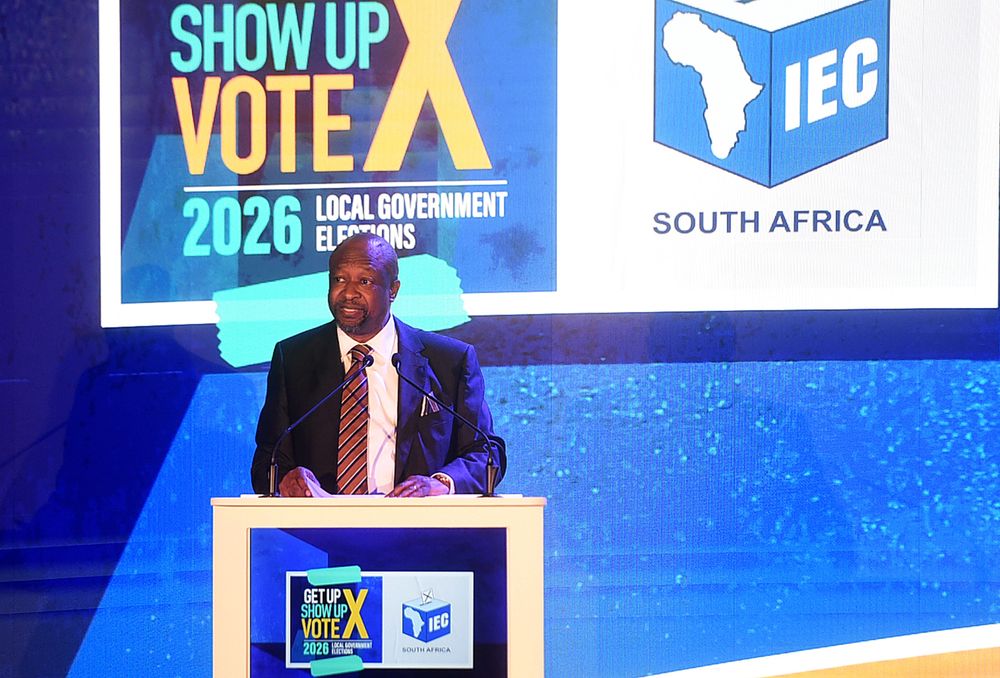
South Africa will hold the local government elections on 4 November. (Image source: 123RF) In response to declining voter turnout and growing concerns around voter apathy, the Electoral Commission (IEC) is ramping up its use of technology and digital engagement tools ahead of the 2026 local government elections (LGE).This emerged yesterday as the IEC officially launched the 2026 LGE campaign, marking the start of a nationwide voter awareness drive ahead of Election Day on 4 November.The campaign aims to encourage greater public participation in the democratic process and improve accessibility to electoral information, particularly among younger voters.As part of the initiative, the commission has rolled out a multi-platform communication campaign spanning television, radio, digital channels and social media platforms to ensure broad reach across the country.The IEC says the campaign is designed to reinforce civic responsibility, combat misinformation and encourage citizens to participate in the elections.Central to the IEC’s digital strategy is its online voter registration portal, which the commission says has significantly improved the accuracy and stability of the national voters’ roll by enabling real-time updates and reducing administrative delays.According to the IEC, between January and May 2026, a total of 376 140 new voter registrations were completed online, reflecting strong uptake of the digital platform, particularly among younger South Africans.The commission says the total number of registered voters now stands at 27 912 415, exceeding the figures recorded during the 2024 national and provincial elections.It notes this growth has been achieved despite the voters’ roll losing an average of 34 000 voters every month due to mortality.To further engage younger audiences, the IEC has partnered with the SABC to launch a youth-focused television series titled “Beats for My Peeps”.The programme combines music, popular culture and digital influencers to address voter apathy, debunk misinformation and promote democratic participation among young people. The series will air on SABC1 at 18:00 from 3 June.The commission has also expanded its digital communication efforts through the IEC podcast, which provides accessible, real-time election information via mobile and online platforms. The podcast is available on the IEC’s official YouTube channel.The IEC has also developed a dedicated media app aimed at streamlining engagement with journalists and improving access to election-related information.The app enables interview scheduling, access to frequently asked questions, commission announcements, podcast content and real-time updates. According to the IEC, several journalists attending the launch event have already been onboarded onto the platform.The commission also highlighted the evolution of its contact centre into a fully-fledged multi-channel support platform. The centre now provides assistance through voice calls in all official languages, as well as e-mail, live chat and social media channels.According to the IEC, the contact centre has recorded 64 062 citizen interactions across its various channels − levels of engagement that the commission says were “not possible under previous models”.Notably, the IEC says live chat overtook voice calls as the most-used communication channel during the 2024 elections, reflecting changing communication preferences among citizens.For the first time, the IEC’s contact centre has remained operational continuously between the 2024 elections and the 2026 registration period in response to sustained public demand for electoral information and support services.“It is now fully capacitated to assist in all 11 official languages. In addition, a multichannel AI agent, Vota, has been deployed to extend services after hours and support peak demand. Where necessary, queries are seamlessly escalated to human agents. Vota is currently trained on voter registration and will be continuously updated,” the commission says.According to the IEC, these digital interventions are aimed at strengthening trust, accessibility and responsiveness within South Africa’s electoral system.“These interventions reflect a fundamental principle: the Electoral Commission operates on the twin currencies of trust and responsiveness,” it says.The commission is also publishing the Atlas of Results for the 2024 National and Provincial Elections – a comprehensive geospatial analysis presenting the voters’ roll and election results in an interactive, map-based format.This tool will assist citizens, political parties, researchers and stakeholders in understanding registration and voting patterns. “Its early release makes it a valuable planning resource for campaign targeting ahead of the 2026 LGE,” it says.“The Electoral Commission recognises that the pervasive use of social media is a double-edged sword. While it expands access to information, enhances participation, and broadens reach for political parties and candidates, it is also susceptible to manipulation and distortion, which may undermine information integrity – an indispensable component of a credible electoral process.”The commission previously mitigated disinformation through, among others, collaboration with civil society and the use of the Real411 platform for flagging and reporting misleading content.“This work has been strengthened through policy development. Guided by the Constitution and other relevant prescripts, the commission will issue a draft Code of Conduct on Misinformation for public comment.”The draft seeks to embed safeguards against fraudulent and manipulated content to preserve information integrity during the elections.
IEC turns to technology to curb voter apathy
Between January and May, a total of 376 140 new voter registrations were completed online, reflecting strong uptake of the digital platform, says the IEC.
801 words~4 min read