Story audio is generated using AI
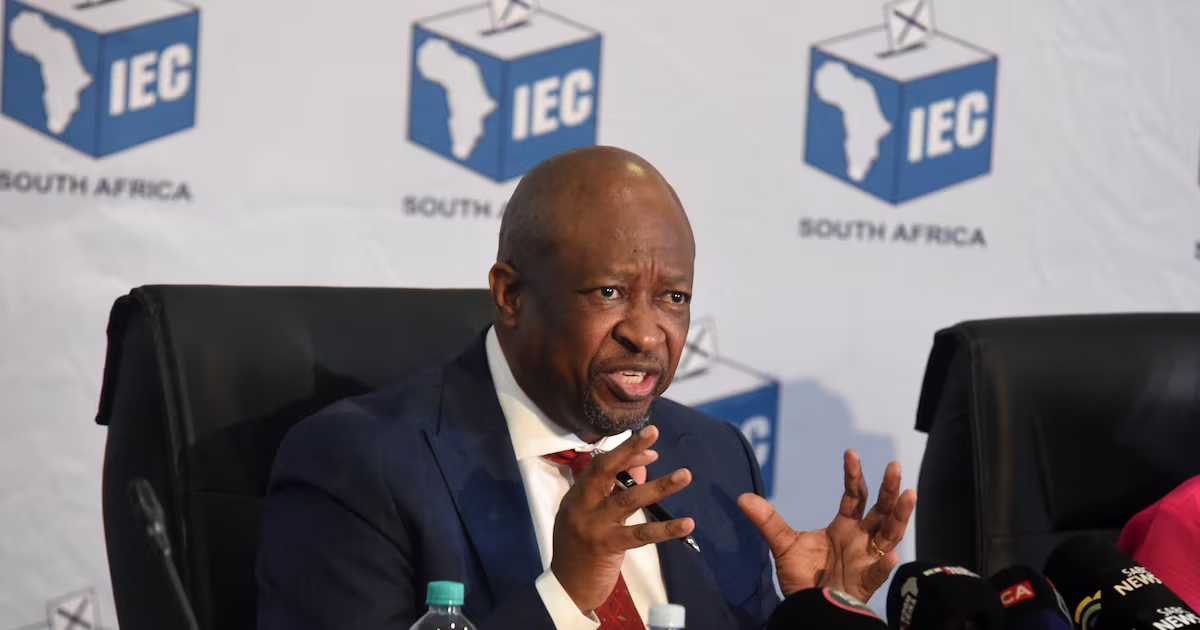
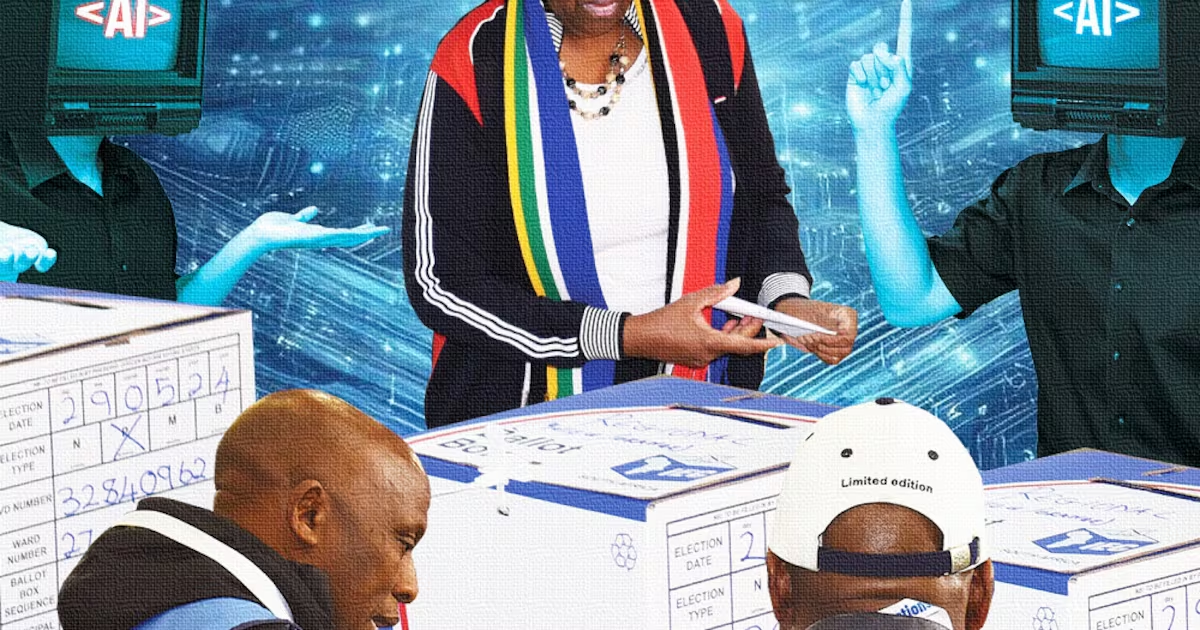
The Electoral Commission of South Africa (IEC) is seeking to reshape digital campaign rules before the November 4 local government elections that would require political parties and candidates to label AI-generated campaign material, correct false election claims and take greater responsibility for misinformation circulating on their own online platforms.The draft regulations, published on June 30, expand the electoral code by setting out detailed standards for digital campaigning as election authorities worldwide grapple with the growing use of deepfakes, synthetic media and co-ordinated online disinformation. The proposals build on existing provisions of the Local Government Municipal Electoral Act, which already prohibits the intentional publication of false election-related information aimed at disrupting elections or influencing their outcome. The proposals come before what is expected to be South Africa’s most competitive local government election since the end of apartheid. The IEC has projected more than 100,000 candidates could contest more than 4,400 wards, exceeding the about 95,000 candidates who stood in the 2021 municipal polls and presenting new challenges for policing campaign conduct online and offline. “The electoral code of conduct on countering disinformation seeks to establish clear principles and standards that encourage responsible conduct by all electoral participants and stakeholders,” the IEC said.“It promotes ethical communication, transparency and accountability while reinforcing the constitutional rights to freedom of expression, political participation and access to information. “The commission emphasises that countering disinformation is a shared responsibility. The success of South Africa’s democracy depends on the active participation of citizens and stakeholders in protecting the integrity of electoral information and promoting informed public debate,” it said.Read: Local government elections will be marked by disillusionment, IEC saysThe draft code would require political parties and candidates to ensure information distributed by or on their behalf is verified before publication, publicly retract and correct false or misleading information they have disseminated and promote compliance among office-bearers, representatives, members and supporters. Parties would also be expected to take reasonable steps to monitor content on platforms under their control and rapidly correct disinformation.The draft introduces explicit requirements for AI-generated election material. It says synthetic content, including AI-generated images, audio and video, should be clearly labelled before distribution to avoid misleading voters. It further discourages the use of deepfakes, fake social media accounts, automated bots, deceptive manipulation of political discourse and the use of falsified or stolen material during election campaigns.Political parties would also be required to report suspected online disinformation to the commission’s online complaints mechanism within 72 hours of becoming aware of it and ensure online political advertising is clearly identified as originating from a political party or candidate. The code also calls on parties to strengthen digital security to protect personal and confidential information.