Huawei outlined a new scaling principle for semiconductor design, which it claims can boost performance and hardware density beyond the limits of Moore’s Law.
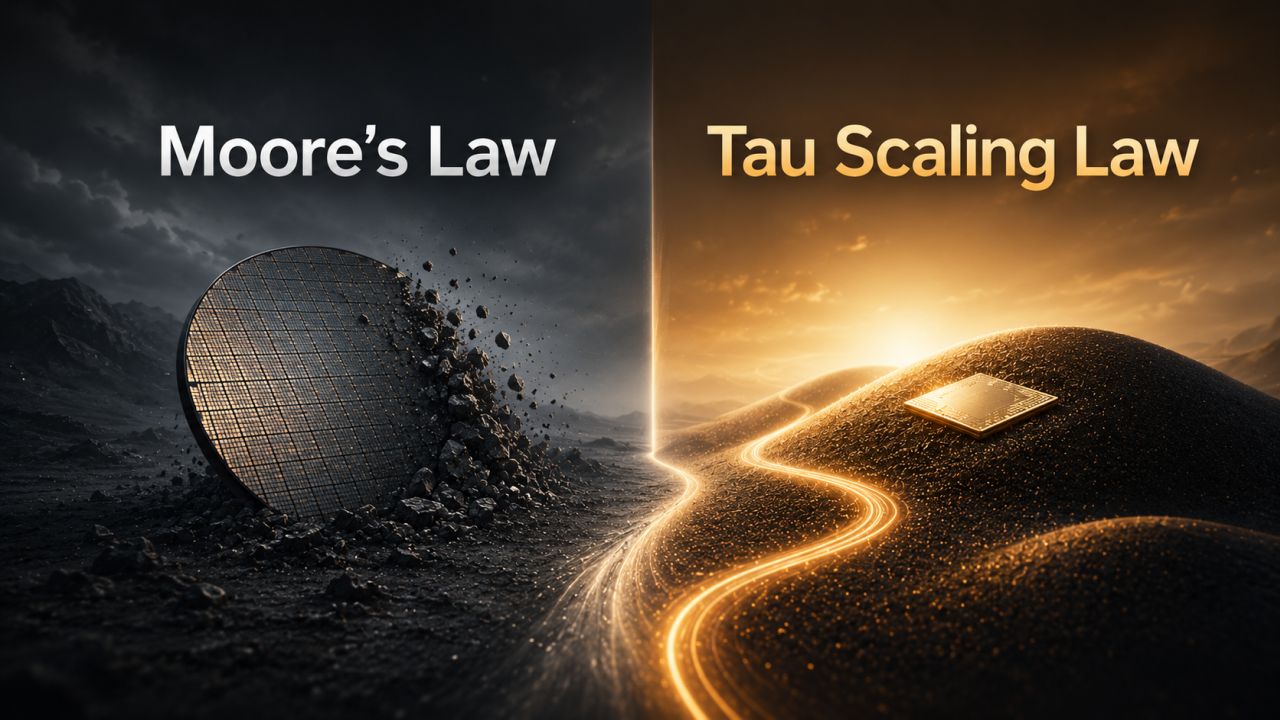
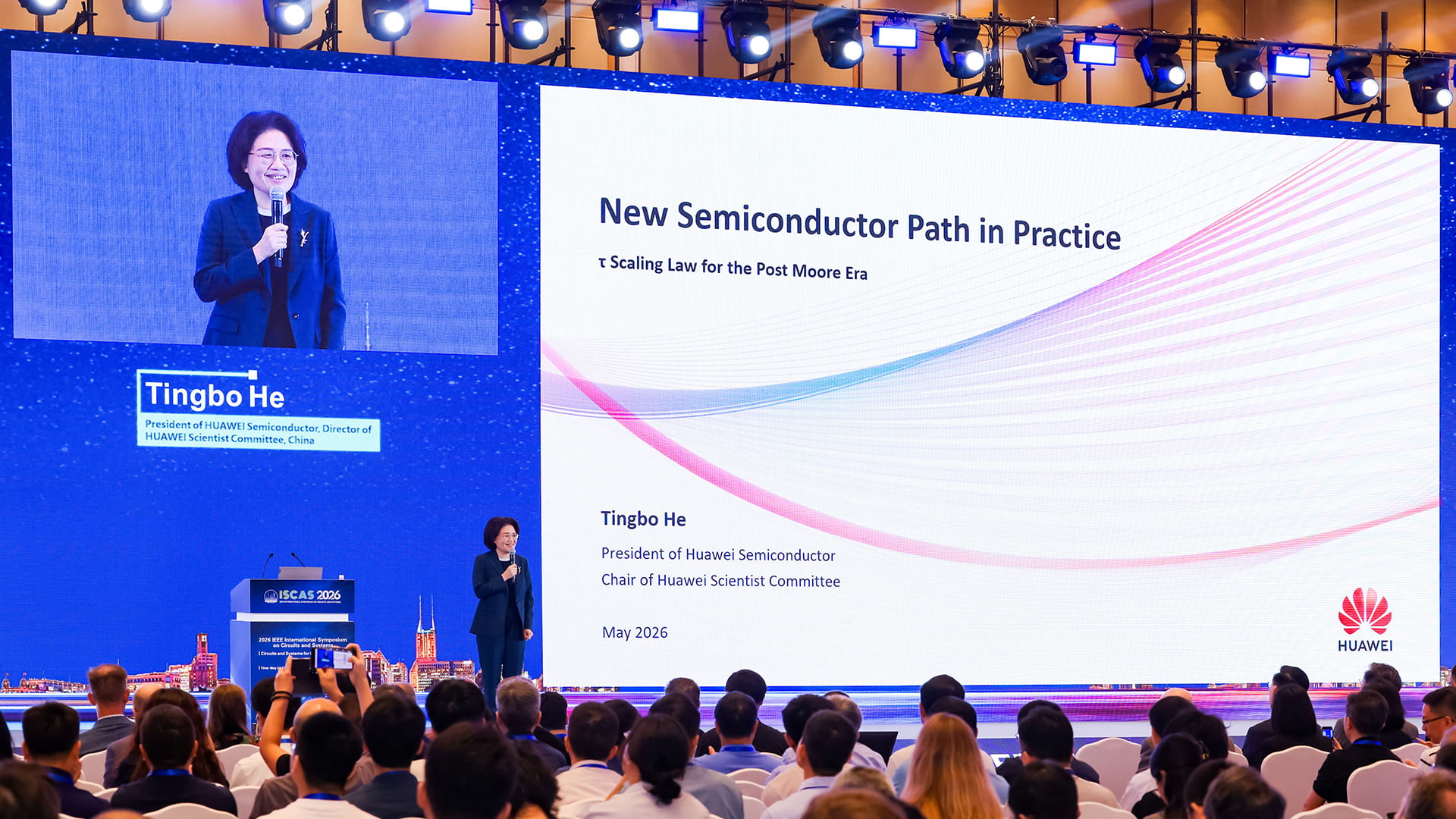
The Tau (τ) Scaling Law – also referred to as “Her’s Law” in recognition of He Tingbo (pronounced "Her Tingbo"), chair of Huawei’s Scientist Committee and president of its Semiconductor Business – argues that emphasis on transistor shrinking in logic development should be usurped by time scaling.
Where the longstanding Moore’s Law propagates the idea that generational hardware leaps come from gradual physical shrinking of transistors on a chip, Huawei’s idea instead contends that chip development can be improved by reducing propagation delays in chip signals – like by shortening wiring paths to allow for higher performance.
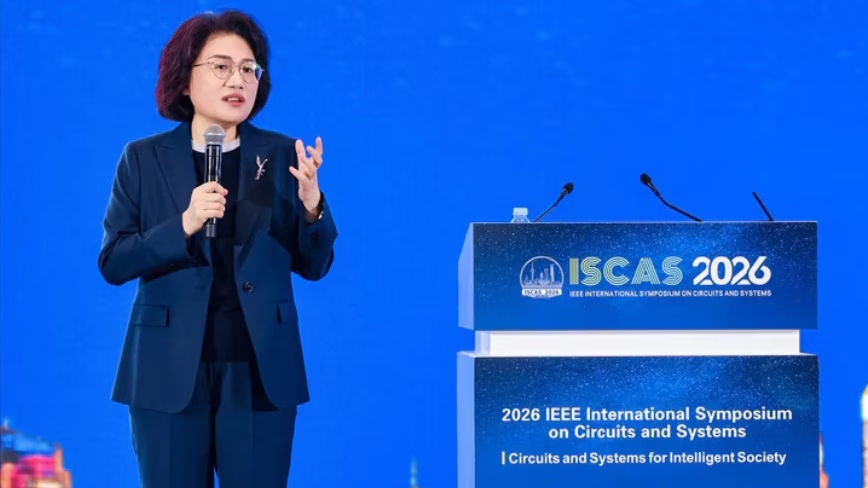
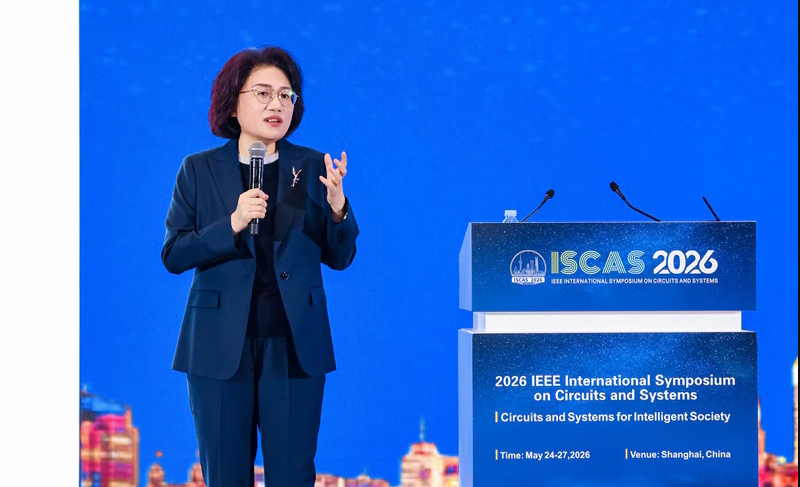
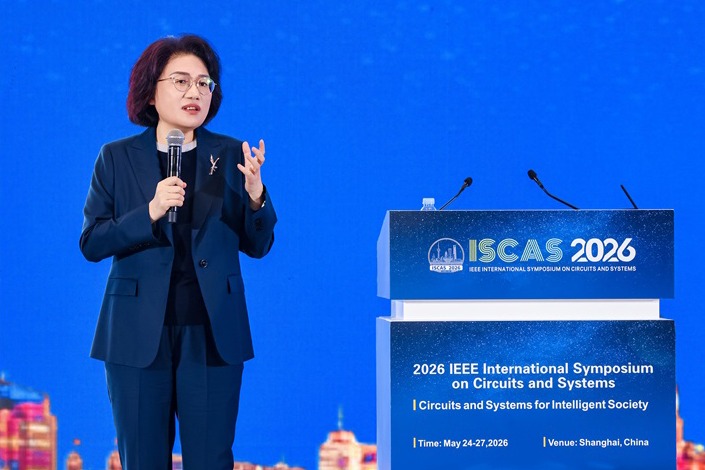
“Geometric scaling itself has always delivered time-domain gains, faster transistors, shorter response time, higher chip frequencies,” He said in a speech at the 2026 IEEE International Symposium on Circuits and Systems (ISCAS). “This means space and time are two sides of the same coin. Losing geometric scaling does not mean losing time scaling. Time scaling is the ultimate goal that system evolution has been pursuing, continuously raising operating frequency for higher performance.”