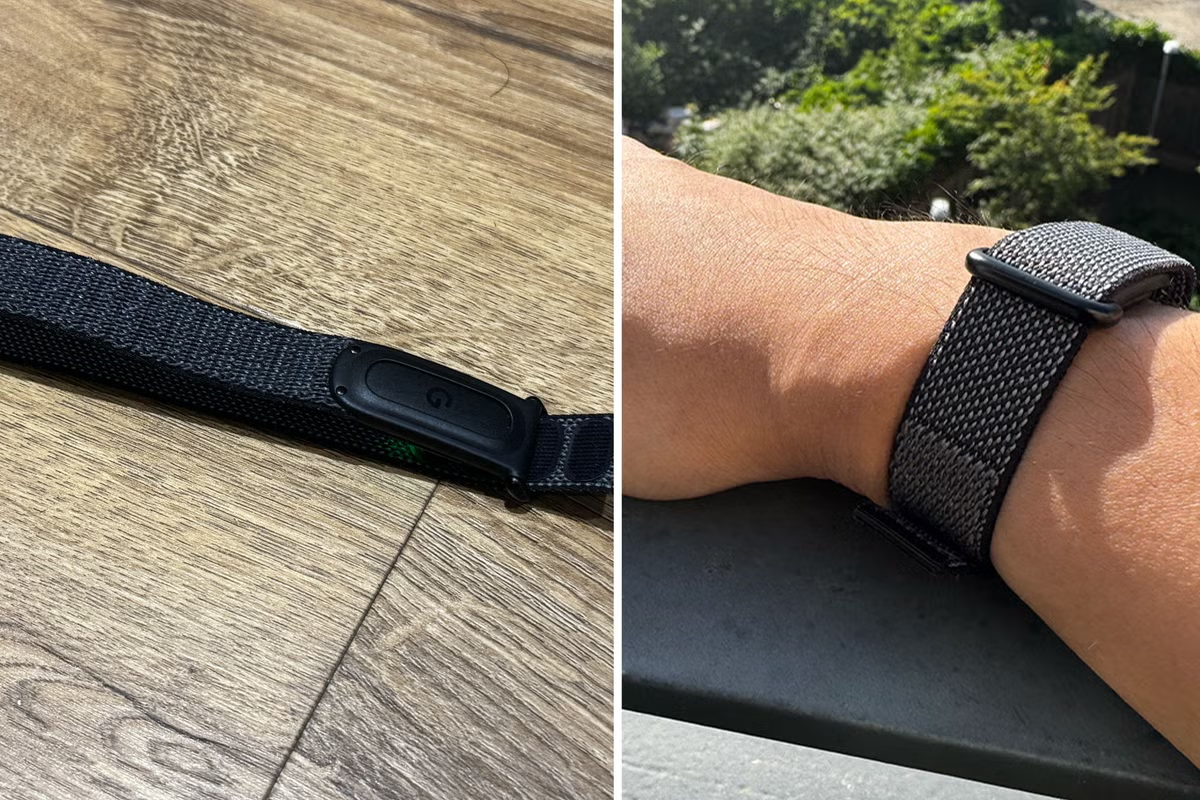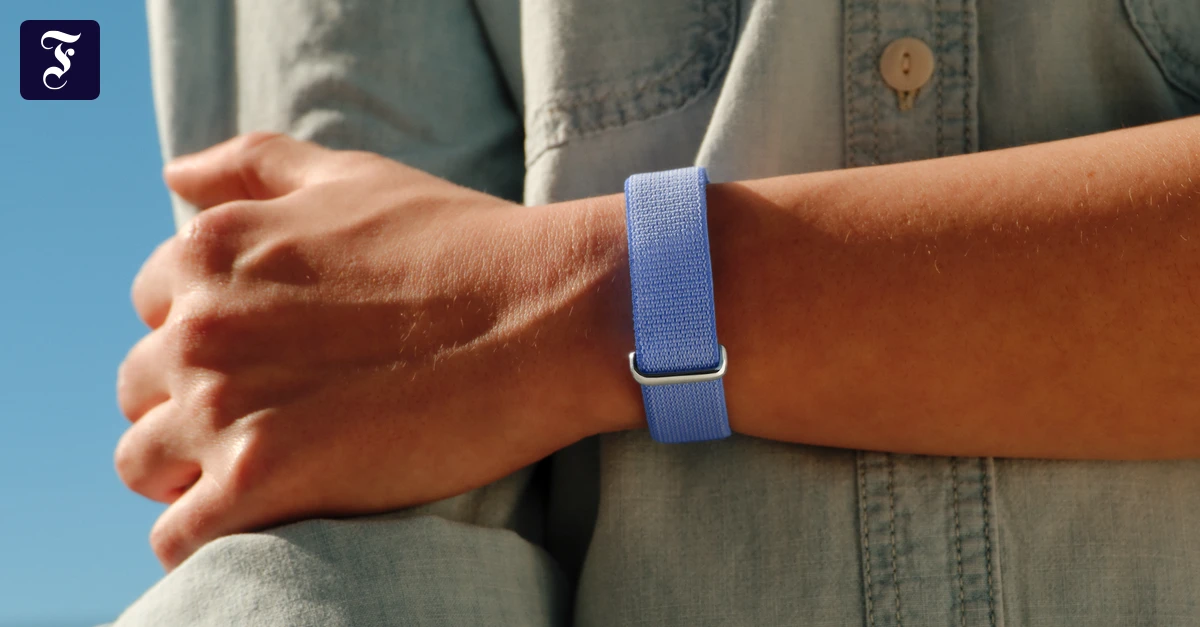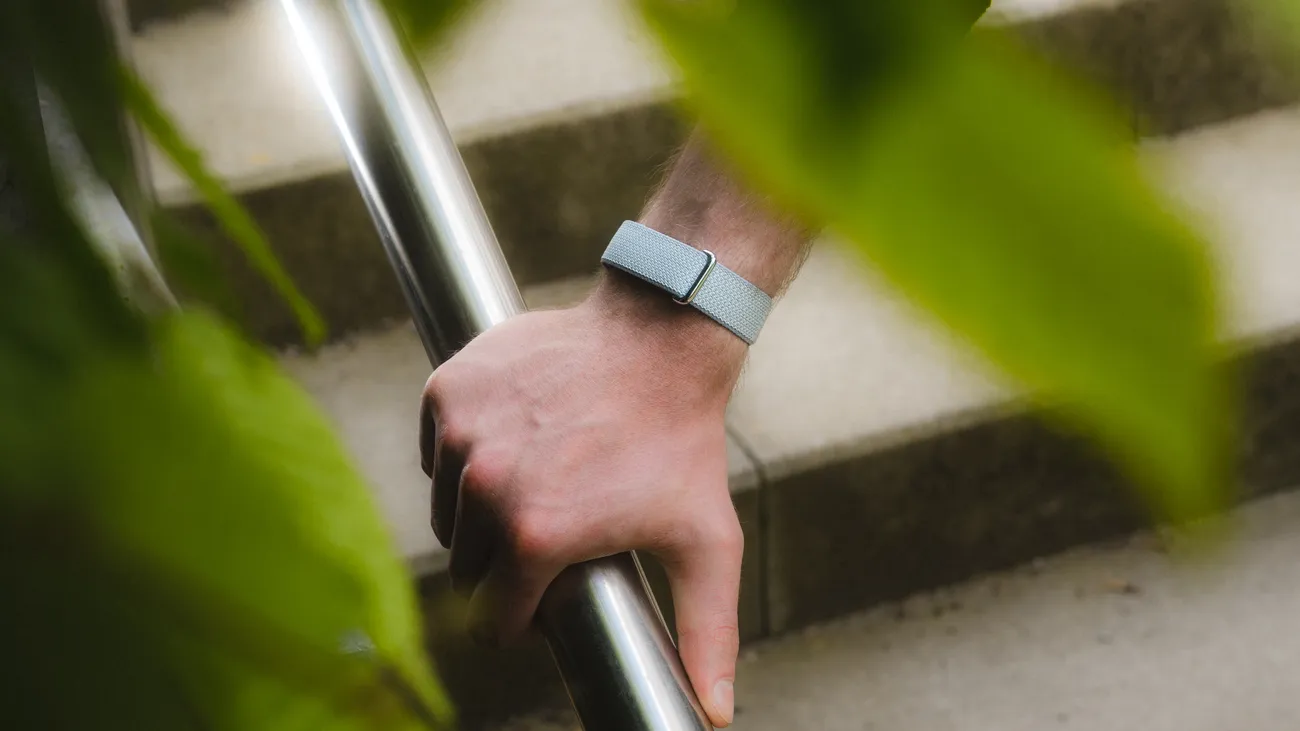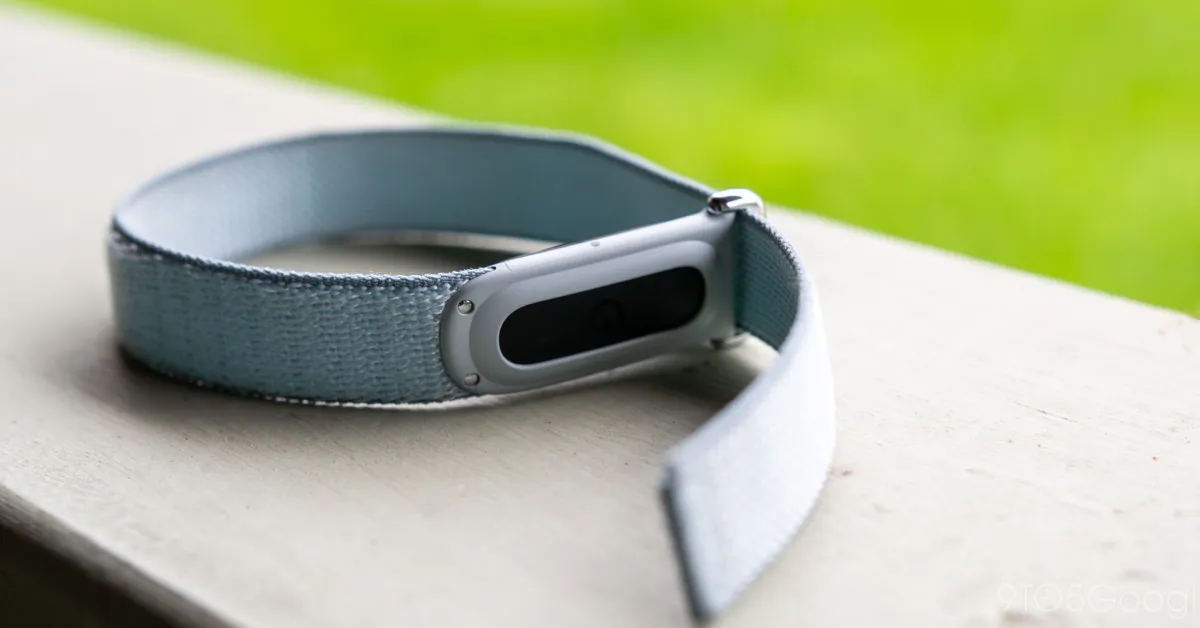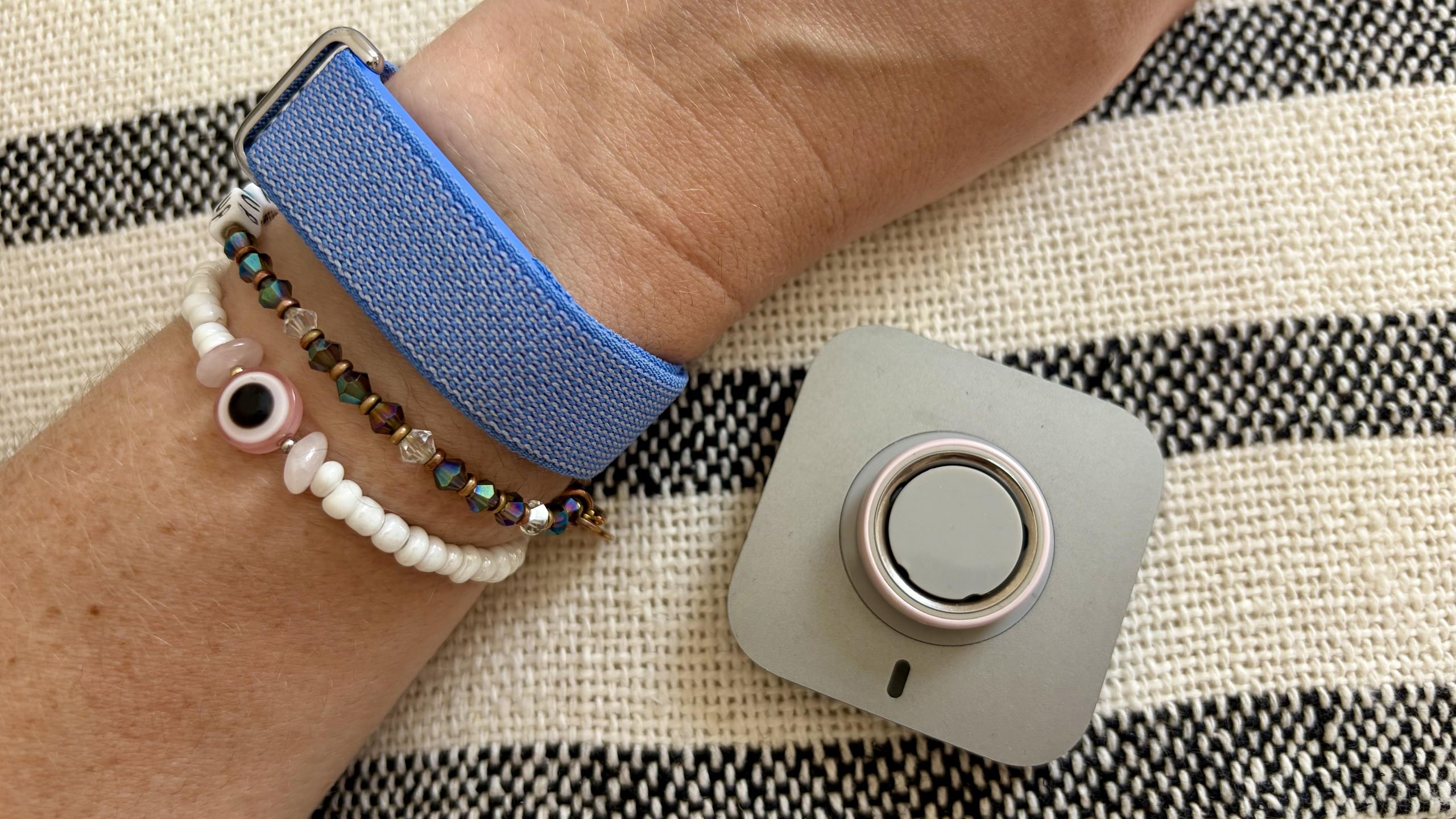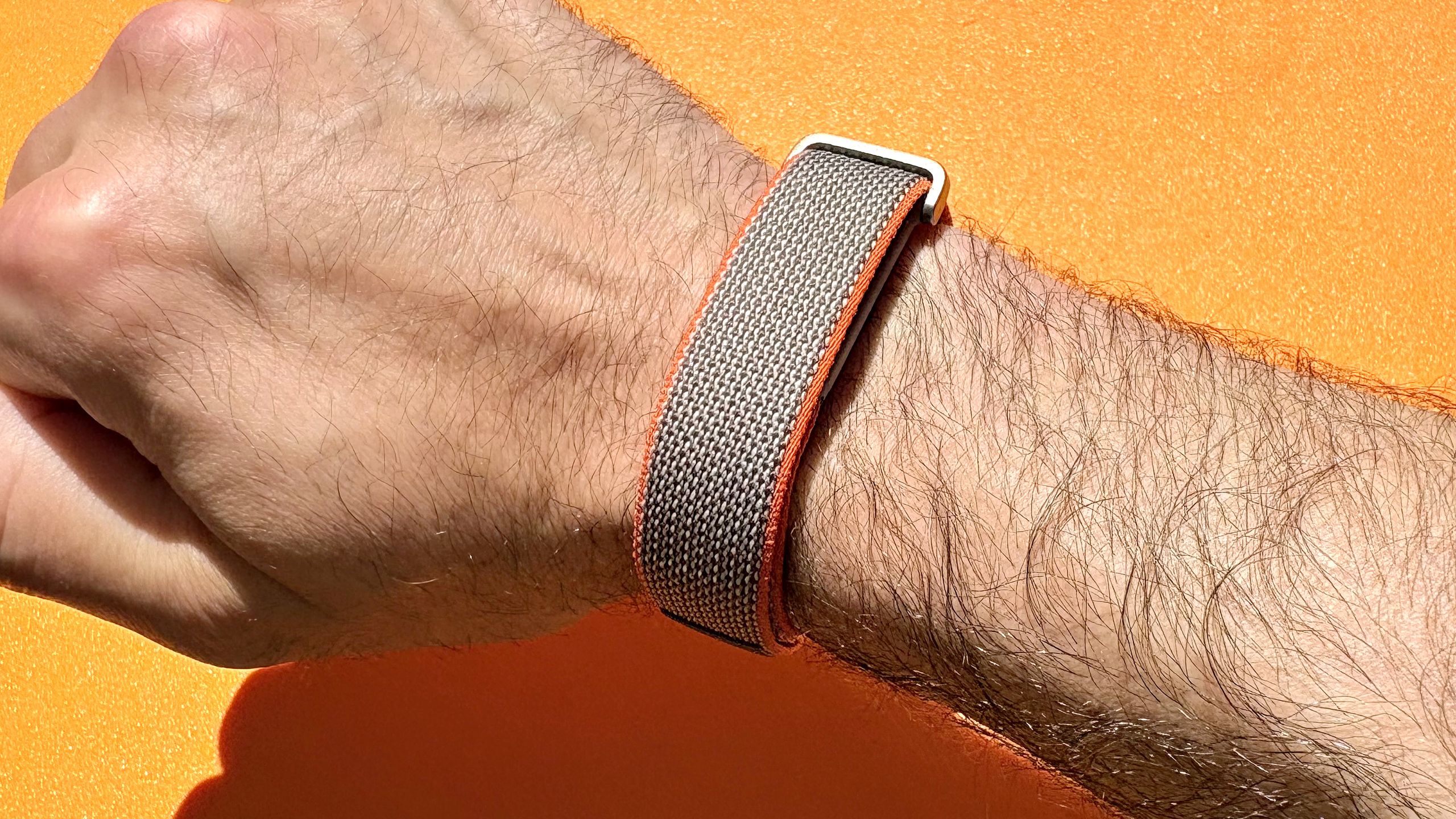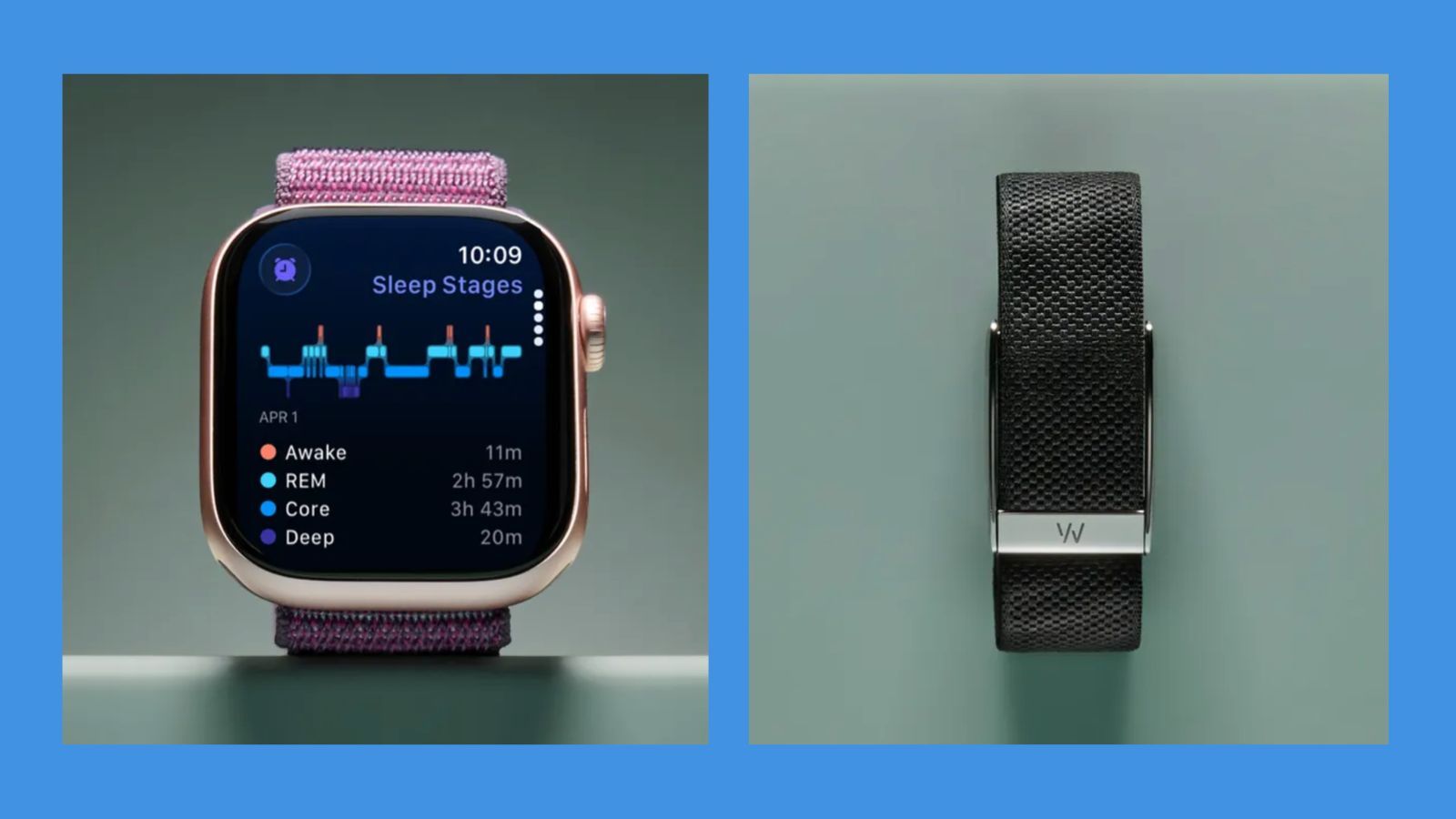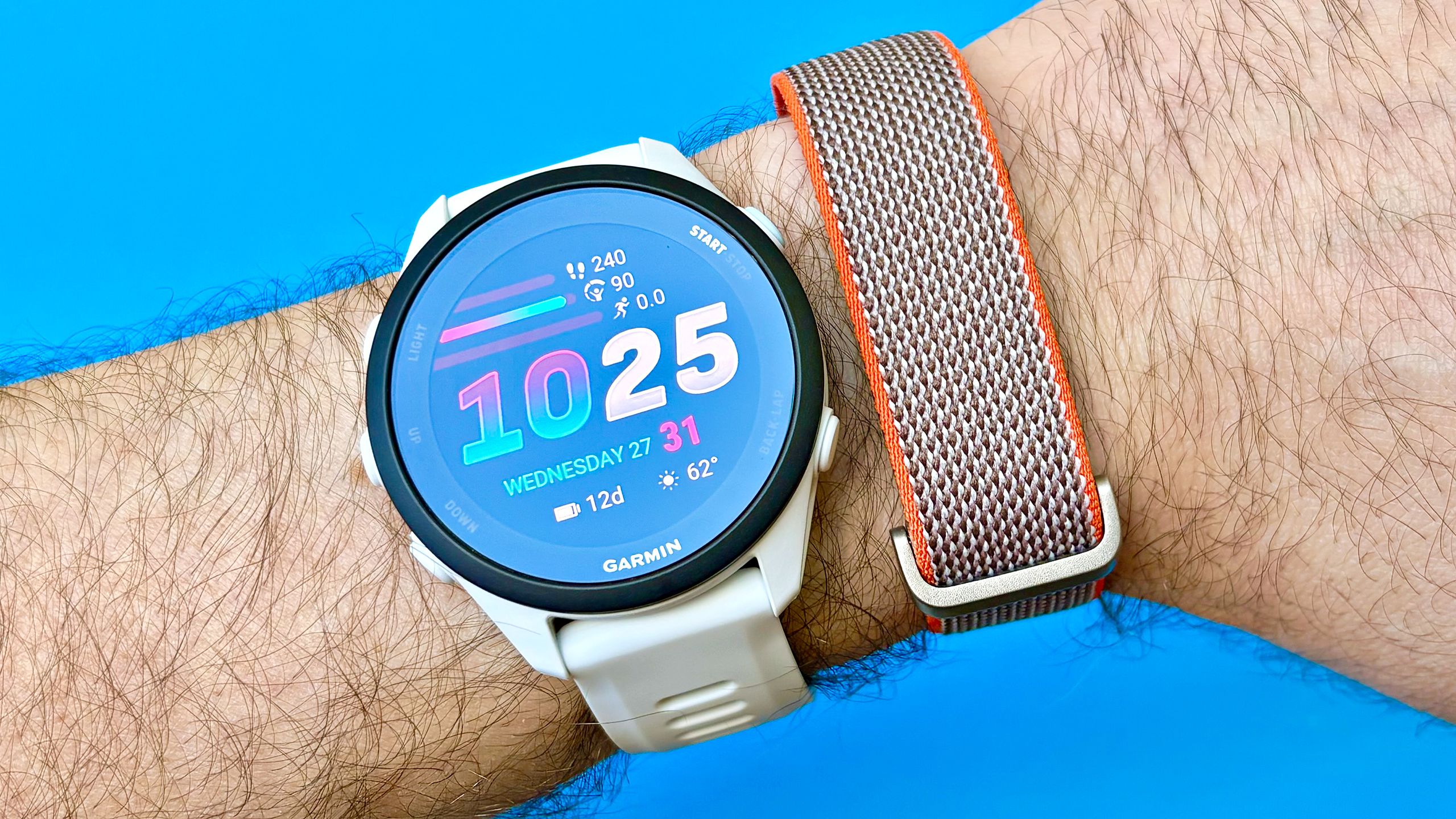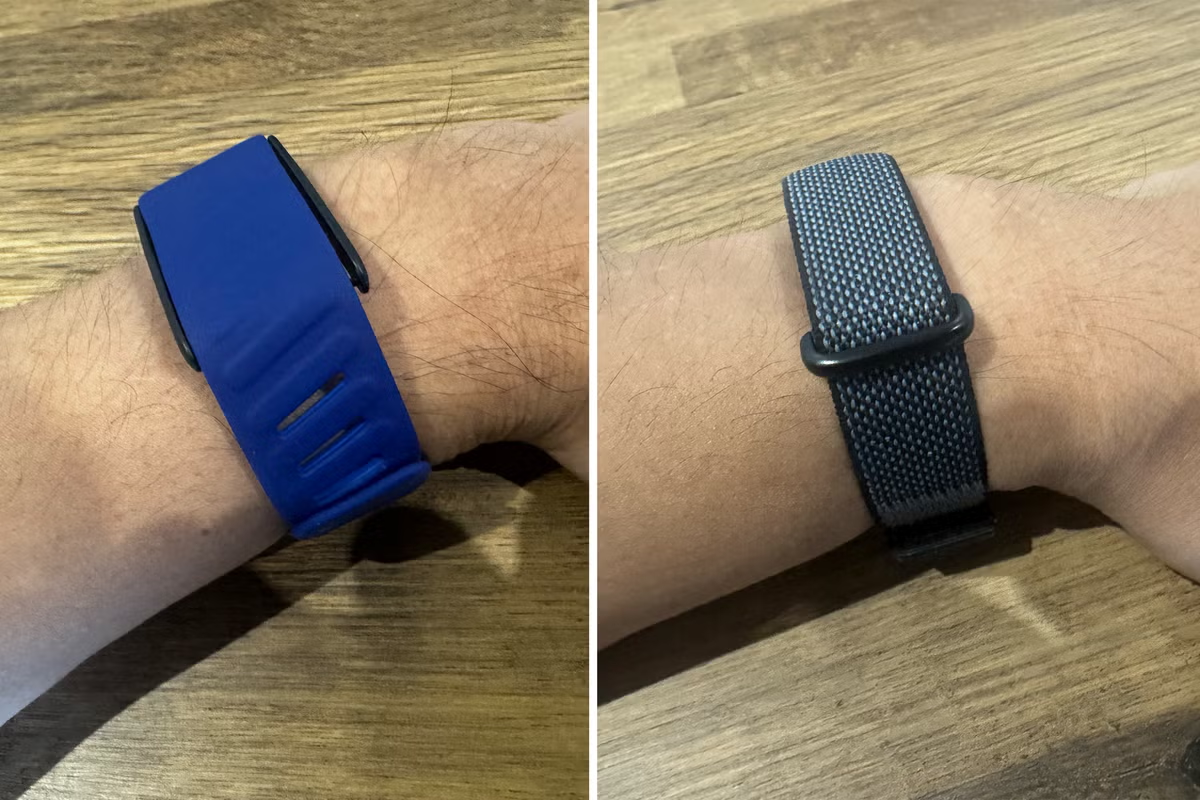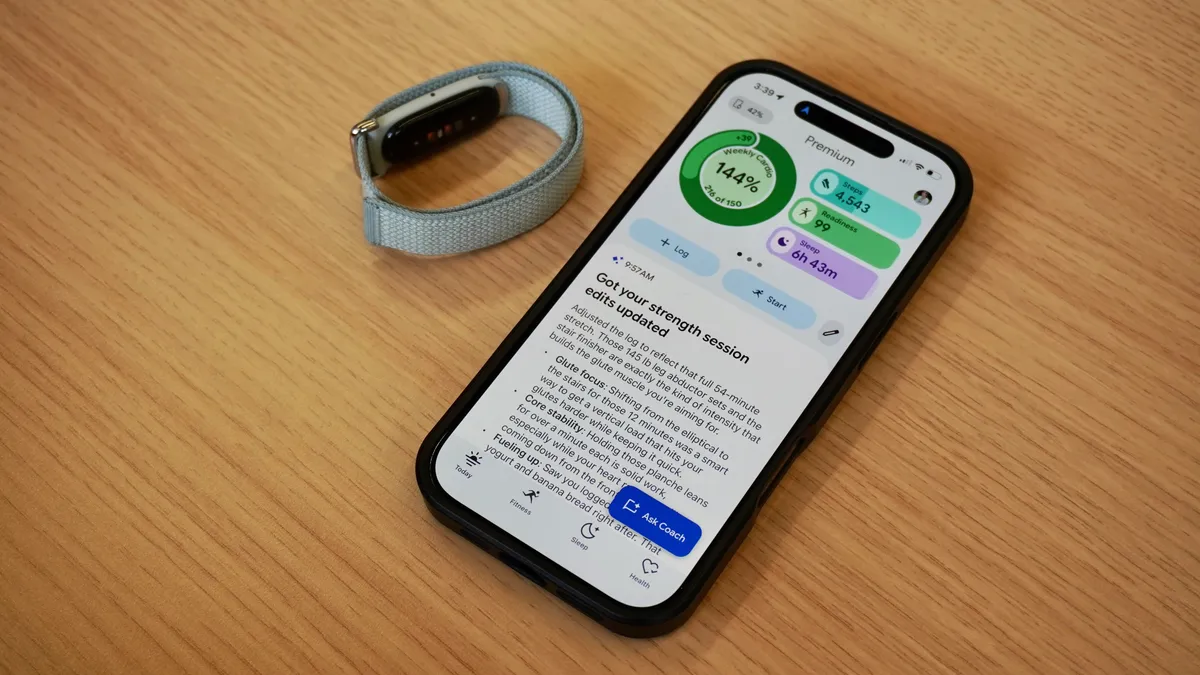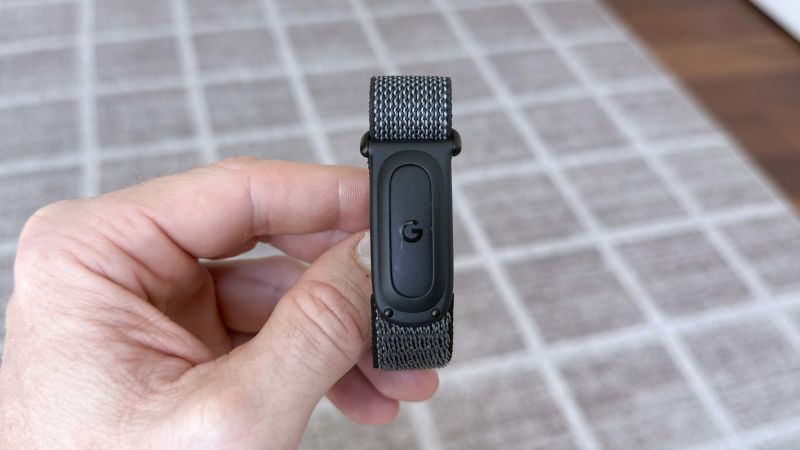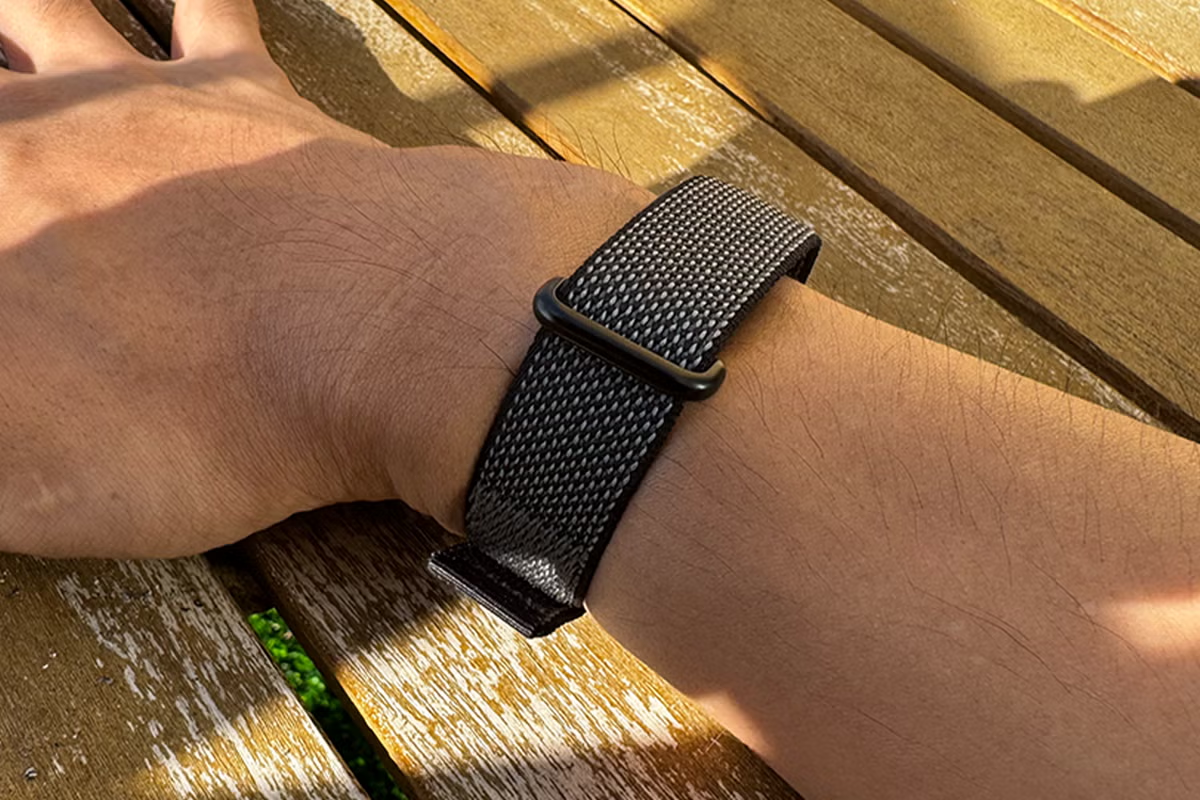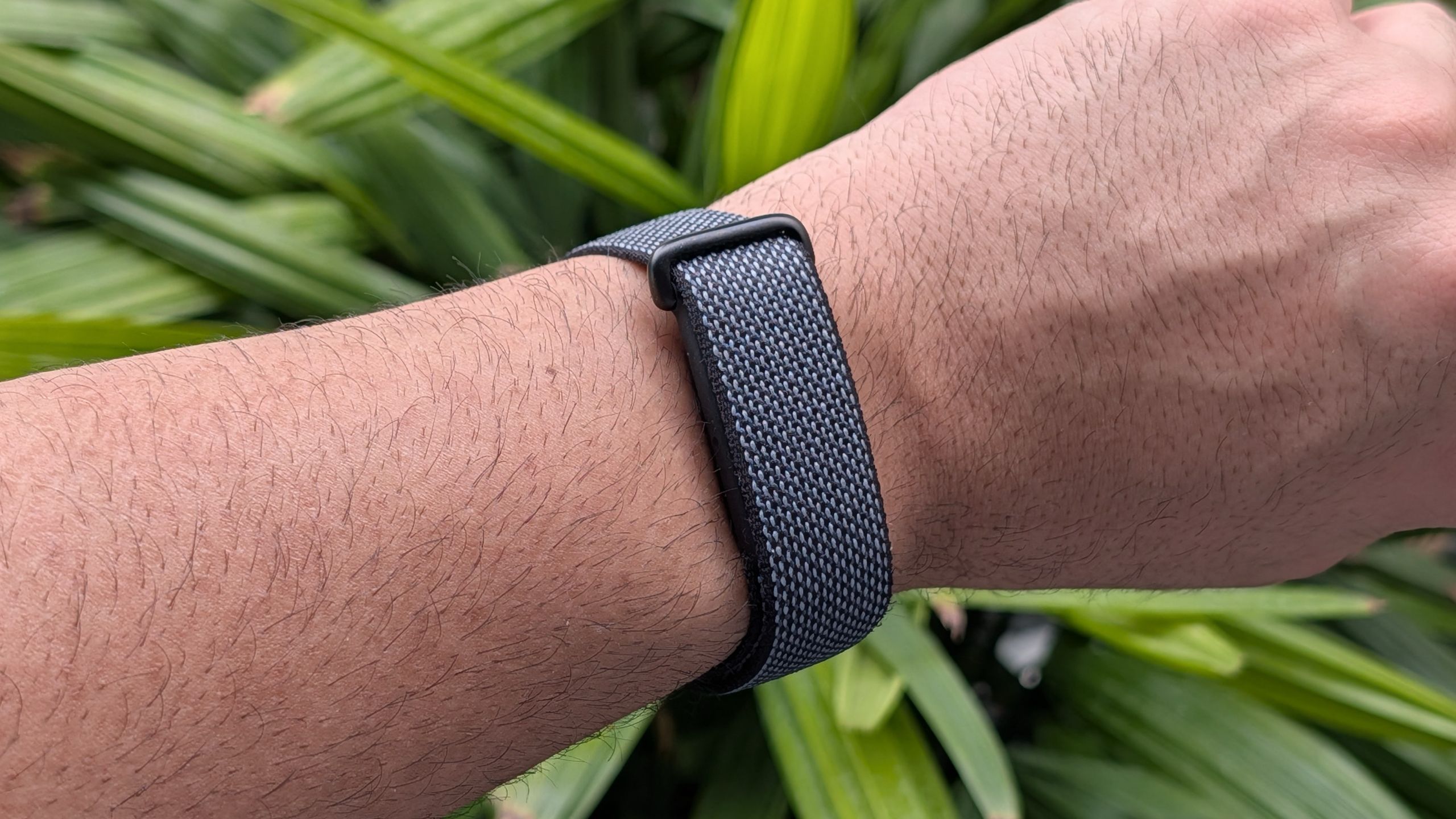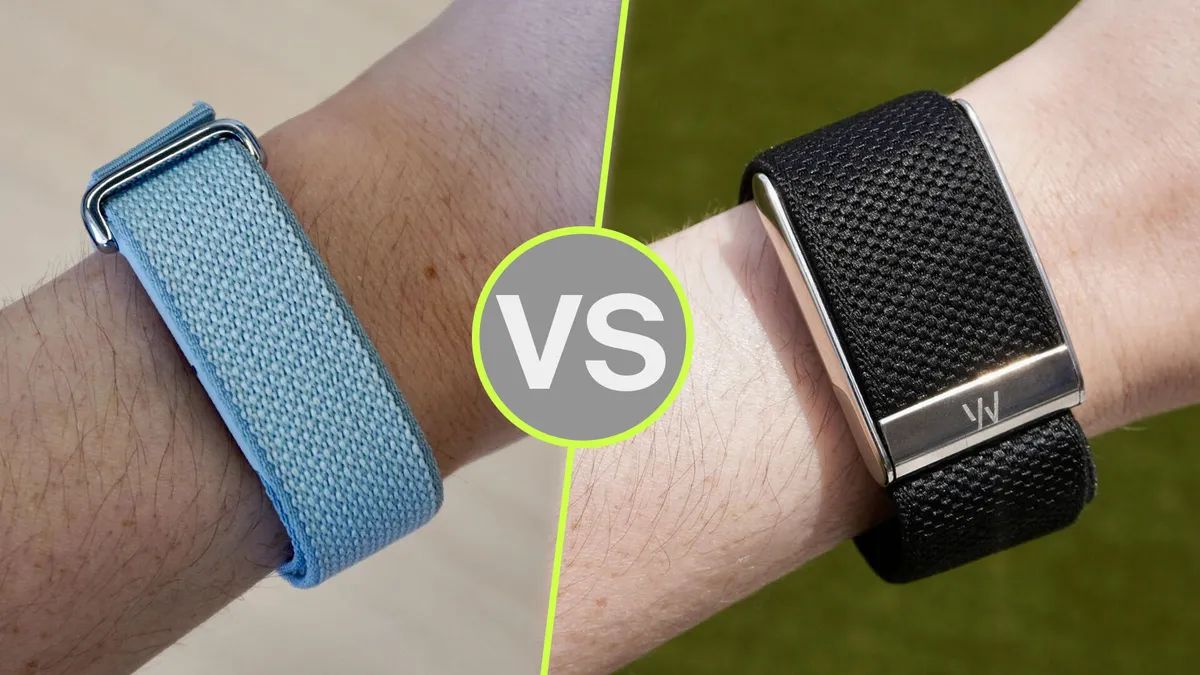
Nina Raemont/ZDNETFollow ZDNET: Add us as a preferred source on Google.Fitness bands are making a resurgence, and Google wants in on the party. Recently, I got a chance to review the latest Fitbit Air.The $100 fitness band takes aim at popular offerings like the Whoop as an inexpensive alternative to premium health trackers (annual subscriptions start at $200, rising to $360). While Whoop caters to a serious athletic audience, the Fitbit Air goes more mainstream, designed for regular users at a more approachable price point (and no subscription required). Also: I wore Google's Fitbit Air to track my health for a week, and it's a serious Whoop rival for less moneyThe devices are similar. They ditch the screen for a band form factor and utilize apps as the center of the health-tracking experience. They both track activity, sleep, recovery, and stress, and, of course, they have complex AI assistants (though Google's AI Health Coach is available only with its premium membership tier). So which should you buy? That depends on how much you're willing to spend and what you want. While I haven't tried the Fitbit Air out yet, I've compared the specs of both devices and considered their product offerings to break down the pros and cons. At a glanceWhoop 5.0/MGFitbit AirWeight27 grams 12 grams Battery life14 days7 days Dimensions34.7 mm x 24 mm x 10.6 mm34.9 mm x 17 mm x 8.3 mmWater resistanceIP685 ATM SensorsPPG optical sensor, 3-axis accelerometer, skin temperature sensor, and ECG contact pads (specific to Whoop MG only)Optical heart rate monitor, 3-axis accelerometer and gyroscope, red and infrared sensors for Sp02, temperature sensor, vibration motor Subscription required?YesNo, but Google Health Premium subscription costs $100 annually or $10 per month. Your first three months of Google Health Premium are free with a purchase of Fitbit Air. ColorsBlack standard band Fog, Obsidian, Lavender, and Berry PriceAnnual subscriptions for $199, $239, or $359$100 You should buy the Whoop band if... Nina Raemont/ZDNET 1. You want a longer battery life Whoop's battery lasts 14 days, whereas the Fitbit Air lasts only seven. The higher-end device will last you twice as long as the Fitbit Air, so you won't have to charge it as frequently. 2. You want more extensive data on demand Google's Fitbit Air offers a similar health-tracking experience to other Google products, such as the Pixel Watch. The app provides insights into your sleep, steps, and readiness. With Google Health Premium, you can use the AI Health Coach to get more data visualization or compare several metrics at the same time, but you'll have to go one extra step and ask it to generate this. Also: Your Whoop app isn't just for fitness anymore - you can order blood tests through it nowWhoop, on the other hand, offers extensive data visualizations you don't have to generate or query an AI assistant for (Whoop offers its own AI assistant, and was one of the first health wearable companies to do so). The app maps your recovery and strain to show the relationship between your body's recovery from intense exertion. Another chart analyzes your sleep to determine whether you're getting enough or falling short. Whoop's Health Monitor keeps an eye on your key biometrics to detect variations in heart rate, heart rate variability, and body temperature, and alerts you of potential strain or illness. 3. You want more out of your health trackerThere are other small, premium details packed into Whoop that you may not get from Google's Fitbit Air. For example, Whoop can detect when you've traveled to another time zone, provide jet lag guidance for sleep timing, light exposure, caffeine, and hydration. It's focused more on personal optimization, and its offerings are marketed toward a more affluent, lifestyle-optimized audience. Also: I wore the Whoop 5.0 for a month - it combines the best of the Oura Ring and Apple WatchUnlike the Fitbit Air, which can only be worn around the wrist, Whoop also offers bicep bands and bras to track your health data across your body for more accurate data capture. You should buy the Fitbit Air if... Nina Raemont/ZDNET 1. You want a budget-friendly trackerThe Fitbit Air is designed for a more mainstream fitness audience -- not so much a premium, longevity- and biohacking-obsessed audience to which Whoop caters. It's also priced accordingly. Without the $100 annual Google Health subscription, the Fitbit Air costs $100. In contrast, annual Whoop subscriptions start at $200, with the highest "medical grade" tier at $360. Also: iFixit tears down 'the most repairable smartwatch' - and it's not from AppleNotably, unlike Whoop, Google doesn't force you into an annual subscription fee. You can take or leave Google Health Premium membership and still track the basics, like steps, recovery, sleep, and activity. 2. You don't want data overloadThose who haven't used a health tracker before may not need as extensive data capture, and all the charts comparing these biometrics could be more stressful than insightful. Google's Fitbit Air (and its other devices) is geared toward a more general, exercise enthusiast crowd that is less concerned with learning whether their biometrics put them ahead or behind their actual age (as is the case with Whoop's audience). The FitBit Air discreetly tracks the basics, like steps, weekly cardio, sleep, recovery, and stress -- leaving the peripheral data at the door. Also: I tracked 3,000 steps on my Apple Watch, Google Pixel, and Oura Ring - this one was most accurateWith a Premium membership, you can ask Google's Health Coach to generate more detailed data to visualize your recovery and strain, or your sleep needs, compared to logged time asleep. But the Fitbit Air emphasizes the basics, and that's more than enough for most people. 3. You want a lighter deviceThe Whoop weighs about 26 grams, while the Fitbit Air weighs only 12 grams. This makes the budget-friendly device significantly lighter and a little bit more comfortable to wear throughout the day. Writer's choiceAfter reviewing both fitness trackers, I really appreciate the Fitbit Air's emphasis on accessibility and accuracy. It's great to see fresh competition in a space that's mostly been dominated by the Whoop. Throughout my time as a wearables expert, I've noticed the growing popularity of screenless health trackers like bands and smart rings, but there are still very few viable fitness bands available. It's even better that the Fitbit Air comes with an optional Google Health Premium subscription, unlike the Whoop, whose subscription tiers are mandatory and expensive. I'd recommend the Fitbit Air as a great first fitness tracker. It's got everything you need to dive further into your health, sleep, and activity, but it intentionally avoids data overload. The Whoop is better suited for fitness-tracking and biohacking veterans who want a longer-lasting device with extensive data insights.
Fitbit Air vs. Whoop: I've worn both trackers for health and fitness, and this model wins
How does the new Fitbit Air stack up against the tried-and-true Whoop band? I've broken down the key differences.
1,127 words~5 min read