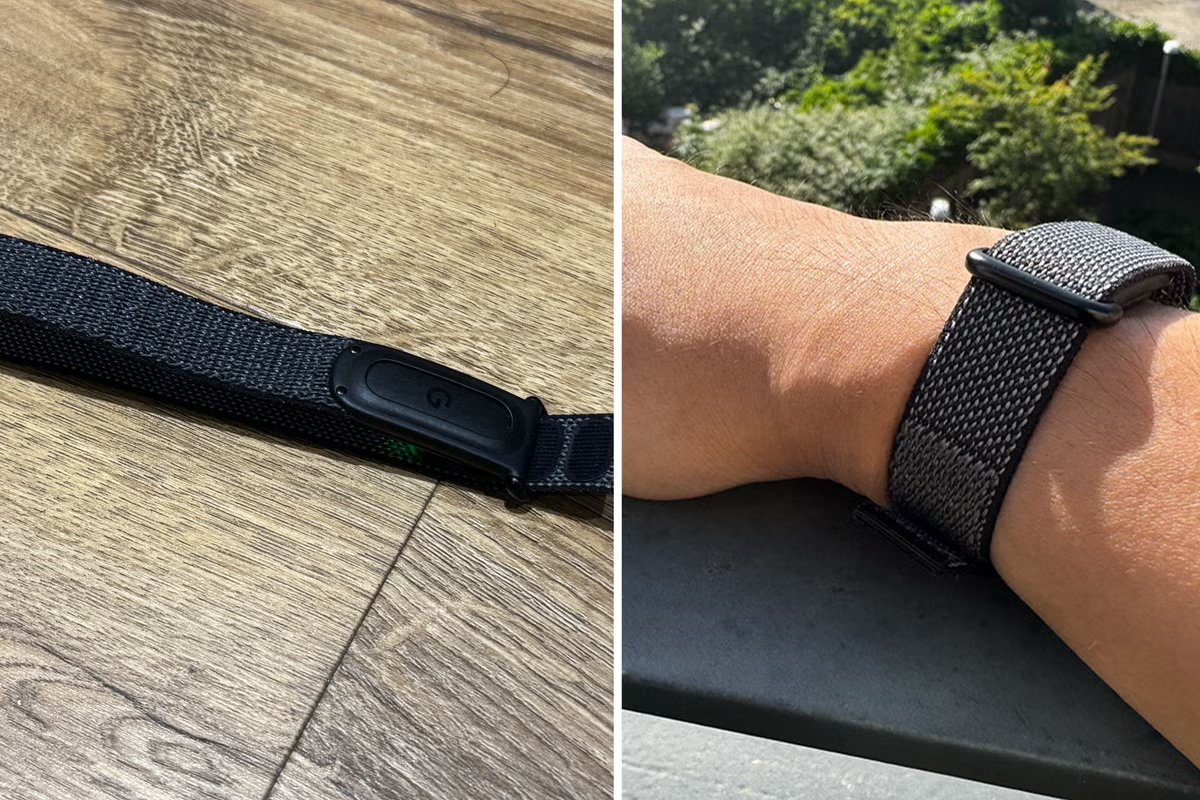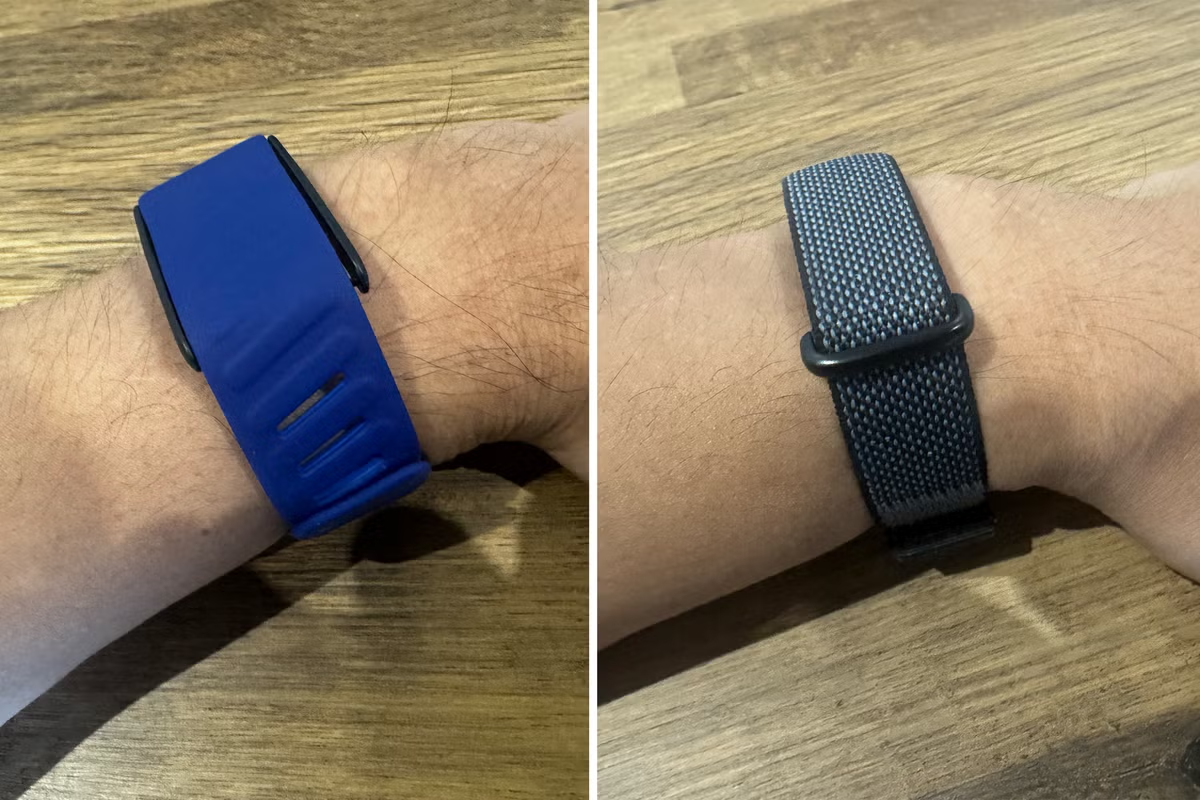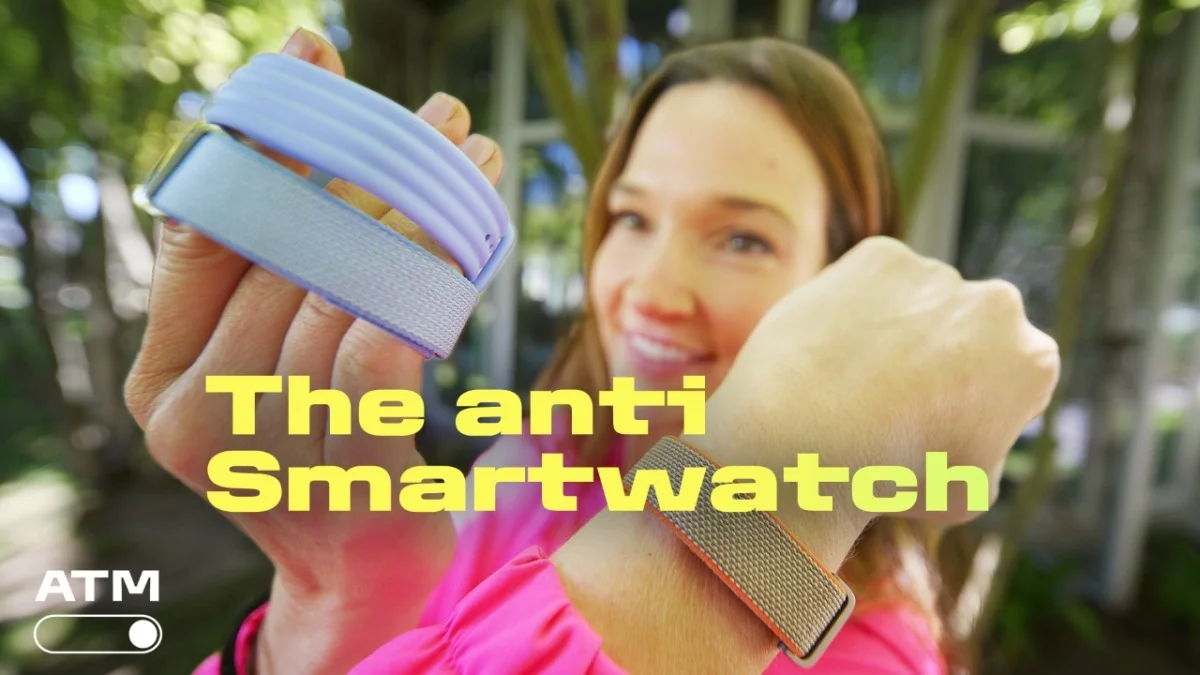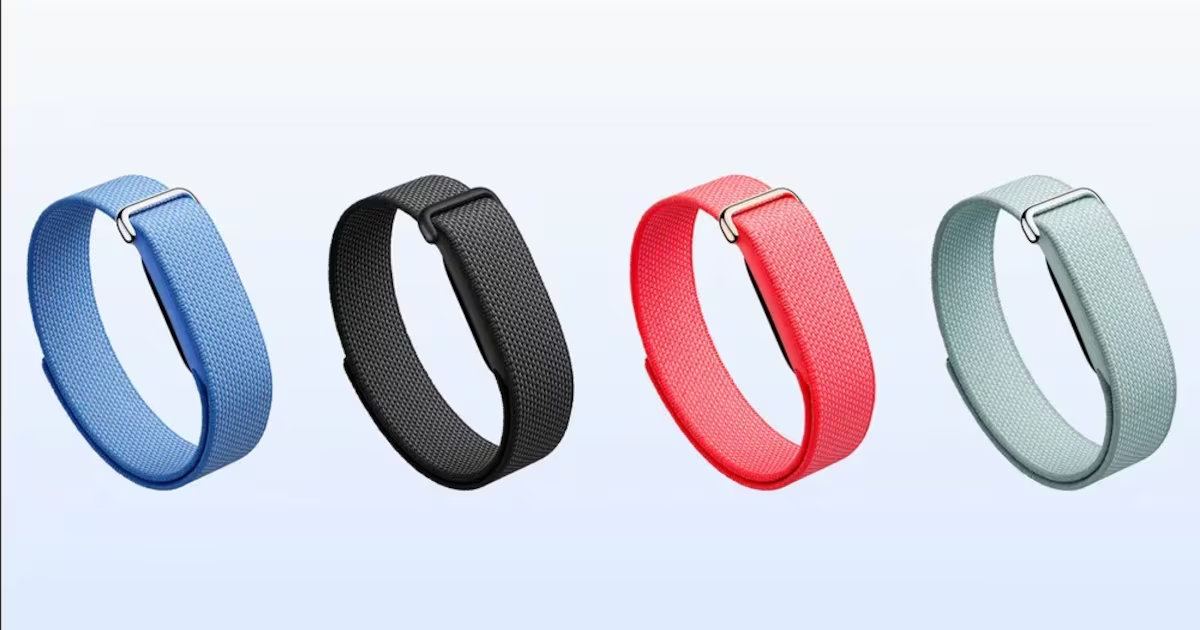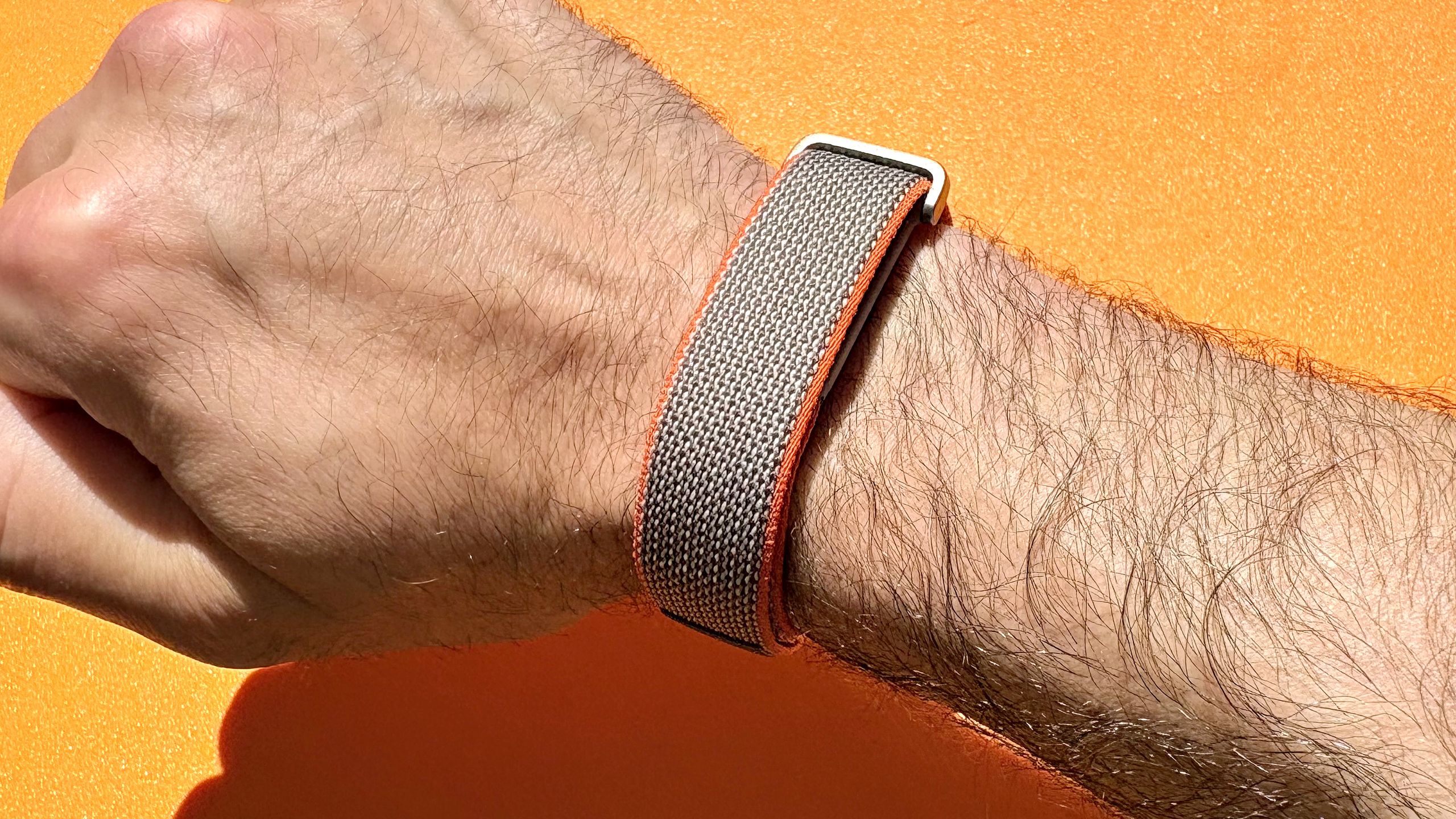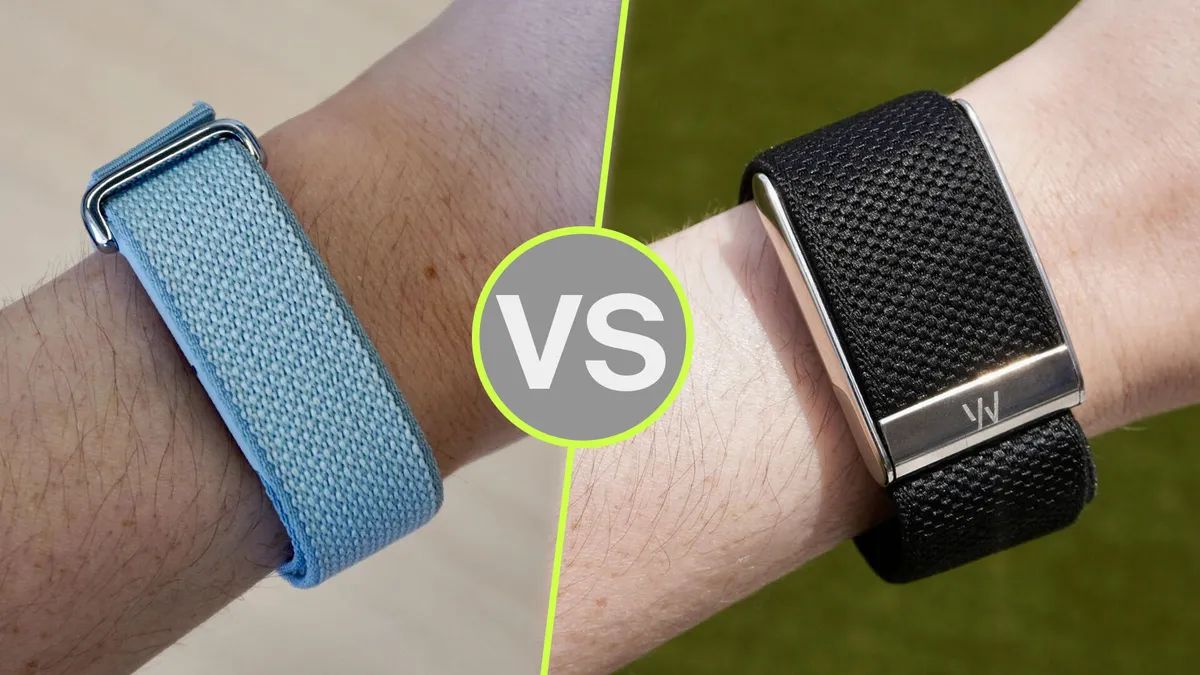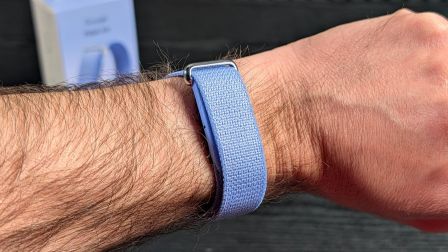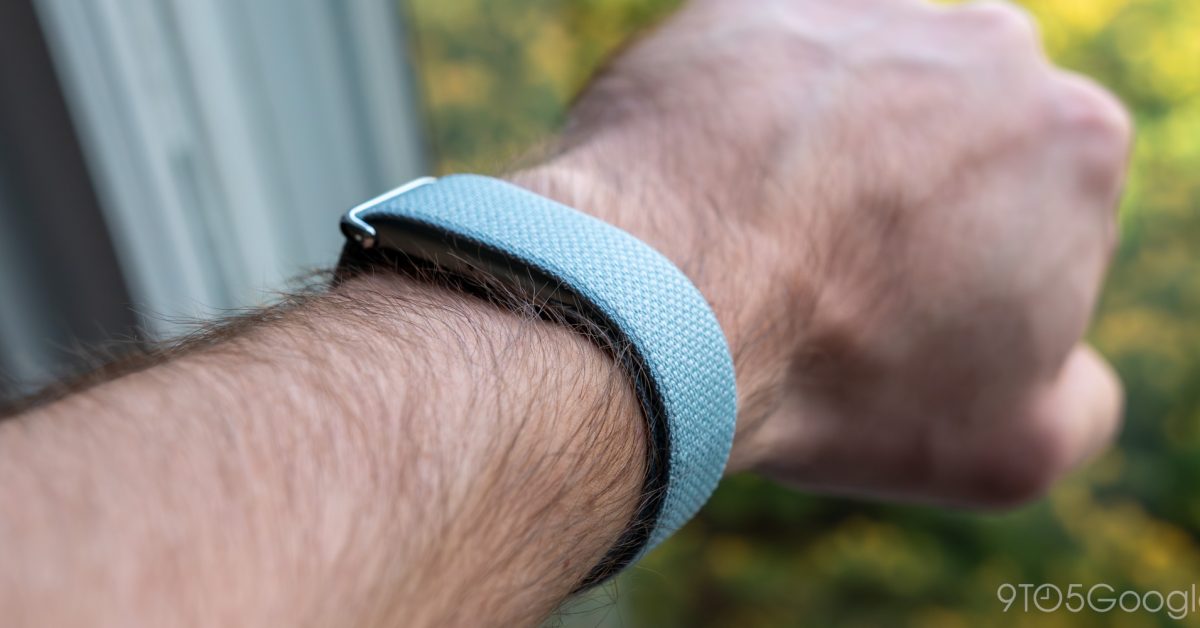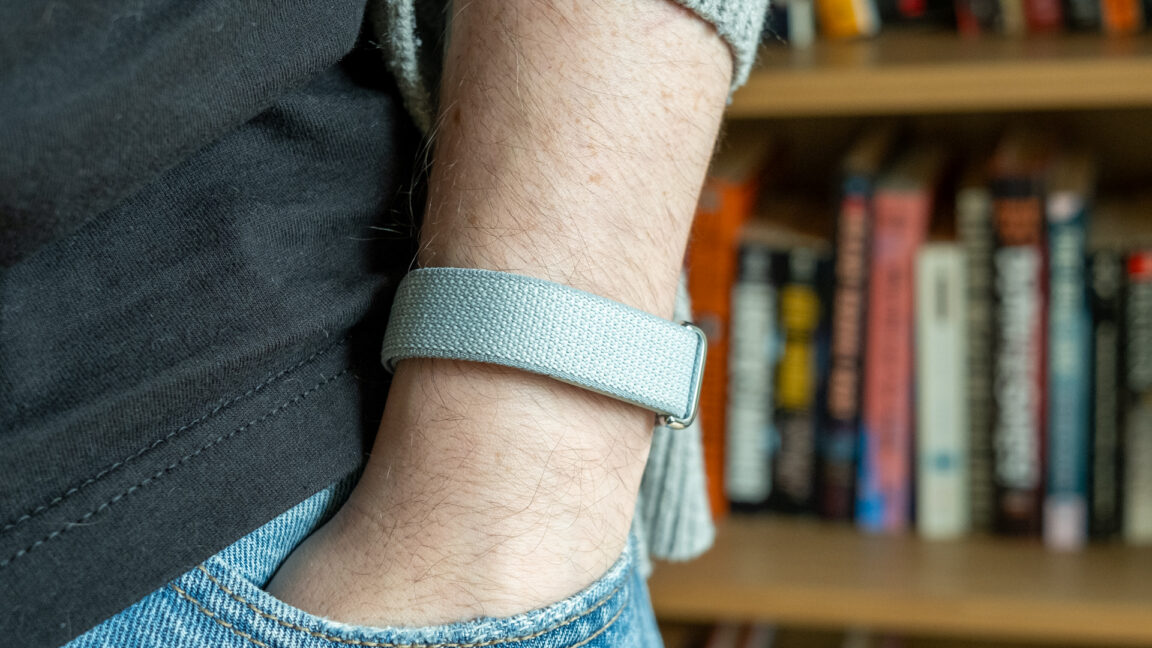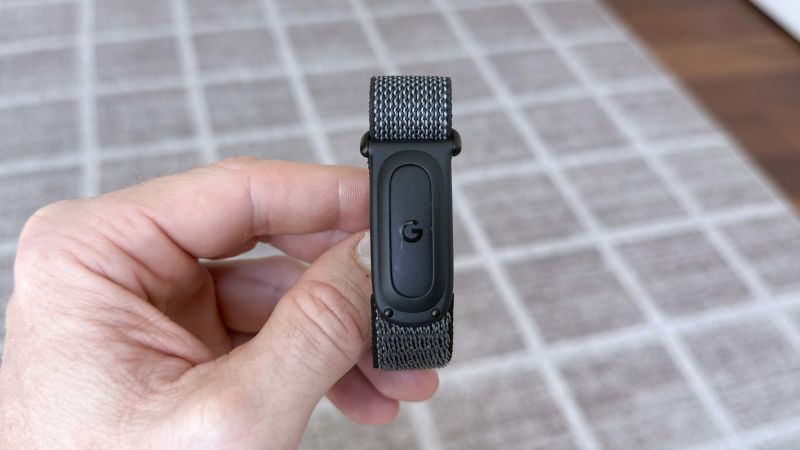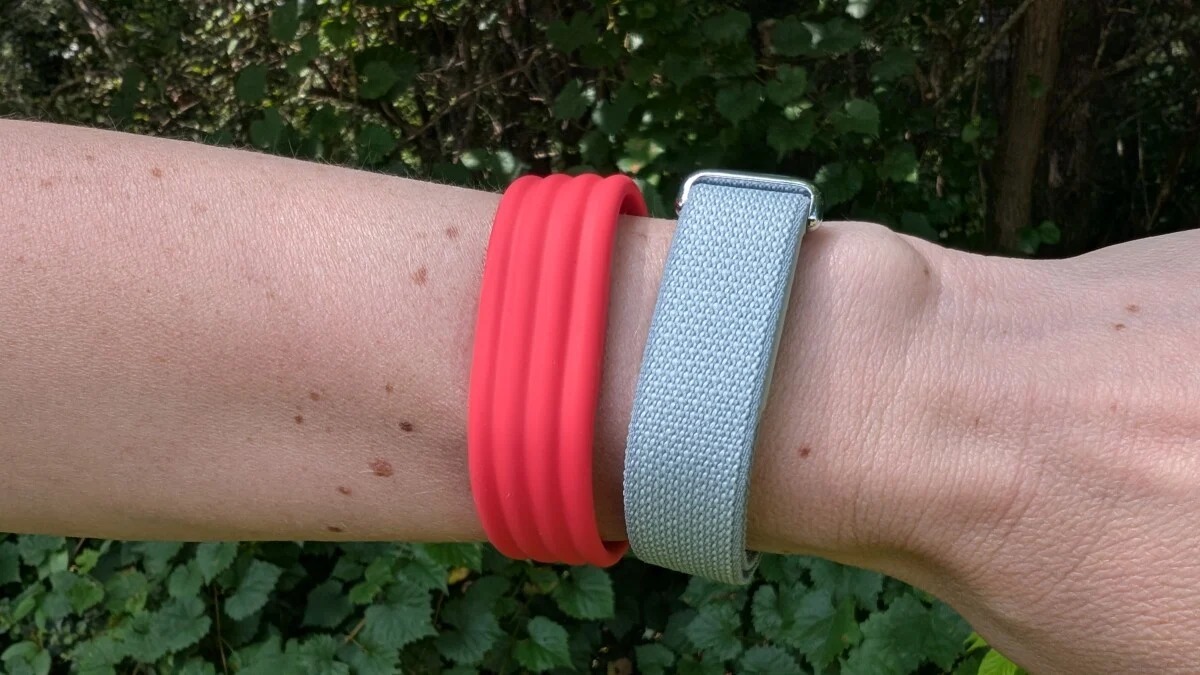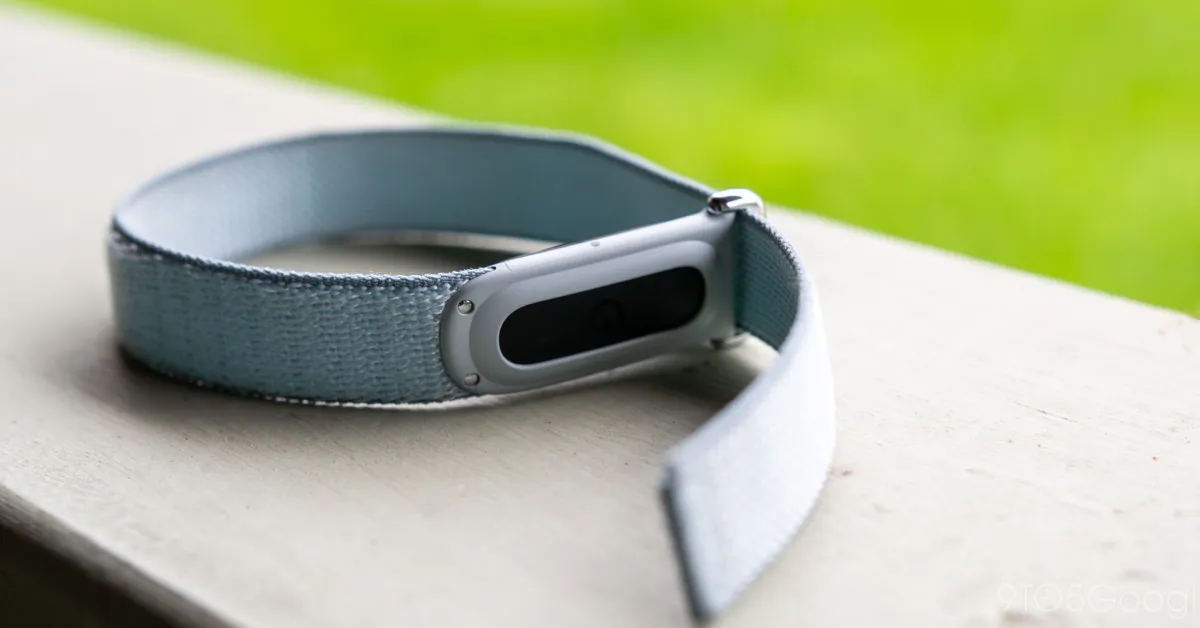
Google’s reputation would have you thinking it’s incapable of launching a quality first-gen product, but the Fitbit Air proves otherwise. Effectively billed as a Whoop competitor for the masses, the Air is a display-less fitness band that is capable of providing you with baseline health data for just $100. If you’re one of the many, many people feeling overwhelmed by the amount of screens in your life, disconnecting with a band as simple as the Air might be just what the doctor ordered.
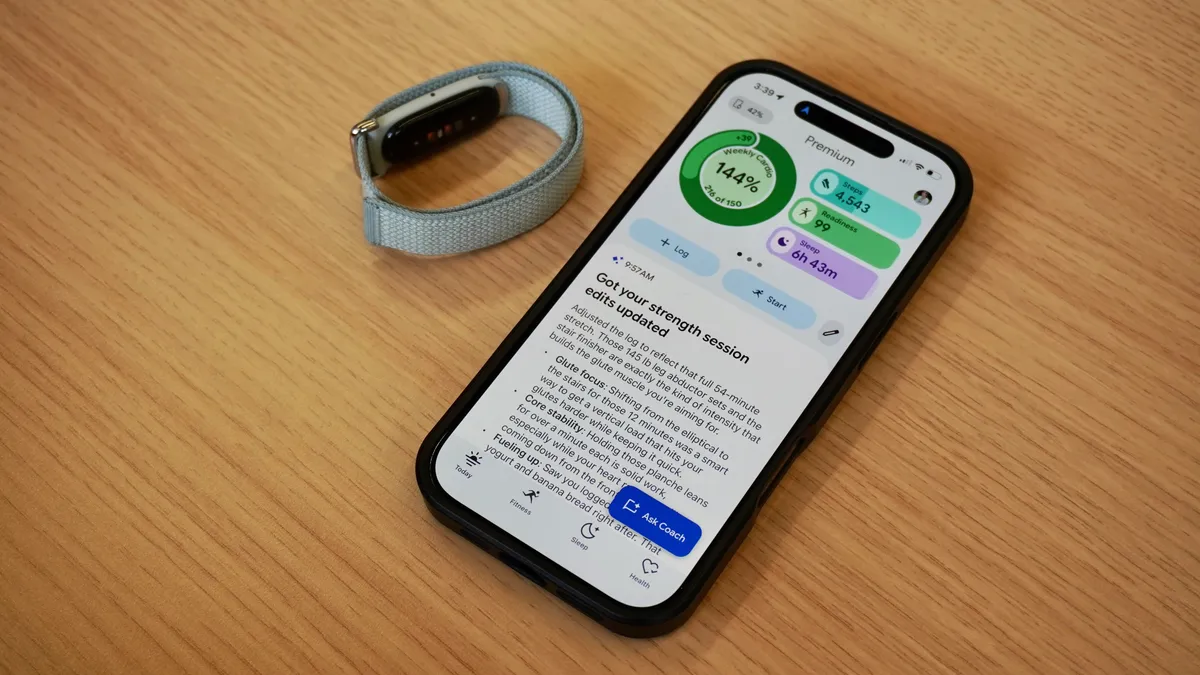
But, of course, this being a 2026 product means there’s undoubtedly some kind of AI hook. The Fitbit Air doubles as the launchpad for Google’s new Health Coach, a $10 per month feature that comes as part of its new Fitbit Premium replacement. Health Coach wants to be the personalized trainer you didn’t know you wanted, examining your overall fitness levels to give you better ways to eat, sleep, rest, and workout. It’s a cool concept built into an otherwise well-redesigned Google Health app, but unlike the band itself, it’s one that can’t escape its AI tether.
Hardware, bands, and battery life
Despite its relatively simple design, there are plenty of ways to screw up a display-less fitness tracker. Making the wearable puck too heavy or uncomfortable to wear for long, nearly uninterrupted sessions, making the act of swapping bands convoluted or difficult, eliminating too many features in order to keep both the price and its weight light — especially on a first attempt, there’s no shortage of ways you can imagine any company getting something on the hardware front wrong.