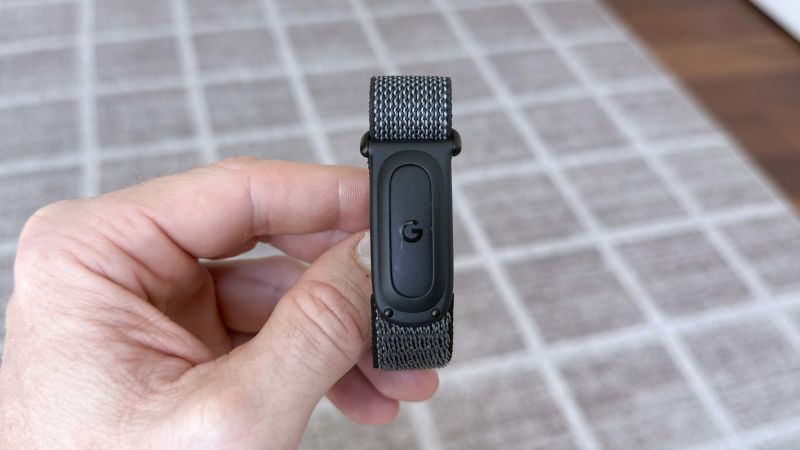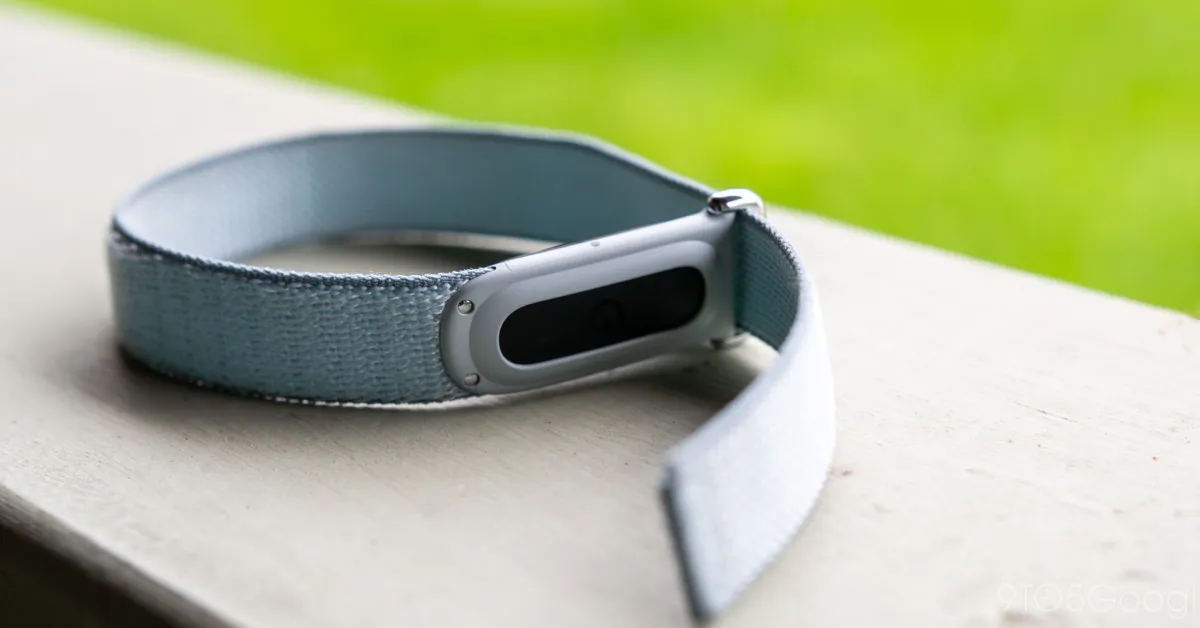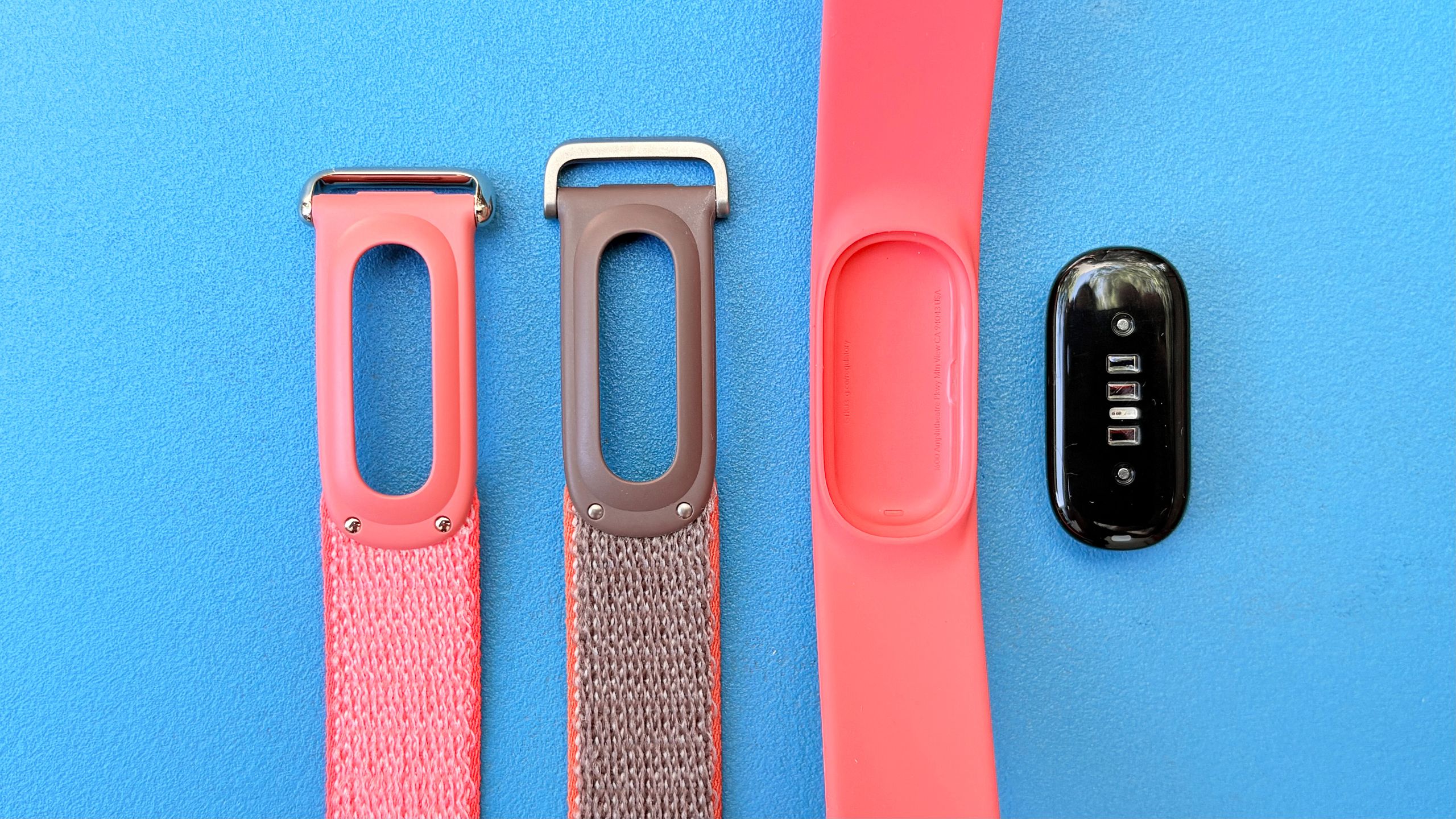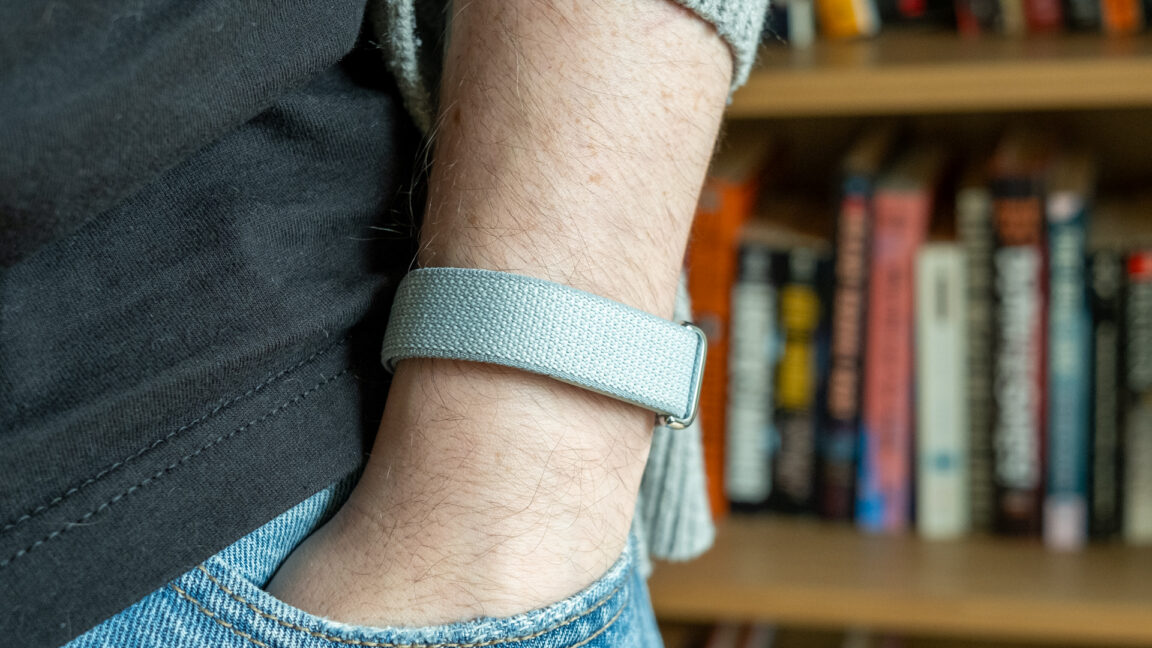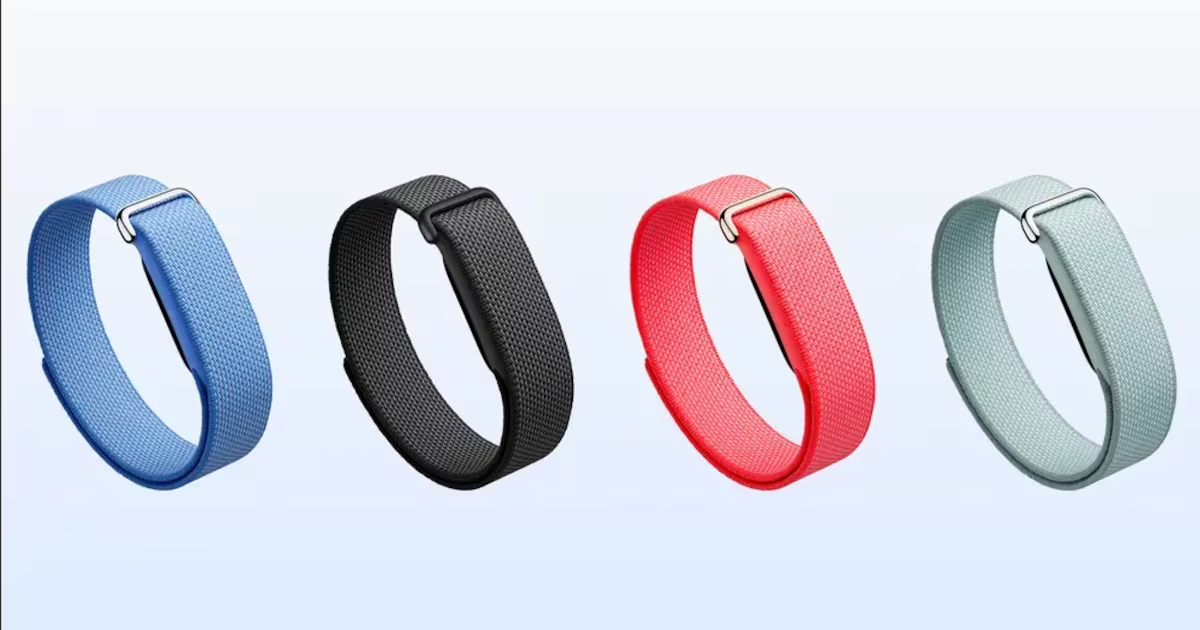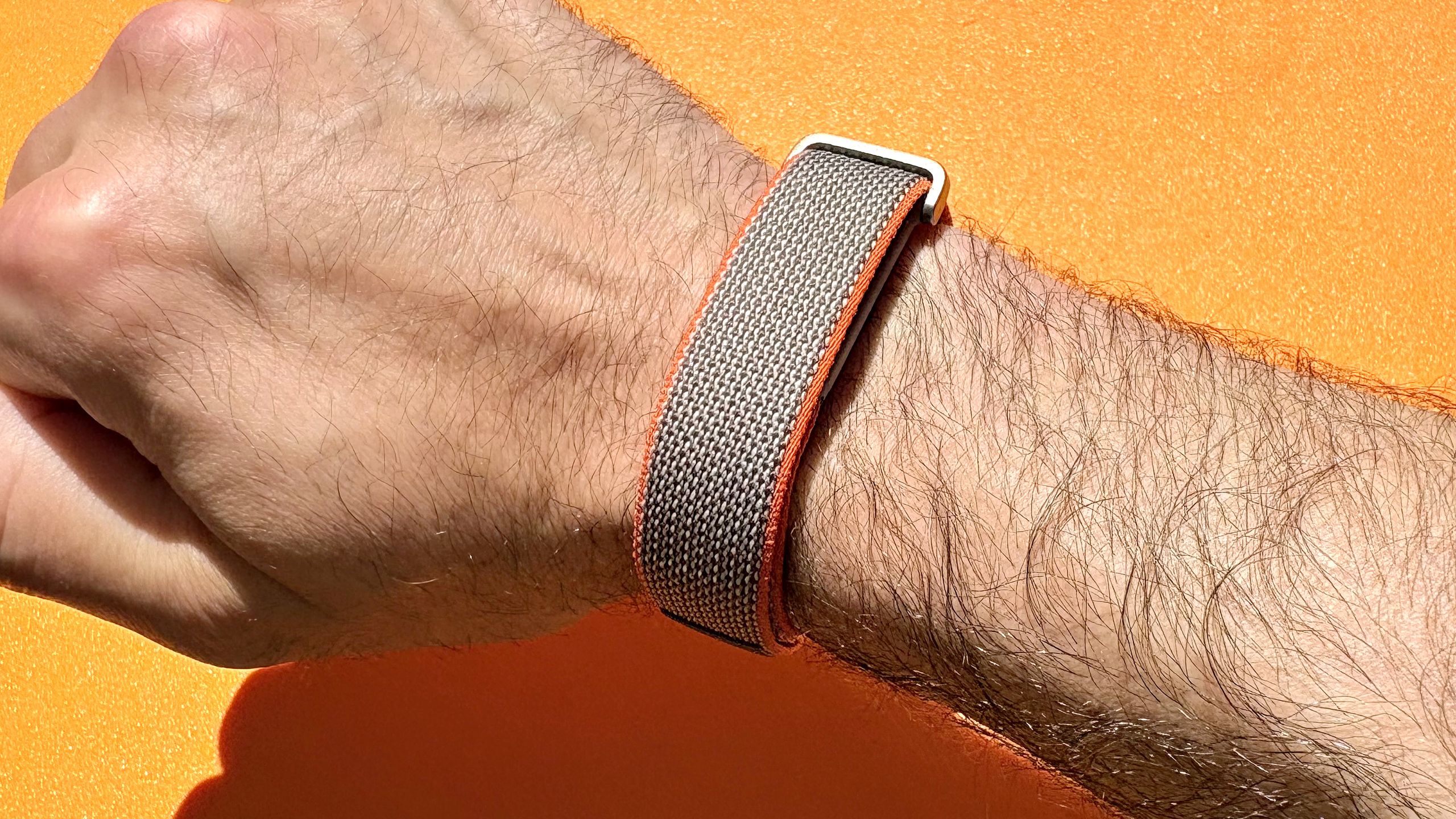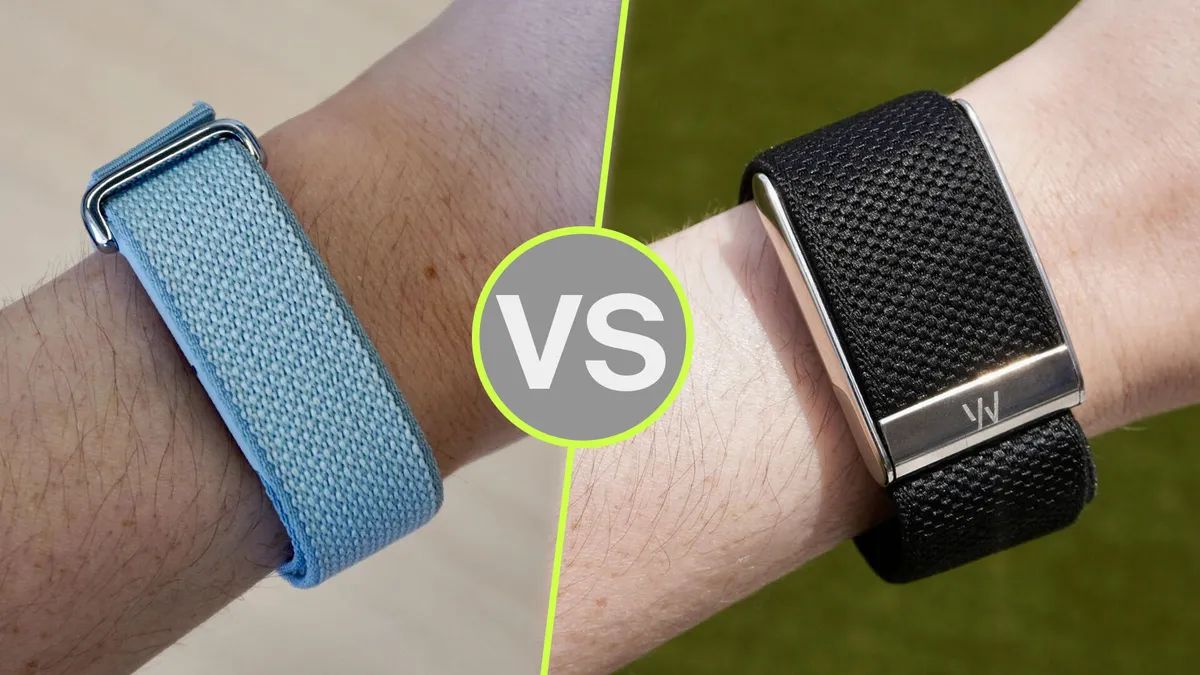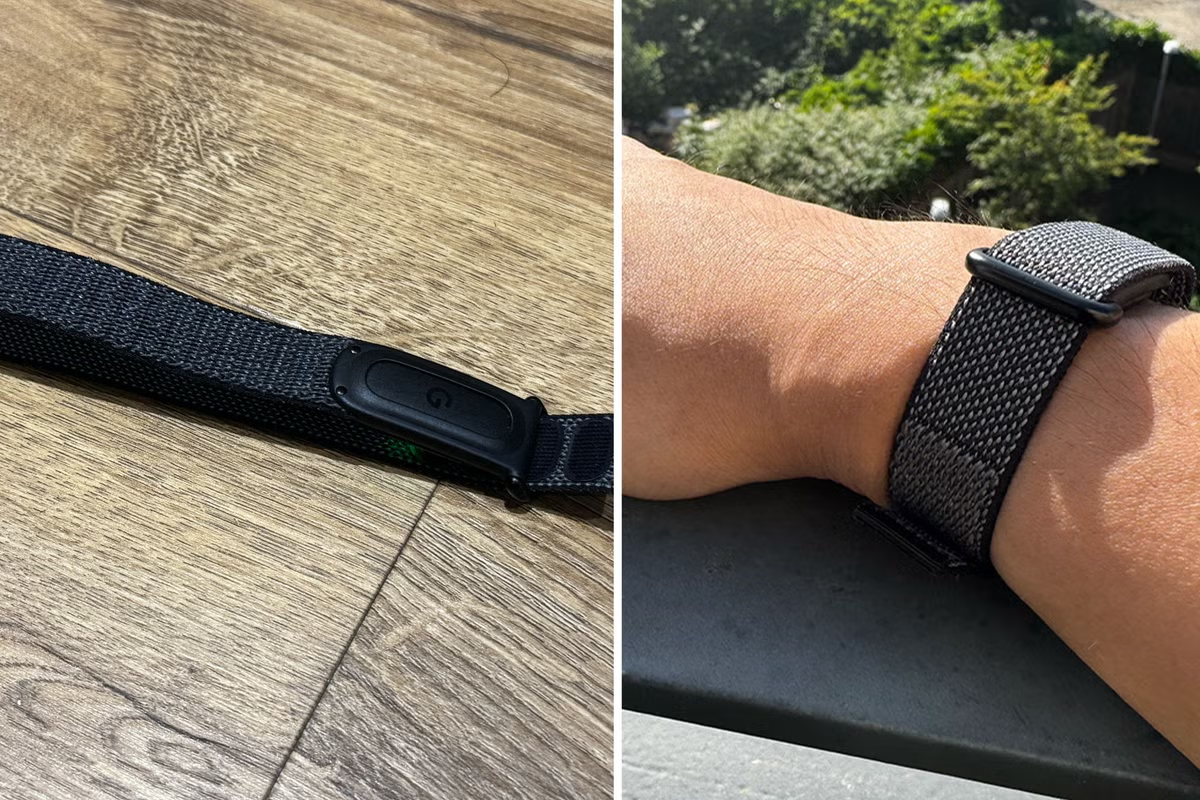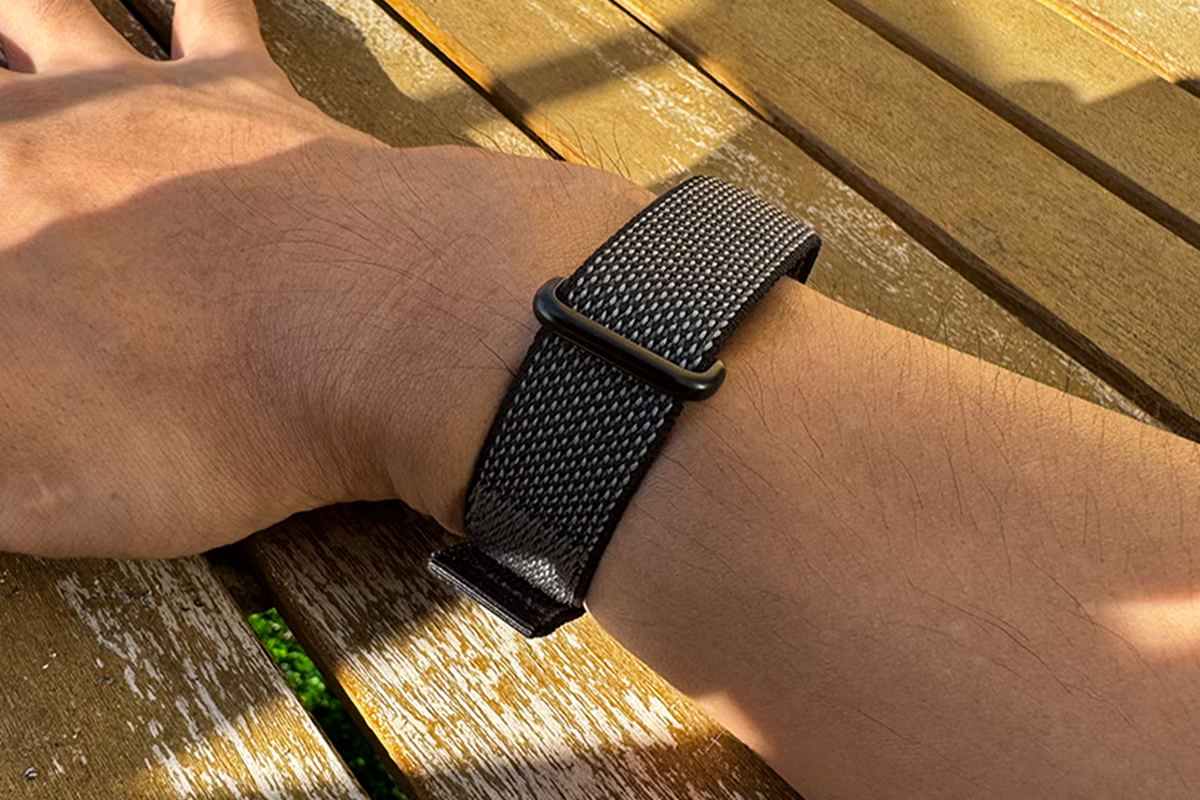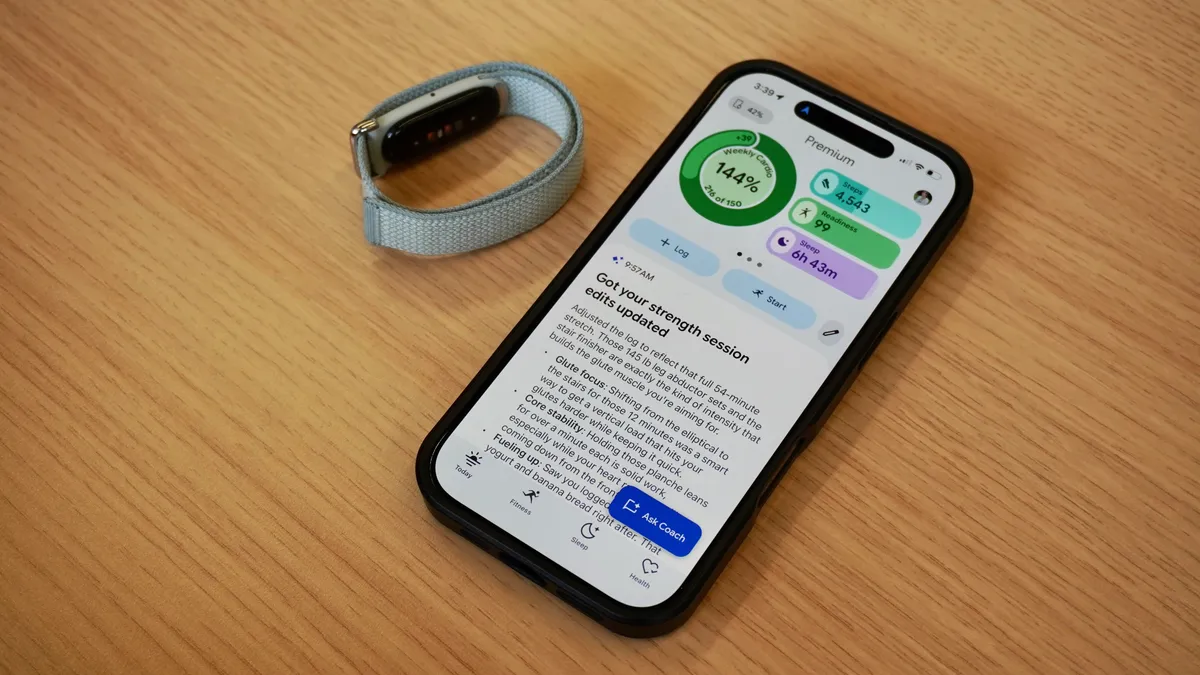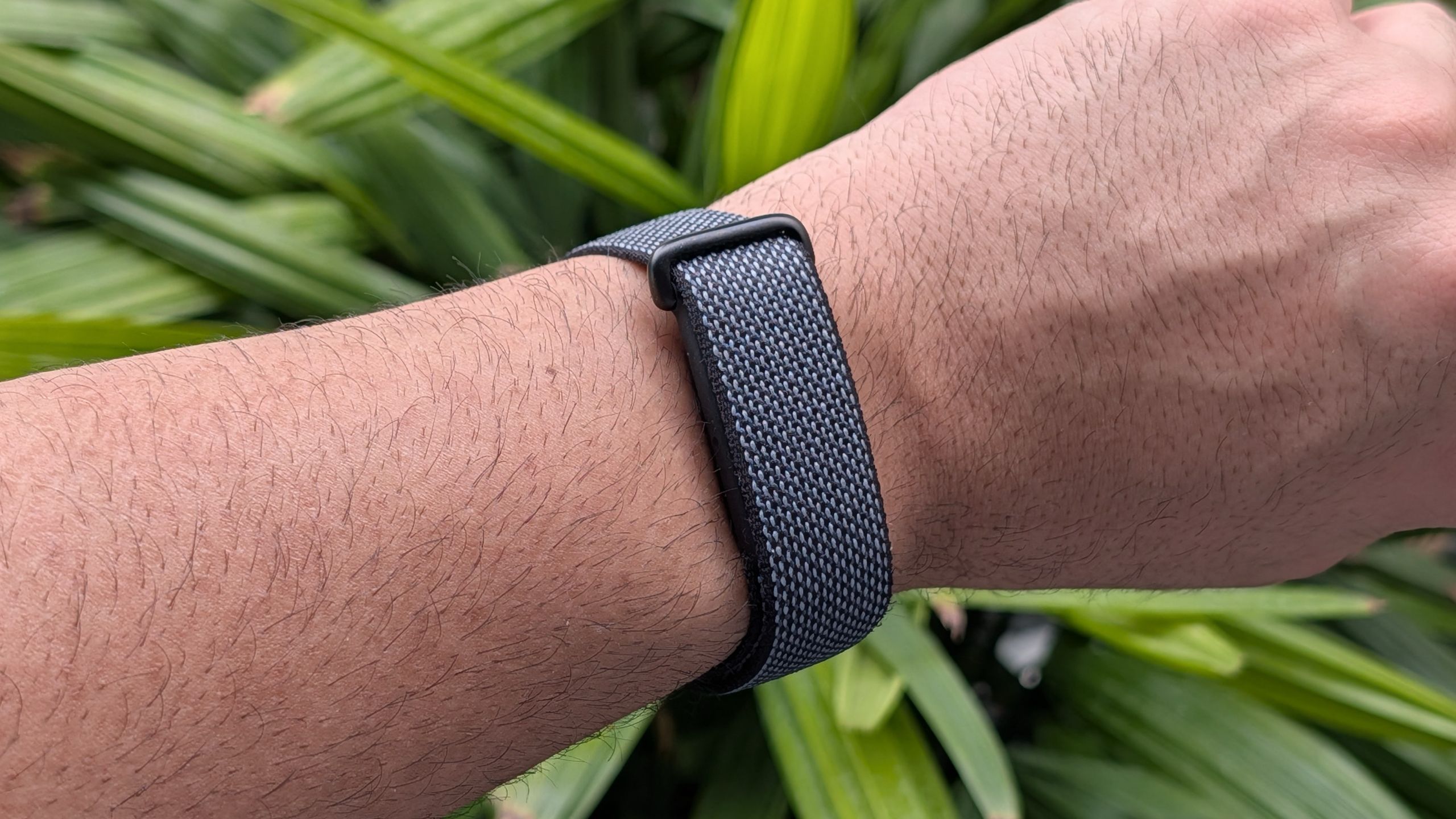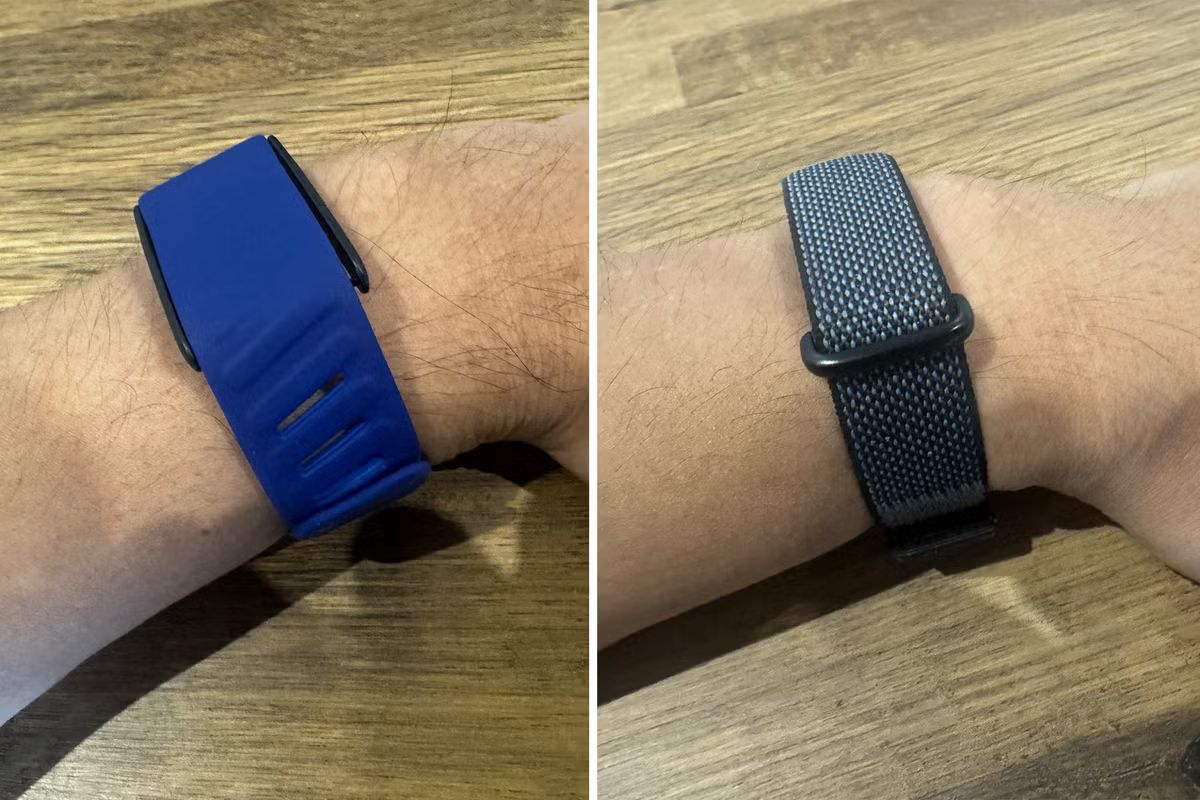
Can Google really topple Whoop’s crown? For years, Whoop has hogged the recovery wearable market almost entirely to itself. While smartwatches from Apple, Garmin and Samsung all track sleep and fitness, no major tech brand has really challenged Whoop's formula of a screen-free wearable built entirely around strain, sleep and recovery. That changed last month when Google launched the Fitbit Air, an £85 screen-free fitness tracker that targets the very same recovery market as the industry-leader. Costing a fraction of the Whoop 5.0 and working without the need for a pricey subscription, it's the closest thing I’ve seen to a true Whoop rival since it first launched a decade ago. Is one better at tracking specific metrics than the other? Can the affordable Fitbit Air really compete? After wearing the Fitbit Air on one wrist and the Whoop 5.0 on the other for almost three weeks, tracking everything from sleep and recovery to CrossFit sessions, long travel days and severe jetlag, here's how the two compare. Read more: Is the Whoop 5.0 worth it? We put it to the testFitbit AirThe Fitbit Air is a really solid fitness tracker. I was surprised by how little I felt I was missing compared to the Whoop. It's lighter, more comfortable and significantly cheaper than the Whoop and tracks all the same metrics. Google Health's AI-powered coach was actually more helpful than I expected as well. Workout tracking still isn't as athlete-focused as Whoop's, and it hasn’t been able to track my CrossFit workouts automatically, but for most people, it's probably the better-value wearable out of the two. Whoop 5.0I think the Whoop 5.0 is still the most comprehensive recovery wearable. Its sleep, recovery and strain tracking are more detailed than what you get with the Fitbit Air. And I like that you get more features such as stress monitoring and healthspan. It also has superior workout detection. The downside remains the cost, with the mandatory subscription making it significantly more expensive than the Fitbit Air. The Fitbit Air also contextualises your data a lot better than the Whoop 5.0, making it easier to understand your metrics.Read more: Fitbit Air review – can it replace my Whoop? Fitbit Air vs Whoop: Price Probably the most compelling thing about the Google Fitbit Air is its price. Costing a fraction of the Whoop 5.0, the Fitbit Air costs just £84.99, and while there is a separate subscription to Google Health Premium available, it’s completely optional.Google Health Premium costs £7.99 per month and includes personalised AI coaching and wellness insights. Without it, you still get access to metrics such as your heart rate, heart rate variability, SpO2 and skin temperature.The Fitbit Air is much smaller than the Whoop, and it charges magnetically (Alex Lee/The Independent)Whoop, meanwhile, has always used a mandatory subscription model, meaning you can’t just buy the device outright. The entry-level Whoop One membership starts from £169 per year and includes the Whoop 5.0 device itself, alongside sleep, strain and recovery tracking. The Whoop Peak membership costs £229 per year and includes even more health and wellness insights including stress tracking, health monitor alerts and Healthspan insights. The most expensive Whoop Life tier costs £349 per year and includes ECG and blood pressure monitoring. While Google Health Premium costs £7.99 per month, you get three months free out of the box when you buy the Fitbit Air. You don’t even need to subscribe to Google Health Premium if you don’t want to, unlike Whoop, where you need an active membership just to use the wearable at all. Fitbit Air vs Whoop: Design Design-wise, the Fitbit Air is significantly smaller and lighter than the Whoop 5.0. You can tell that just by eyeballing it, and the dimensions make that even clearer. The Fitbit Air measures 34.9mm x 17mm x 8.3mm, while the Whoop 5.0 is much chunkier at 34.7mm x 24mm x 10.6mm. The Fitbit Air looks like a tiny, minimalist pebble-shaped tracker that disappears into its band, while the Whoop 5.0 looks more rugged, with a thicker rectangular sensor.The Whoop 5.0 is a lot chunkier than the Fitbit Air and not as comfortable (Alex Lee/The Independent)After wearing both trackers day and night, I’ve literally forgotten I’m wearing the Fitbit Air at all. It's one of the lightest wearables I've ever tested and is noticeably more comfortable than the Whoop for overnight sleep tracking. The Whoop 5.0 is comparatively chunkier than the Fitbit Air, and while it’s not super heavy, I don’t forget I’m wearing it like the Fitbit Air. If you prioritise comfort and weight, you’ll really enjoy the Fitbit Air.The Fitbit Air has three different band styles, including the standard breathable performance loop band, a sweatproof silicone active band for workouts and a more fashion-focused elevated modern band, designed to look more like a bracelet. It also has four different band colours – berry, lavender, obsidian and fog. Whoop has an even larger collection of accessories and bands. As well as the standard superknit band, which is designed for everyday comfort, the company sells a fast-drying hydroknit band for swimming and sweatier workouts, leather luxe bands and a range of sport-focused straps with different clasps and finishes.One thing I’d also say is that the Whoop 5.0 is more versatile than the Fitbit Air. You can wear it on your wrist, bicep, calf or torso and pop it into specialist gym apparel thanks to Whoop’s Body collection. Wearing it on your bicep, for example, has a clearer heart rate signal, making it good for weightlifting or cycling. The Fitbit Air can only be worn on the wrist. Fitbit Air vs Whoop: Features and health trackingWhile I expected the Whoop 5.0 to comfortably beat the Fitbit Air in terms of features, the Fitbit Air isn’t actually far off matching the Whoop’s feature set. Both trackers measure the same core health metrics, including heart rate, heart rate variability (HRV), respiratory rate, blood oxygen levels, skin temperature and sleep stages. And I noticed that both were able to spot the same trends in my body. While travelling around Japan and battling severe jetlag, both devices showed my recovery deteriorating, my resting heart rate climbing and my HRV dropping. When I returned to the UK and got back into a normal sleep routine, both trackers showed my recovery improving again.In terms of pure health tracking, I never felt like the Fitbit Air was missing anything crucial compared with the Whoop. In fact, there were times when Google Health actually felt more aware of what was happening in my life.The Fitbit Air tracks all the same core metrics as the Whoop 5.0 (Alex Lee/The Independent)The Whoop definitely feels more detailed in terms of raw numbers. Google Health has a more contextual overview, however. While reviewing the device, the Fitbit Air recognised that I was travelling abroad, noticed I was no longer attending CrossFit sessions and automatically moved my goals away from training and towards walking and movement. When I returned home, it adjusted my coaching again and encouraged me to resume my usual workout routine.Both platforms also have their own versions of strain and recovery tracking. Fitbit calls its metric cardio load compared to Whoop’s more recognisable strain metric. Both are able to quantify how much cardiovascular strain exercise places on your body and whether you're training enough to improve fitness without overdoing it.I still think Whoop's implementation is better. Recovery, strain and sleep data are better explained and I can understand how one affects the other. If you're a serious athlete, it's easier to understand exactly why your recovery score is high or low and how that might affect your training.That said, I actually prefer some aspects of Google's coaching. The AI-powered Google Health Coach feels a lot more conversational and personalised than Whoop. While you occasionally feel overloaded with data when using a Whoop, Google Health always contextualises why my scores are changing and suggests actions I can take based on what is happening in my life.Sleep tracking is excellent on both devices. The Fitbit Air's sleep scores and readiness scores generally reflected what I was seeing on the Whoop, particularly during periods of disrupted sleep and jetlag. Both devices also accurately identified my poor recovery after long travel days and both encouraged me to prioritise rest when my sleep quality deteriorated. I like that Whoop gives me a specific time it thinks I should head to bed based on my data – that’s not something I get with the Fitbit Air currently.You can get personalised coaching in the Google Health app (Google)The biggest difference comes in workout tracking. Although the Fitbit Air reliably detects activities like walking and running, it has consistently struggled to recognise my CrossFit and functional fitness sessions automatically. The Whoop always picks up virtually everything I throw at it. It feels much more athlete-focused because you don’t need to babysit it as much.Whoop also has a handful of features that Fitbit lacks. Stress tracking is Whoop’s trump card, and I love the healthspan feature, which estimates your fitness age and long-term health trajectory. Those on the pricier Whoop Life membership can also access ECG readings and blood pressure insights.Both the Fitbit Air and Whoop 5.0 also have a smart wake alarm, gently waking me before my alarm time based on my sleep stage. Without Google Health Premium, you still get access to all of these core health metrics, but the subscription adds things such as guided workouts, more detailed long-term health trends and personalised recommendations through Google Health Coach. Ultimately, I still think Whoop has the edge for dedicated athletes. Its workout detection, stress tracking and recovery platform are best in class. But the Fitbit Air comes really close to matching the Whoop, and I’ve found it easier to understand my metrics with the Fitbit Air. Fitbit Air vs Whoop: Battery life The Whoop 5.0 betters the Fitbit Air here. While the Fitbit Air has a respectable battery life of up to seven days, something I’ve experienced so far, the Whoop 5.0 lasts for more than two weeks on a single charge. The more advanced Whoop MG model, which includes ECG and blood pressure monitoring, also lasts up to two weeks. Google does claw back some points with charging speed, however. The Fitbit Air can charge from 0 to 100 per cent in 90 minutes. And if you charge it for five minutes, you’ll get one full day of battery life. I also really like Fitbit’s magnetic charging system. Charging is the worst part about the Whoop’s design. It takes me a couple minutes trying to slide the battery pack on, every time I want to charge it. The Whoop 5.0 also takes longer to fully recharge, generally around two hours. The Fitbit Air does miss out on some metrics found on the Whoop 5.0 (Alex Lee/The Independent)Fitbit Air vs Whoop: Which is better?After wearing both devices side-by-side, I think the answer depends on what type of user you are.If you're a serious athlete, CrossFitter or someone obsessed with squeezing every last bit of performance out of your body, the Whoop 5.0 is still the better wearable. Its workout detection is significantly better, its stress tracking is really useful and the recovery platform feels more data-rich and mature than Google Health. But for everyone else, I think the Fitbit Air is the more compelling product. It tracks almost all of the same health metrics, its sleep and recovery insights closely mirrored what I was seeing on the Whoop and it's a lot cheaper. I also found Google Health's coaching easier to understand and more contextual, often feeling more aware of what was happening in my life. I never really felt like I was sacrificing much by wearing the Fitbit Air instead of the Whoop. I think the Whoop is an excellent benchmark for athletes, but the Fitbit Air is a much more affordable alternative that only really falls down in automatic workout tracking. Buy Fitbit Air nowBuy Whoop 5.0 nowFor more, we’ve rounded up the best fitness trackers
Fitbit Air vs Whoop: I tested Google’s £85 tracker against the best
From price and design to features and health tracking, I’ve worn both trackers to see how they compare
TL;DRAI
Google's £85 Fitbit Air breaks Whoop's recovery monopoly with equivalent metrics and optional subscription (vs Whoop's £169+ mandatory). Enterprise wellness shifts to open-access platforms; Whoop must differentiate on depth and athlete features, not access control.
2,006 words~9 min read