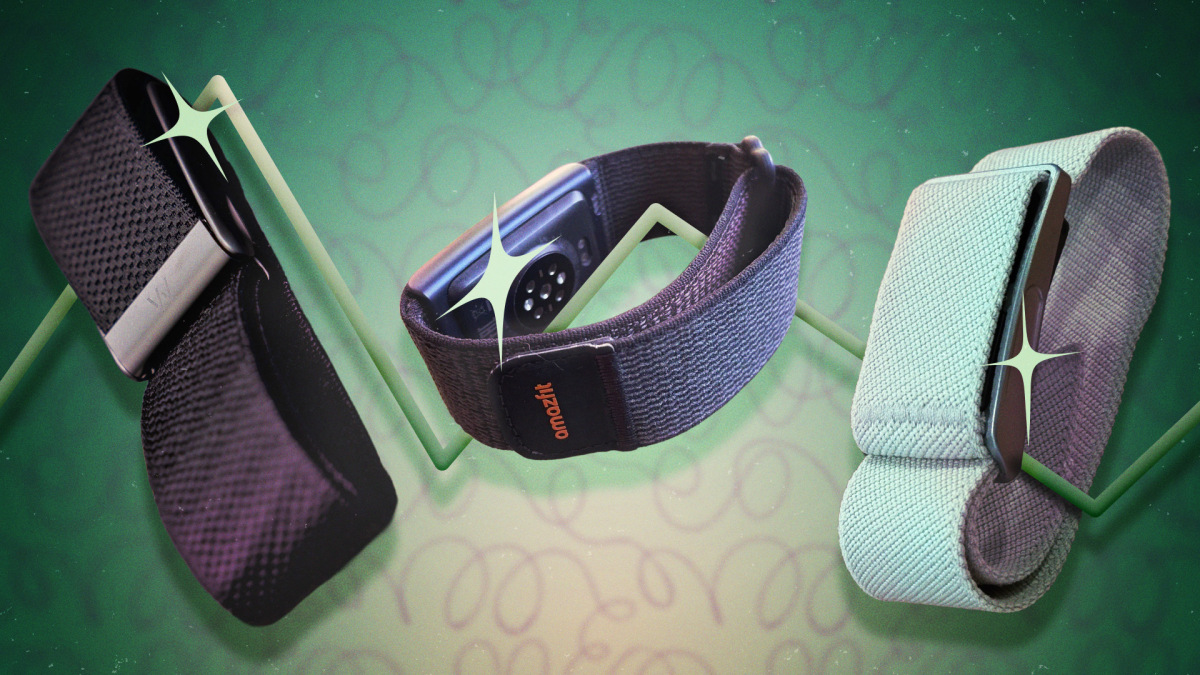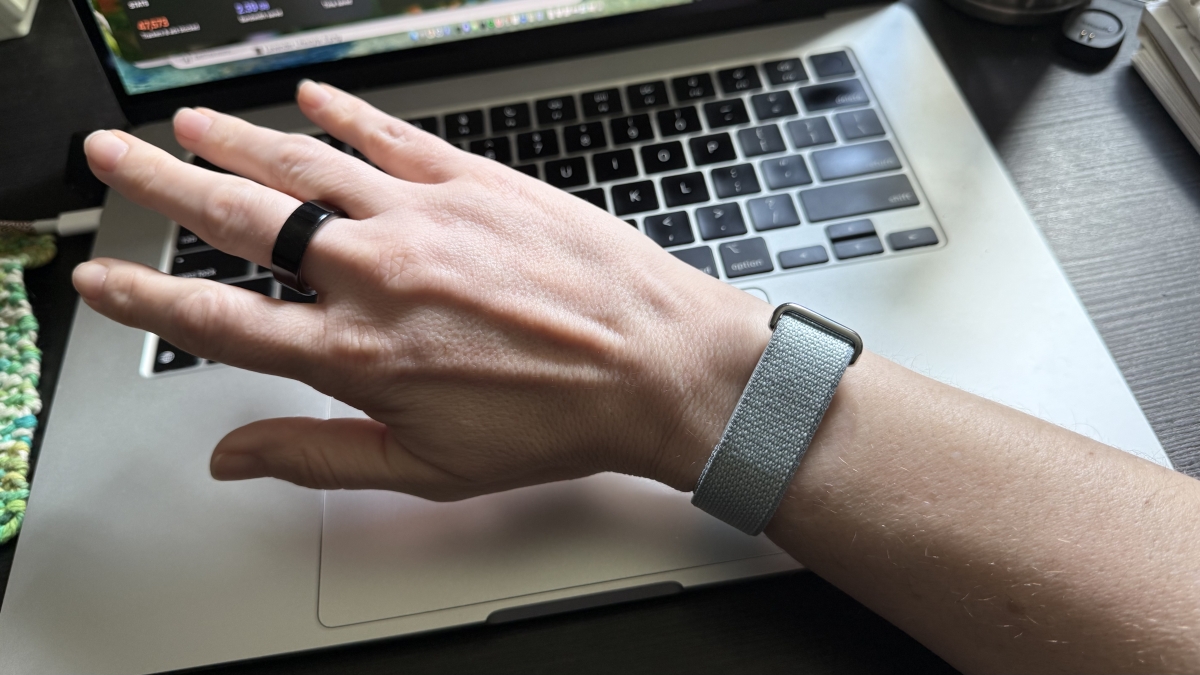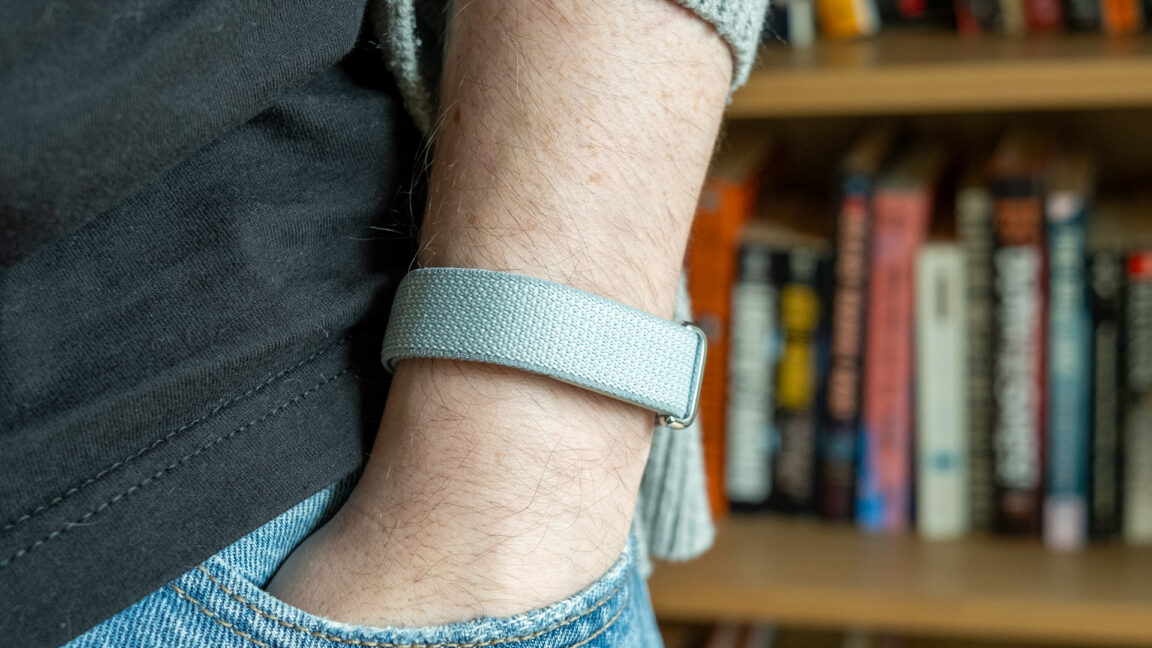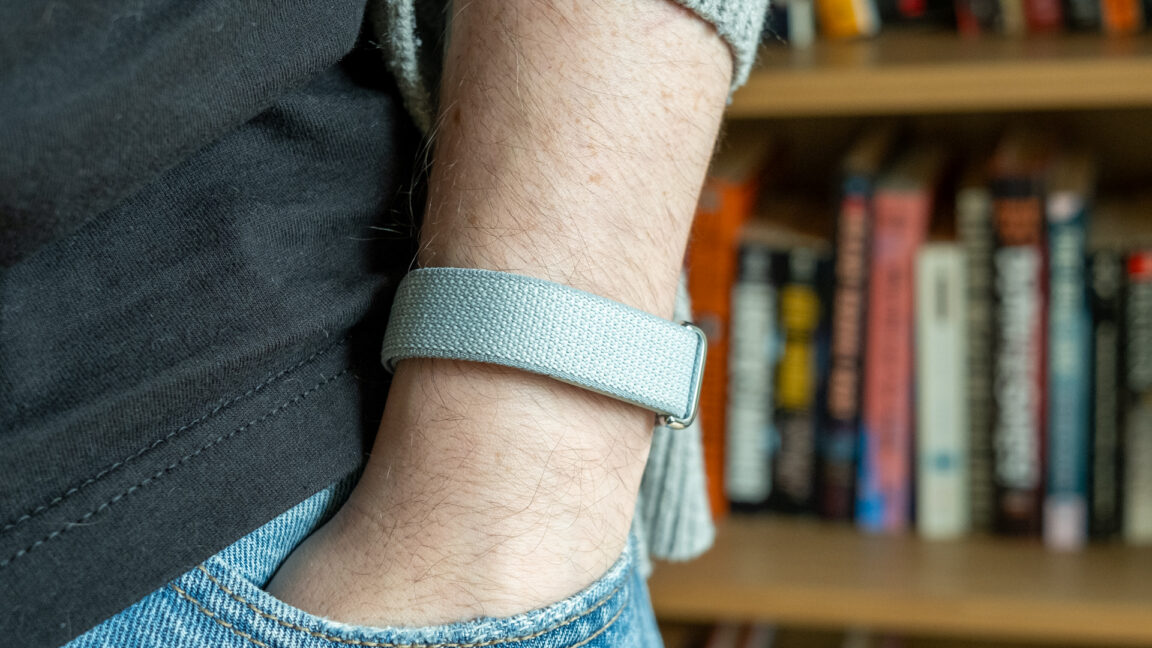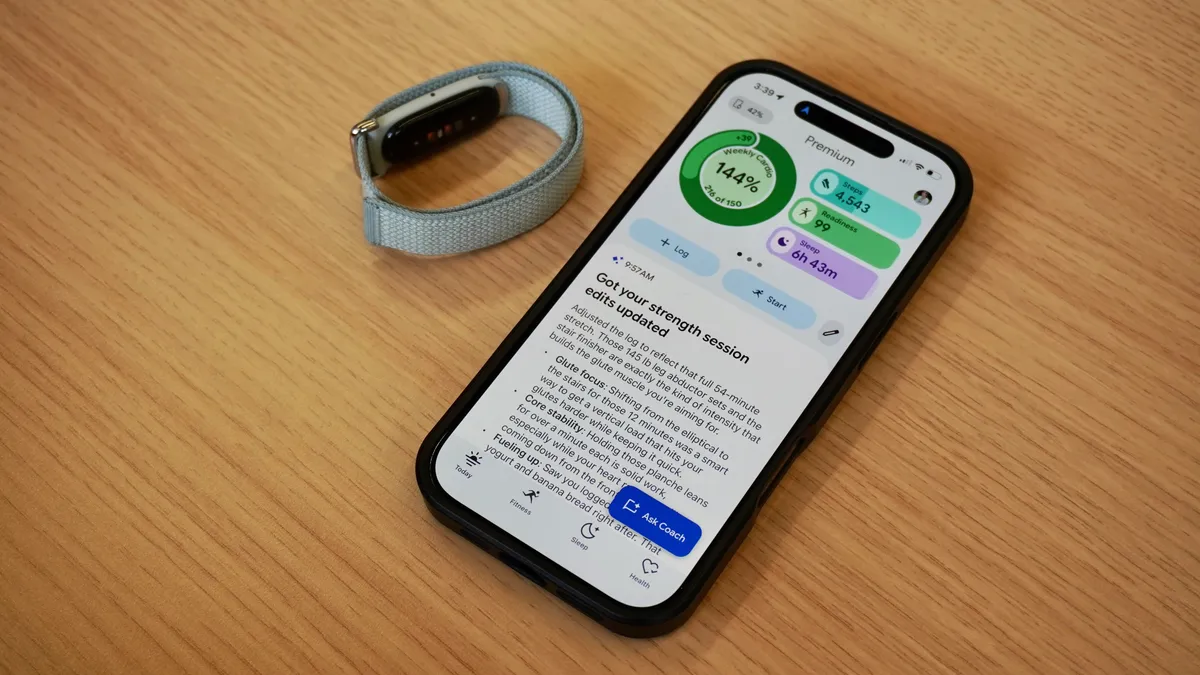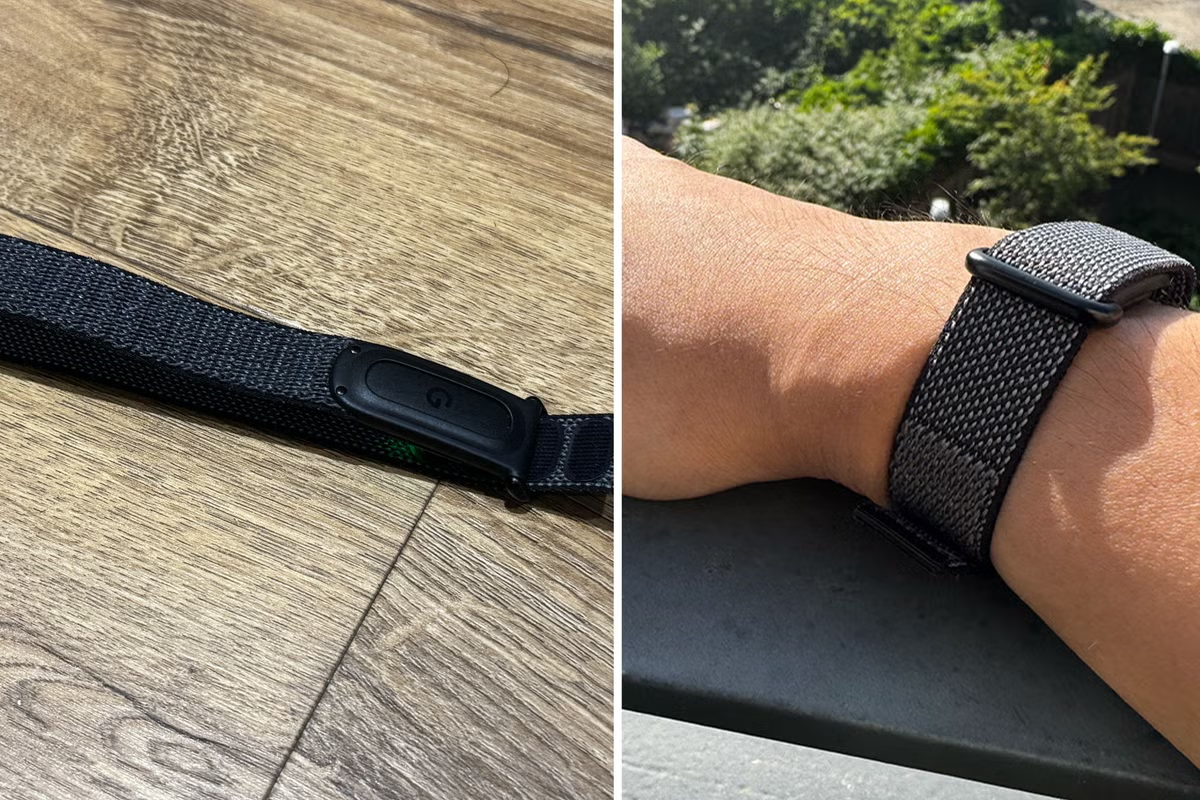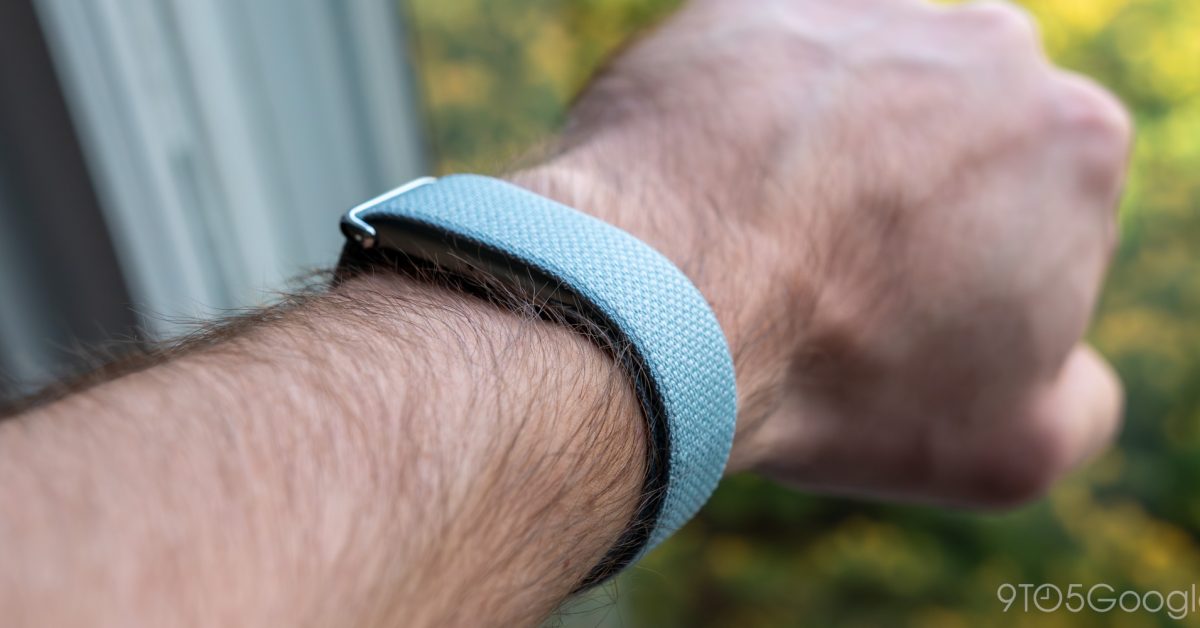
What should a modern fitness tracker be in 2026? With smartwatches readily available — and for not much more than your run-of-the-mill Fitbit — it’s a tricky proposition, especially for brands like Google that live in both spaces. The Fitbit Air feels like an admission from Google that Whoop, the obvious competitor for something like this, is on the right path, offering a minimalist band that exists to gather data, not to serve as a miniature wrist-based computer. So far, I’m liking what I’m seeing from my time with the device, but not without some unsurprising concerns surrounding its AI coach.
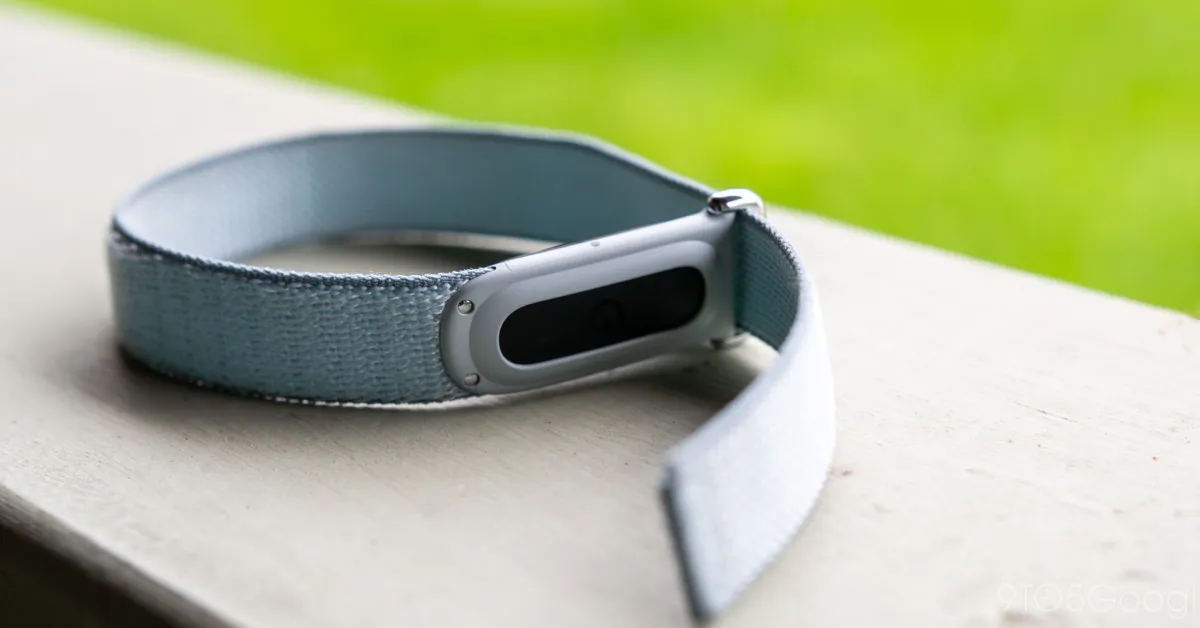
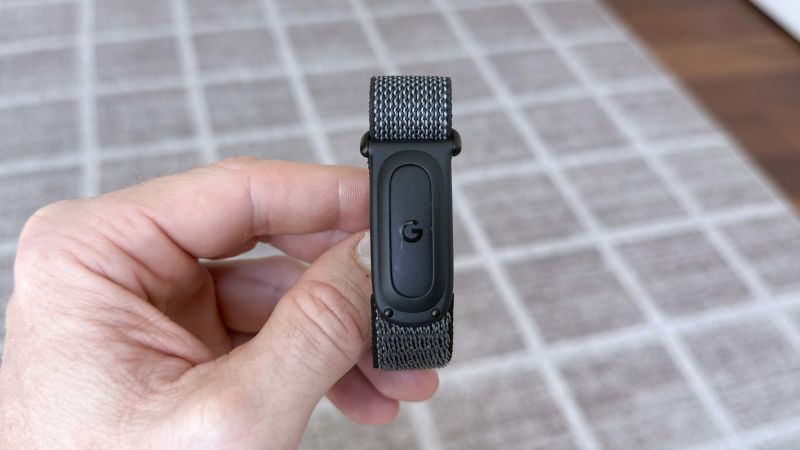
While it shouldn’t be much of a surprise that the Fitbit Air is designed to be, you know, small, I still found myself pretty taken aback upon unboxing just how lightweight this thing feels right out of the box. Just how miniature Google’s latest tracker is becomes even more obvious when you pop it out of the default band. This thing is a puck so tiny, it’s actually difficult to find something in my gadget collection that actually functions as an easy comparison. The average true wireless earbud — singular, not plural — probably weighs more.
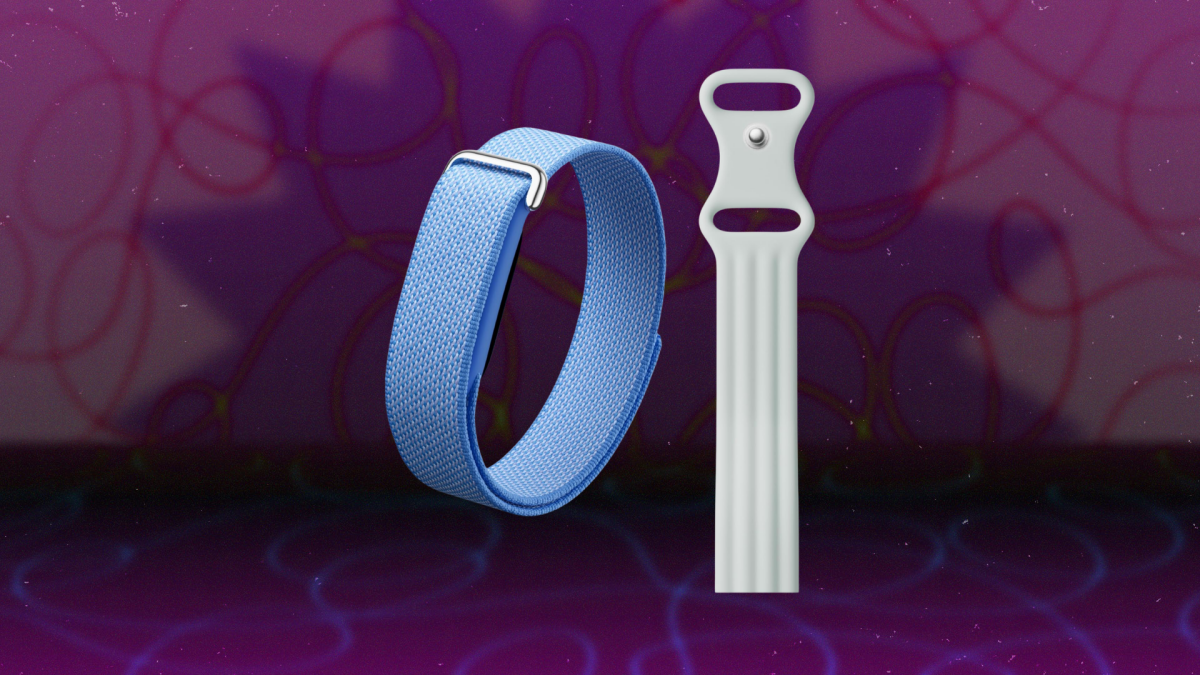
Swapping bands is super simple, and frankly, relies on a more fluid system than Whoop’s “Fast Link” slider system. Rather than relying on metal prongs to hold the tracker in place, the Fitbit Air drops out of your current band with a simple push. The default Performance Loop band and the “stylish” Elevated Loop” both show the uncovered band through a basic cutout, making removing the Air even easier. On the sporty Active Band, the tracker is completely covered, though it’s still easy to push through the silicon barrier.