It’s the end of Fitbit as we knew it.
This is Optimizer, a weekly newsletter sent every Friday from Verge senior reviewer Victoria Song that dissects and discusses the latest gizmos and potions that swear they’re going to change your life. Opt in for Optimizer here.
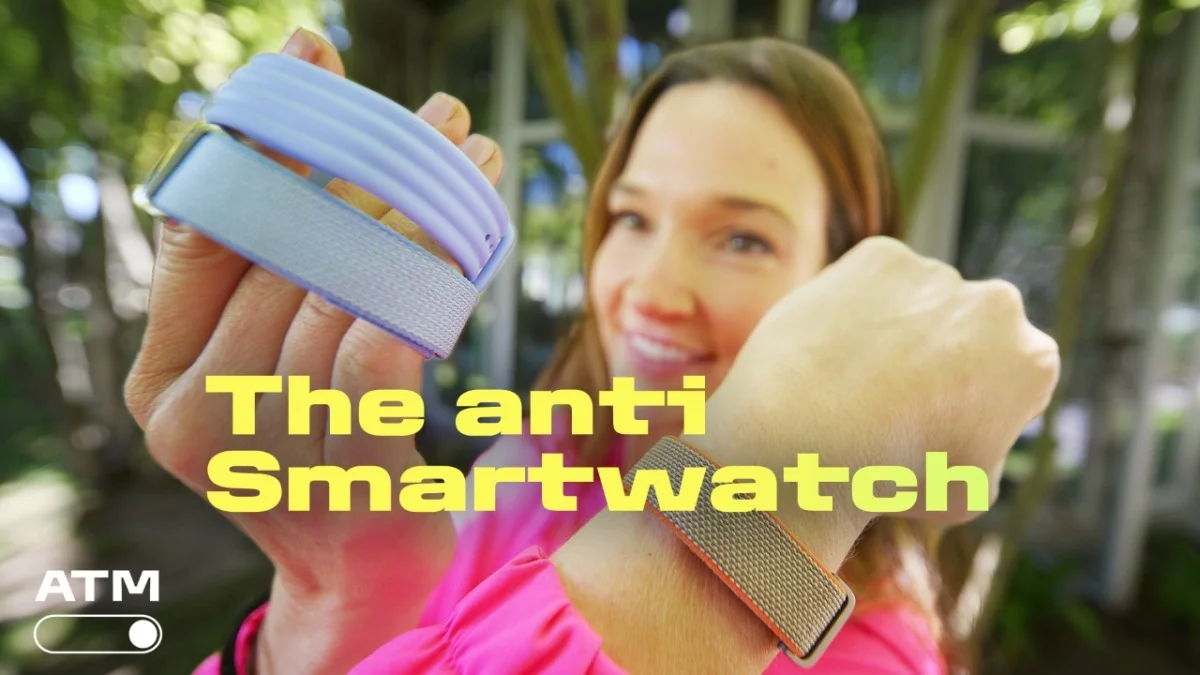
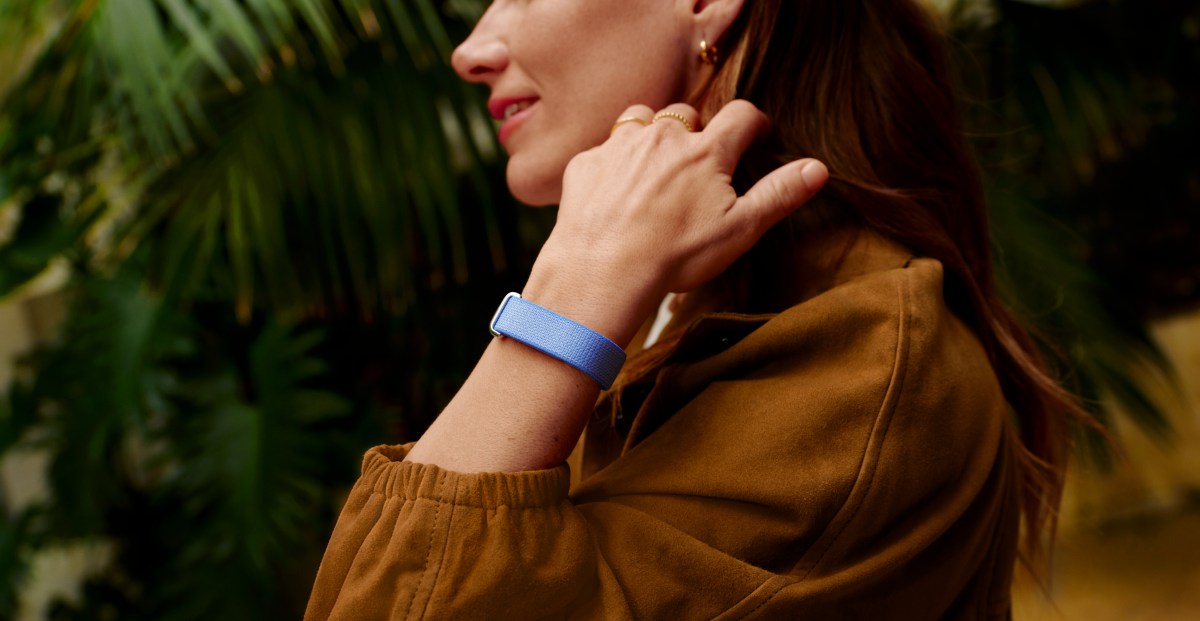
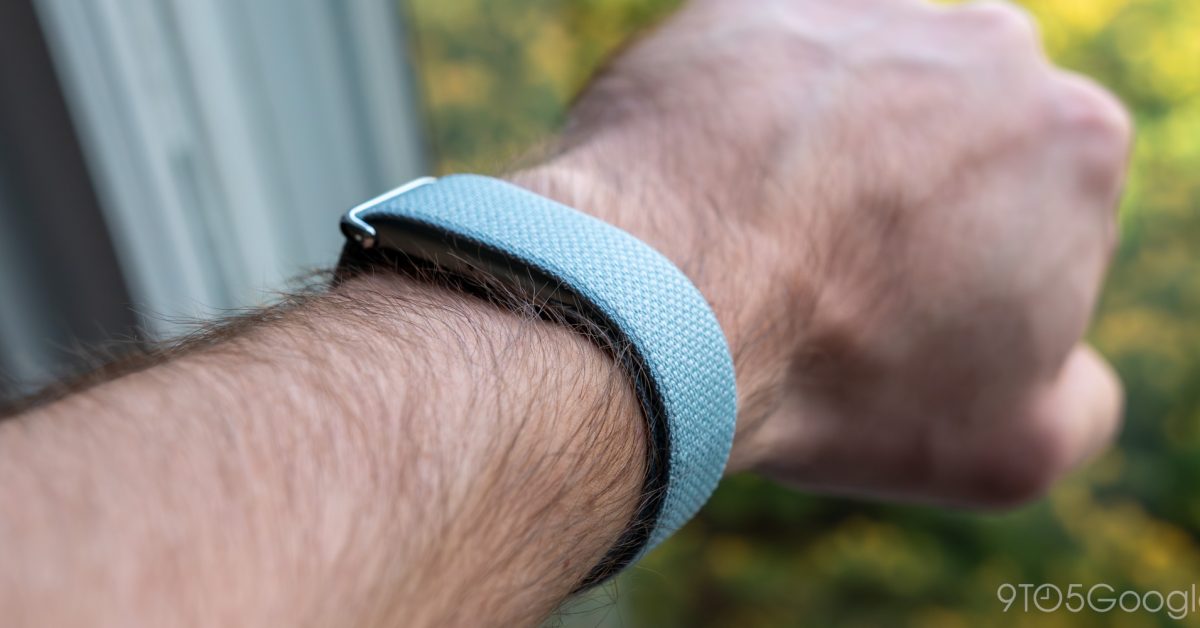
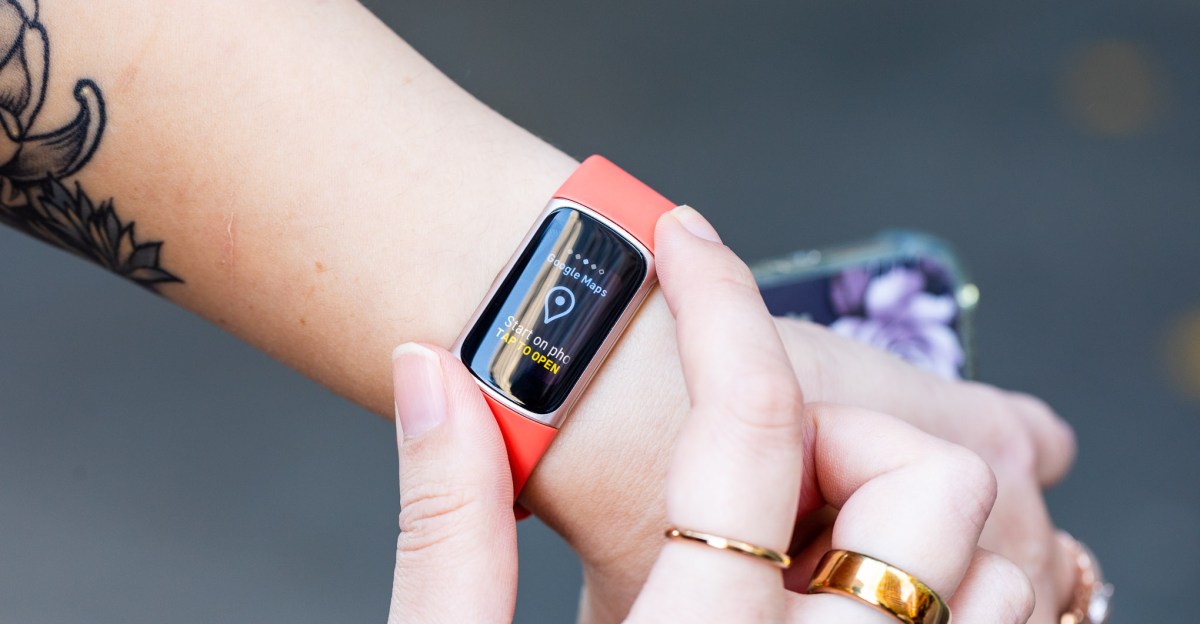
A fitness band is for bettering yourself, but casually. It’s lightweight, easy to wear, and not something you have to think too hard about. It’s cheaper than a smartwatch. You get your steps, basic heart rate, and some sleep tracking. Maybe you can see the time, maybe you can’t. But unlike many wearables today, a fitness tracker wasn’t truly meant to be a companion for your phone and all the overwhelm that comes with it. It was a simple tool with a simple purpose: to make you move more.
Ten years ago, nobody was better at this than Fitbit.
For a time, it was the Kleenex or Band-Aid of wearables — a brand so ubiquitous that it was synonymous with an entire product category. Your mom probably doesn’t remember a Jawbone, FuelBand, or a Mio Slice. But for a while, everybody called a fitness band a Fitbit.