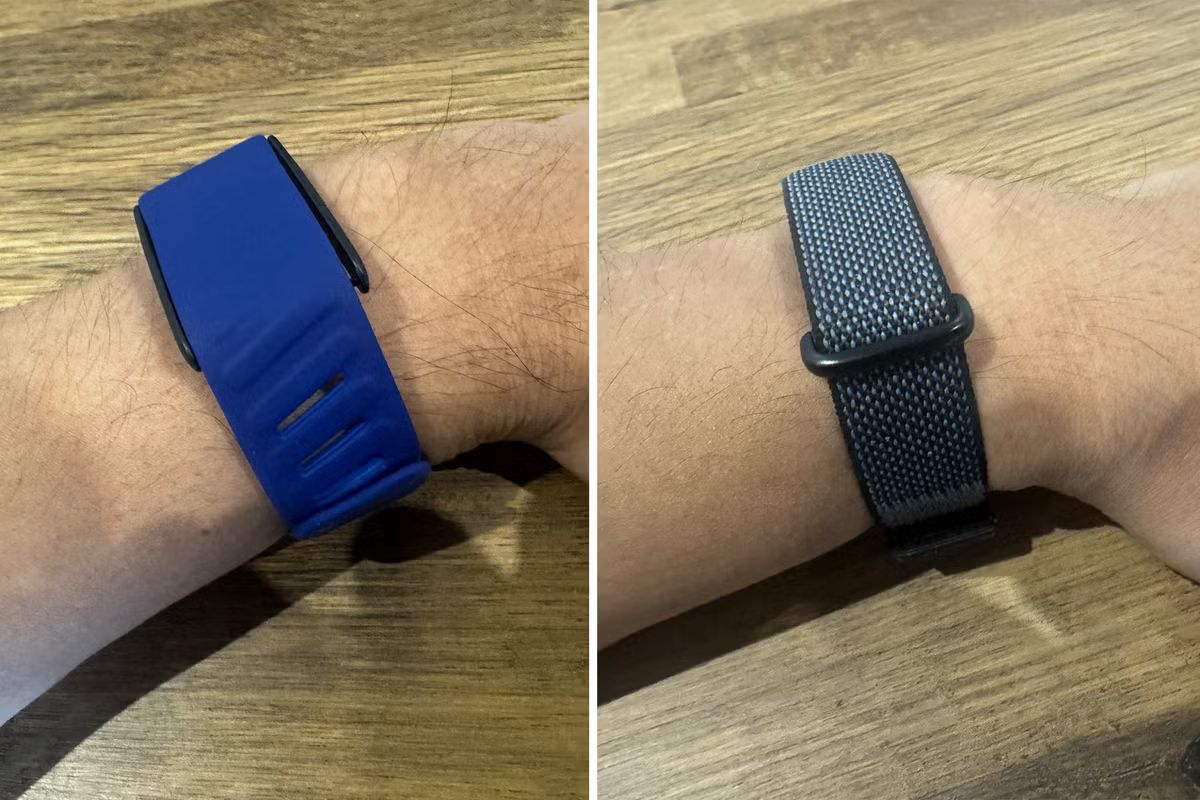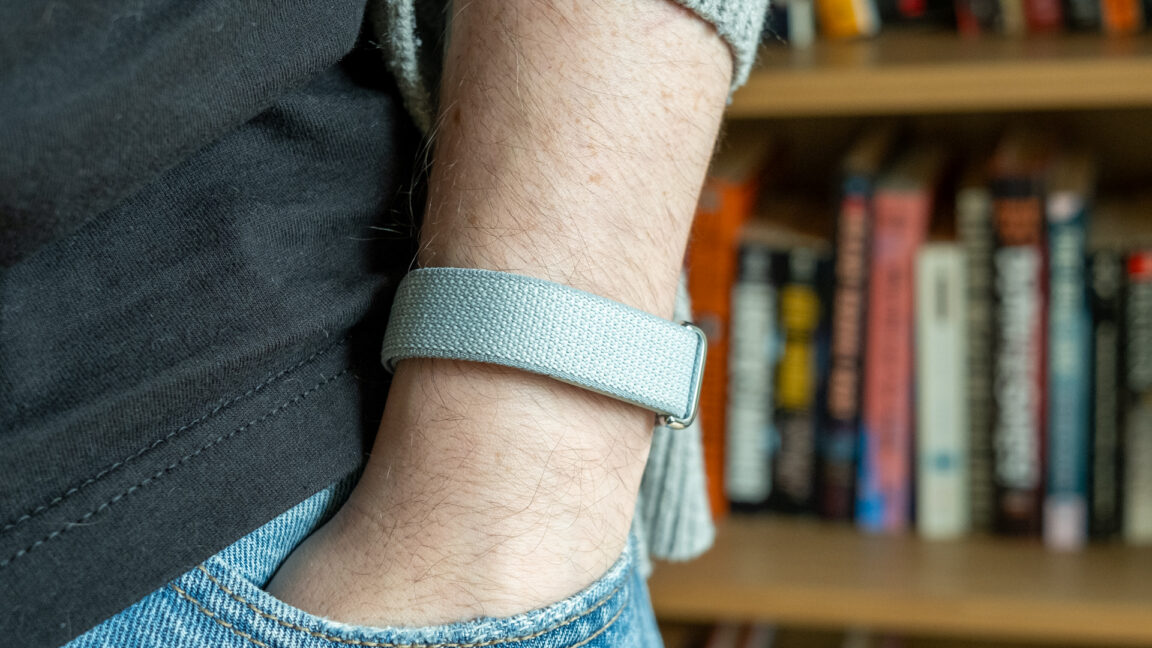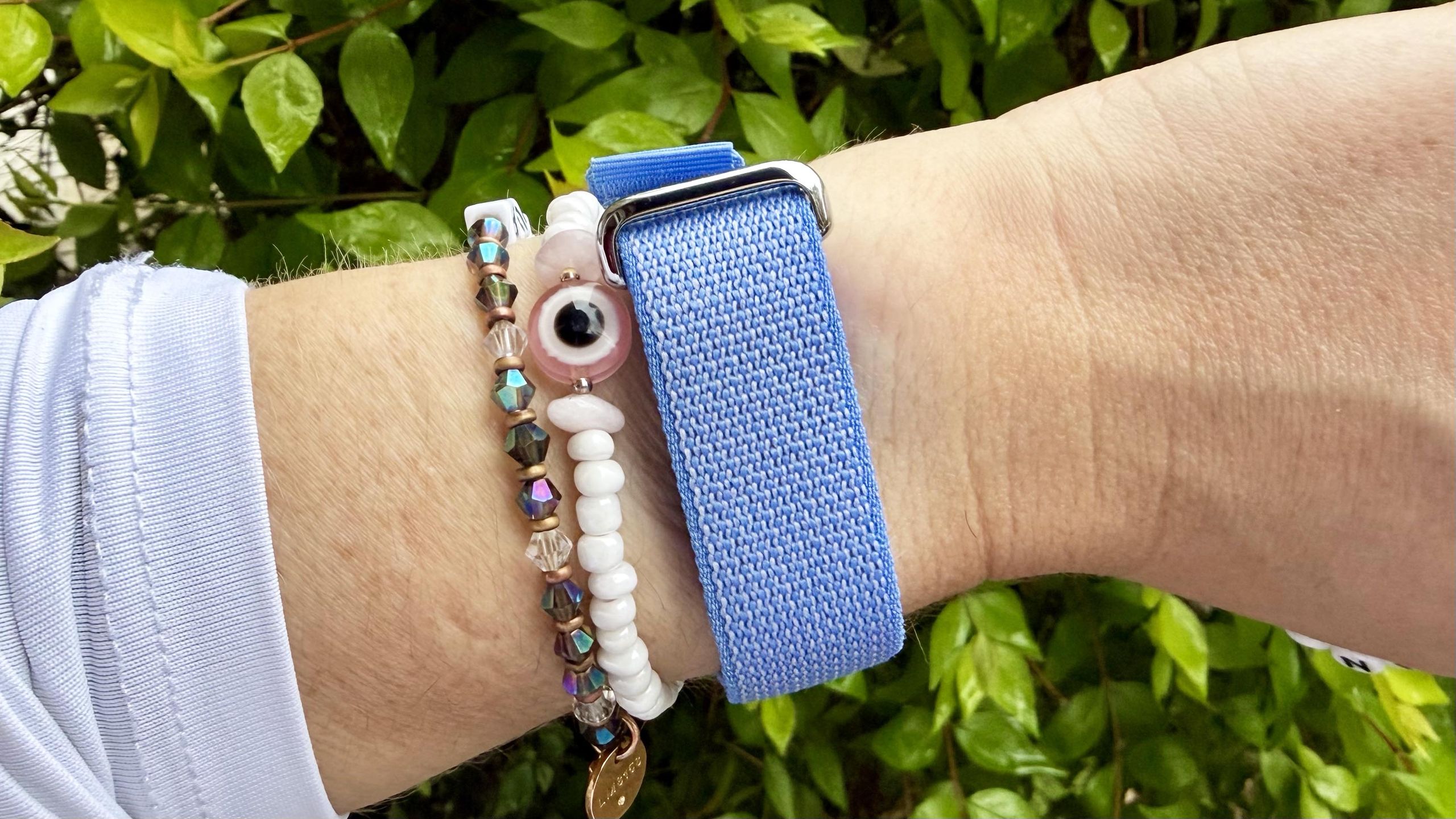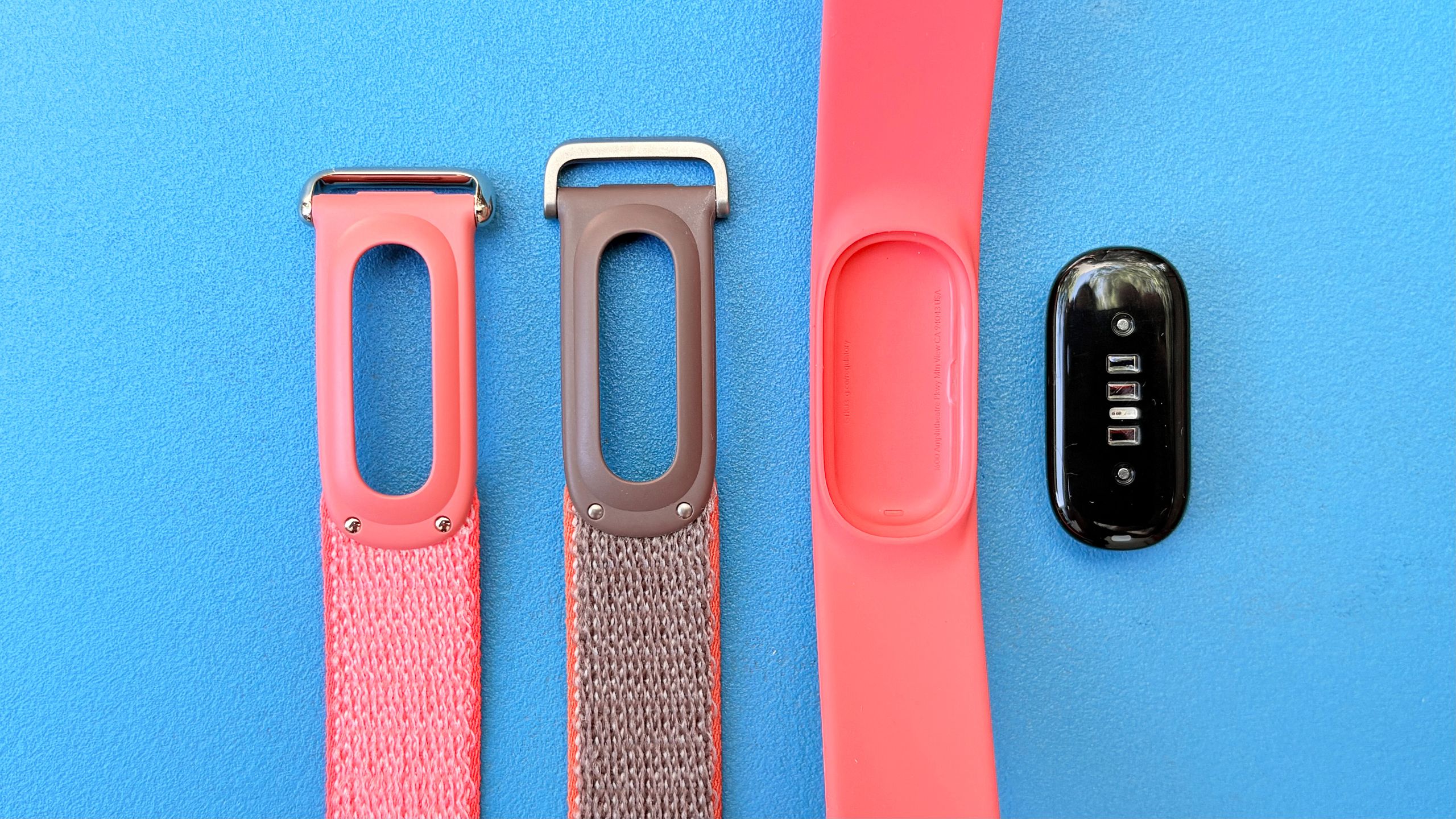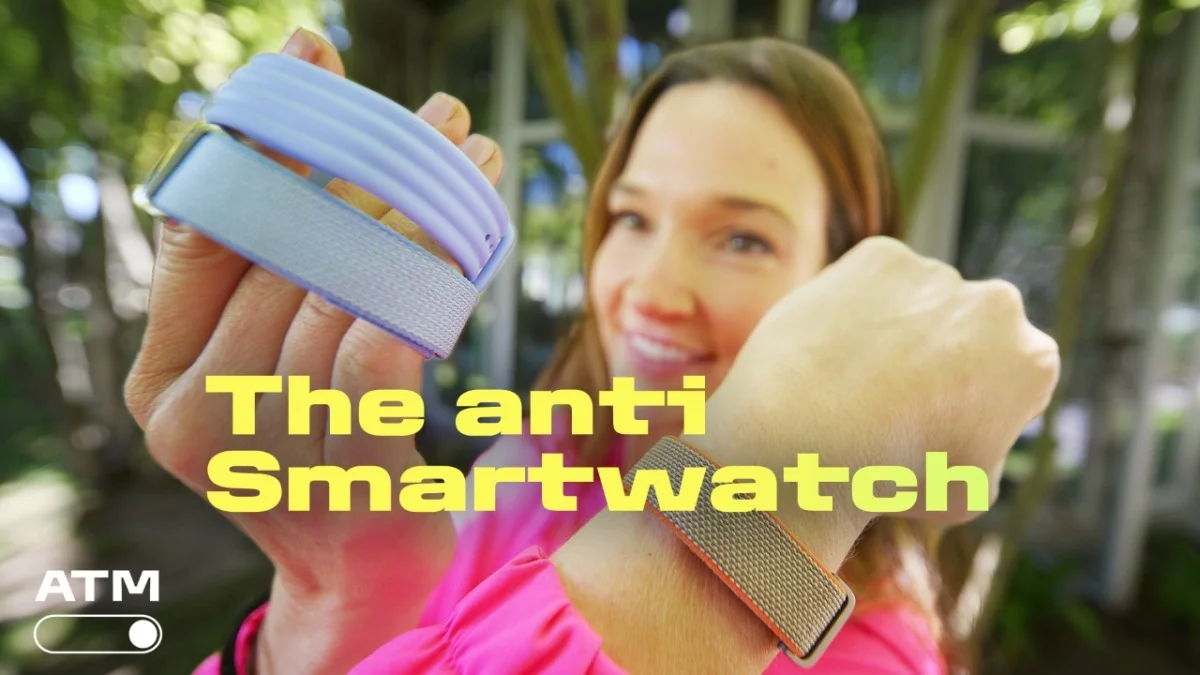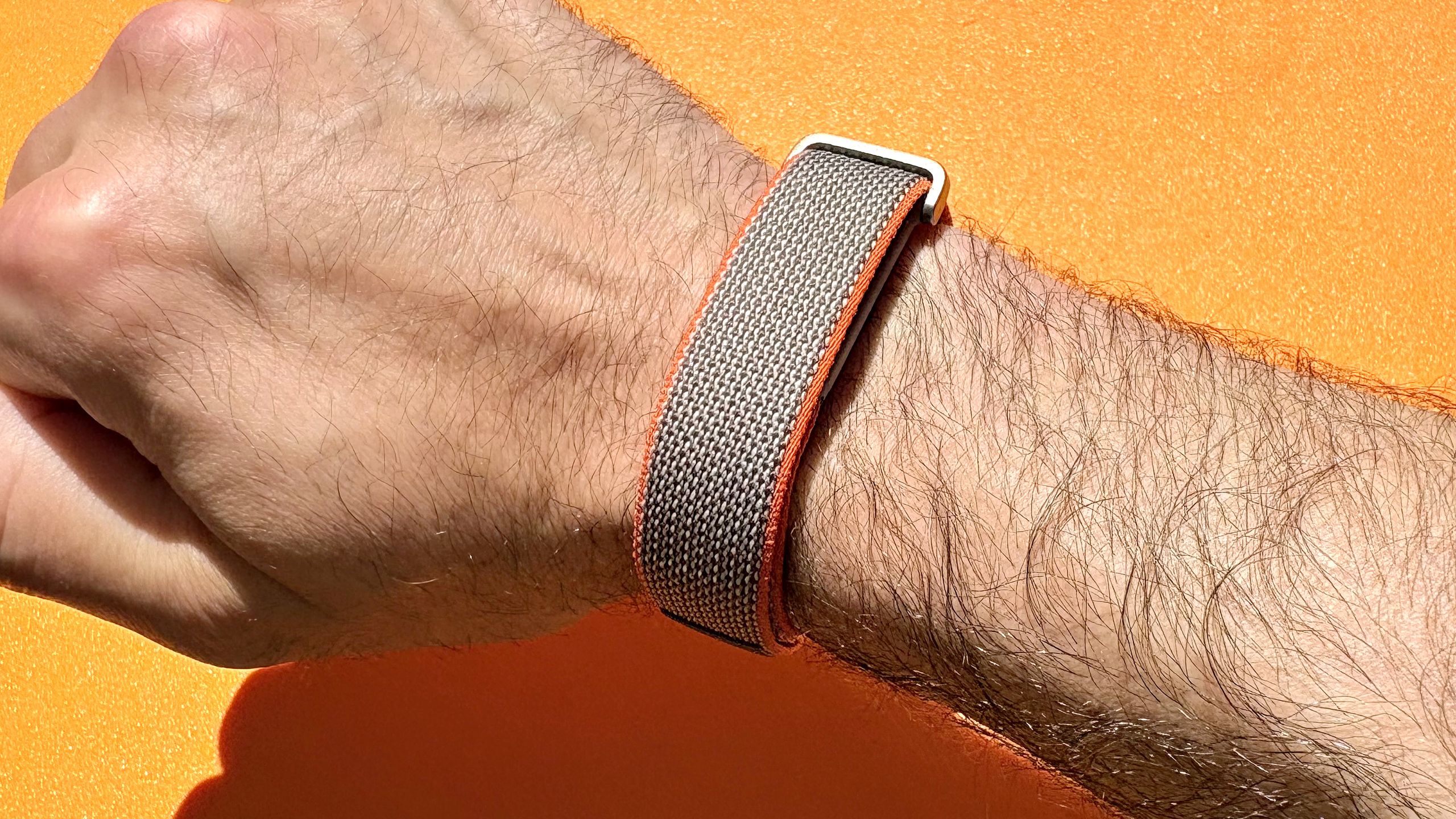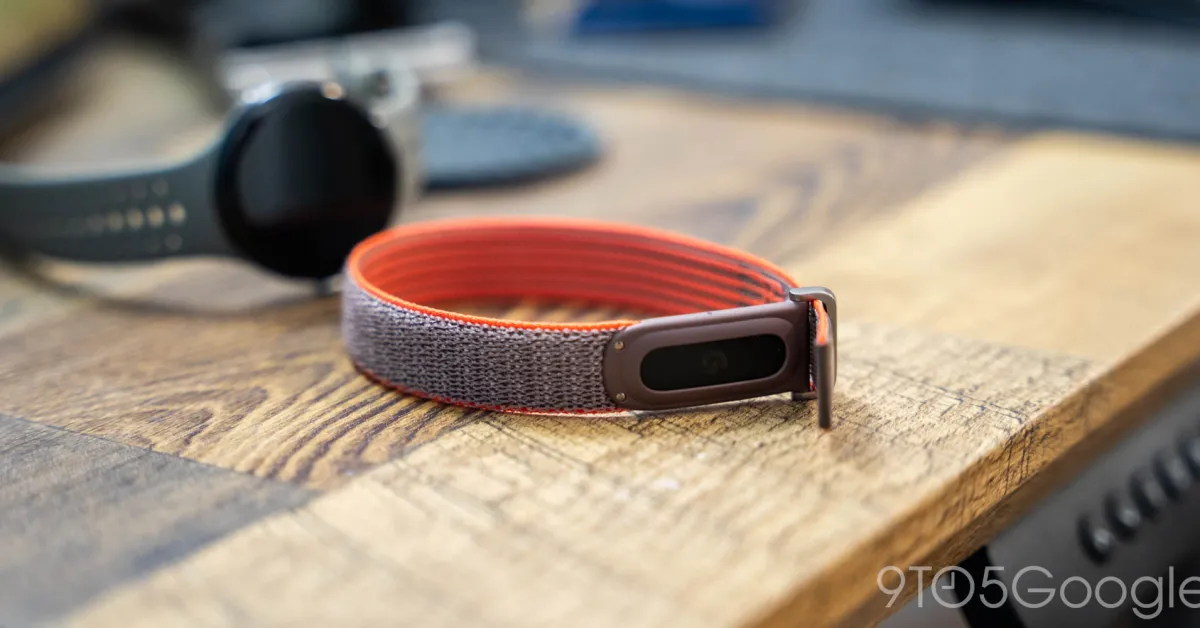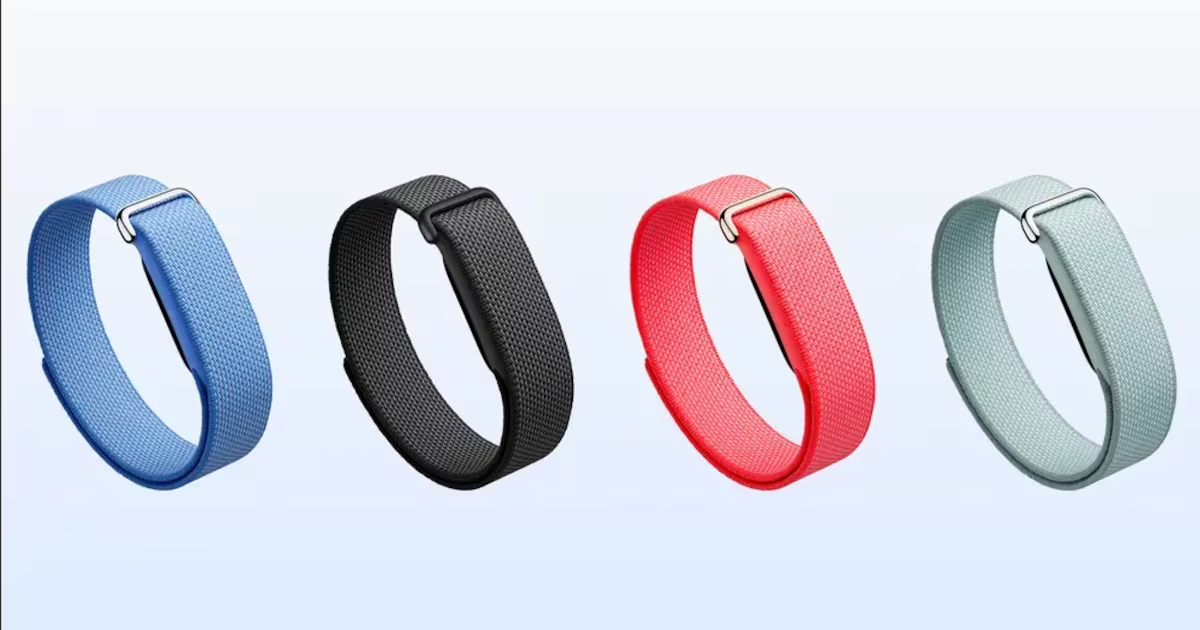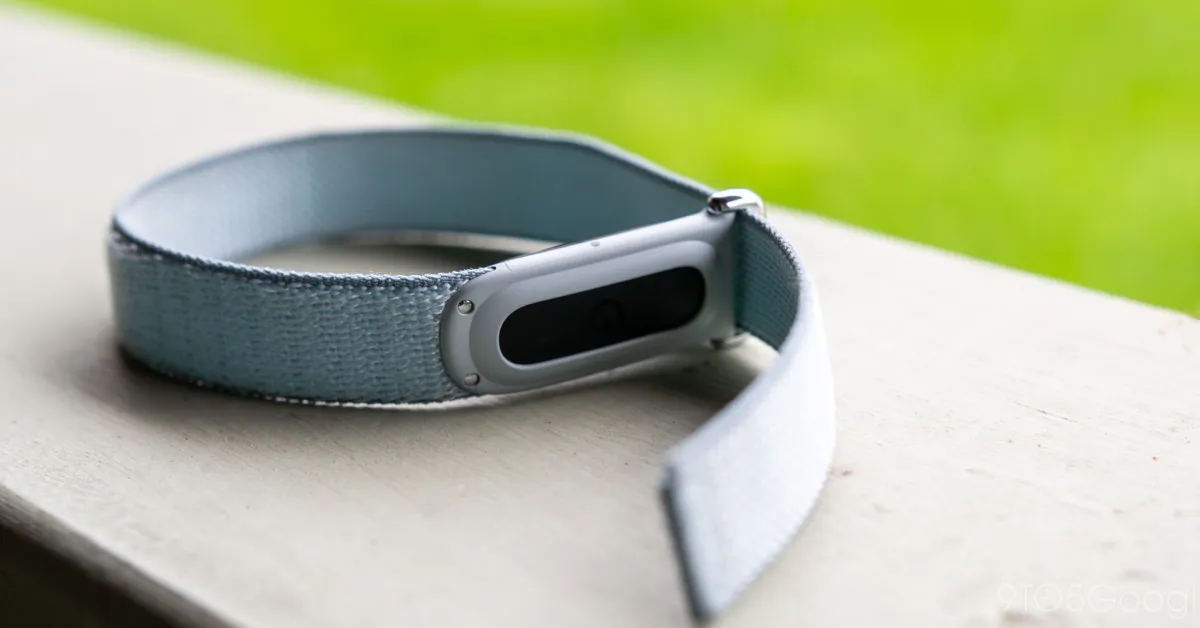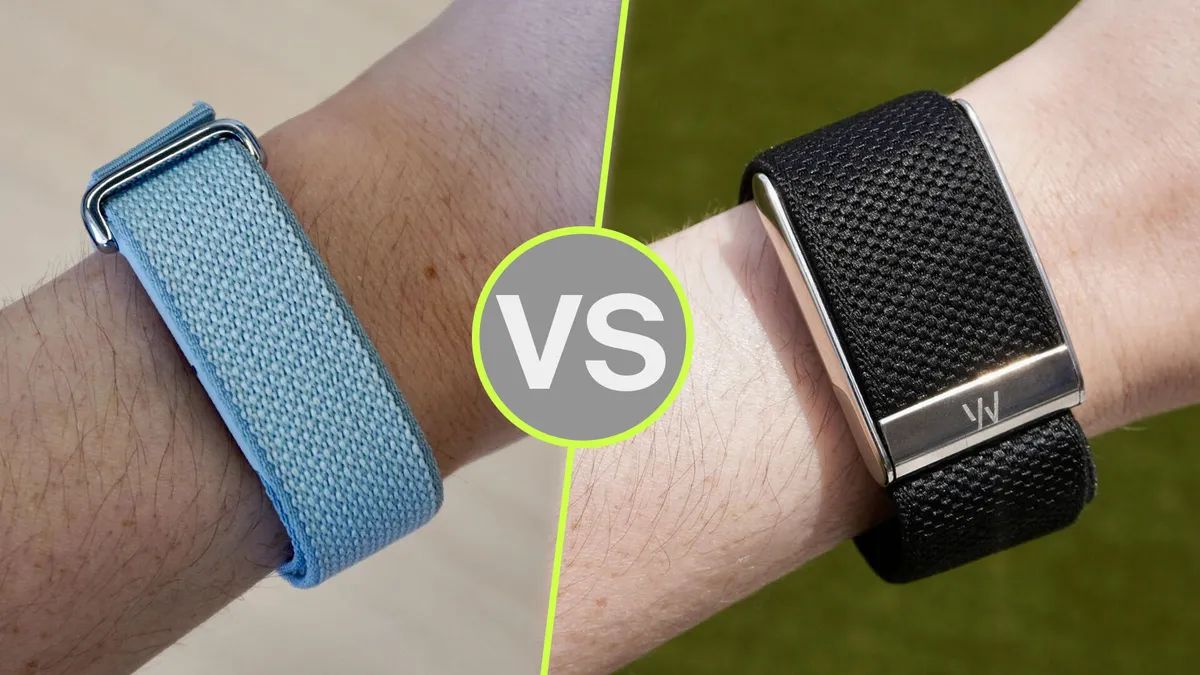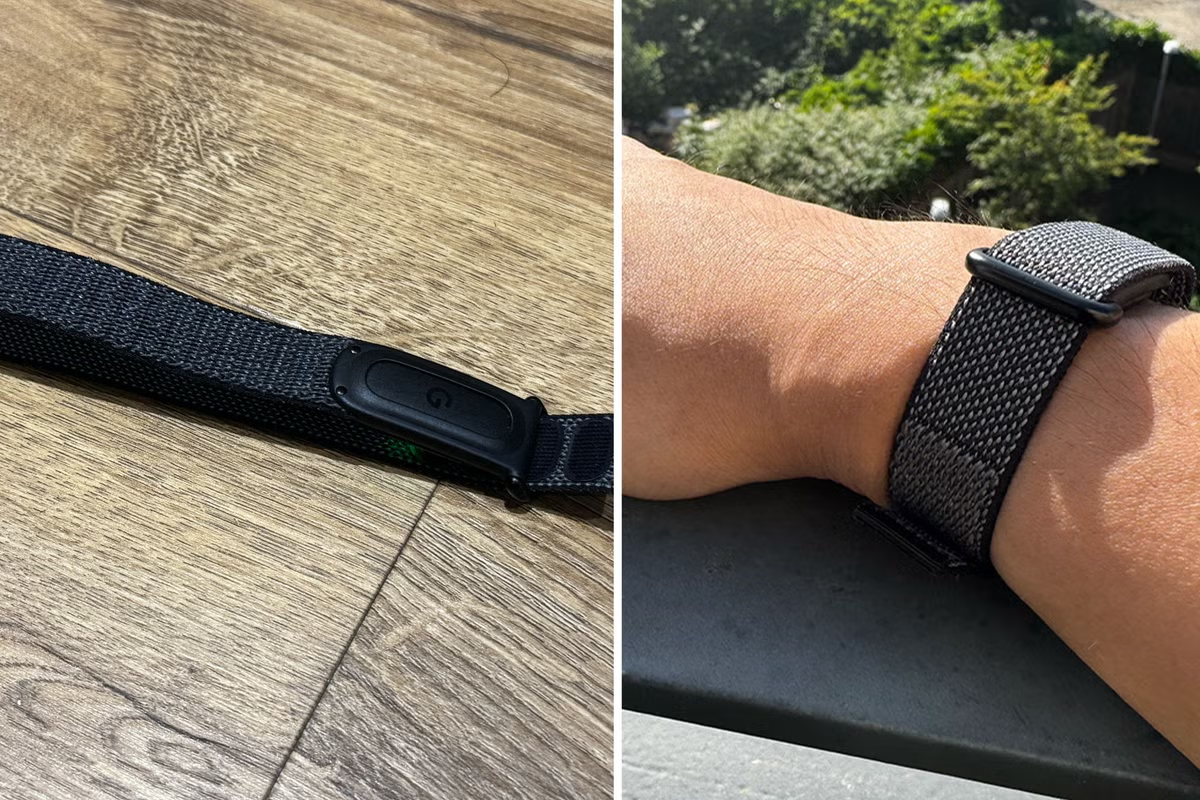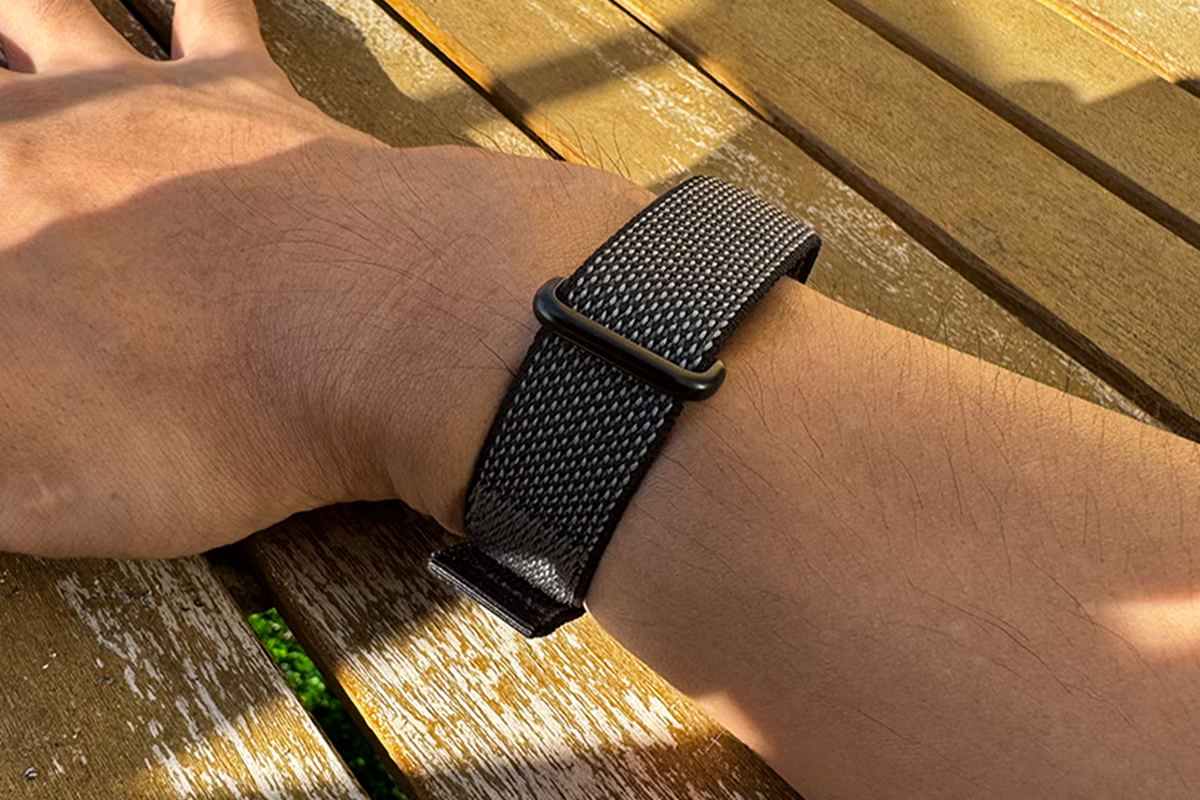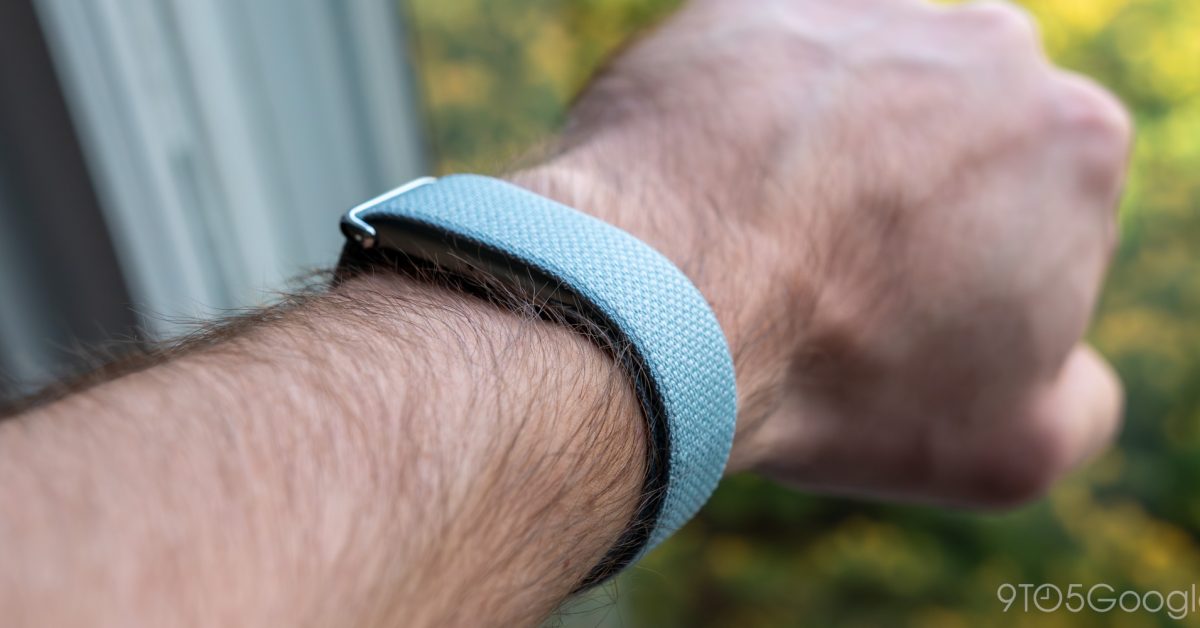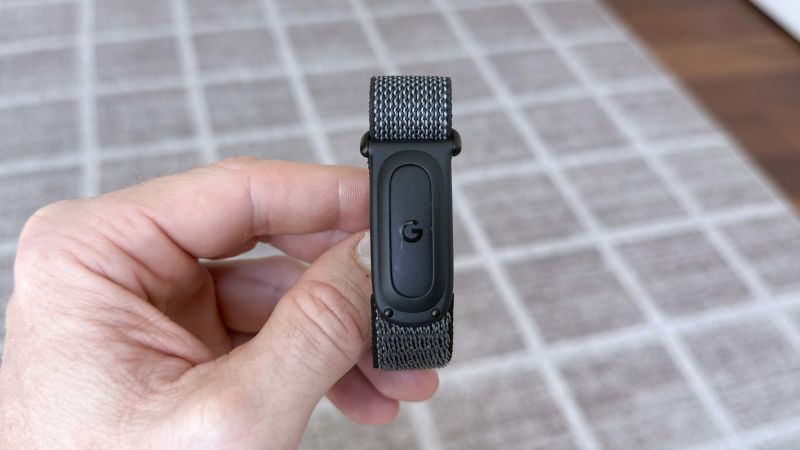
Before I unpackaged my review sample of the Google Fitbit Air, all I’d read online was how this new wearable was about to give Whoop some serious competition. After wearing it 24/7 for two weeks, I can safely say that those early headlines were spot-on. But I refrain from calling it a legit Whoop killer, even though it comes quite close.
For the average user, the $100 Fitbit Air is the ideal screenless health tracker. While the Whoop band itself is technically free, its subscription plans start at $199 per year, with higher tiers at $239 and $359 annually. Google offers a far cheaper subscription fee for access to its premium features, charging $10 per month or $100 per year. It also offers just the right amount of data and coaching insights that are easy to digest.
The Whoop experience, on the other hand, is tailored to a more advanced athlete who can better take advantage of its far higher membership cost and comprehensive data, even if Whoop has never explicitly said this. Because of its more premium utility, the Whoop will never truly be killed, certainly not by something as basic as the Fitbit Air.
Now, to be clear, the Fitbit Air isn’t a traditionally basic wearable, but it is simple in terms of what’s to be expected of a modern health tracker. It offers a far richer experience than the Apple Watch and is akin to something like the Oura Ring in terms of the in-depth data it provides. For those interested in tracking personal data beyond steps and calories burned, it offers a fantastic entry point. I just don’t see it swaying the Whoop power user. And that’s fine; it doesn’t have to.