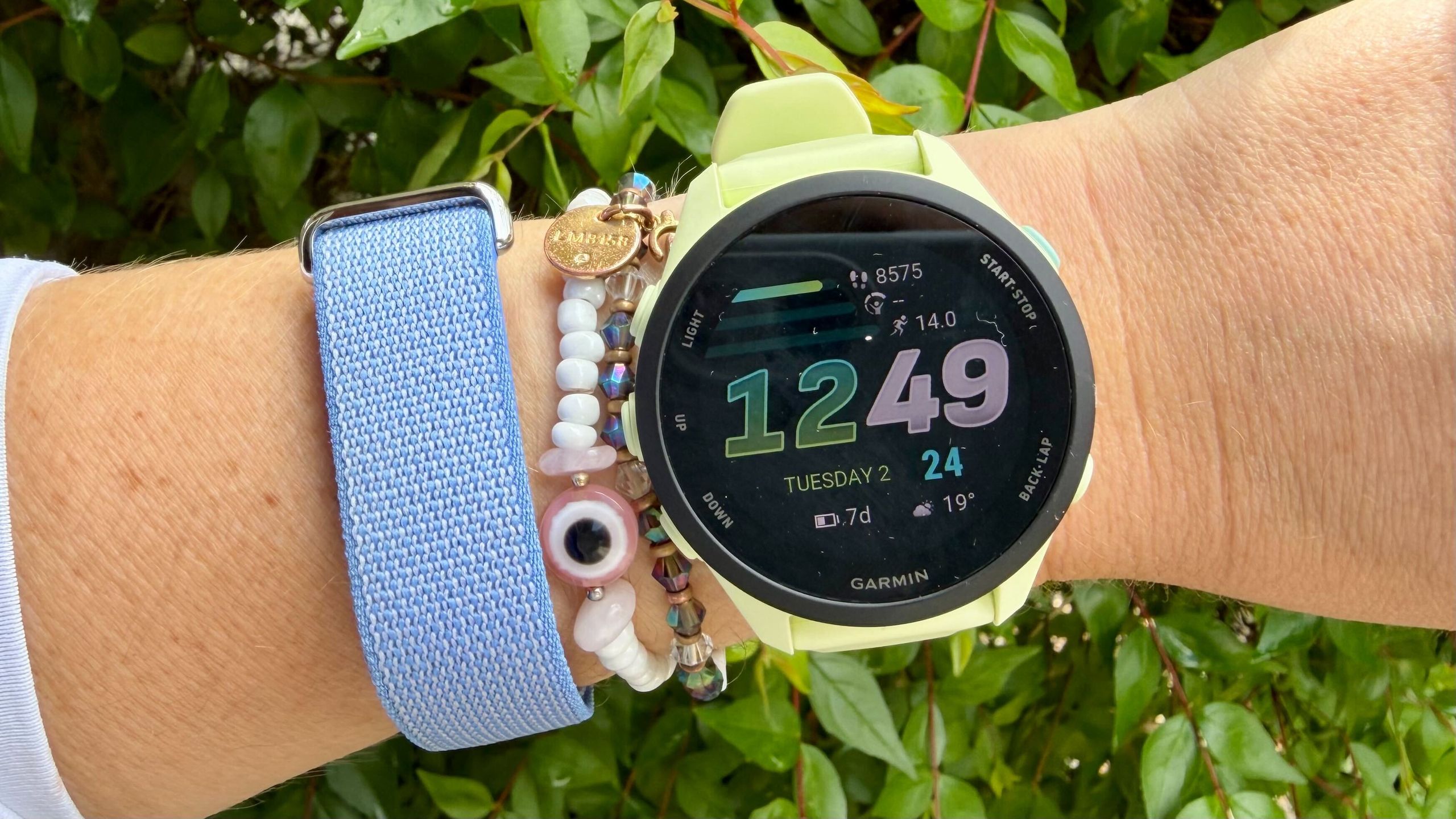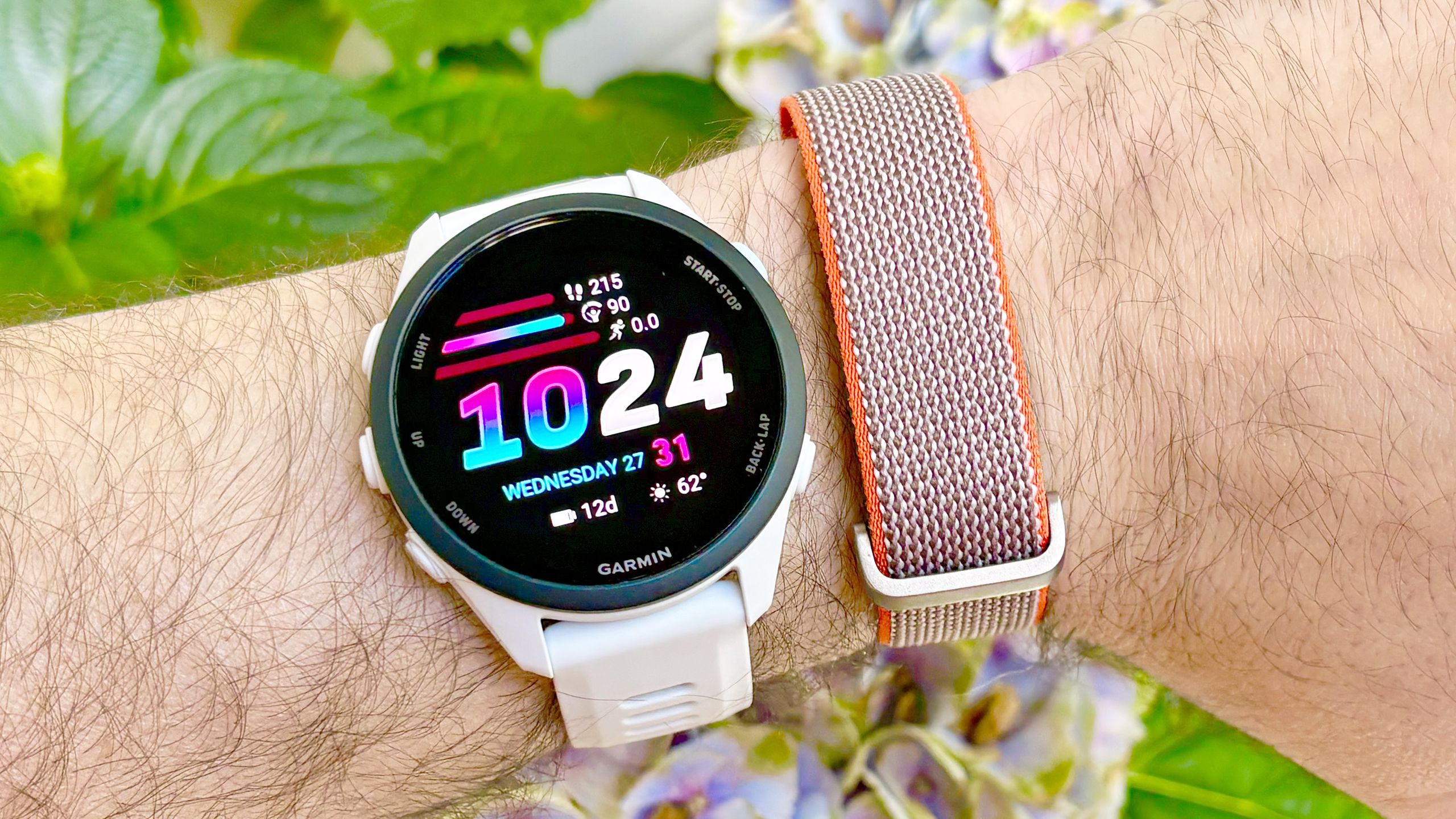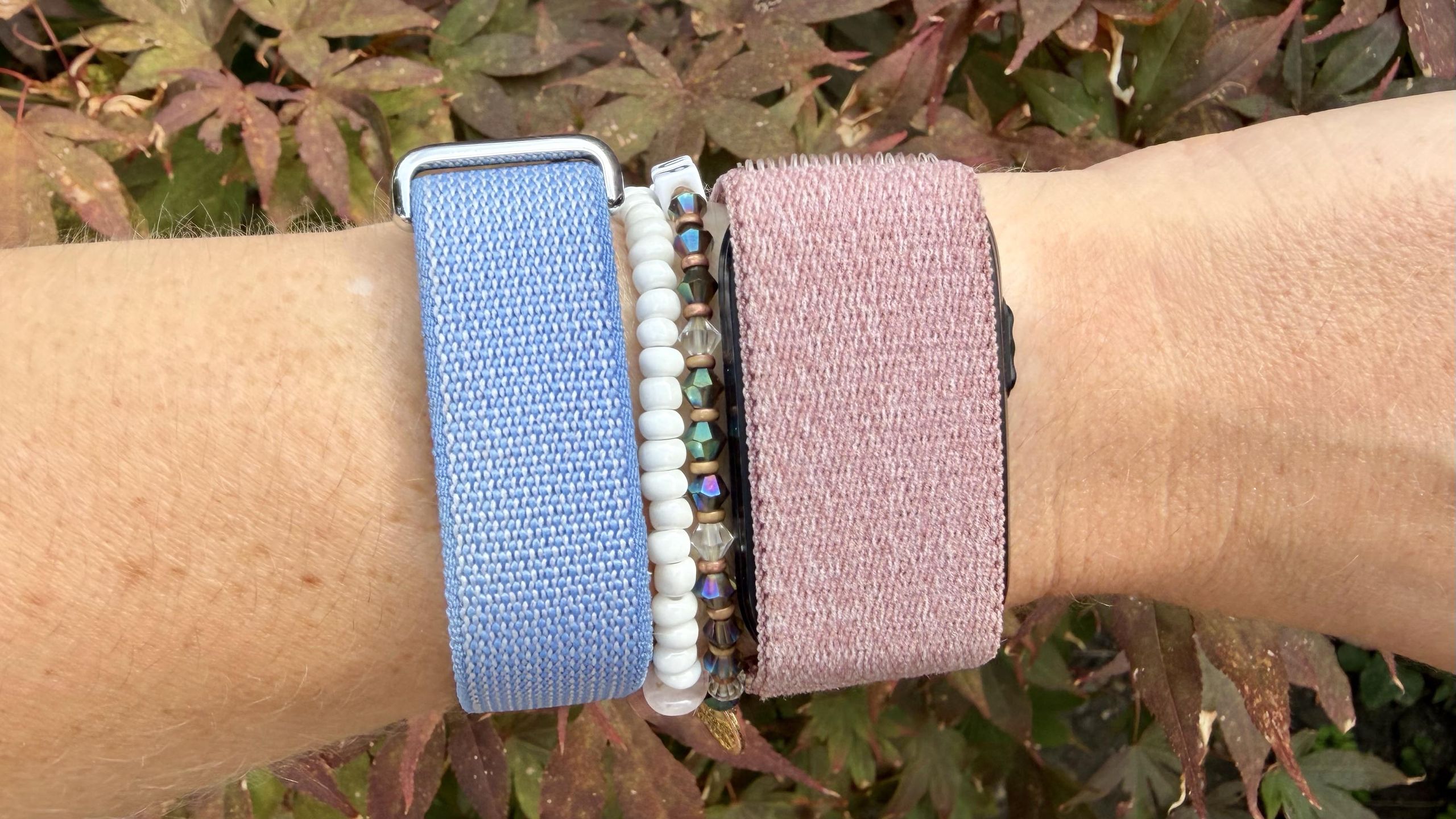
(Image credit: Dan Bracaglia/Tom's Guide)
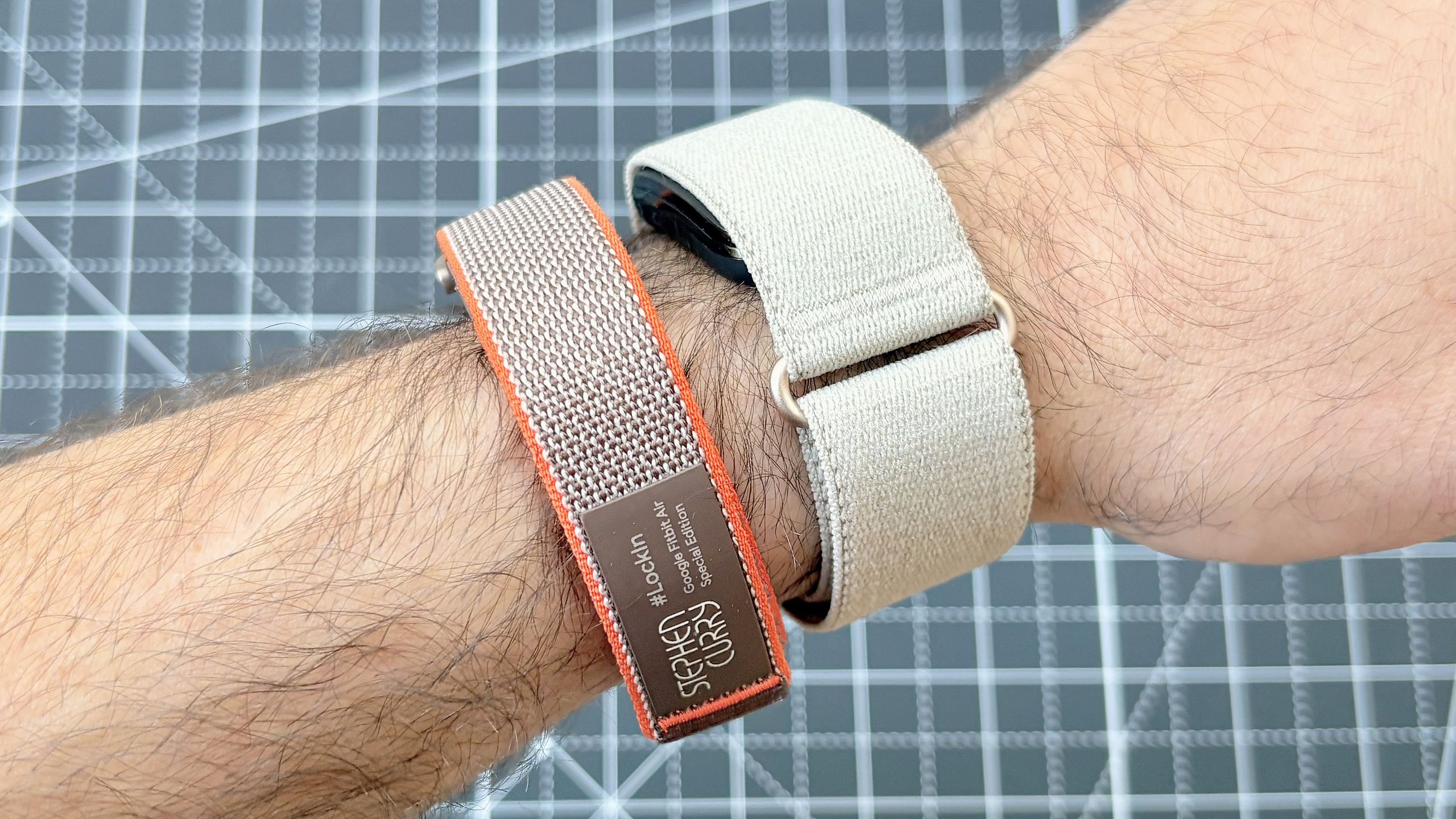
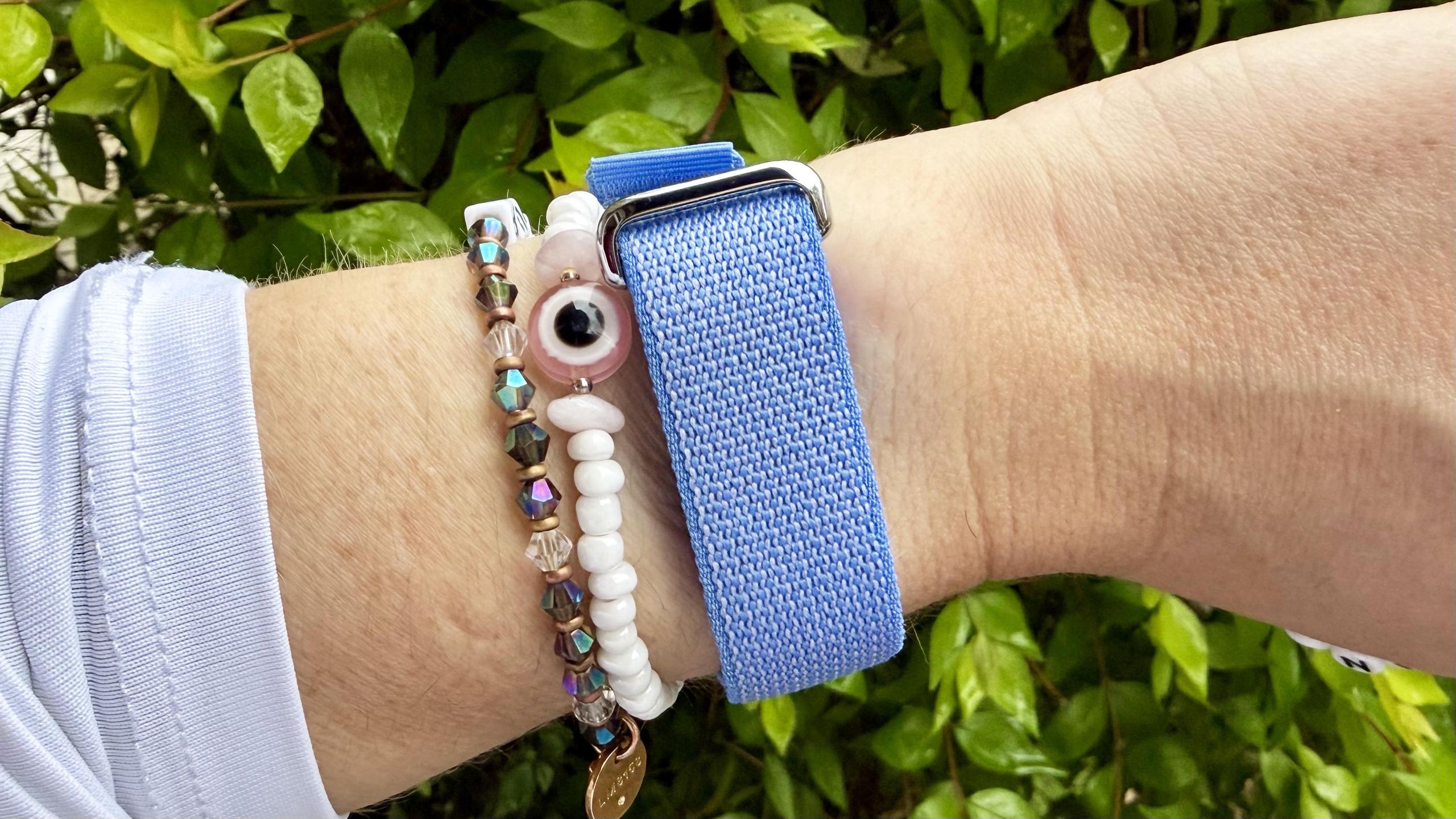
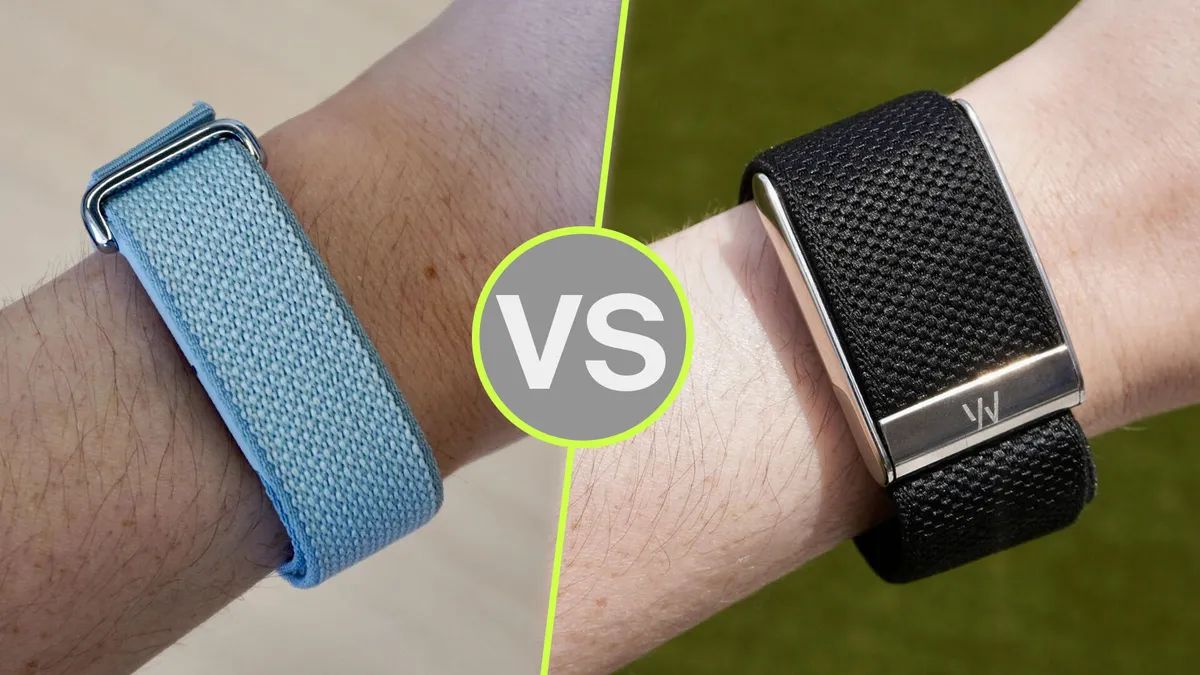
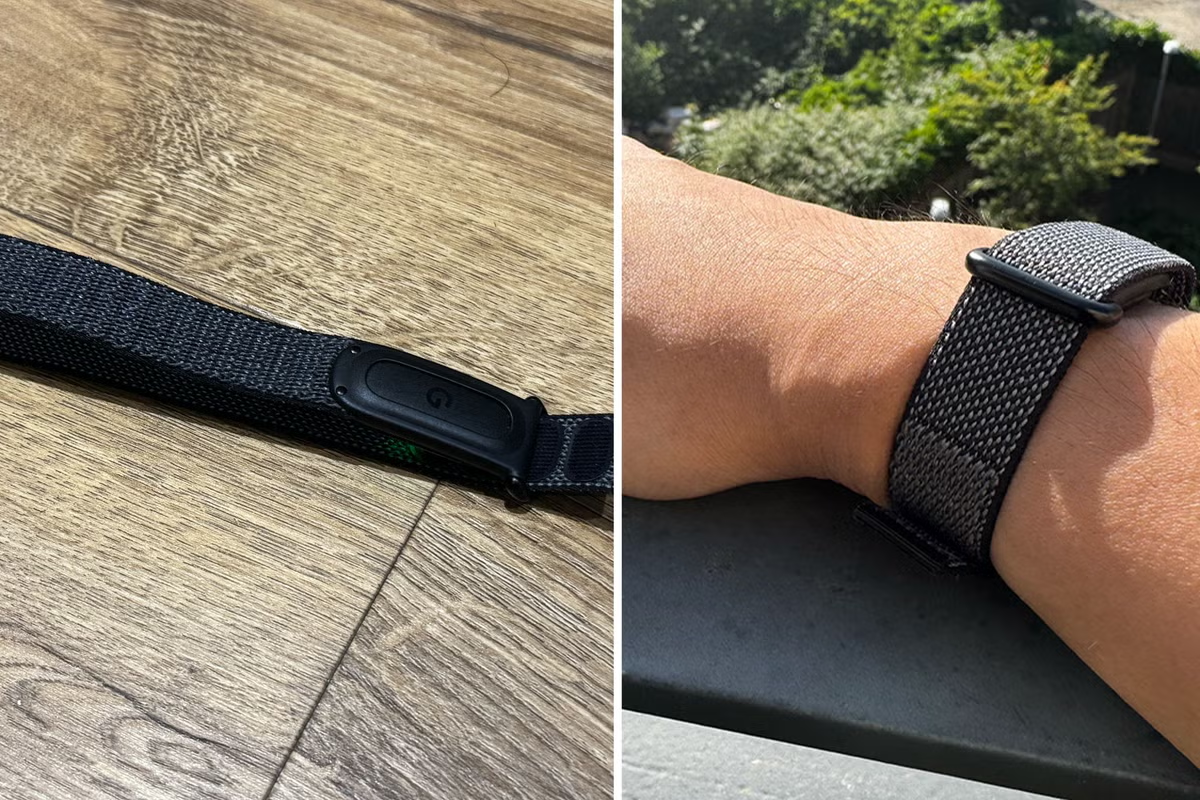
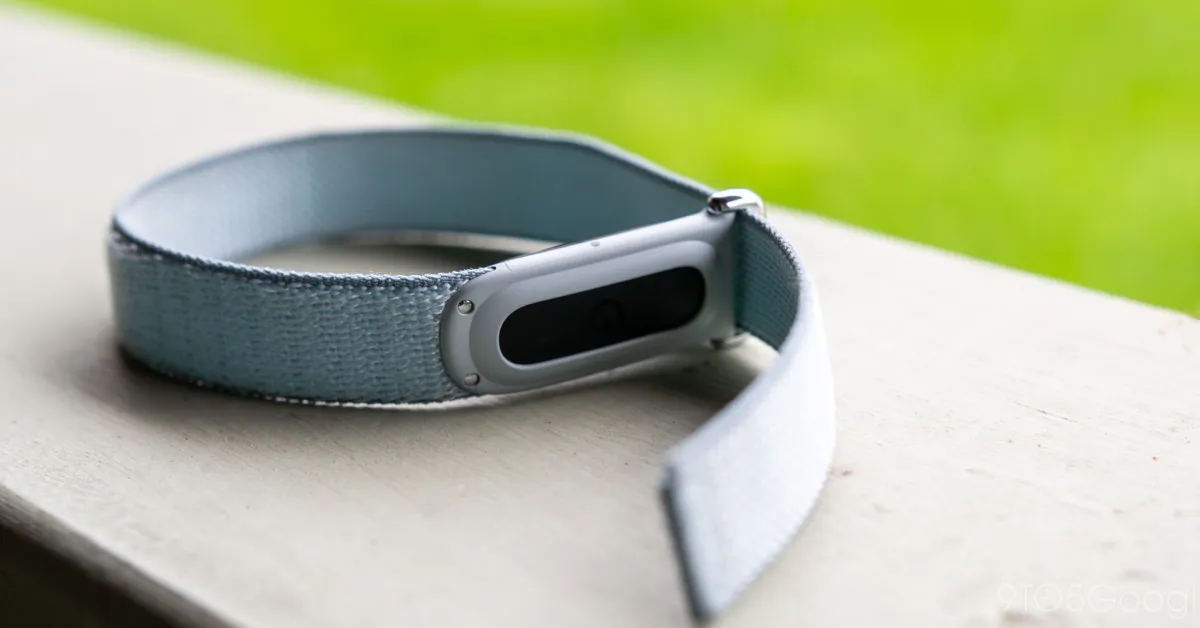
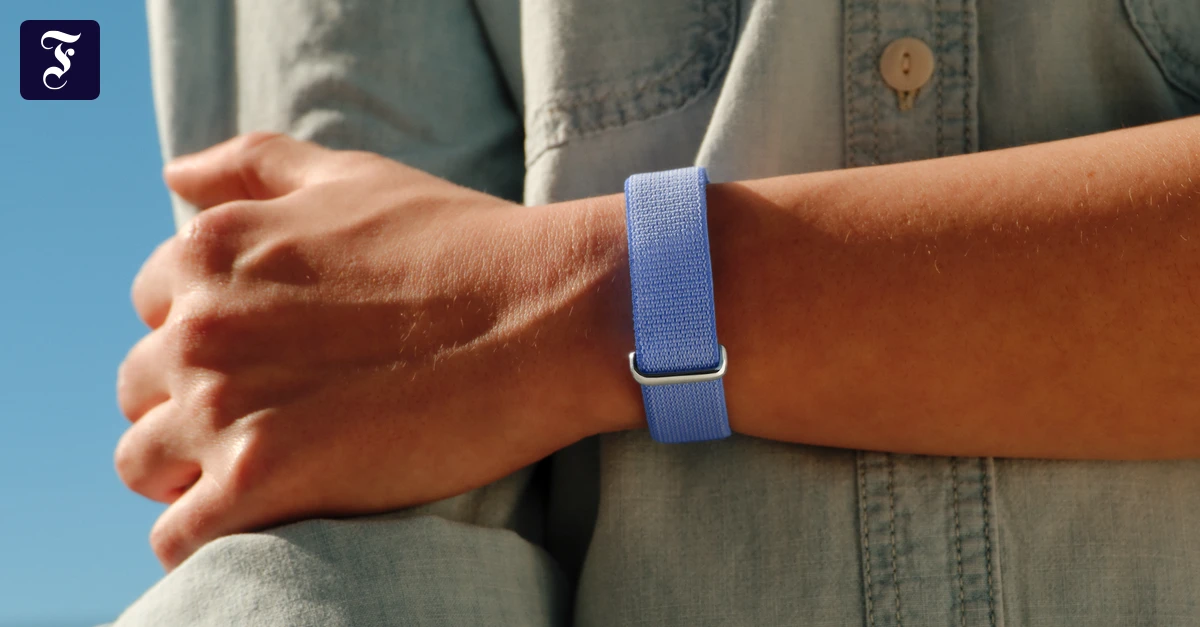
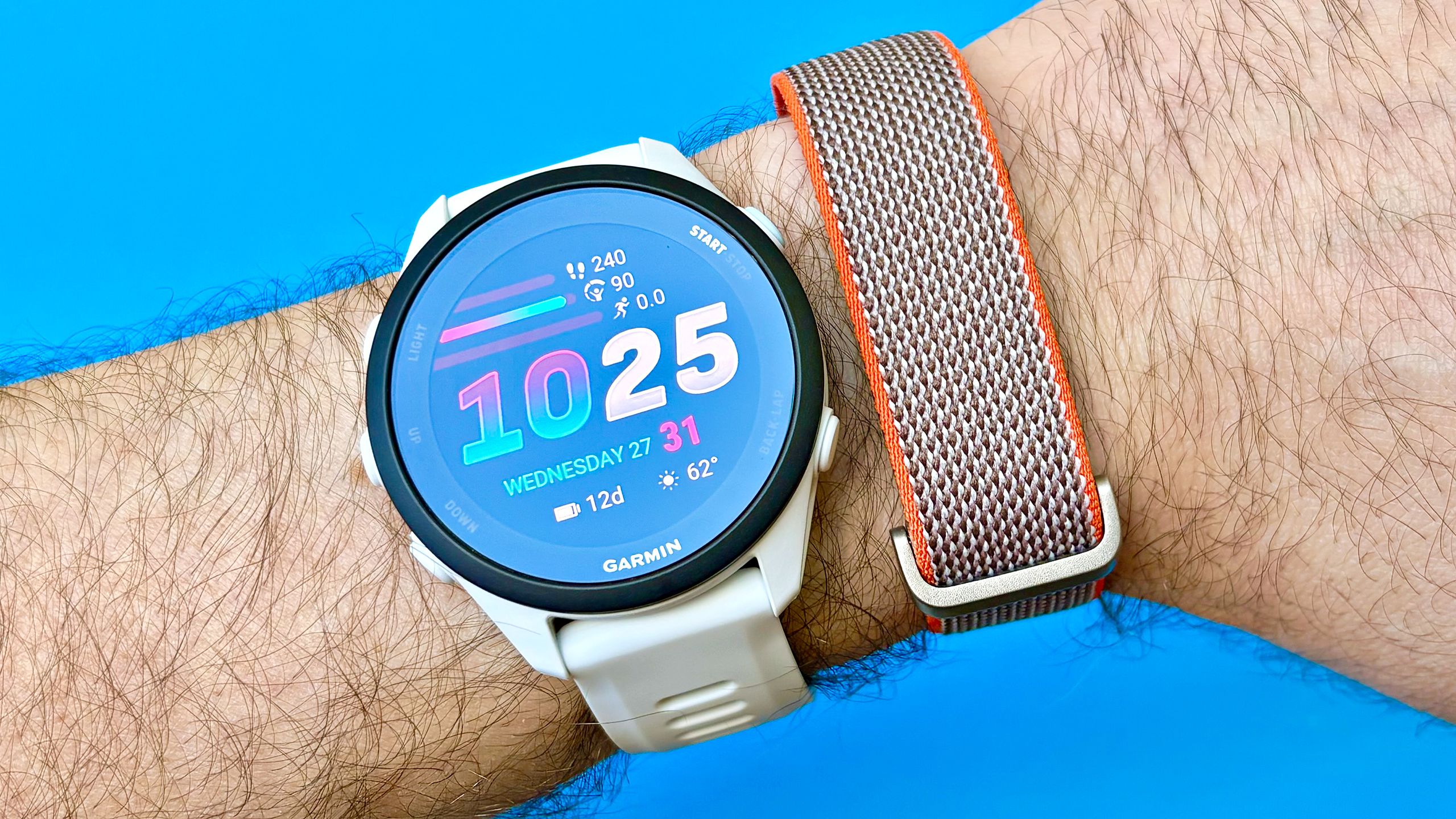
I tested the fitness tracking performance of the new Fitbit Air versus the (also) new Garmin Forerunner 70, and was seriously amazed by the results.The Fitbit Air is a screen-less, wallet-friendly alternative to the Whoop 5.0, while the Garmin Forerunner 70 is the brand’s latest entry-level running watch, replacing the beloved but aging Forerunner 55.To find out which of these 2026 wearables is the more accurate fitness tracker, I walked 3,000 steps with the Garmin on my left wrist and the Fitbit on my right. As a primary control for this head-to-head, I manually counted my steps (with some help from my trusty, old-school tally counter). Additionally, I logged my walk using the Strava app on an iPhone 16 Plus.Fitbit Air vs Garmin Forerunner 70: fitness tracking accuracy comparedBefore diving into the results, it’s worth noting some key differences between these two devices. For one, the Garmin Forerunner 70 is $250 on Amazon and other major retailers, which is more than twice the cost of the $99 Fitbit Air.Both wearables offer their primary health and fitness tracking features without a subscription. Want personalized insights, trend reports, workout recommendations, and more? Google Health Premium for the Fitbit Air is $9.99 a month or $99 for the year, while Garmin Connect+ is $6.99 a month or $69.99 annually.The other notable difference is that the Garmin Forerunner 70 sports an onboard GPS while the Fitbit Air doesn’t. This means you'll need to carry your smartphone for location and elevation data when tracking an outdoor workout with the Air, something that isn’t the case for the Forerunner 70.Now, on to the test results!Get instant access to breaking news, the hottest reviews, great deals and helpful tips.Fitbit Air vs Garmin Forerunner 70: Walk test results Swipe to scroll horizontally3,000-step walk comparison vs Garmin vs StravaHeader Cell - Column 0 Fitbit AirForerunner 70ControlSteps3,004 steps2.996 steps3,000 steps (manual count)Distance1.61 miles1.57 miles1.60 miles (Strava)Climb165 feet154 feet176 feet (Strava)Average pace (elapsed) 18 mins 31 secs17 mins 48 secs18 mins 21 secs (Strava)Average heart rate116 bpm125 bpmn/aMax heart rate161 bpm163 bpmn/aAny step count total within one hundred steps of my actual tally is considered a fantastic result by TG walk test standards. For this head-to-head, the Fitbit Air and Garmin Forerunner 70 were both within just five steps of the actual tally, a seriously amazing outcome. Strava, meanwhile, logged 3,006 total steps taken.Distance data also lines up nicely across the board, with Fitbit's tally being just a tad closer to the control. The Fitbit Air also delivered a more accurate elevation gain total than the Garmin Forerunner 70, which notably lacks a barometric altimeter for tracking climb data (the Air piggyback's off your phone's altimeter just like it does for GPS).While Strava and Garmin each provide moving and elapsed pace metrics, the Fitbit Air only offers one, and doesn't specify which it is (my money is on the latter). The figures above reflect Garmin and Strava's elapsed pace. For moving pace, Strava noted 17 mins 15 secs per mile, while Garmin logged 17 mins 35 secs.Fitbit's average heart rate metric is quite a bit lower than Garmin's — the Fitbit was on my right wrist and the Garmin on my left, which could be a factor — but both wearables recorded roughly the same max heart rate for the walk, which notably included some extra-steep terrain to get my blood pumping.Fitbit Air vs Garmin Forerunner 70: Winner