Ebola Crisis Exposes Failure of Current Global Health Architecture, says AHF
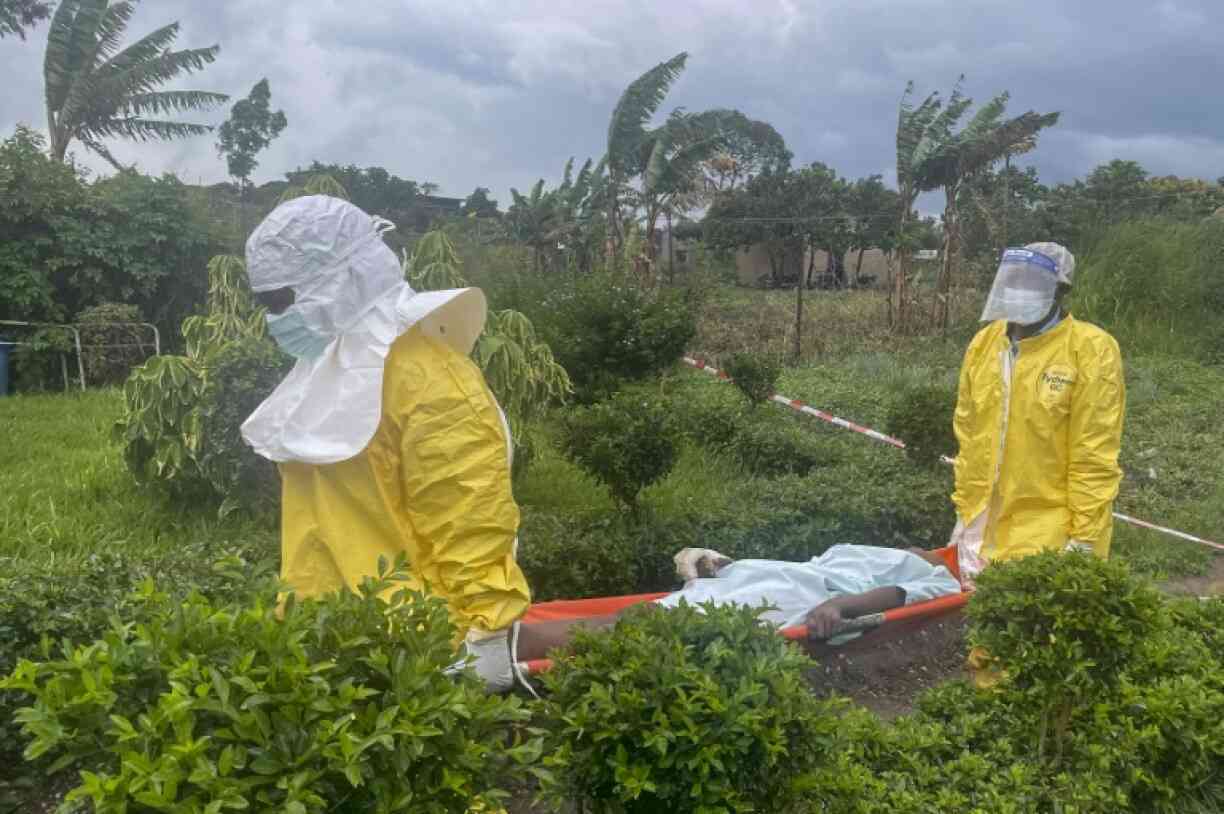
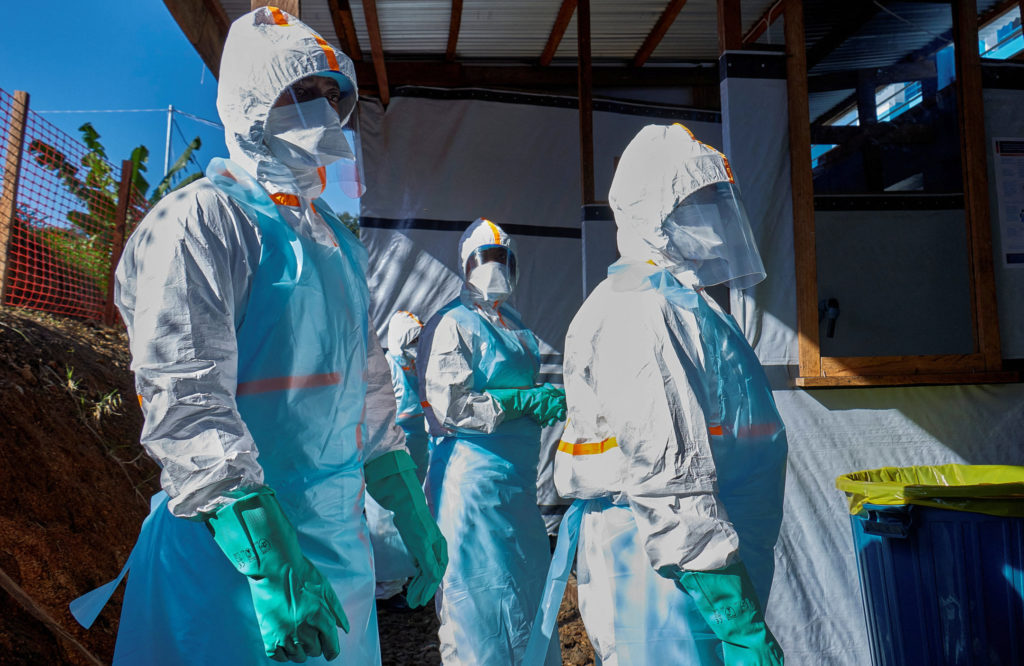
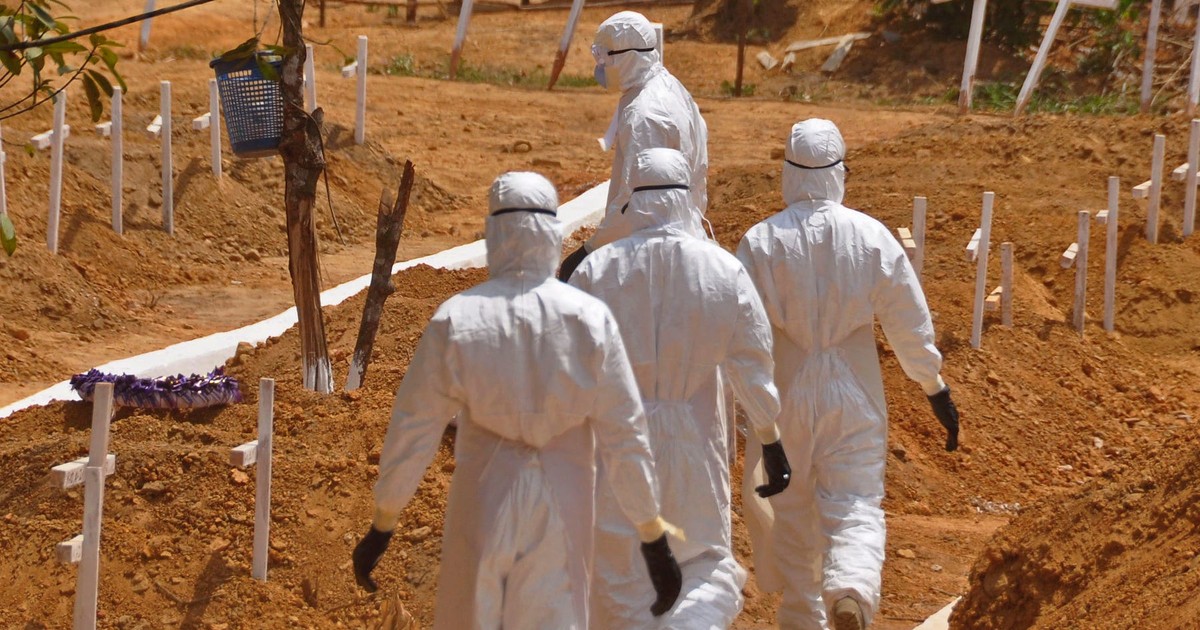
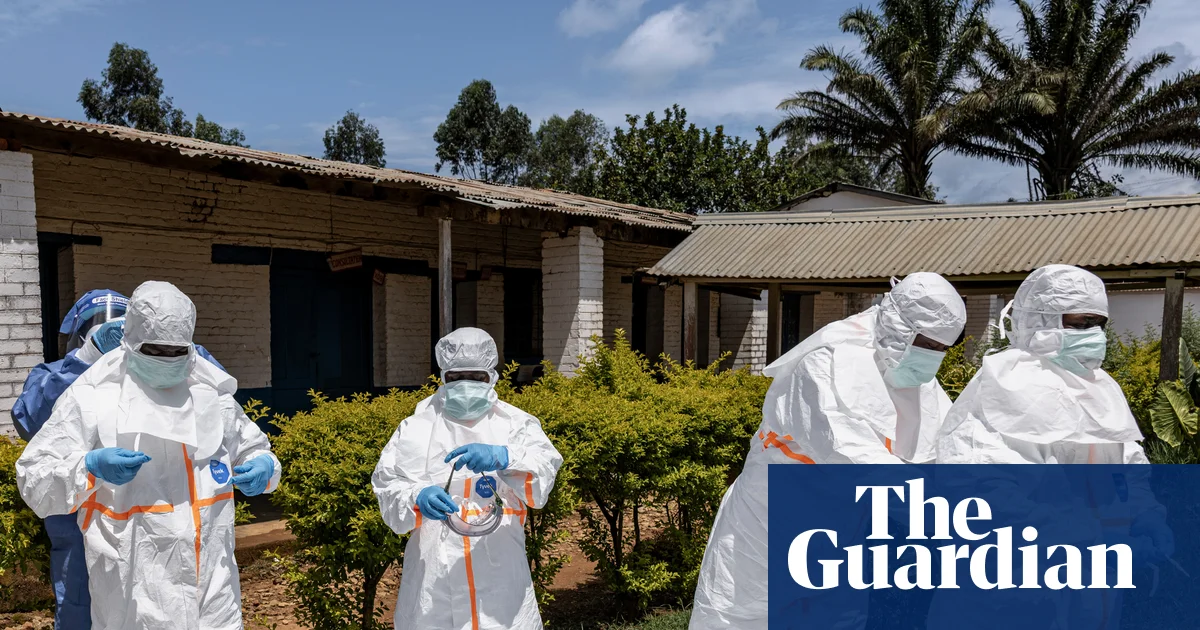
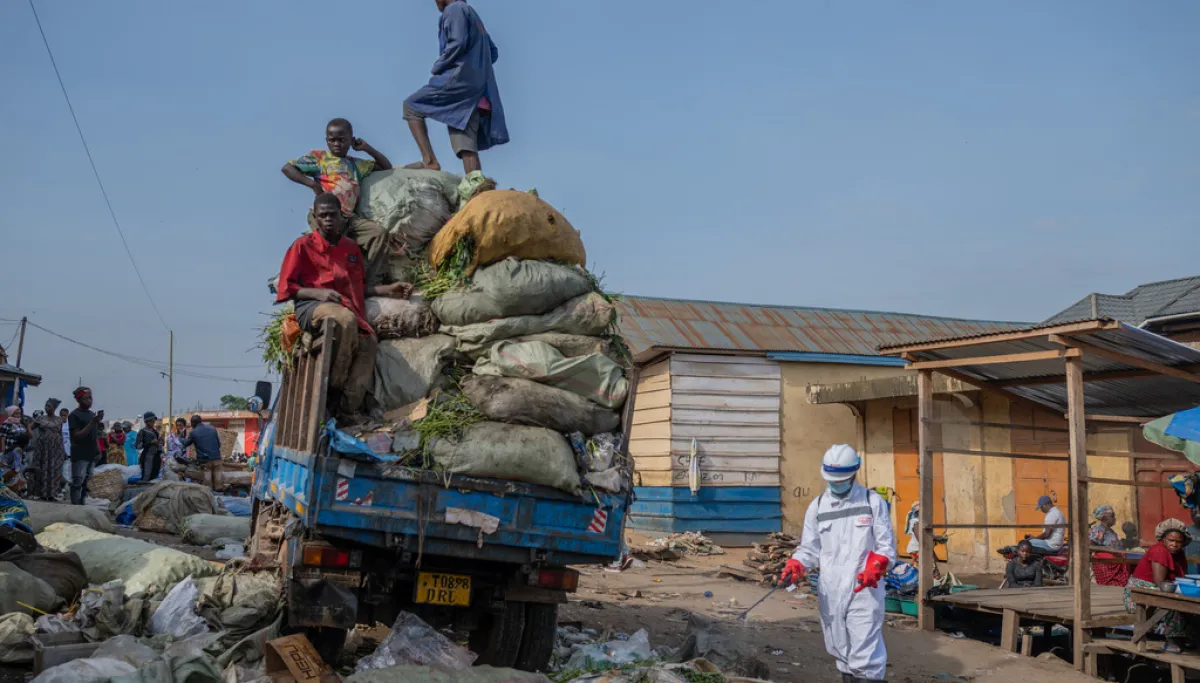
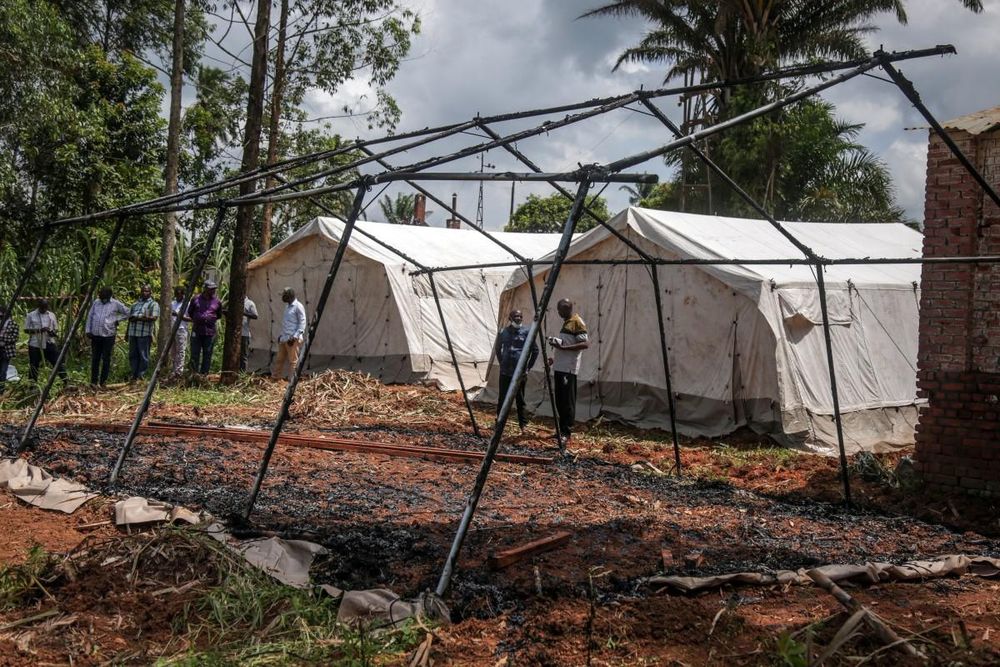
As Uganda and the Democratic Republic of the Congo (DRC) confront a rapidly evolving Ebola outbreak, AIDS Healthcare Foundation (AHF) warns that the crisis highlights persistent weaknesses in the world’s ability to respond quickly and equitably to emerging infectious disease threats. The current outbreak involves the Bundibugyo strain of Ebola virus, for which no approved vaccines or therapeutics currently exist, heightening concerns among global health officials and frontline responders, according to reporting by Health Policy Watch.
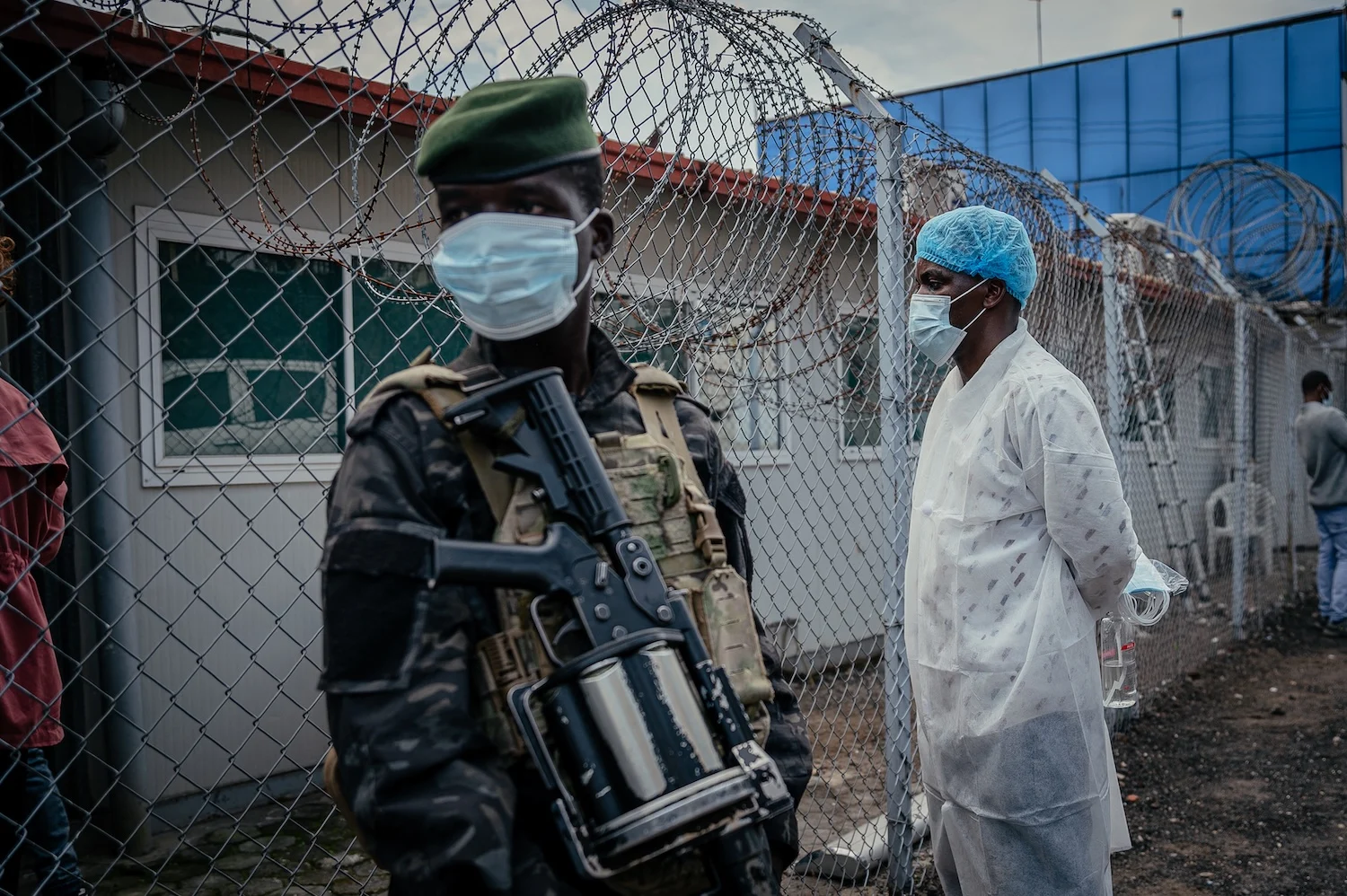
The World Health Organization has declared the outbreak a Public Health Emergency of International Concern (PHEIC), while the Africa Centres for Disease Control and Prevention has designated it a Public Health Emergency of Continental Security (PHECS). According to public reporting, more than 900 suspected cases and over 200 suspected deaths have been identified as surveillance and laboratory testing efforts continue to expand.
“Outbreaks like Ebola remind us that pathogens do not respect borders, politics, or wealth,” said Dr. Jorge Saavedra, Executive Director of the AHF Global Public Health Institute and a former member of the Harvard–London School of Hygiene & Tropical Medicine Independent Panel on the Global Response to Ebola convened following the 2014–2016 West Africa outbreak. “The world cannot continue repeating the same cycle of delayed action, unequal access, and fragmented cooperation every time a dangerous infectious disease emerges. Preparedness must be rooted in solidarity, transparency, and equity—not nationalism and scarcity.”