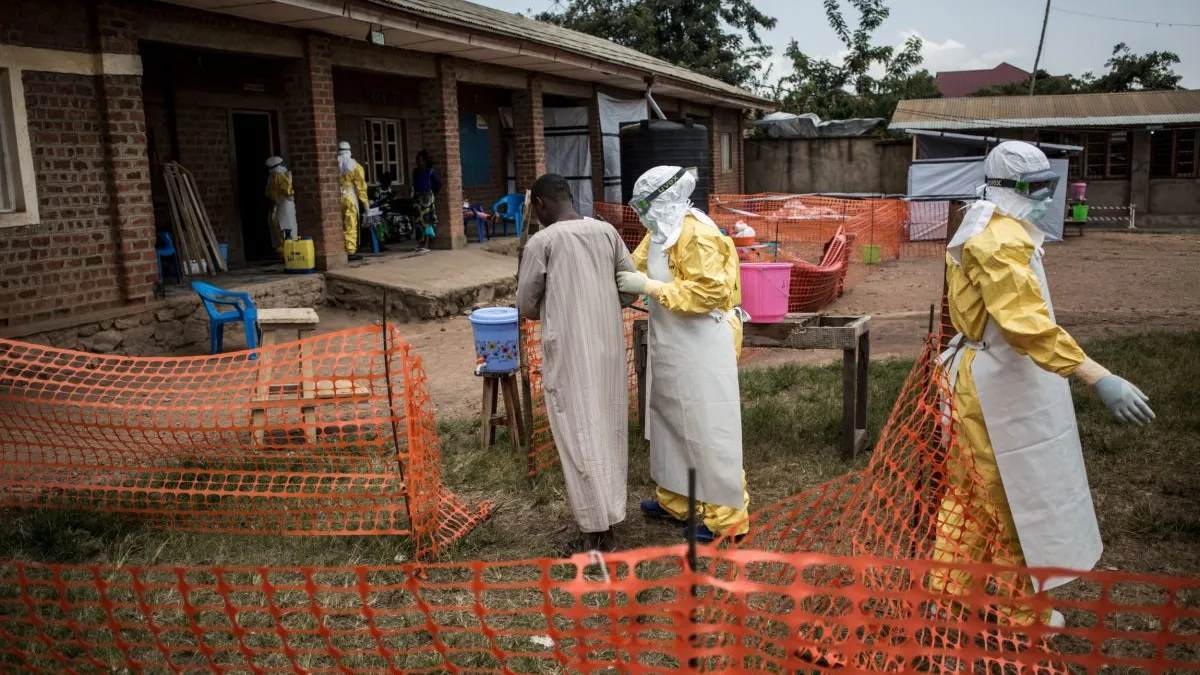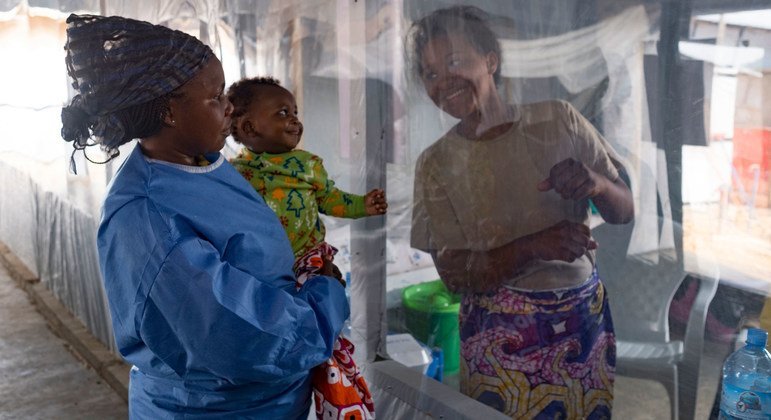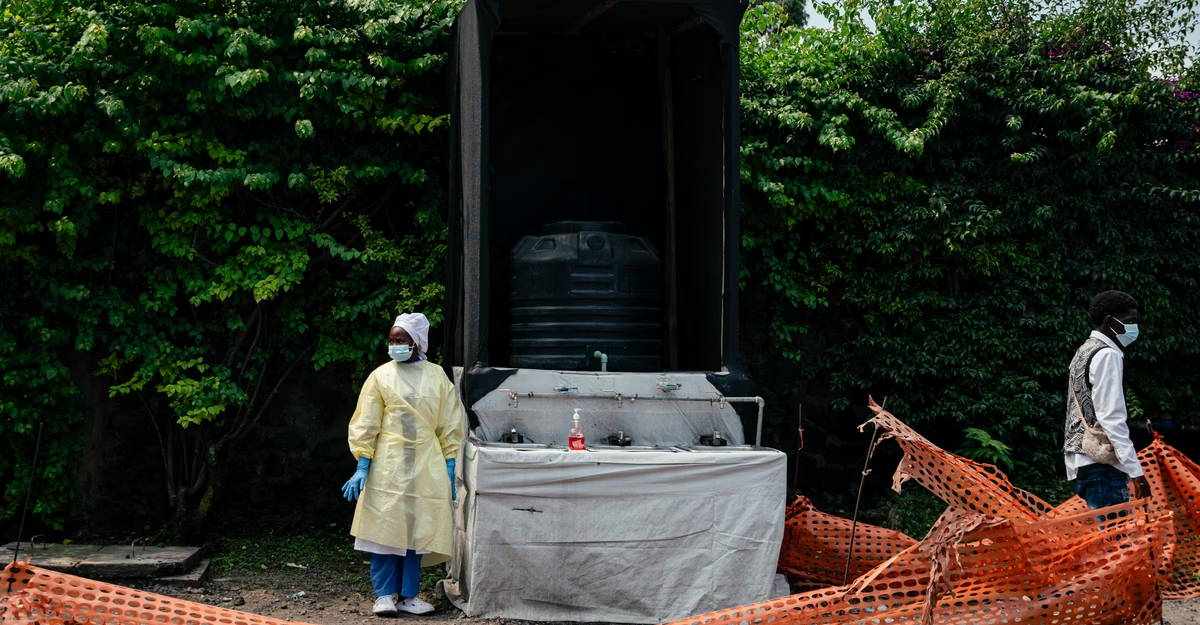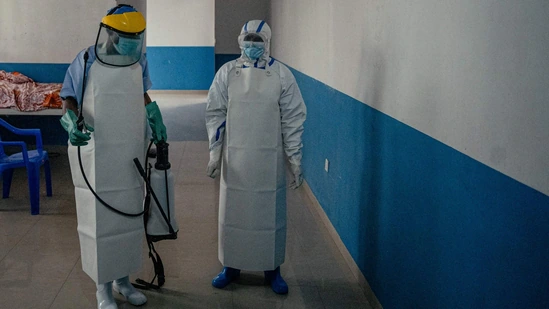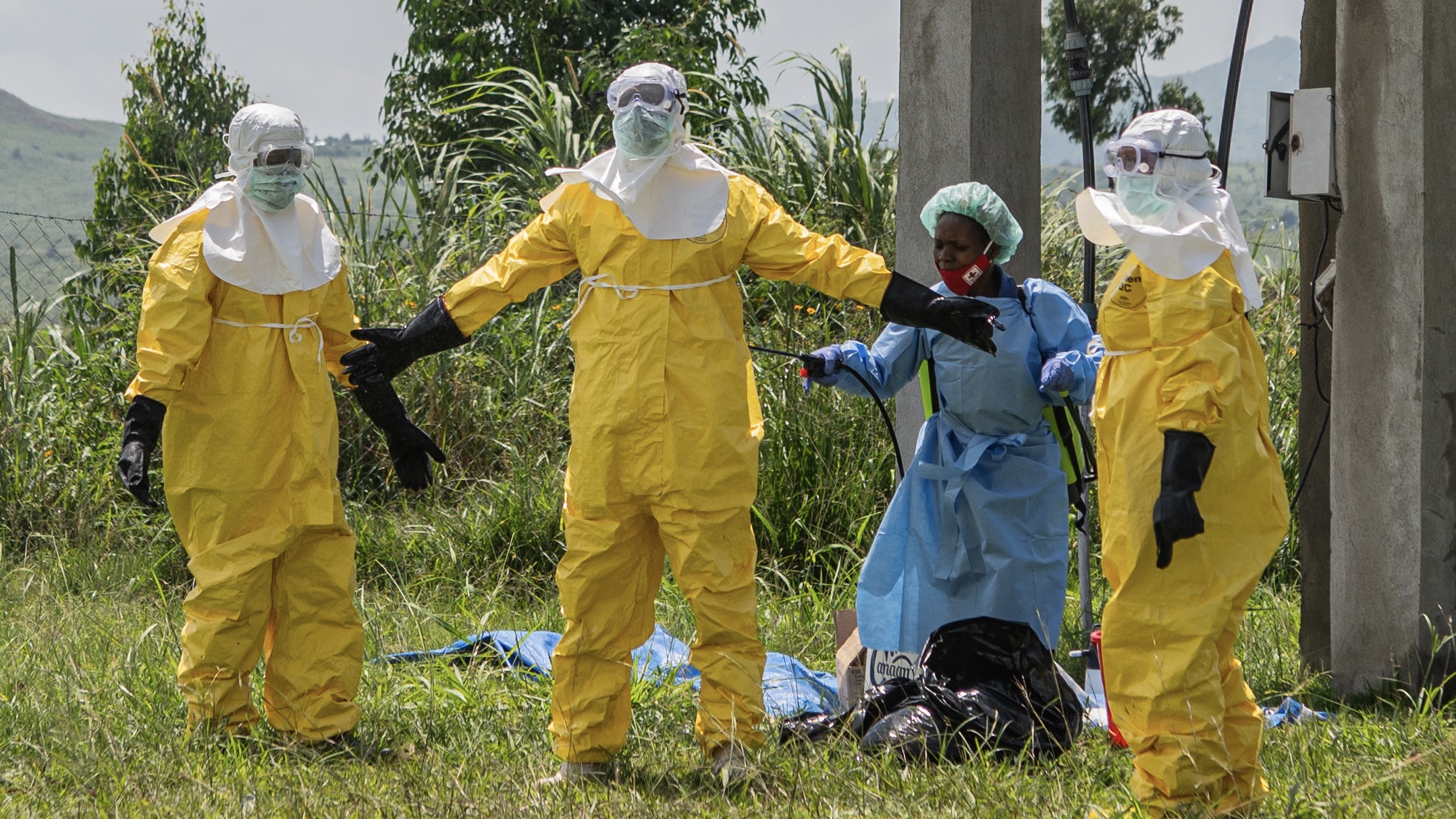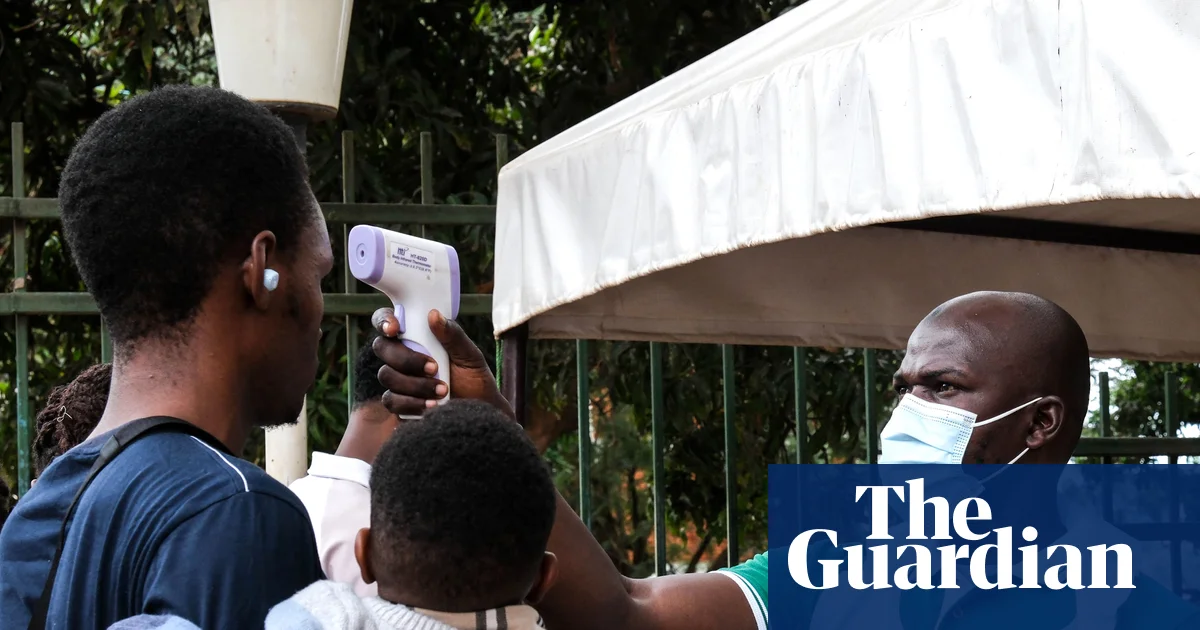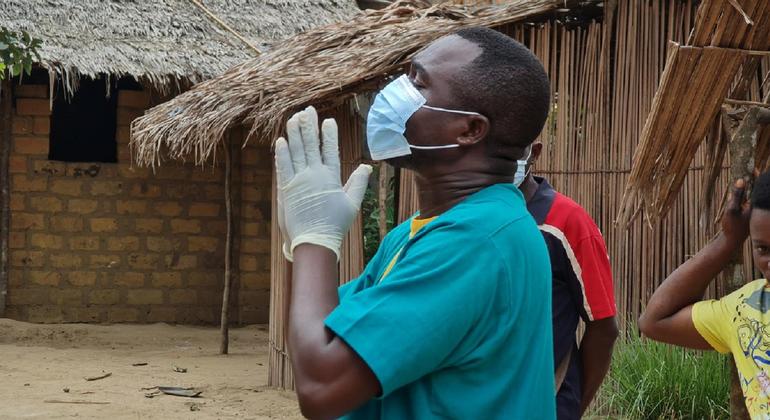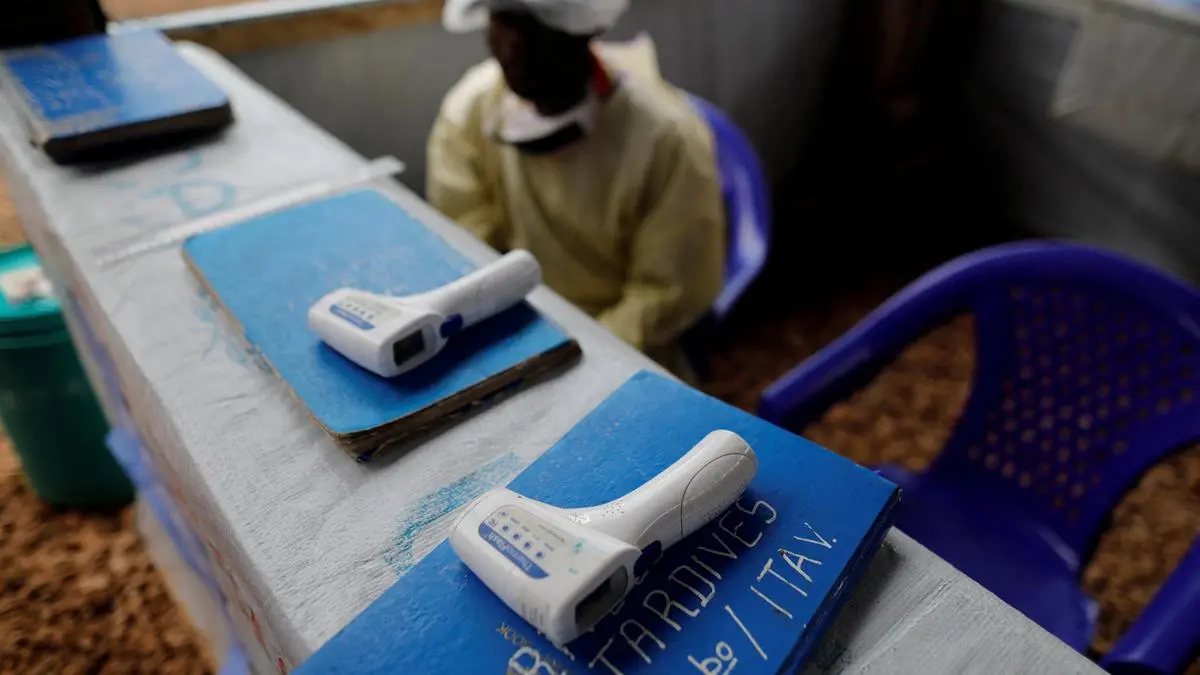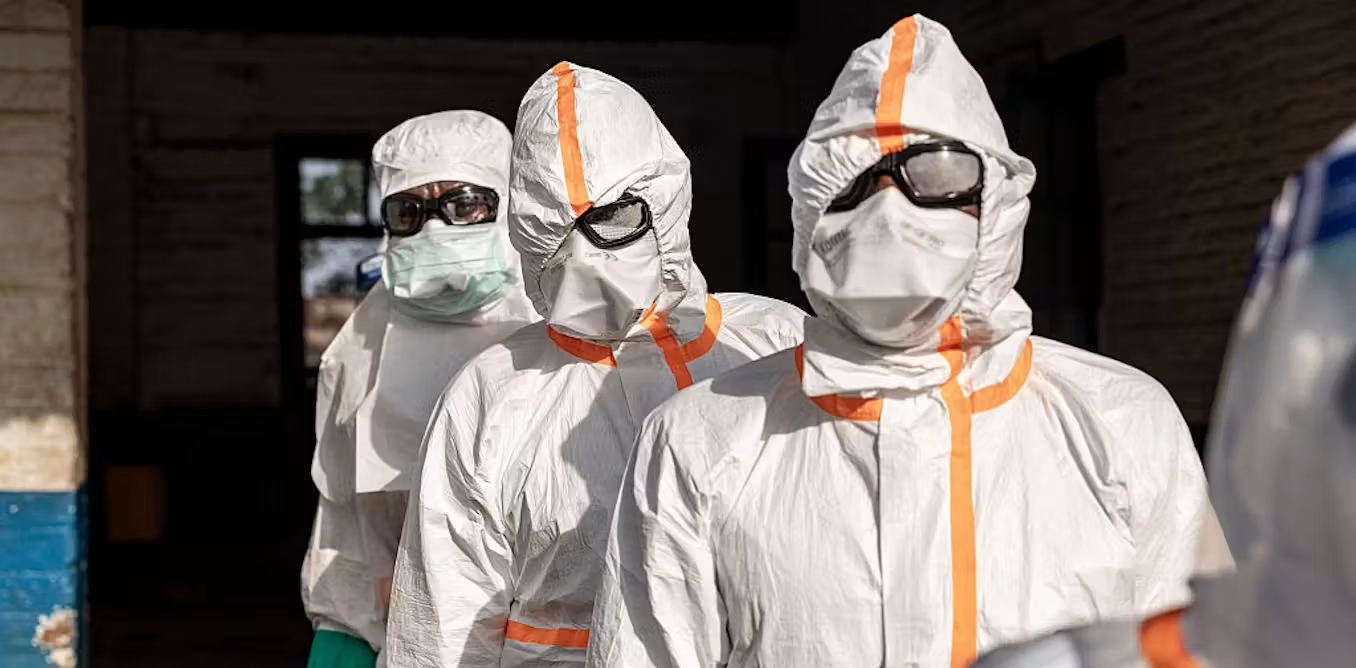
As delegates met this week in Geneva to debate pandemic preparedness at the World Health Assembly, an Ebola crisis in the Democratic Republic of the Congo and Uganda was once again testing the world’s outbreak response architecture.
On May 15, Congo formally declared a new Ebola epidemic in Ituri province, in the country’s east, after laboratory confirmation of multiple cases and dozens of suspected deaths. Spread into Uganda was confirmed soon afterward. Two days later, the director-general of the World Health Organization (WHO) declared the outbreak a public health emergency of international concern without first convening an emergency committee—an unprecedented move.
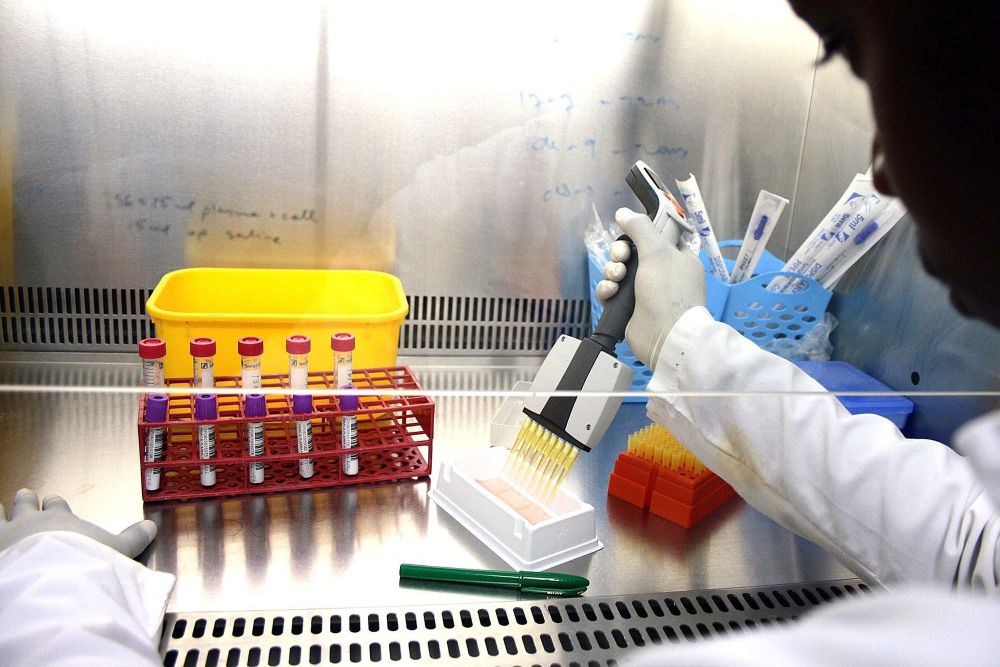
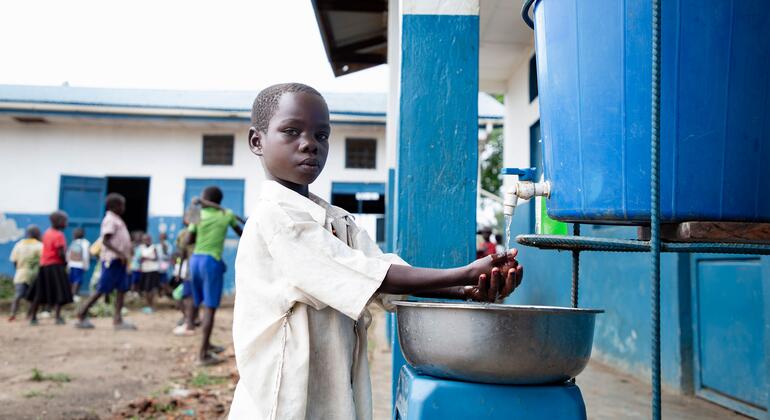
The immediate questions are familiar. How widespread is the outbreak? How quickly can cases be identified? Are vaccines available? What is the threat to Western countries? But perhaps the question people should be asking is: How can fragile health care systems withstand such crises?
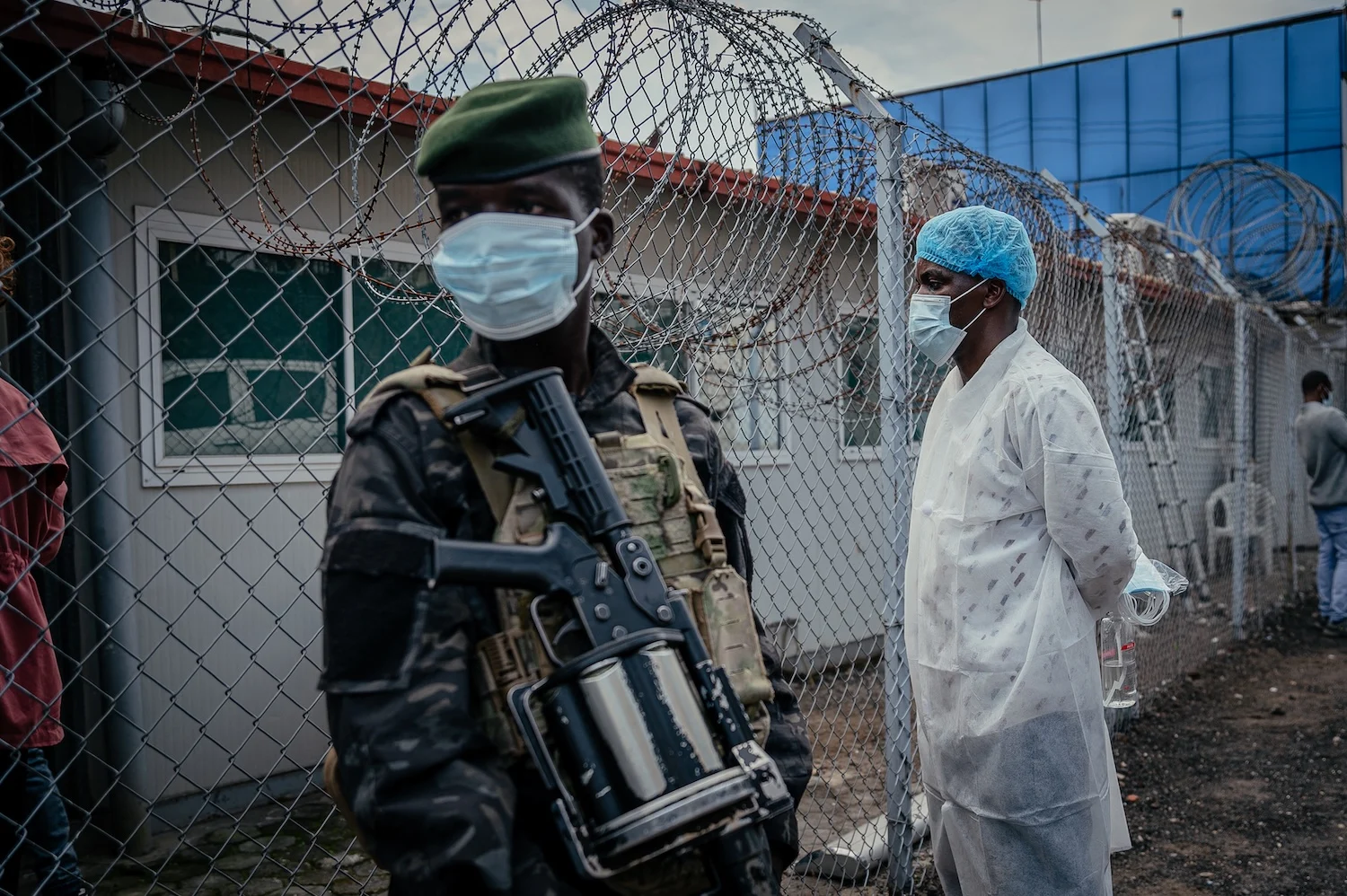
The practical limitations of the response to the current Ebola outbreak are hard to ignore. The occupation of large parts of eastern Congo by M23, a Rwanda-backed paramilitary group, has fragmented authority and complicated humanitarian access in the conflict-affected region; foreign aid cuts have decimated local implementing partners. Meanwhile, public trust in national authorities, the United Nations, and international health agencies has largely dissolved.