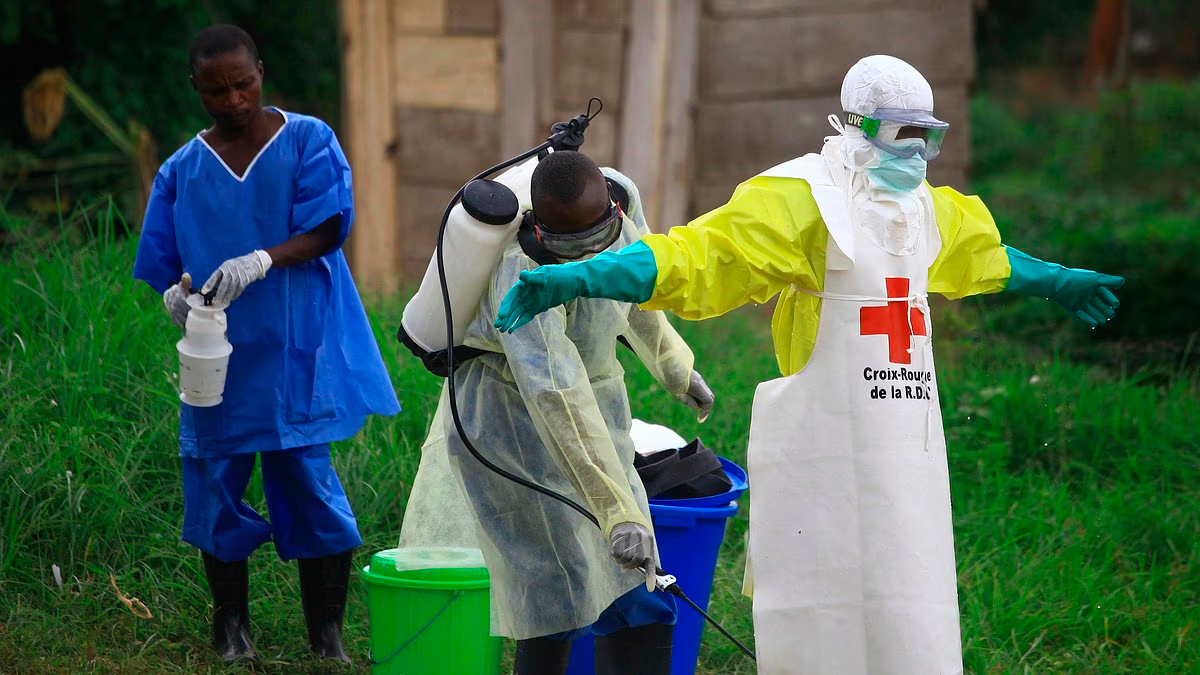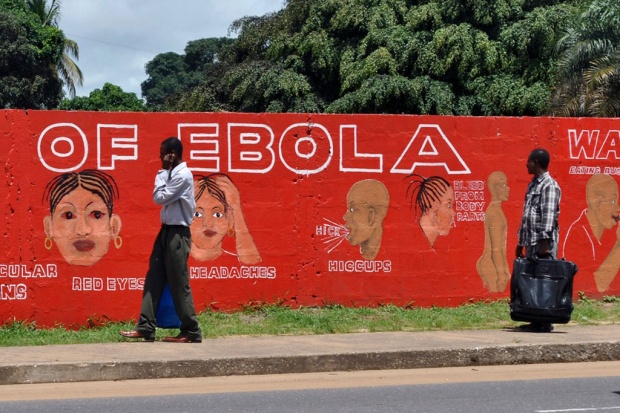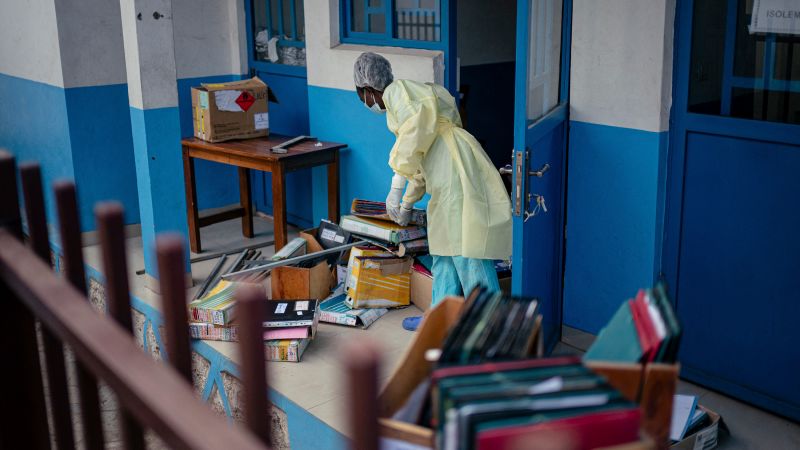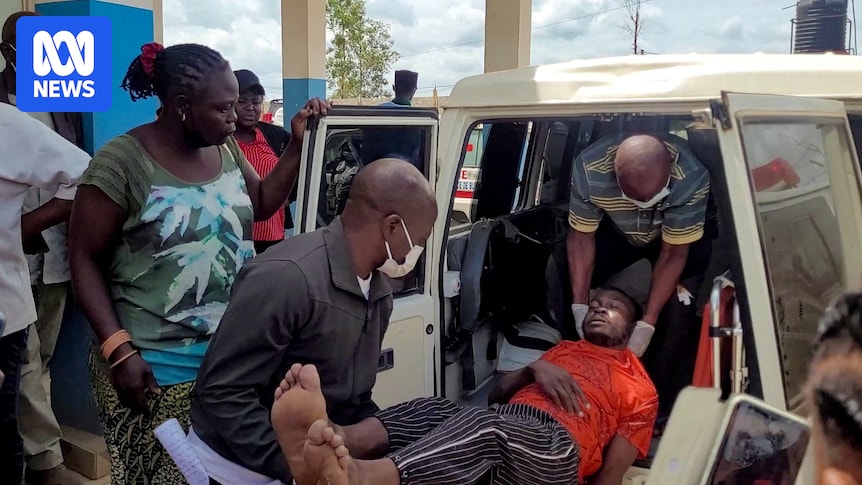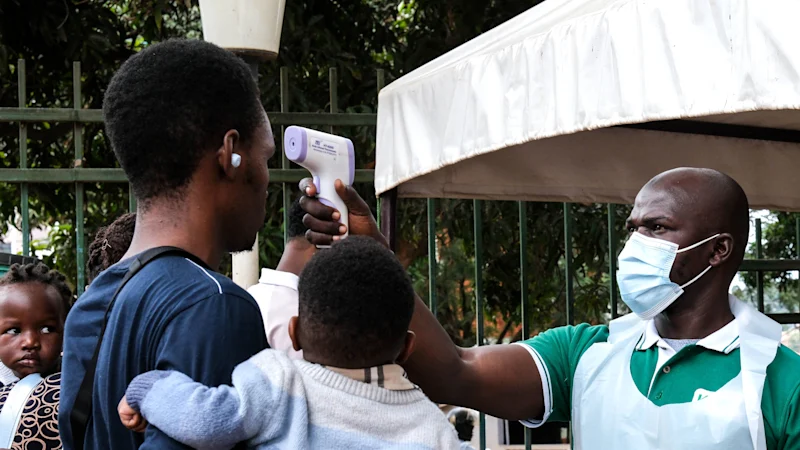
The World Health Organisation (WHO) has declared an Ebola outbreak in the Democratic Republic of Congo a “public health emergency of international concern”, raising fears of another pandemic.
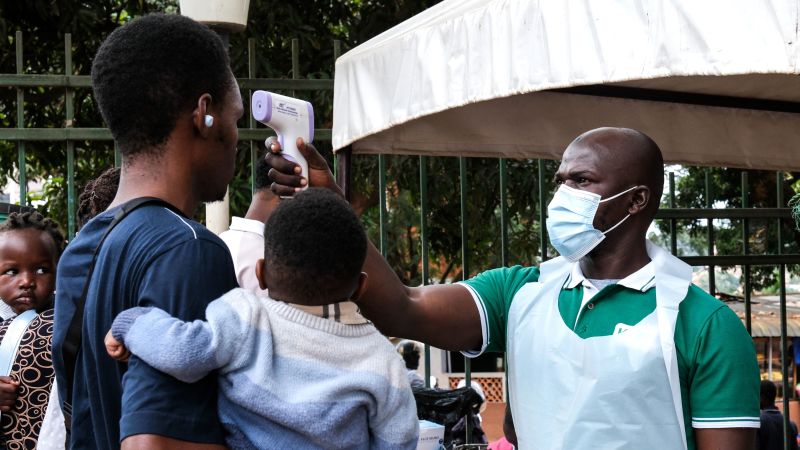
The WHO has reported 246 suspected cases and 80 deaths after the outbreak in the eastern Ituri province of the DRC, which has now spread to neighbouring Uganda with two confirmed cases in its capital Kampala, including one death.
The agency said the spread of the disease does not yet meet the criteria of a pandemic emergency. Still, it warned that it could be “a much larger outbreak” than current figures suggest, with a significant risk of local and regional spread due to high connectivity between the province and bordering regions and countries.
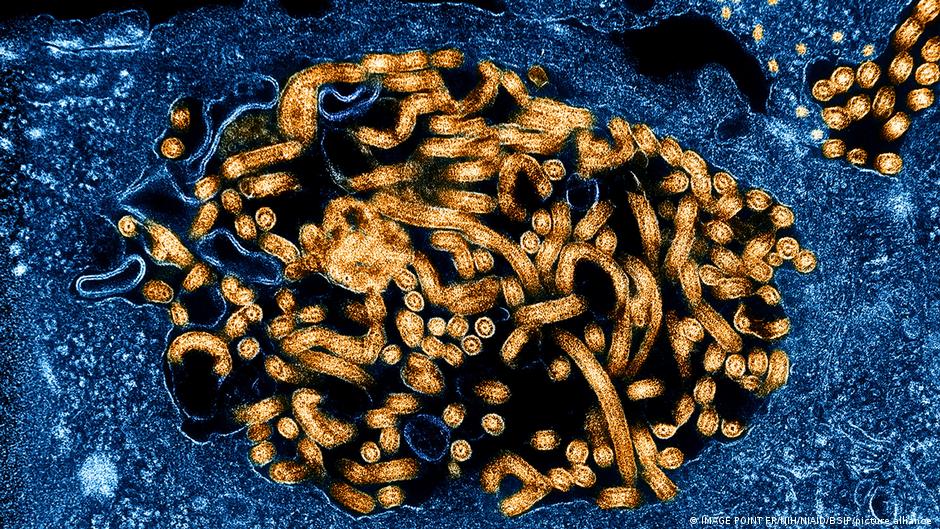
The current strain of Ebola is caused by the Bundibugyo virus, for which there are no approved drugs or vaccines, and as such, the WHO considers this event “extraordinary”. The Zaire strain, which caused recent major outbreaks in West Africa, has a vaccine, but it only protects against that specific strain.
The case fatality rate of Ebola virus disease from the Bundibugyo species is estimated at 30 to 40 per cent.