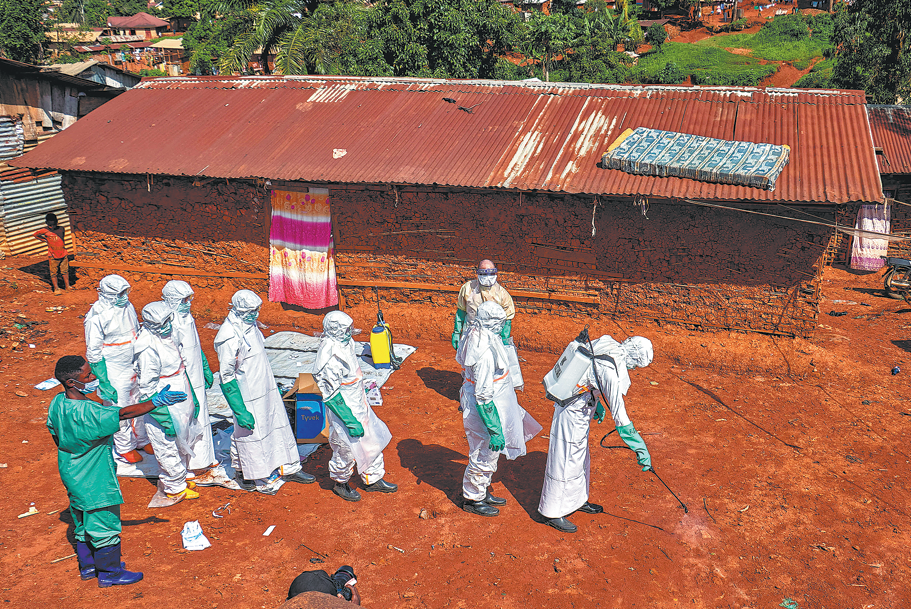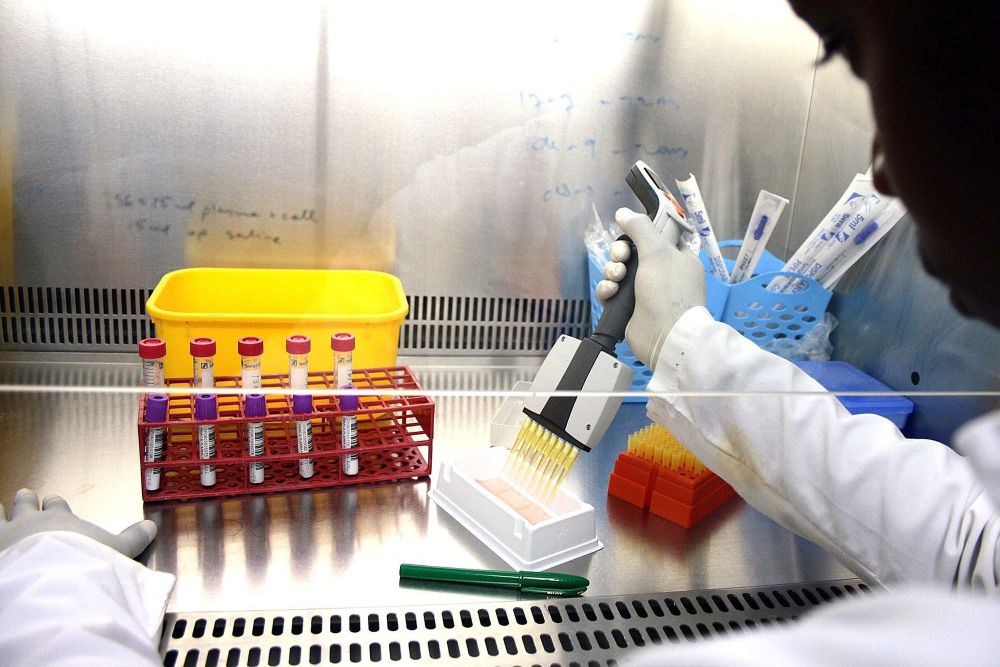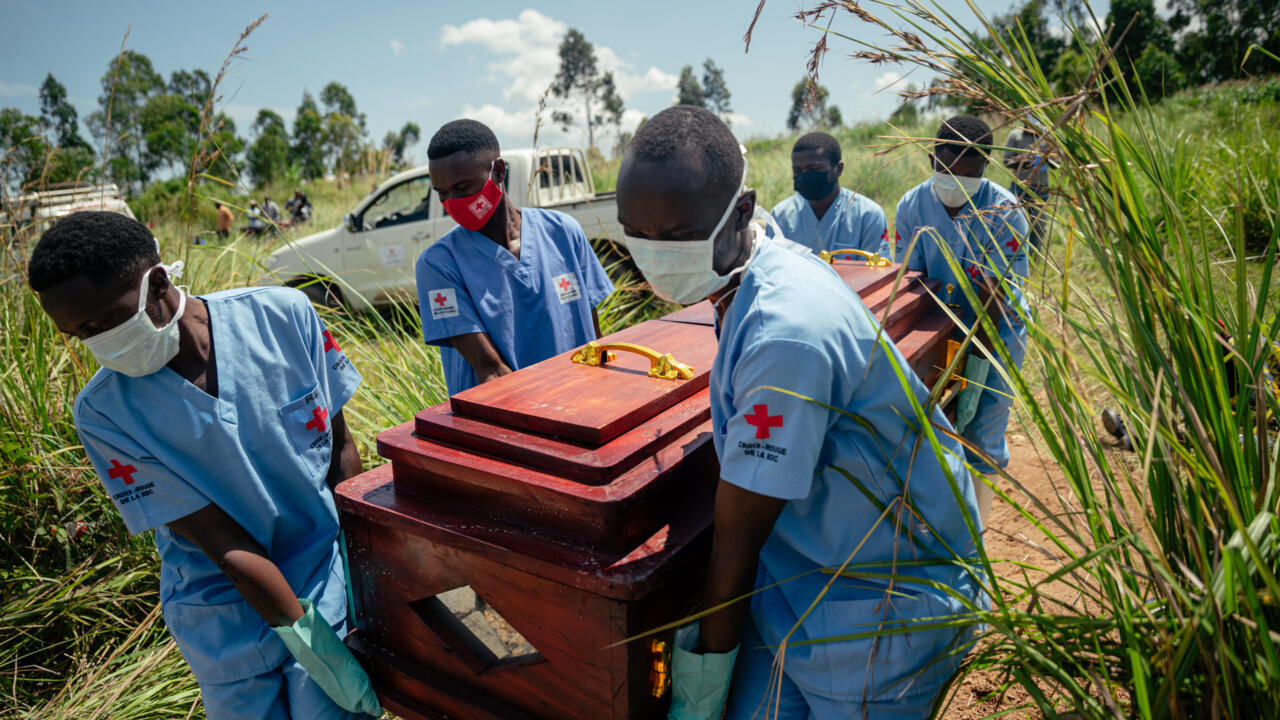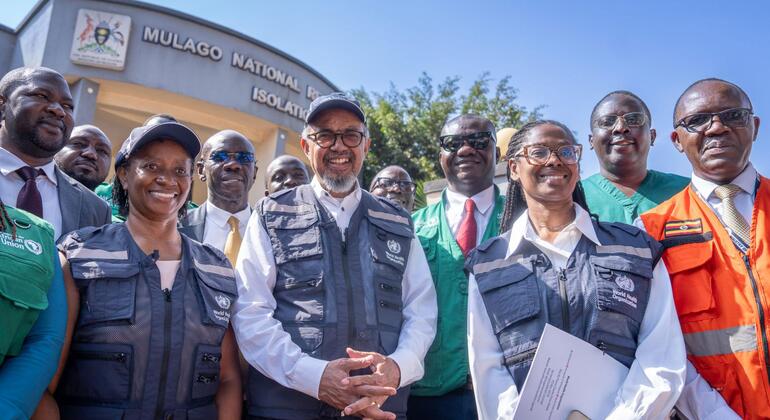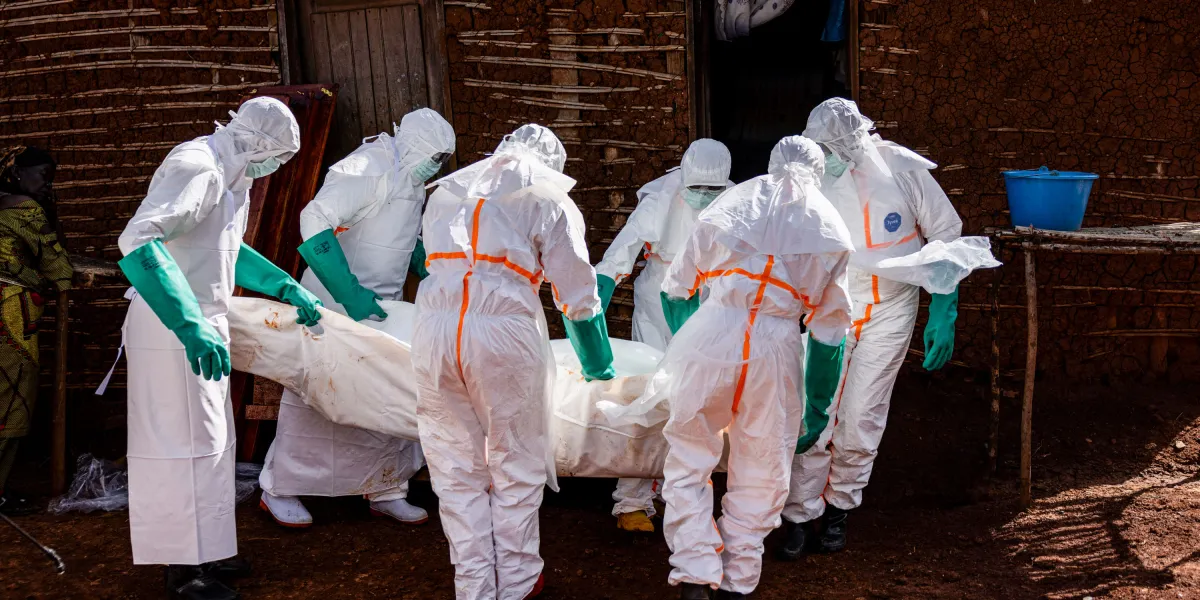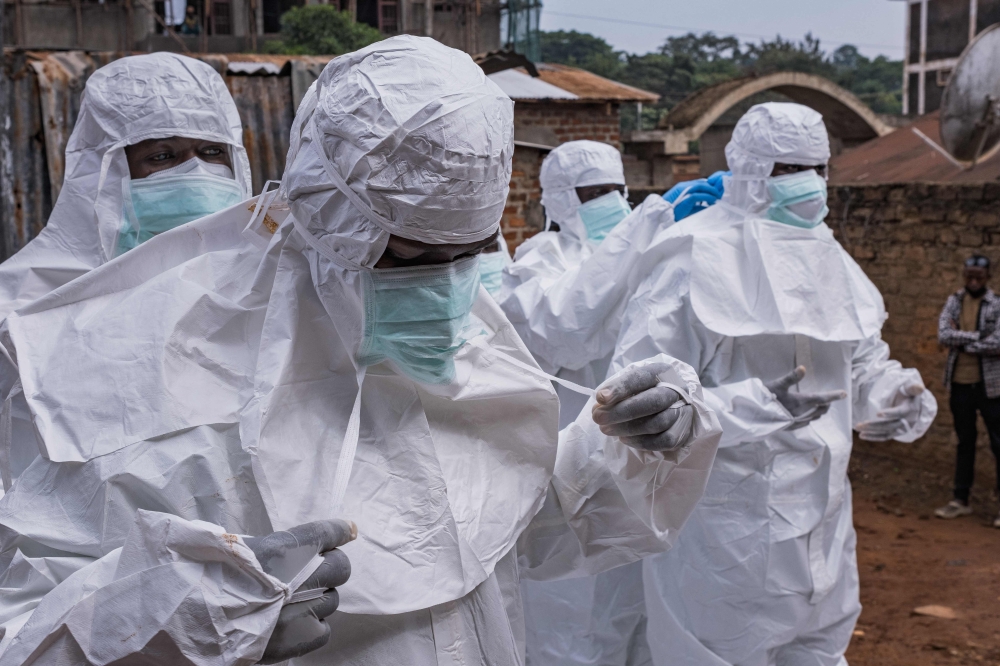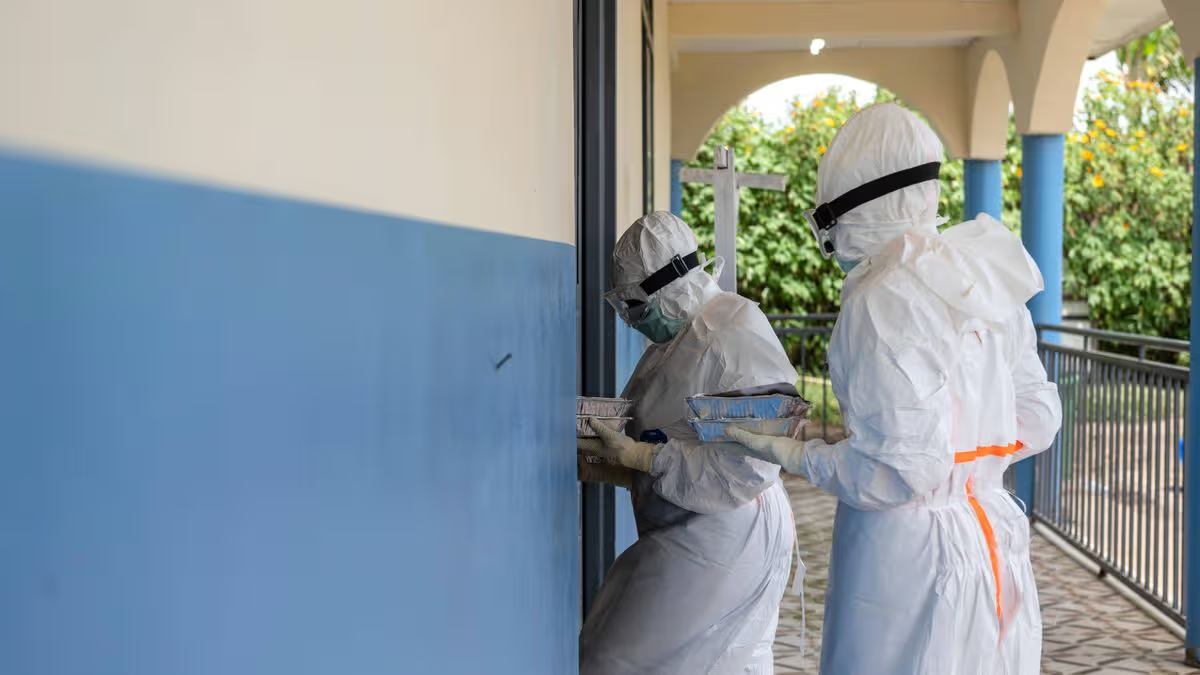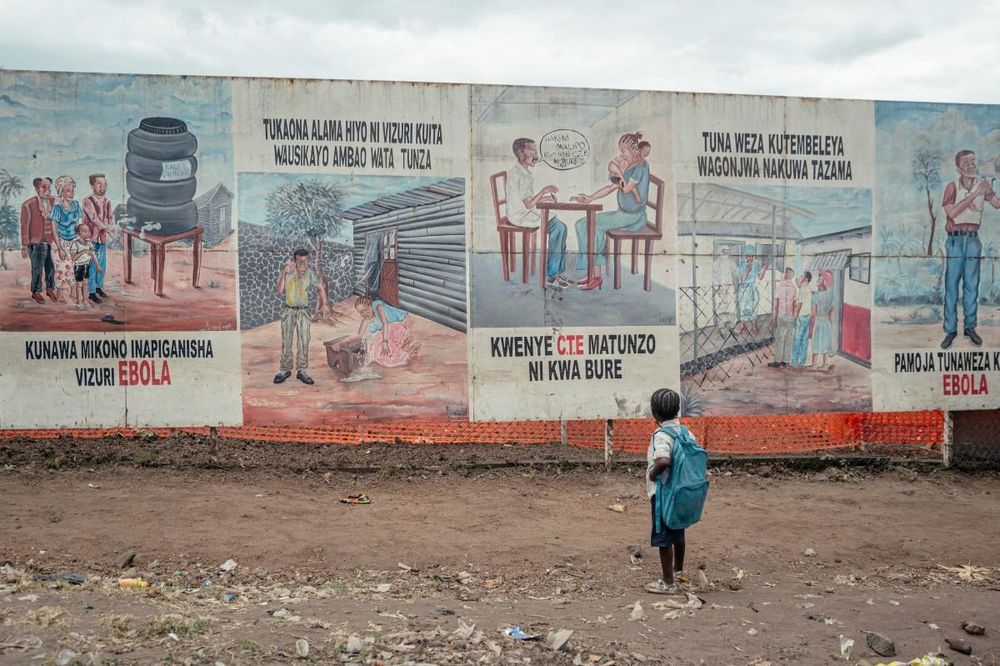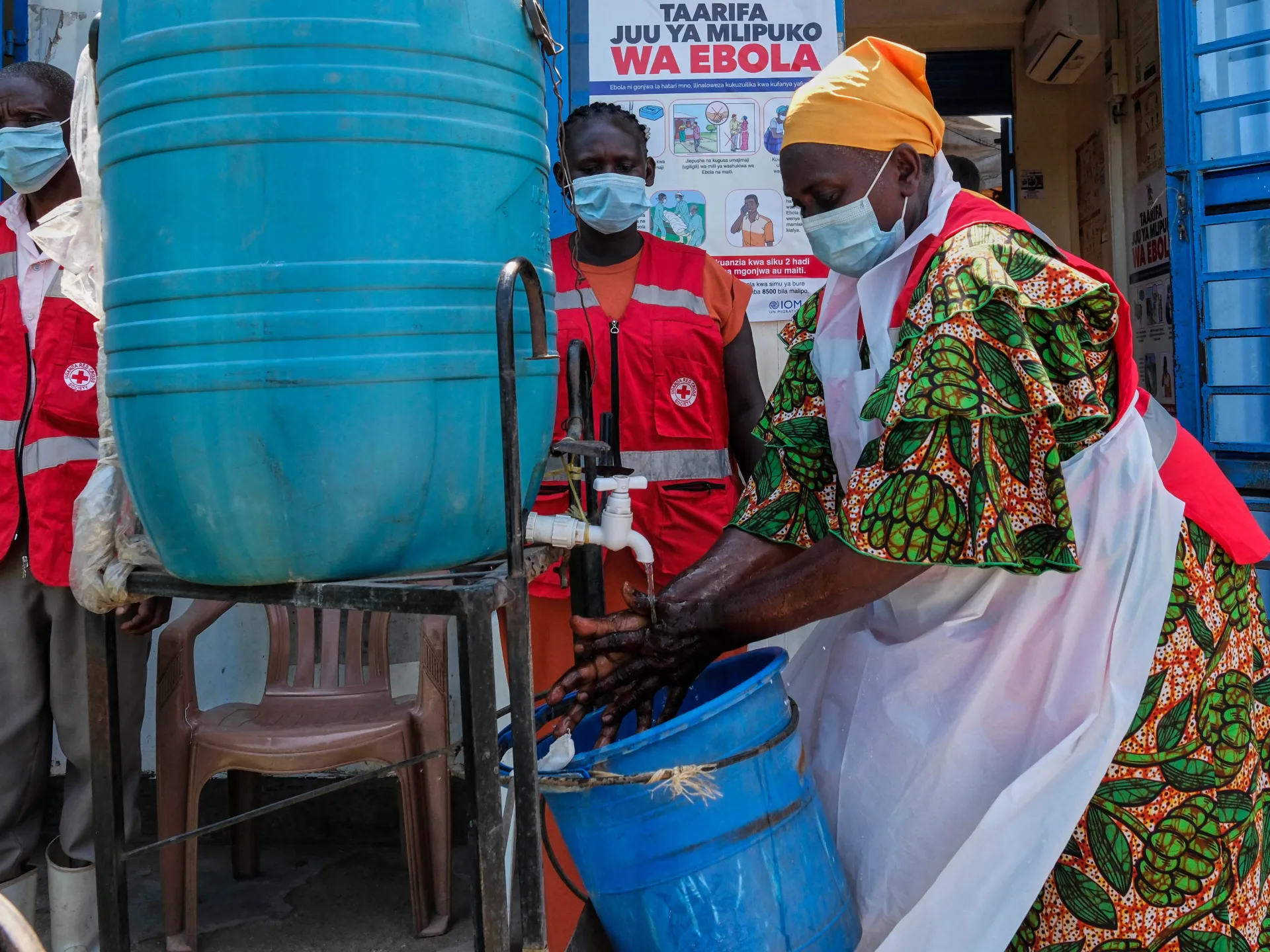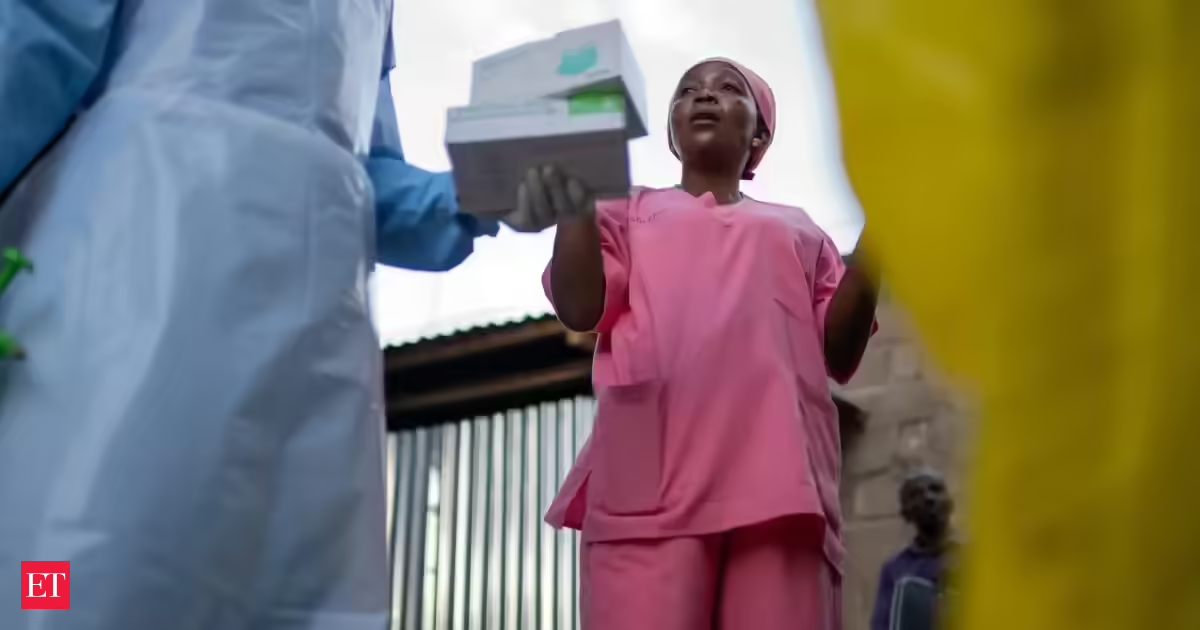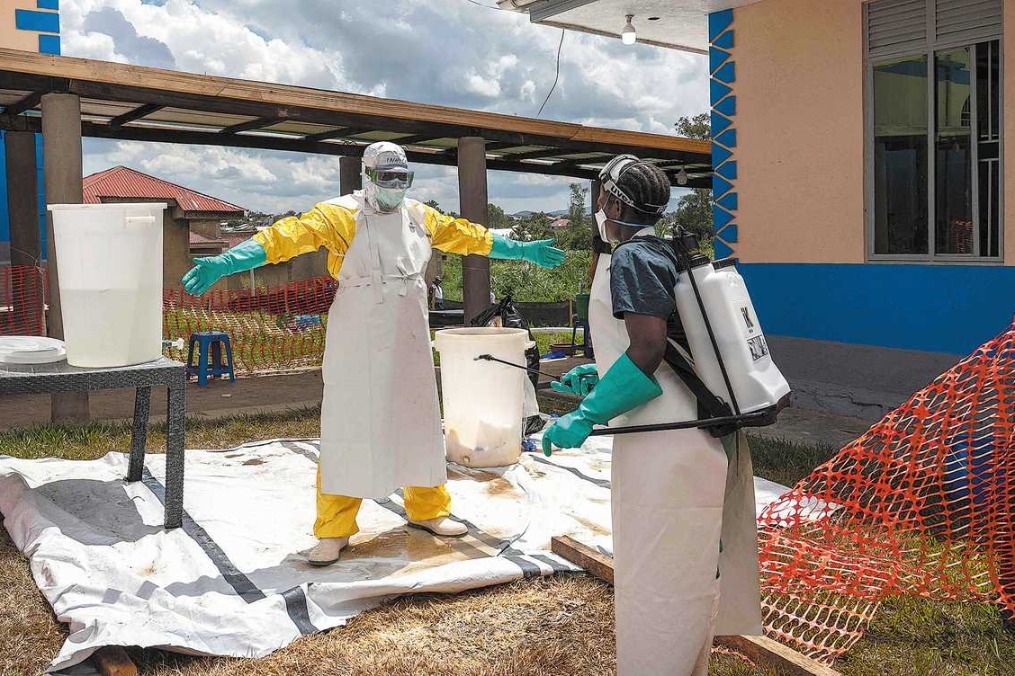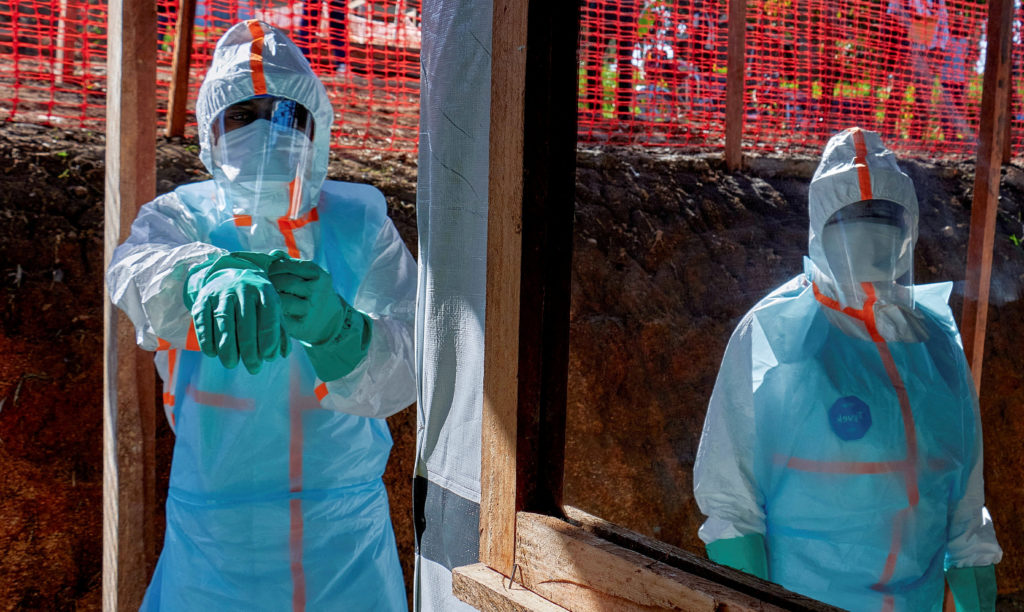
The Democratic Republic of Congo (DRC) and Uganda confirmed last month that an Ebola outbreak had occurred. The World Health Organisation subsequently confirmed that the outbreak involved the Bundibugyo strain, for which there is no vaccine or specific treatment, but that there are ongoing efforts to develop a vaccine.Without an approved vaccine, stopping the virus from spreading will depend largely on the launch of excellent contact tracing and asking individuals who may be infected or have been in contact with infected people to isolate themselves. But here is the catch. The current Ebola outbreak in the northeastern and eastern provinces of the vast DRC presents significant challenges for health workers to respond adequately given that the areas are conflict-ridden and experience a worsening humanitarian crisis.As the virus now outpaces the response, the question remains: will the region be able to contain it? In this piece, we hope to demonstrate first that the African continent should take full ownership of this public health emergency and find solutions to it. Failure to do so will have direct consequences.Second, we urge the international community not to turn away as the virus engulfs East Africa, because in an interconnected world infectious diseases do not respect borders and no country is immune to transmission. And finally, that Africa needs resilient health systems, skills exchange and proper governance to be better prepared for future public health emergencies in the face of global aid cuts.Context of the Ebola outbreakGiven the vast size of the DRC, the Ebola outbreak is now concentrated in three provinces, Ituri, North Kivu and South Kivu, all in the volatile east of the country. It is well known that the eastern part of the country is engulfed in a bitter conflict and that this makes it difficult for healthcare workers to carry out their work efficiently. What complicates the matter further is the fact that the ravaging conflict forces residents to flee their homes, increasing the risk of the virus spreading throughout the country.The health systems in the east of the DRC are either nonexistent or do not function at a level they should be due to the conflict. Already, Uganda has been affected by the spread of the virus and, as per the director of the African Centres for Disease Control & Prevention (Africa CDC), Jean Kaseya, 10 other East and Central African countries are at risk. Eight of them share a border with the vast central African country. Misinformation on the virus that continues to spread also makes it difficult for healthcare workers to operate efficiently.Just a few days back residents of affected communities set fire to a section of the hospital used to treat Ebola patients due to anger from the family and friends of a young man who died from the virus, after they were prevented from taking the body for burial. It has long been established that the body of a dead Ebola victim is highly infectious, and healthcare workers need to ensure bodies are buried in a proper manner to avoid the spread of the virus. It is important that the affected communities are educated about the virus to contain the spread of misinformation.Africa needs to own its health securityThe formation of Africa CDC in 2016 was a major step in the health transformation of the African continent. In 2022, when the AU granted the Africa CDC powers to be a fully autonomous agency, it heralded an era in which Africa sought to be in charge of its own health sovereignty. While we should all commend the agency for being autonomous, we should in the same vein rally African states and the private sector to invest heavily in the agency. Autonomy means nothing if it cannot undertake operations due to fiscal strain. This risks reversing the strides made in public health.We are in an era of pandemics, and it is therefore important that agencies such as the Africa CDC are equipped with financial power to address the health issues that confront the continent. On a more country-to-country scale, the Covid-19 pandemic and the 2013-2016 Ebola crisis in West Africa taught us the important lesson that health systems in African countries are fragile and unable to contain public health emergencies without external support. There has never been a more appropriate time to uplift our health systems, but the lack of proper governance remains an Achilles heel in the quest to strengthen these systems.Read: EDITORIAL | African nations must lead Ebola responseOn the other hand, health partnerships between African countries, whether bilateral or multilateral, need to be upscaled. Public health diplomacy in the region remains low, and this affects how countries respond to public health emergencies. When the Ebola outbreak was announced, South Africa, which is the most successful African country in public health diplomacy, pledged a $5m contribution to the Africa CDC to support the continent’s Ebola response.This gesture from the South African government and its people comes at a time when President Cyril Ramaphosa is the official AU champion on pandemic prevention, preparedness and response. This is not the first time South Africa has made such a pledge; it did so during the 2013-2016 Ebola crisis too. Other African countries need to step up their public health diplomacy too. The funding cuts in global aid from Western nations mean Africa’s public health system remains vulnerable and unable to respond to public health emergencies. We further call on universities in the region to step up efforts in terms of collaboration.For example, South Africa is home to 26 public universities, several of which possess globally recognised health and medical research capabilities. In recent years these universities have been at the forefront of pioneering ground-breaking medical research in HIV/Aids, malaria and tuberculosis treatment through specialised research centres and strong international partnerships. Importantly, the universities have been extending their influence beyond lecture halls to global health policy and increasingly becoming strategic instruments of South Africa’s public health diplomacy.Universities in the region can play an even greater role in confronting public health emergencies, not only through cutting-edge research but also through cross-border scientific collaboration, medical training and knowledge exchange programmes. Despite this critical role, universities are also confronted by challenges relating to funding constraints as well as the need to navigate ever-changing geopolitical factors that undermine the funding of critical research initiatives and health partnerships. Nevertheless, universities remain indispensable to Africa’s public health diplomacy agenda.The failure of Africa to take ownership of its health security architecture will be fatal. In an era where Western nations have withdrawn aid to reroute the funds to other pressing issues, African leaders have a moral and legal obligation to uplift poor public health systems.• Makgana is CEO at Chris Hani Baragwanath Hospital. Kadima and Mokoena are academics at Wits University. They write in their personal capacities.
NTHABISENG MAKGANA, PATRICK KADIMA AND KATLEHO MOKOENA | Failure to manage Ebola outbreak will be catastrophic
Call for African-led solutions grows as global aid shifts away from health emergencies
1,130 words~5 min read