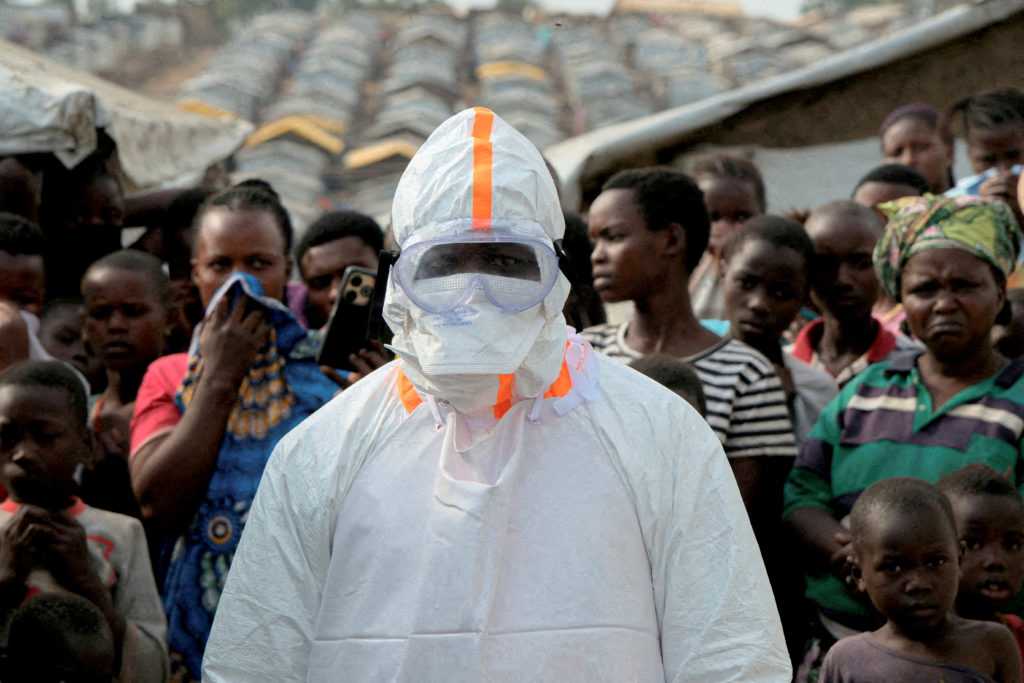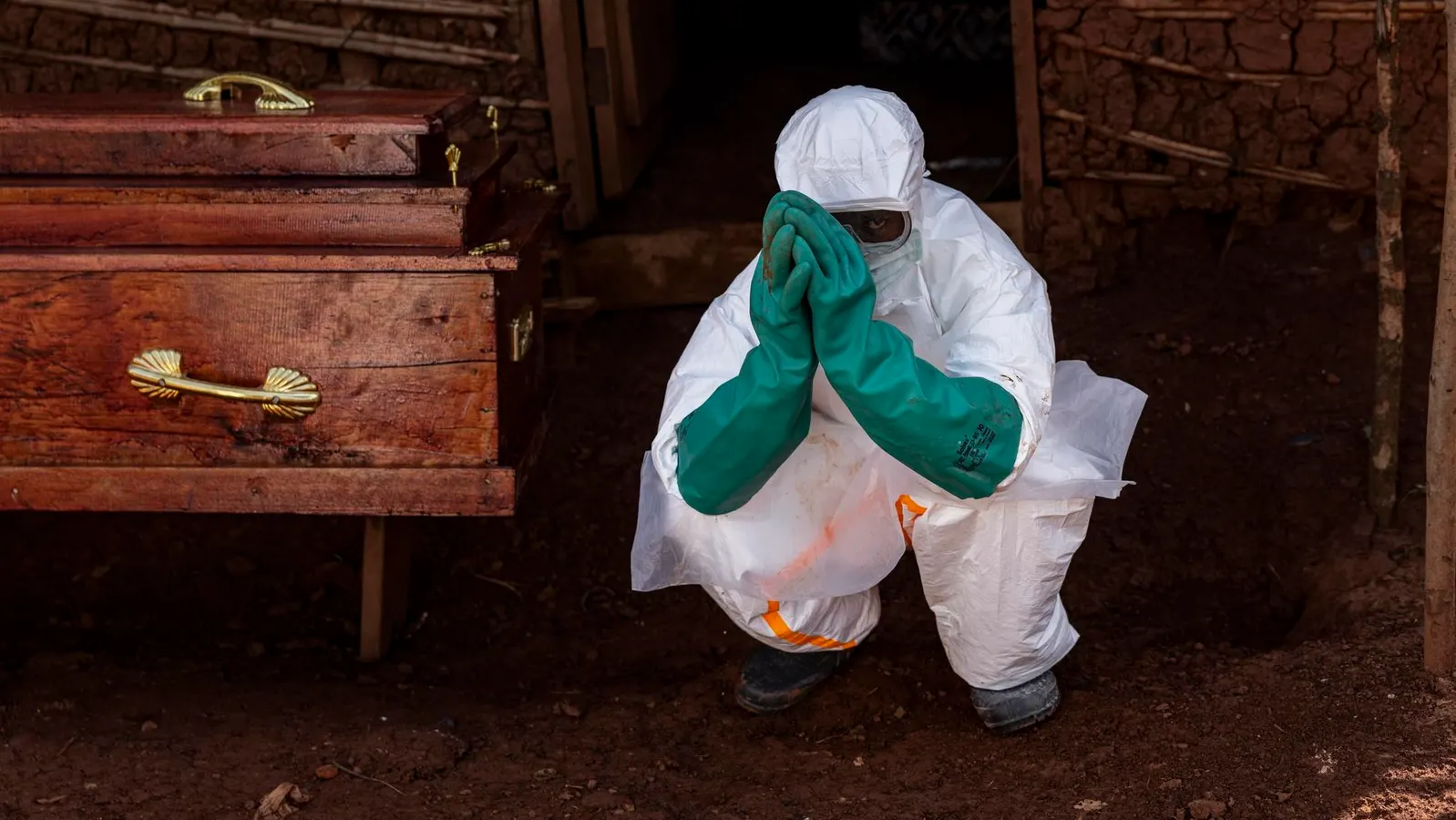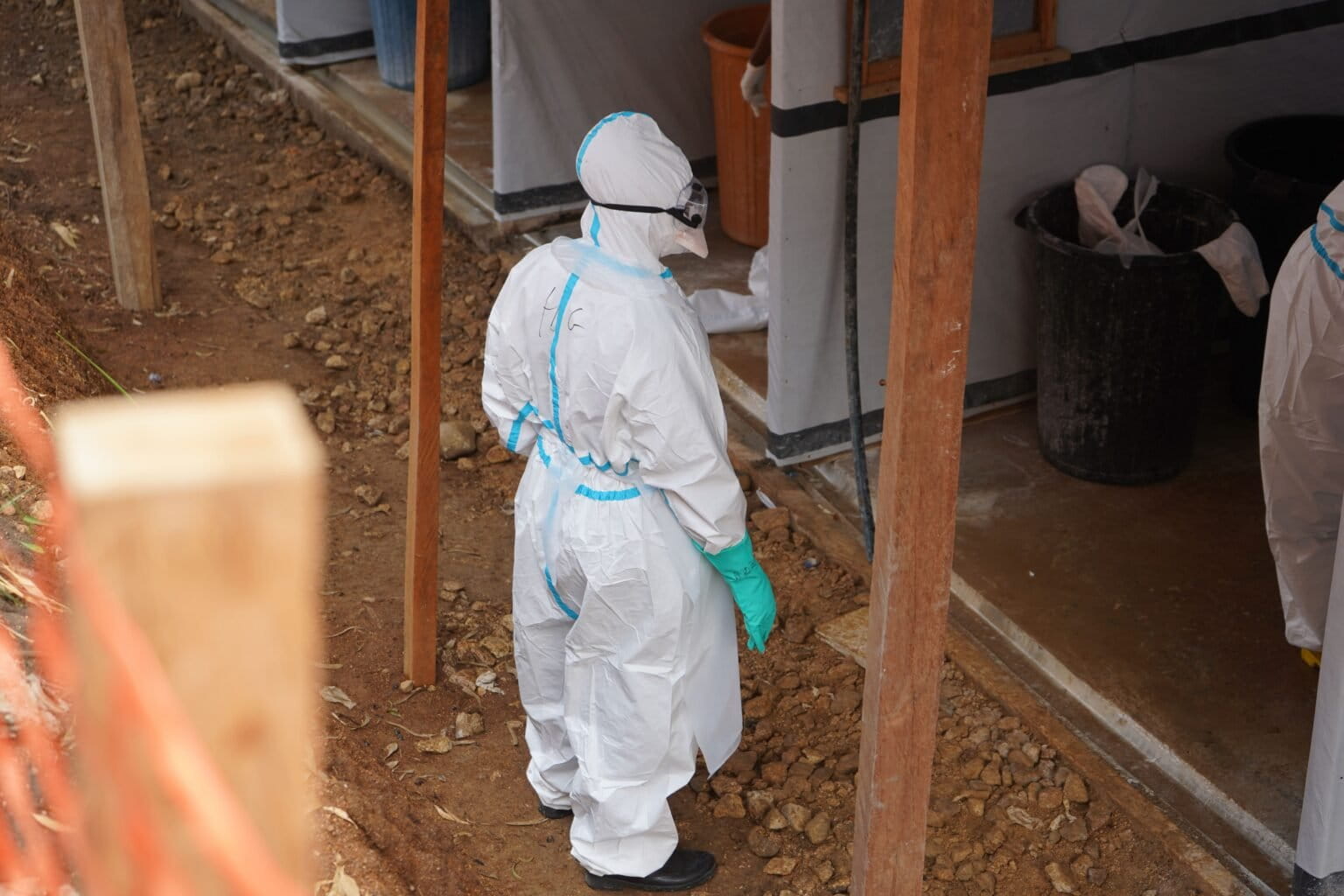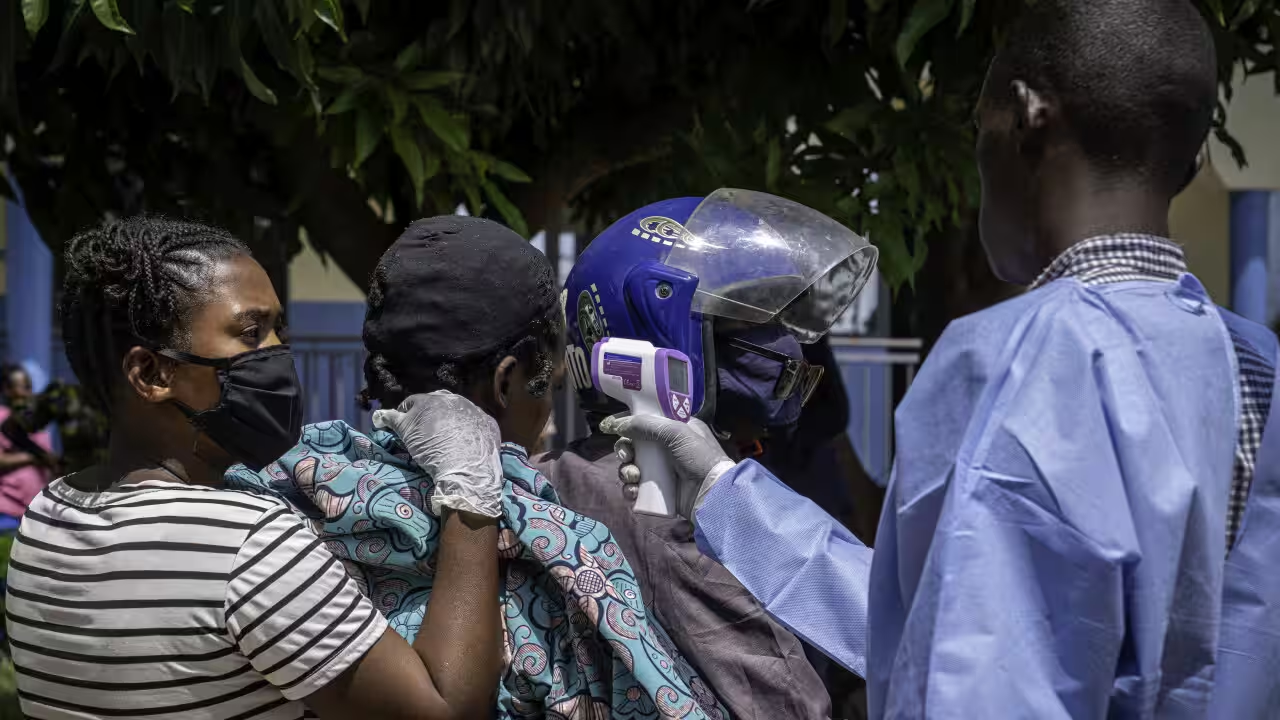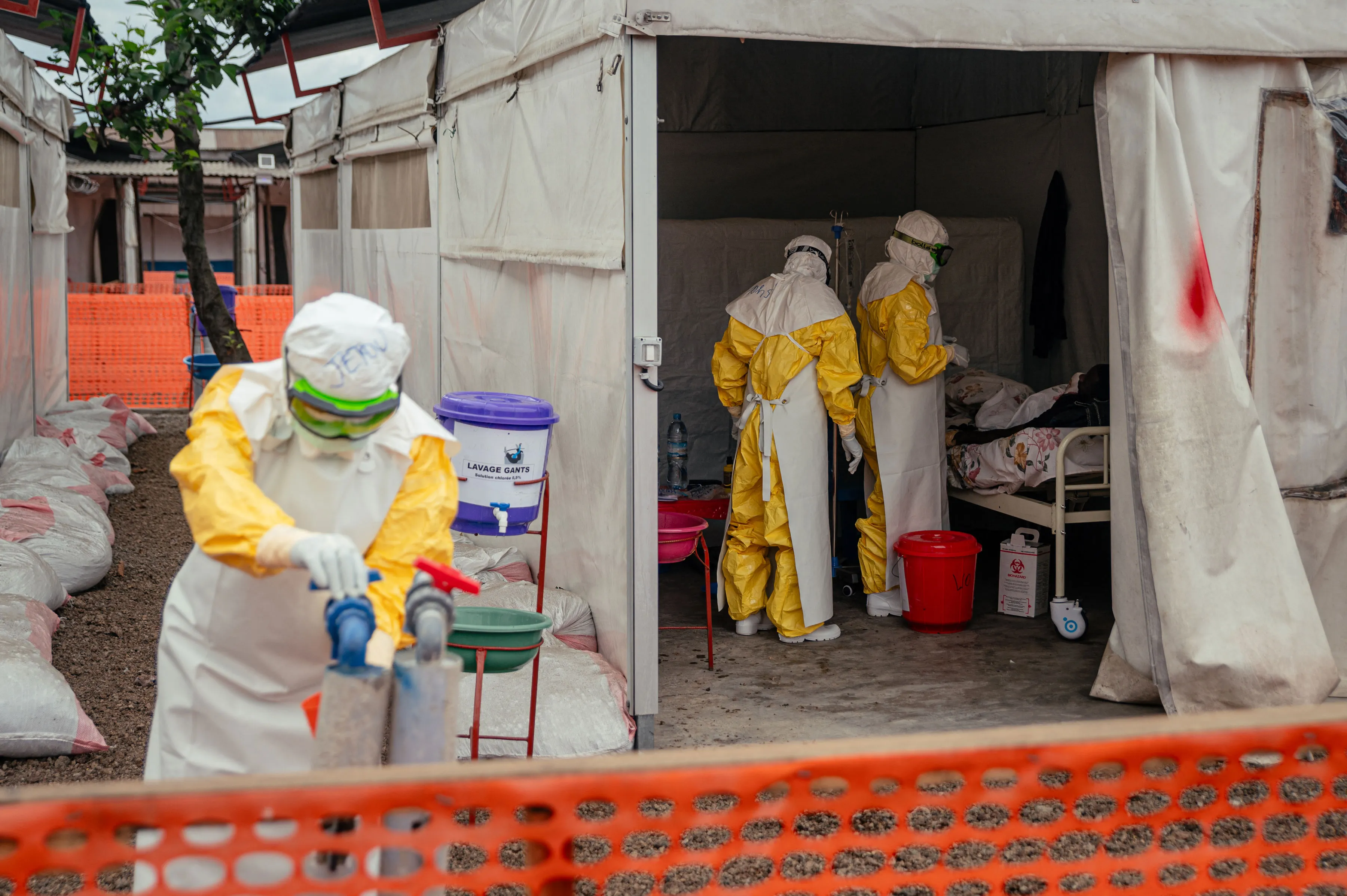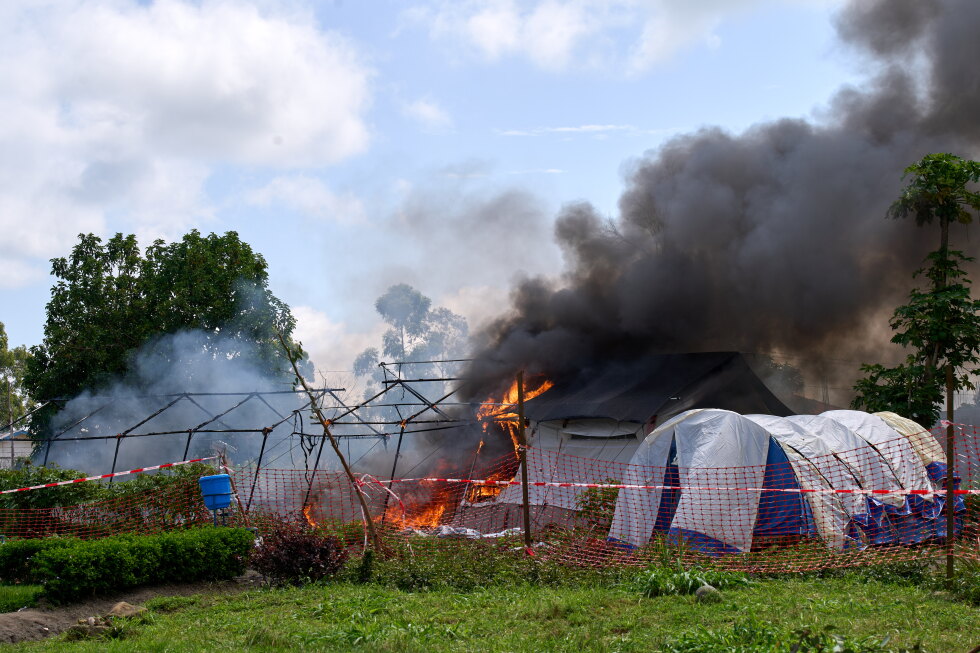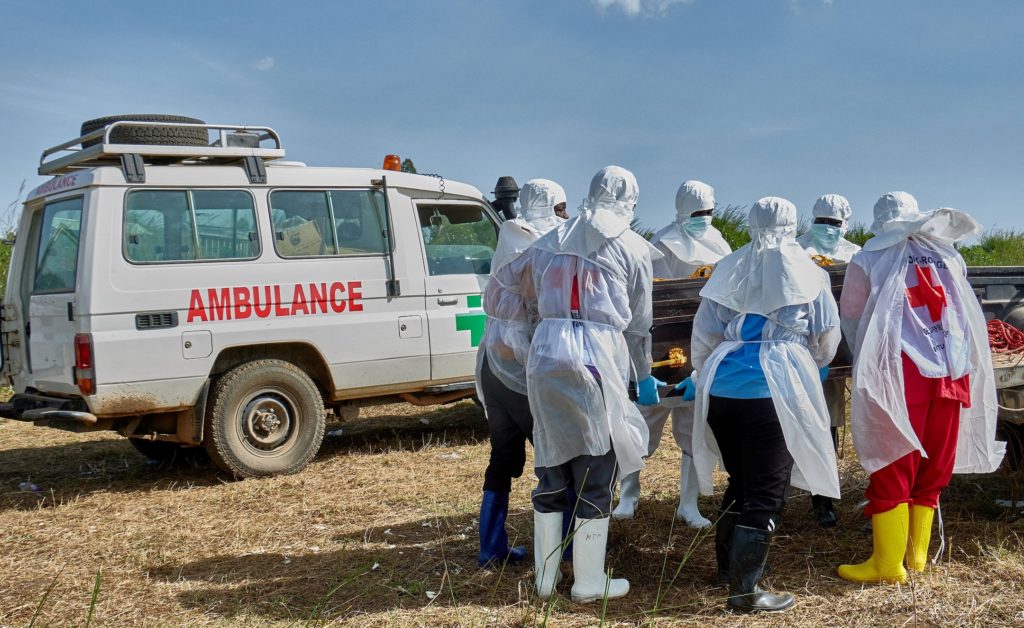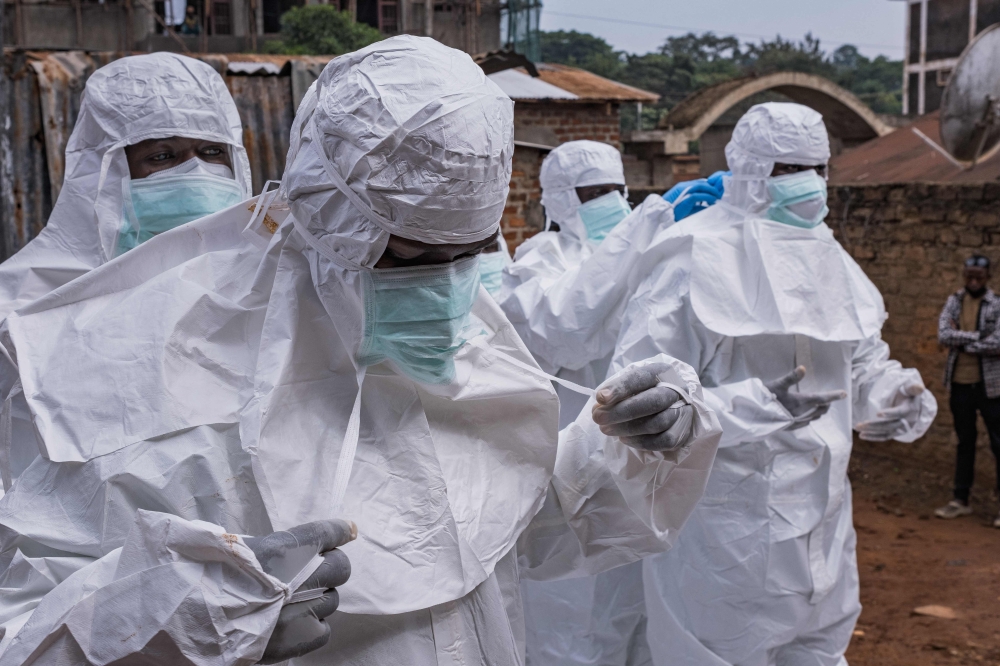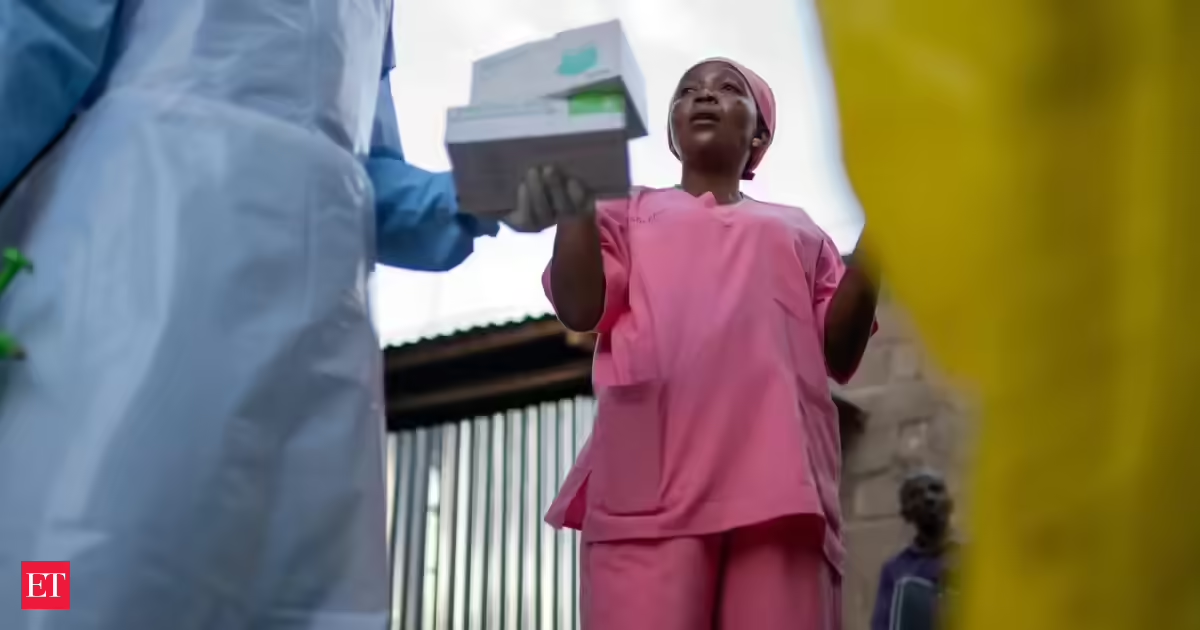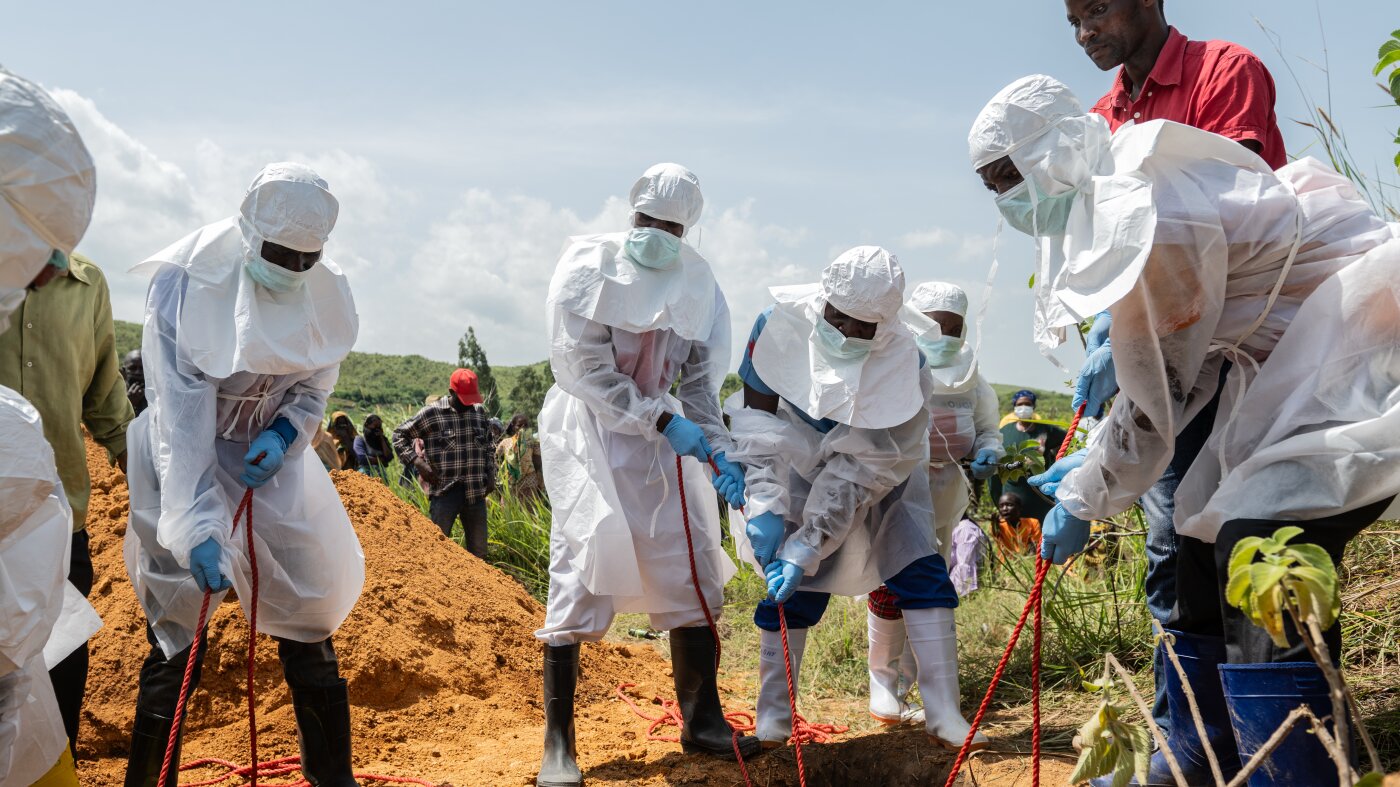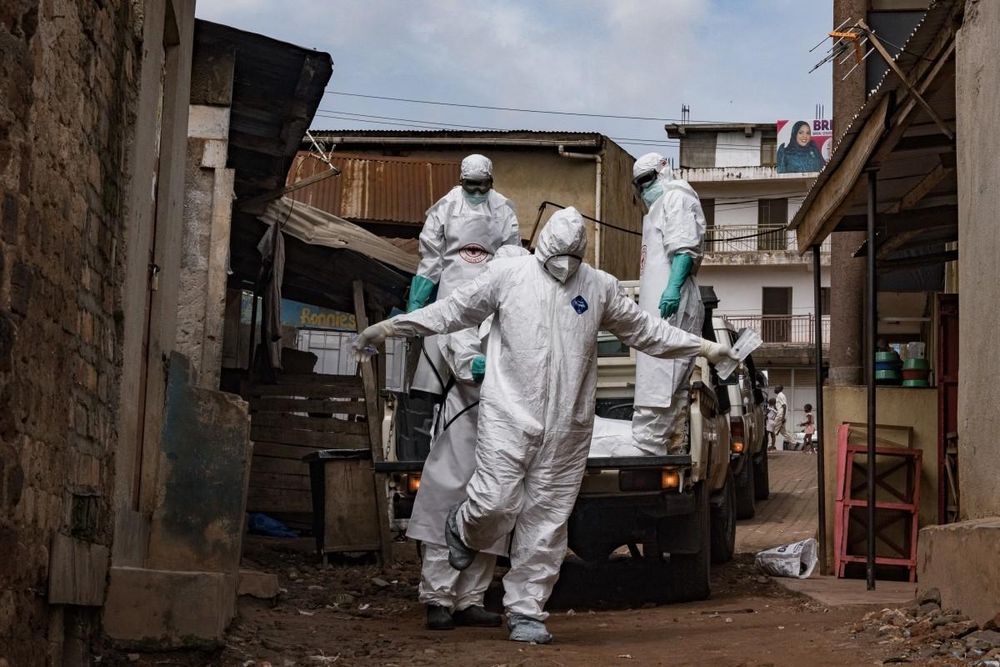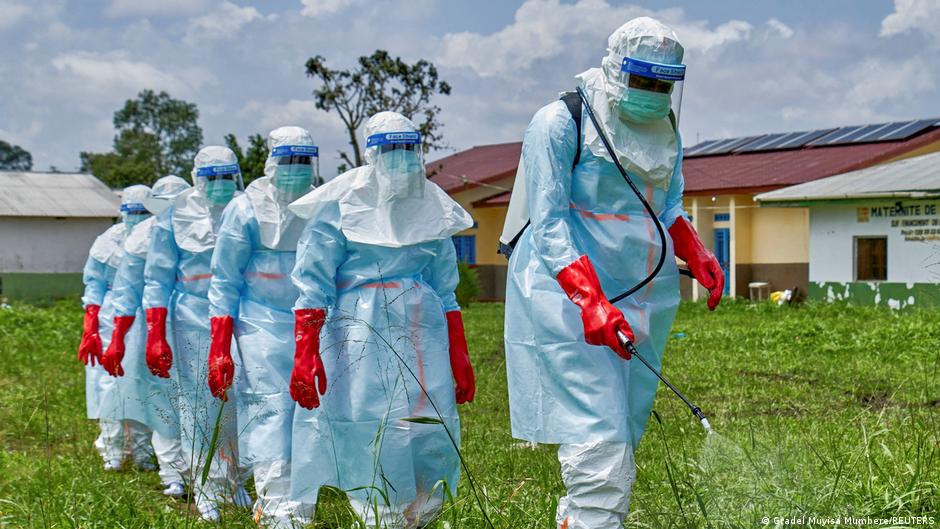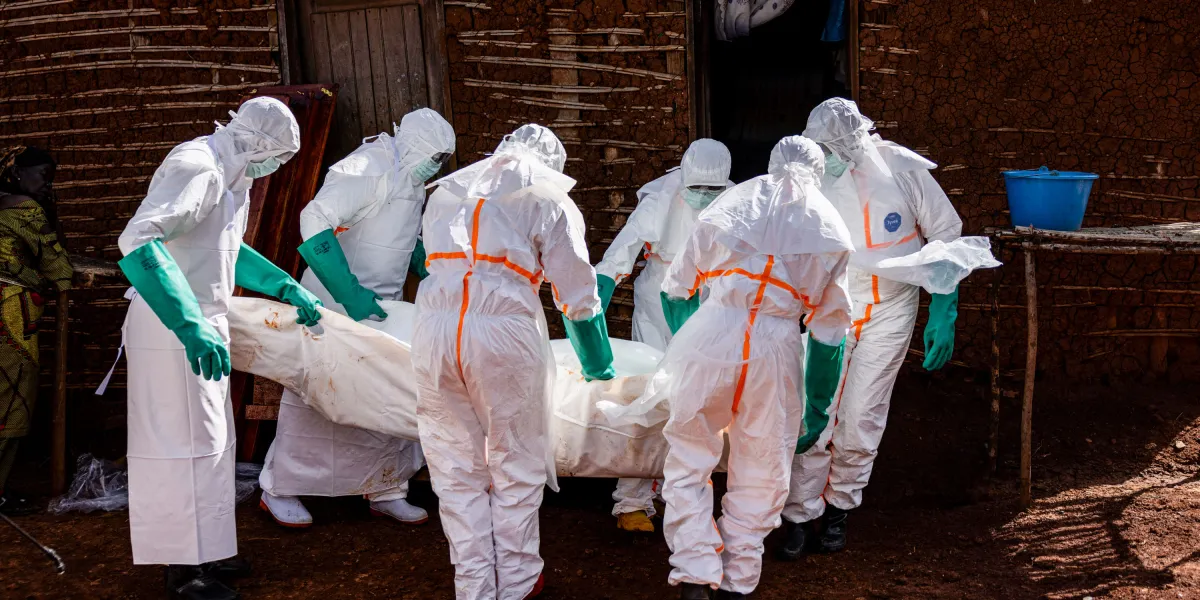
Violence, misinformation, and cuts to international aid are contributing to the challenge.May 29, 2026Michel Lunanga/Getty Images The alert was raised on May 5. Four health-care workers in the Ituri Province of the Democratic Republic of the Congo had died from an unknown illness within four days. Rapid response teams were sent to investigate, and tests at a research center in Kinshasa revealed the culprit: the Bundibugyo virus, one of the viruses that cause Ebola. Suspected cases of the disease have snowballed in the last few weeks. By May 24, the WHO had estimated that 223 people had died from the disease. There were over 900 suspected cases. Today’s figures are likely to be higher. A couple of weeks ago, I covered the hantavirus outbreak aboard a cruise ship. Three people sadly died, but the outbreak itself was kept under control. There have been no further deaths, and passengers have been safely repatriated. The picture for Ebola is far bleaker. And there are several reasons why. The most obvious is the disease itself. Ebola is a severe disease with an average 50% fatality rate. Previous outbreaks have resulted in thousands of deaths. (Hantavirus also has a high fatality rate, but it doesn’t usually spread as easily between humans.)
The deadly Ebola outbreak is proving difficult to control
Violence, misinformation, and cuts to international aid are contributing to the challenge.
1,032 words~5 min read