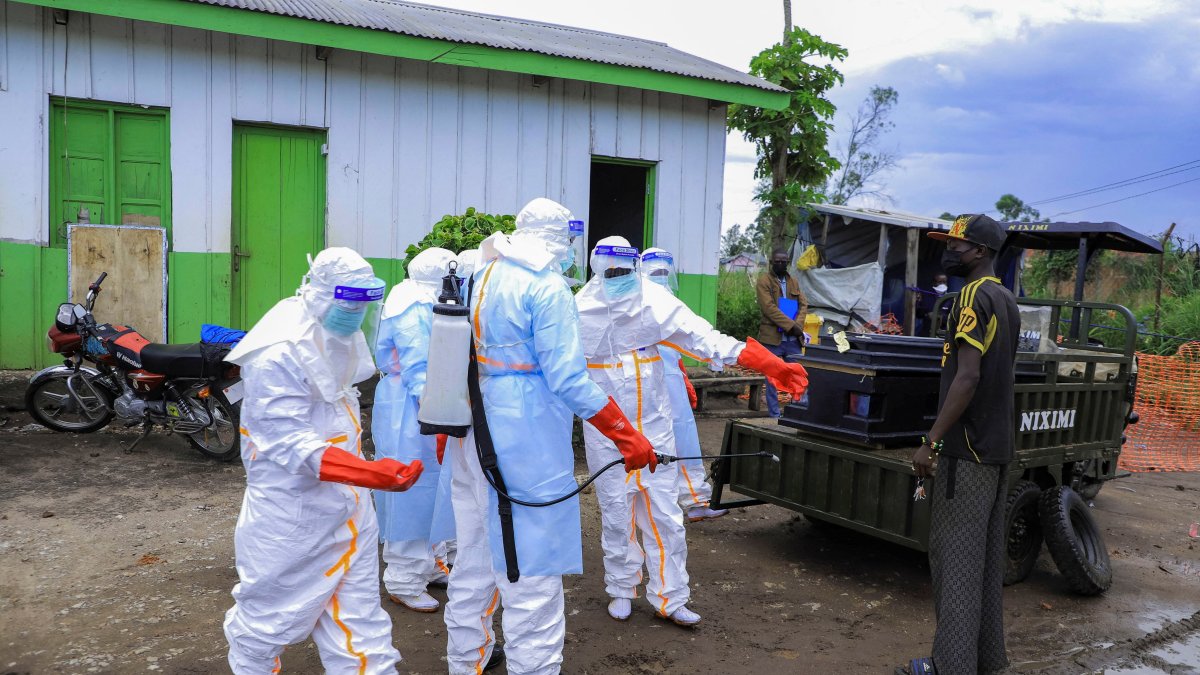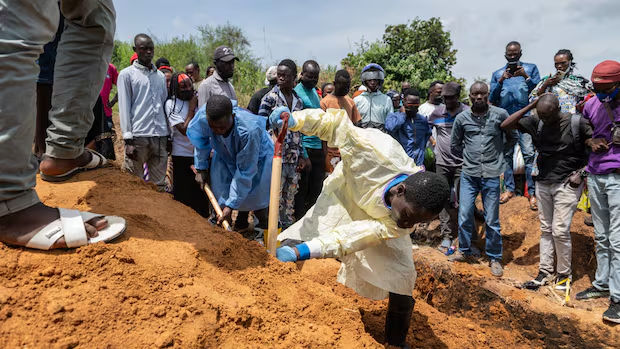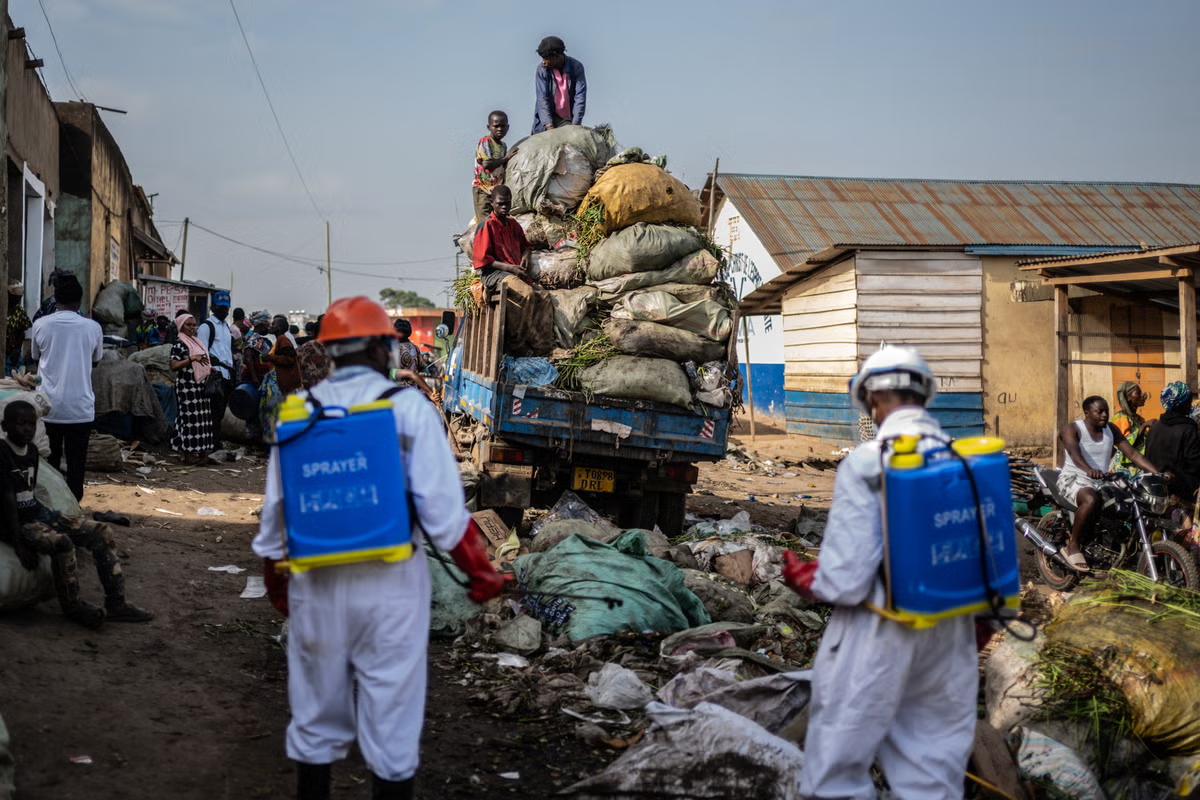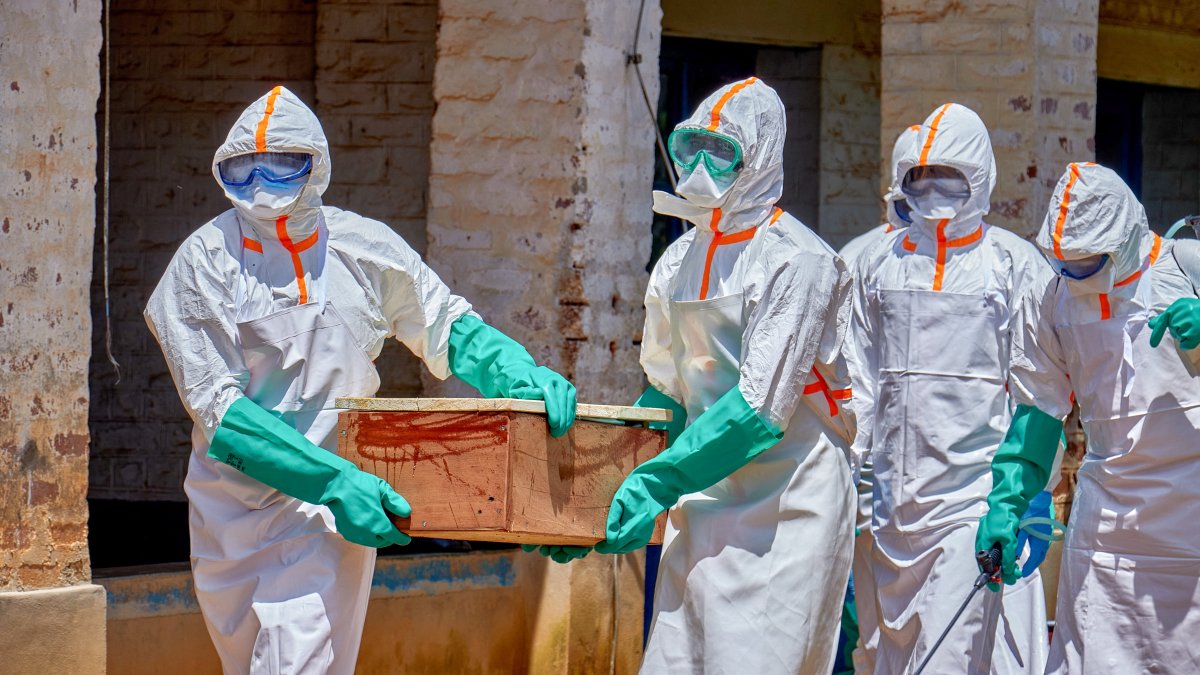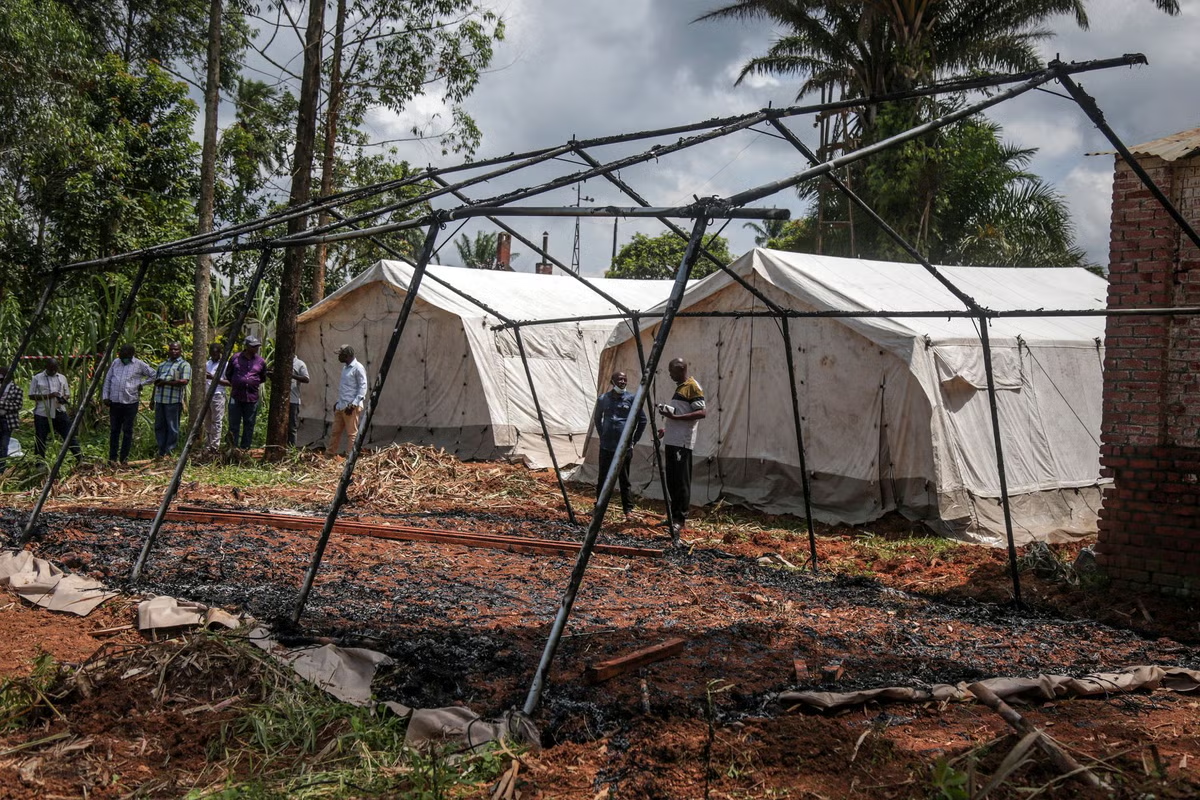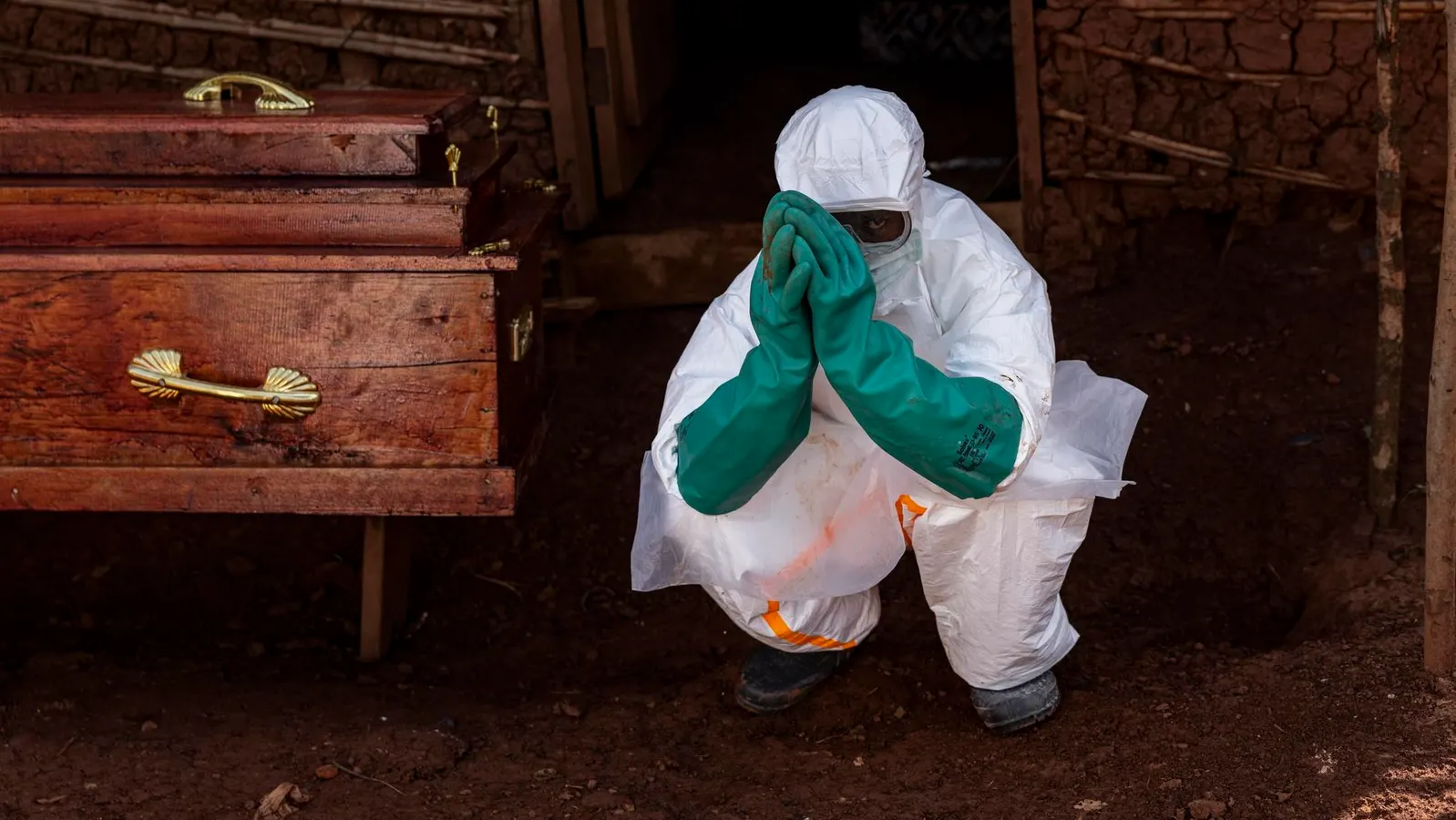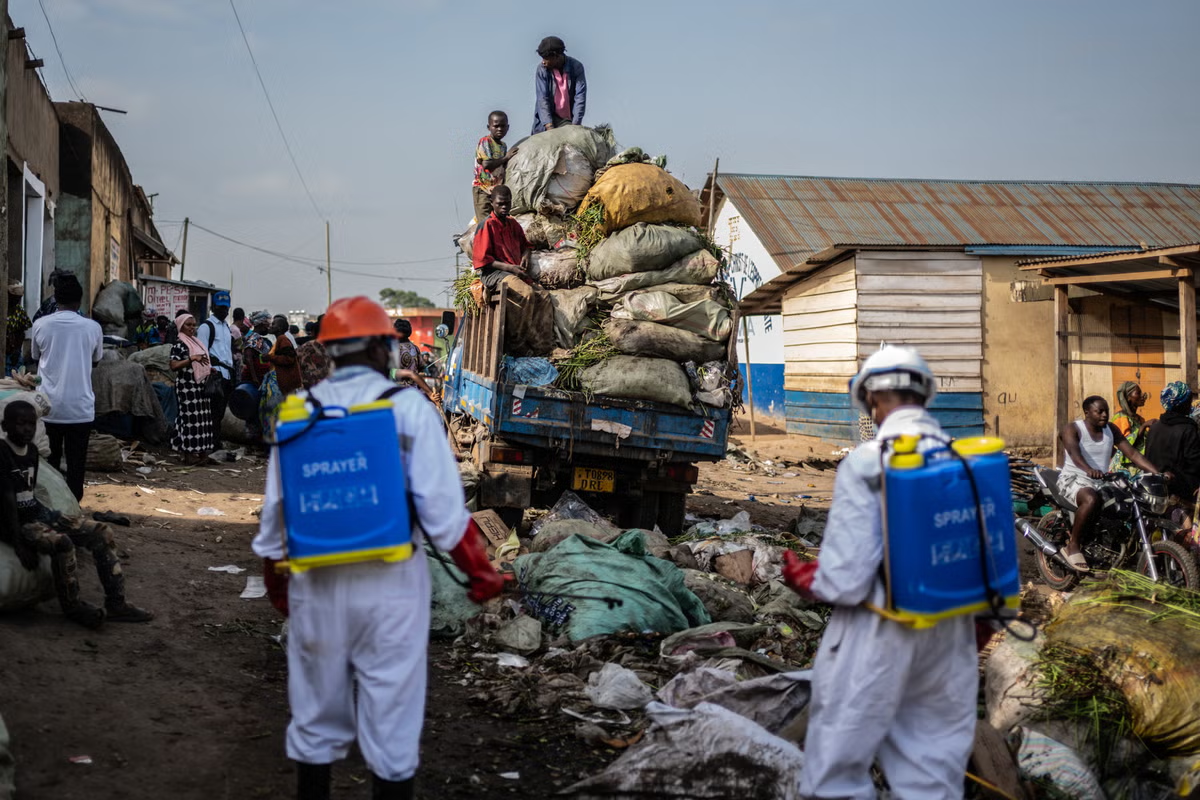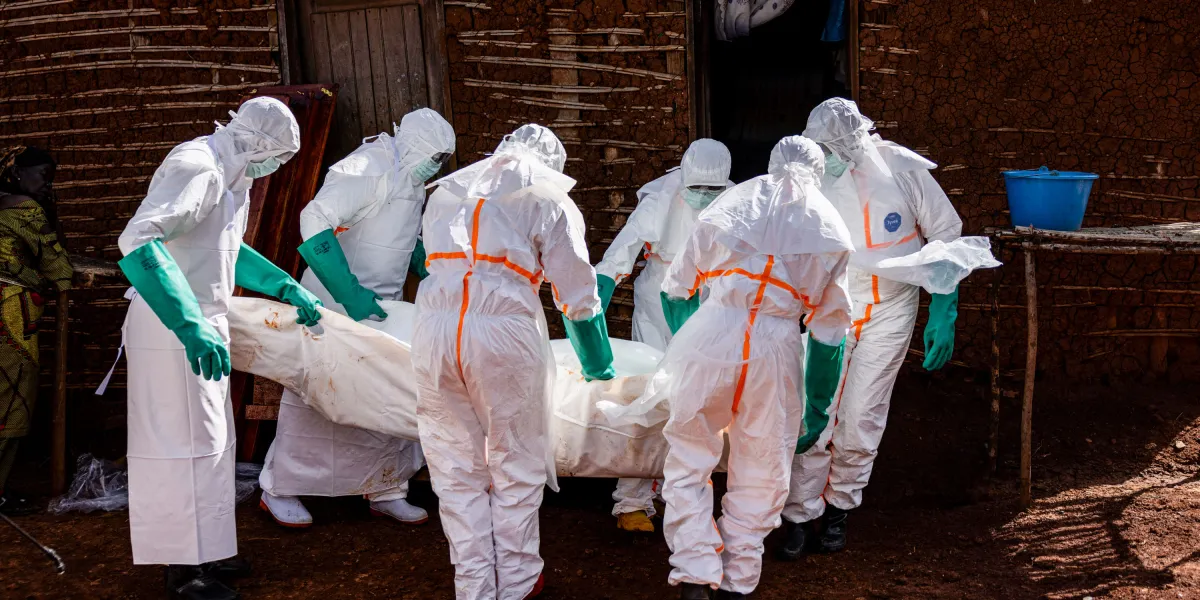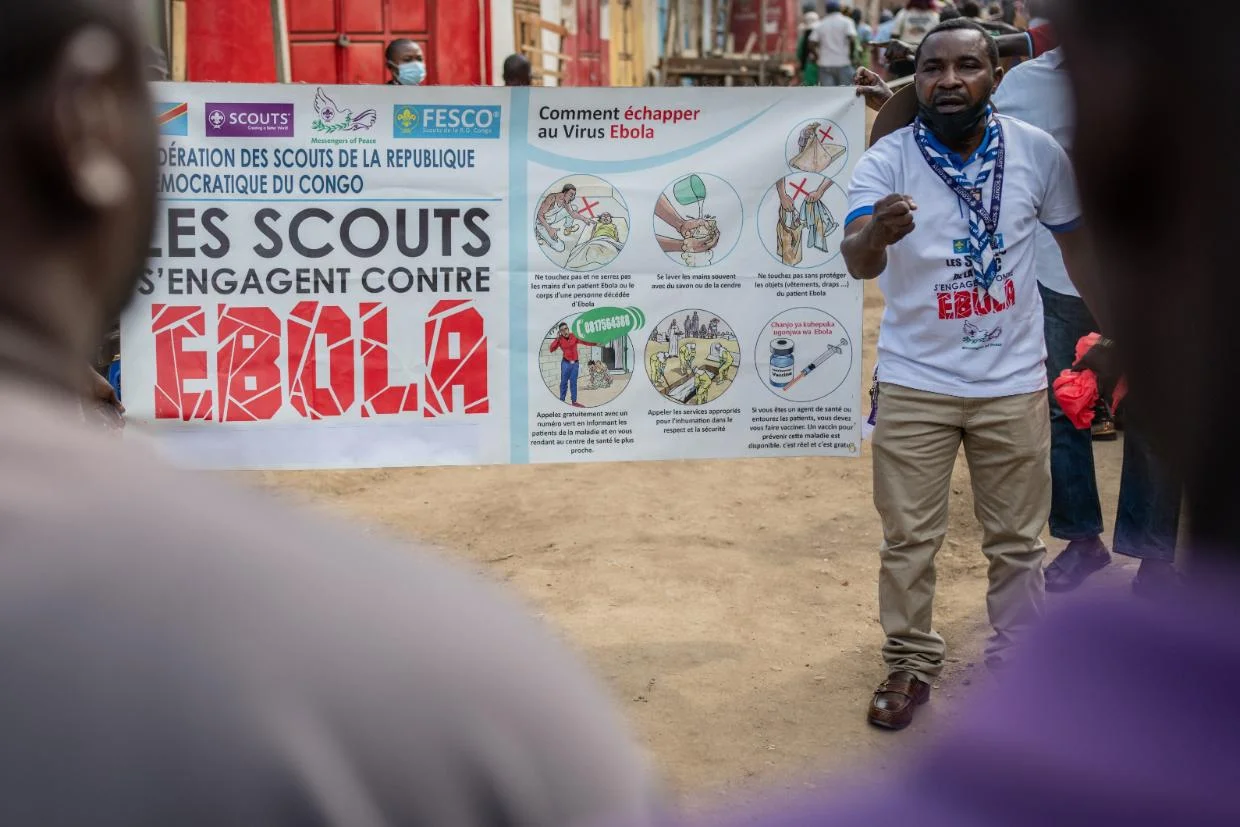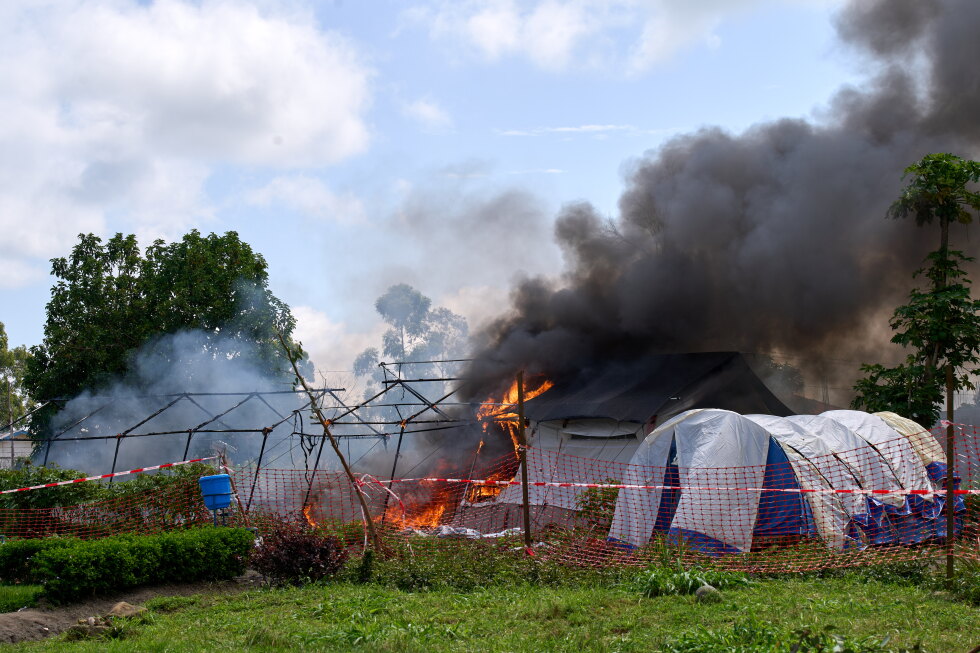
Arson attacks on Ebola treatment centers in eastern Congo underscore the serious challenges authorities face — including a backlash in local communities — as they try to stem an outbreak of the infectious disease that has been declared a global health emergency.The burning last week of the centers in two towns at the heart of the outbreak exposed the anger in a region beset by violence linked to armed rebel groups, the displacement of a large number of people, the failure of local government and international aid cuts that experts say have stripped health facilities in vulnerable communities.“A devastating set of emergencies are converging,” said the Physicians for Human Rights nonprofit. Here’s a look at the longstanding crises in eastern Congo that have made it home to one of the world’s worst humanitarian disasters, and how they are now affecting the response to a rare type of Ebola:
The region is constantly threatened by violenceEastern Congo has for years seen attacks by dozens of separate rebel and militant groups, some of them with links to foreign countries or the extremist Islamic State group.The Rwanda-backed M23 rebels are in control of parts of the region. While the Congolese government still largely controls the northeastern Ituri Province, which is the epicenter of the Ebola outbreak, that control is tenuous. The Allied Democratic Forces, a Ugandan Islamist group linked to IS, is one of the dominant rebel groups there and responsible for violent attacks against civilian targets.Before the outbreak, Doctors Without Borders said in an assessment that the insecurity in Ituri had worsened recently, causing doctors and nurses to flee and leaving overwhelmed health facilities and in some parts, “catastrophic conditions.”