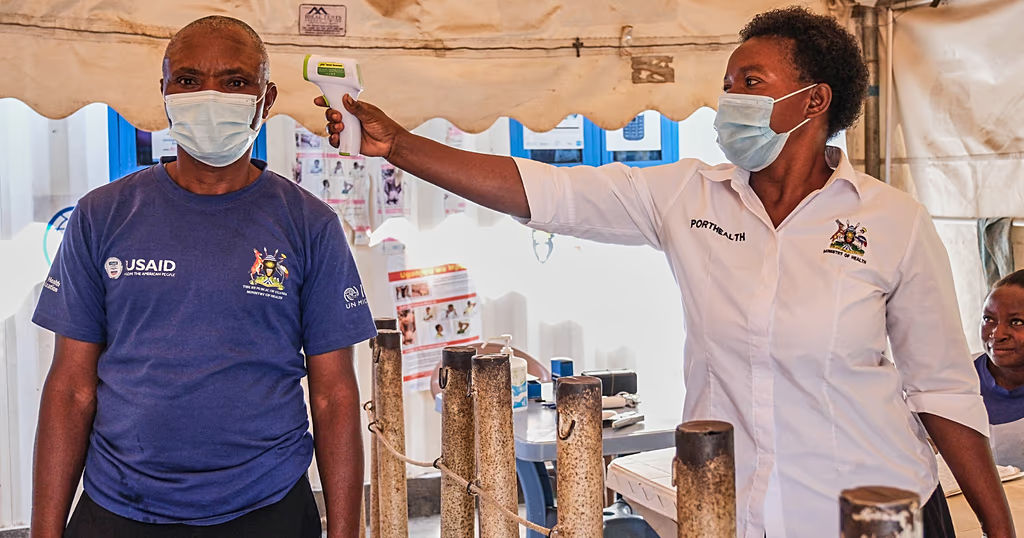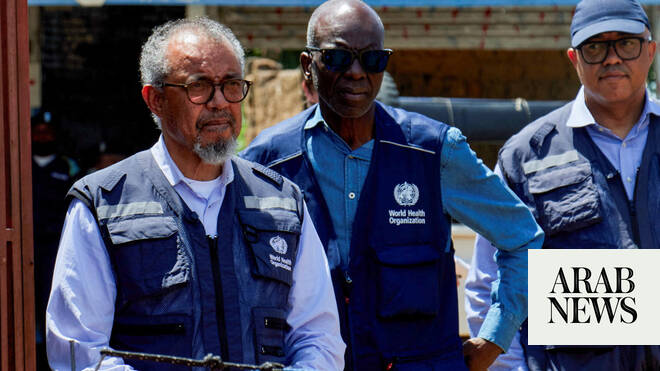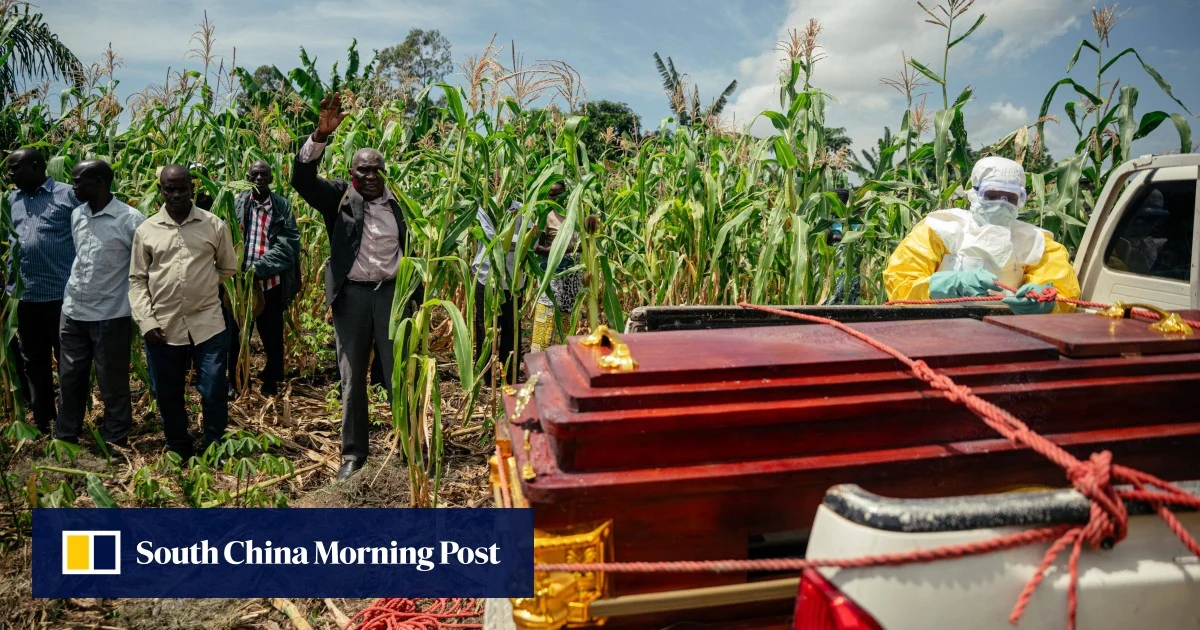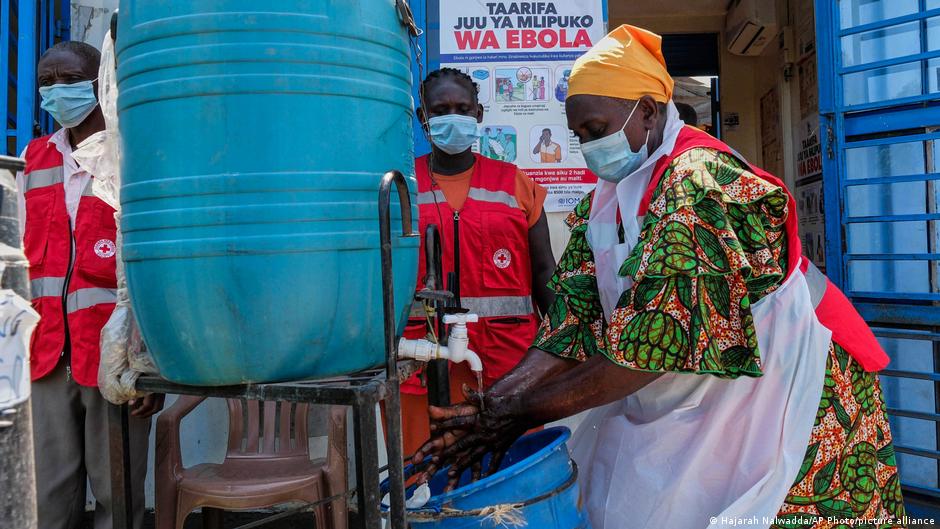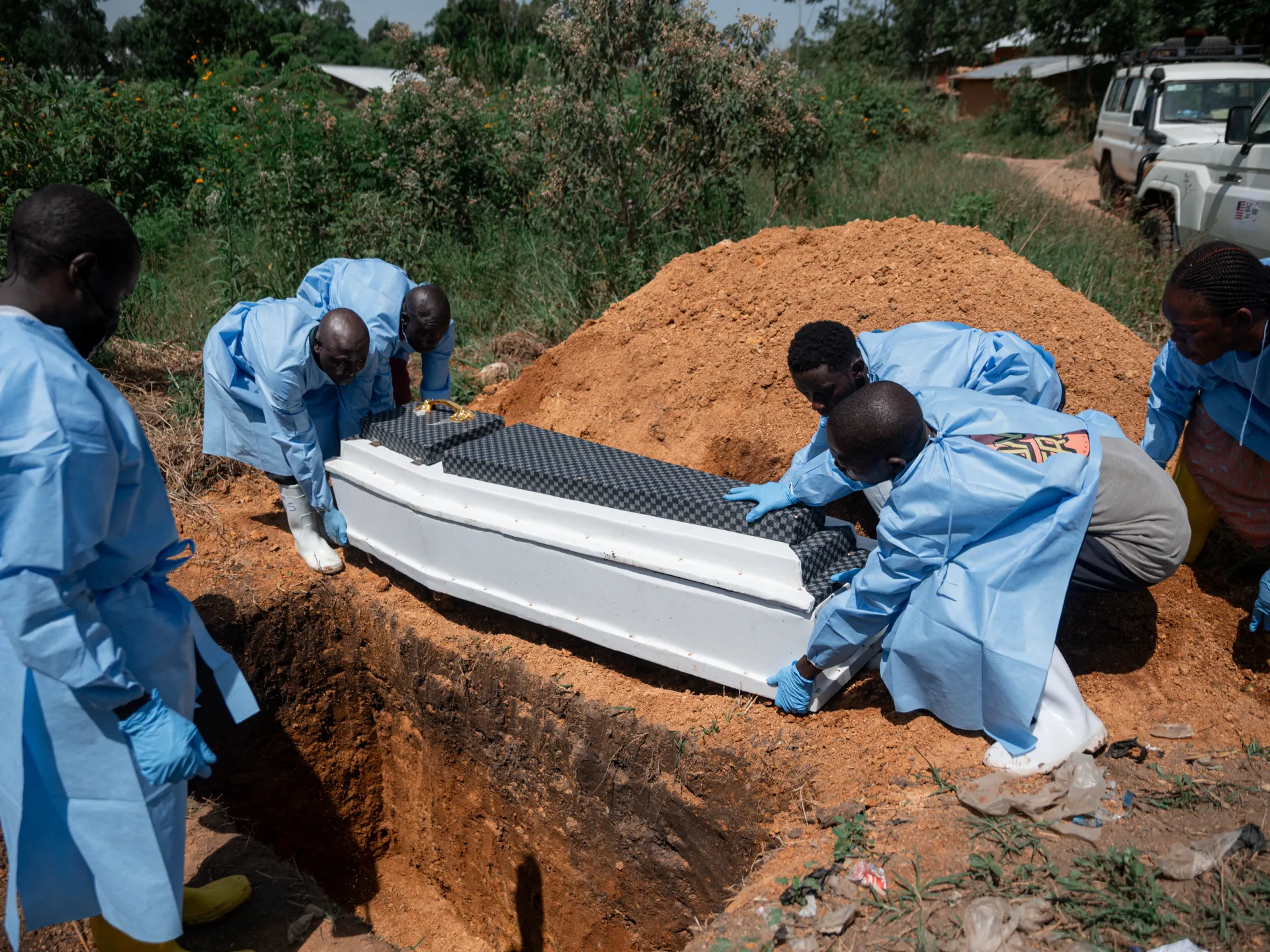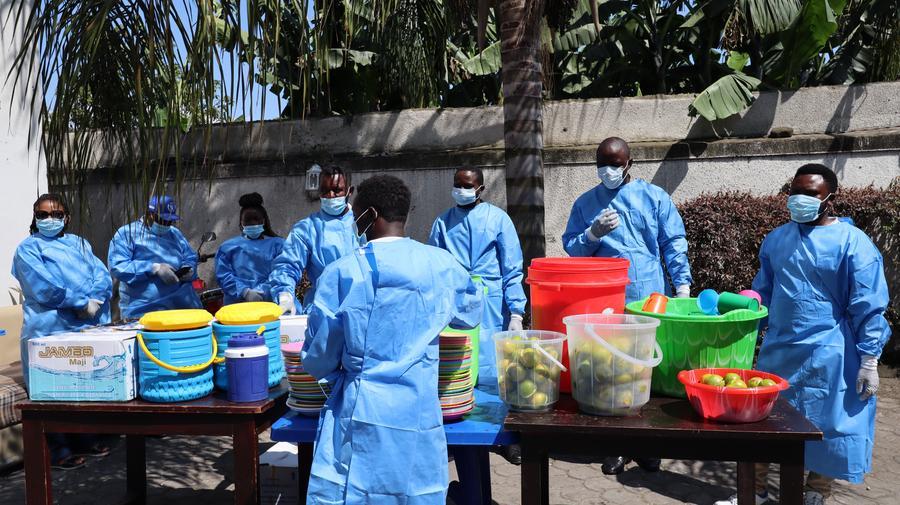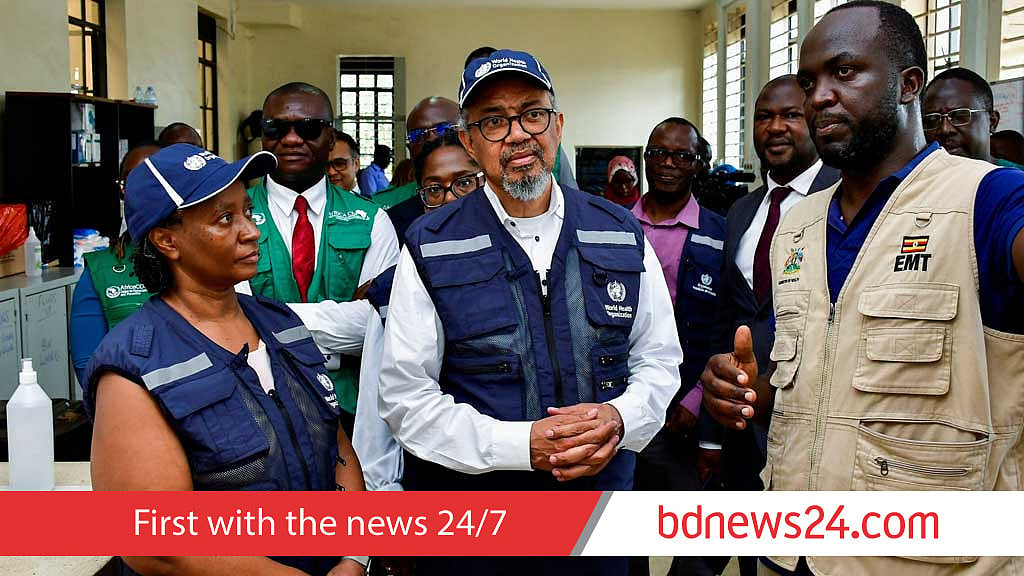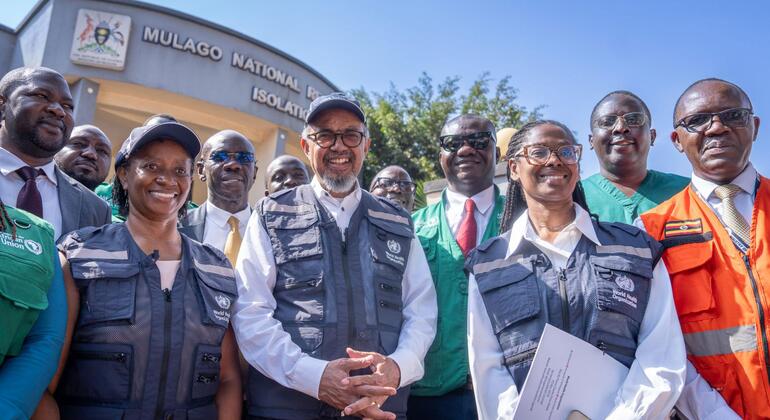
The WHO has declared an international health emergency over the outbreak which has caused 515 confirmed infections in the DRC, including 91 deaths, since it was announced on May 15 in northeastern DRC.Uganda has recorded 19 cases and two deaths. All but five have been Congolese nationals who crossed the border."The success rate in managing Ebola in Uganda has been good," said WHO Director-General Tedros Adhanom Ghebreyesus during a visit to the Mulago National Referral Hospital in the capital, Kampala."Because of the experience gained in managing public health emergencies, there is a case fatality rate of less than one percent," he said, adding that the WHO had supported the training of 148 health workers for the Ebola response.He singled out the decision by the government to cancel annual Martyrs Day celebrations on June 3 that normally attract huge crowds from across the region."It was a wise decision because Ebola spreads fast with such gatherings. We're now counting 19 cases and if the Martyrs Day celebration had happened, it would be in three digits now," Tedros said.The WHO head met Ugandan President Yoweri Museveni and said they discussed "cross-border collaboration"."There is no need for restrictions since they affect the economy," said Tedros. "Restrictions don't really help... Addressing the epicentre is the solution."Borders closingOne of the confirmed cases in Uganda was a Congolese citizen who had travelled to the United Arab Emirates before entering Uganda.Two days later, the UAE announced it was banning entry to travellers arriving from the DRC, Uganda and South Sudan.In Mauritius, L'Express newspaper reported on Monday that the island nation was also barring foreign travellers from the three countries.This is the 17th Ebola outbreak to hit the DRC, a vast and unstable central African country of more than 100 million people.
WHO chief praises Uganda's Ebola effort
The head of the World Health Organization visited Uganda on Monday and praised its efforts to limit the spread of an Ebola outbreak from neighbouring Democratic Republic of Congo.
440 words~2 min read