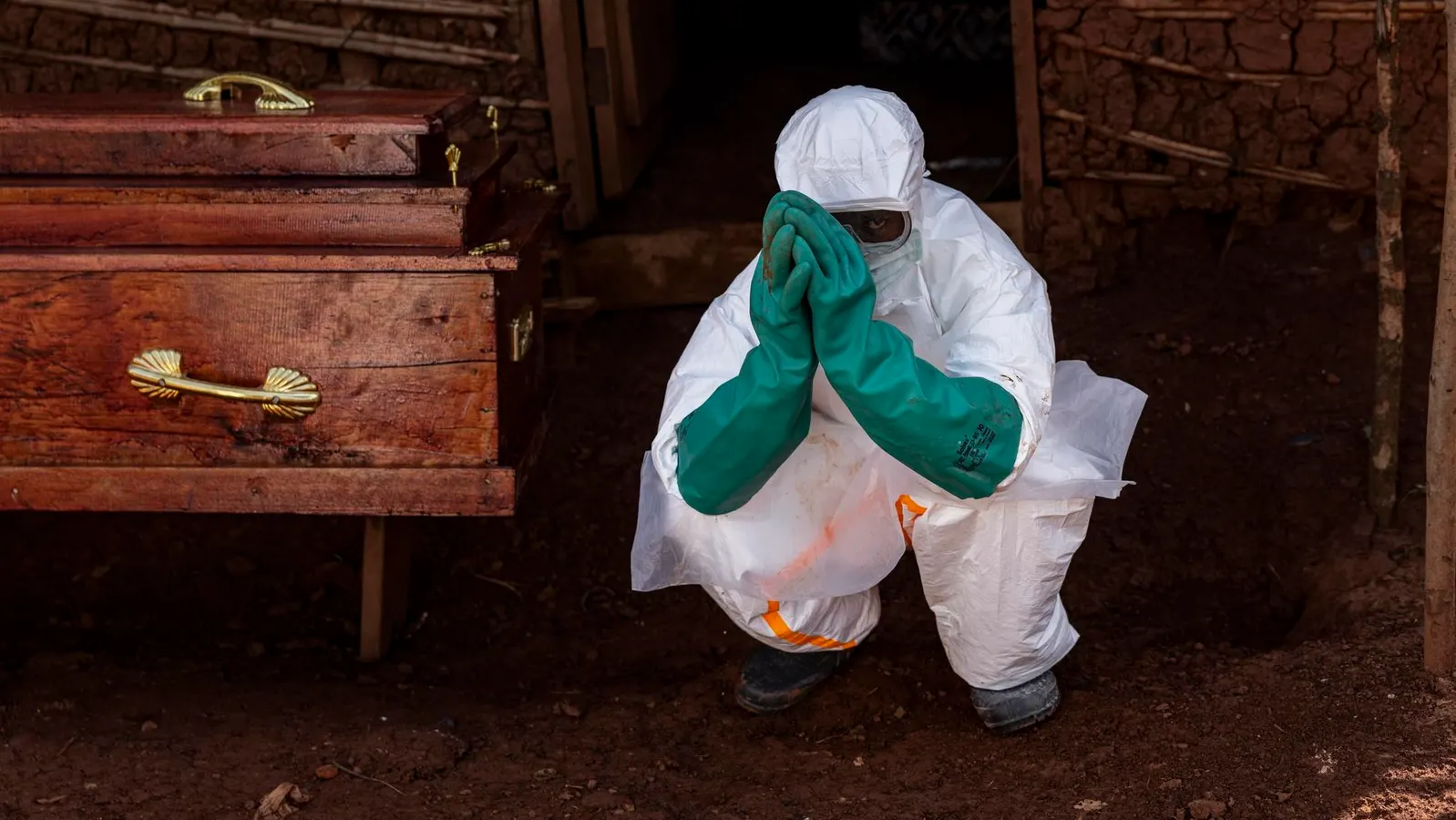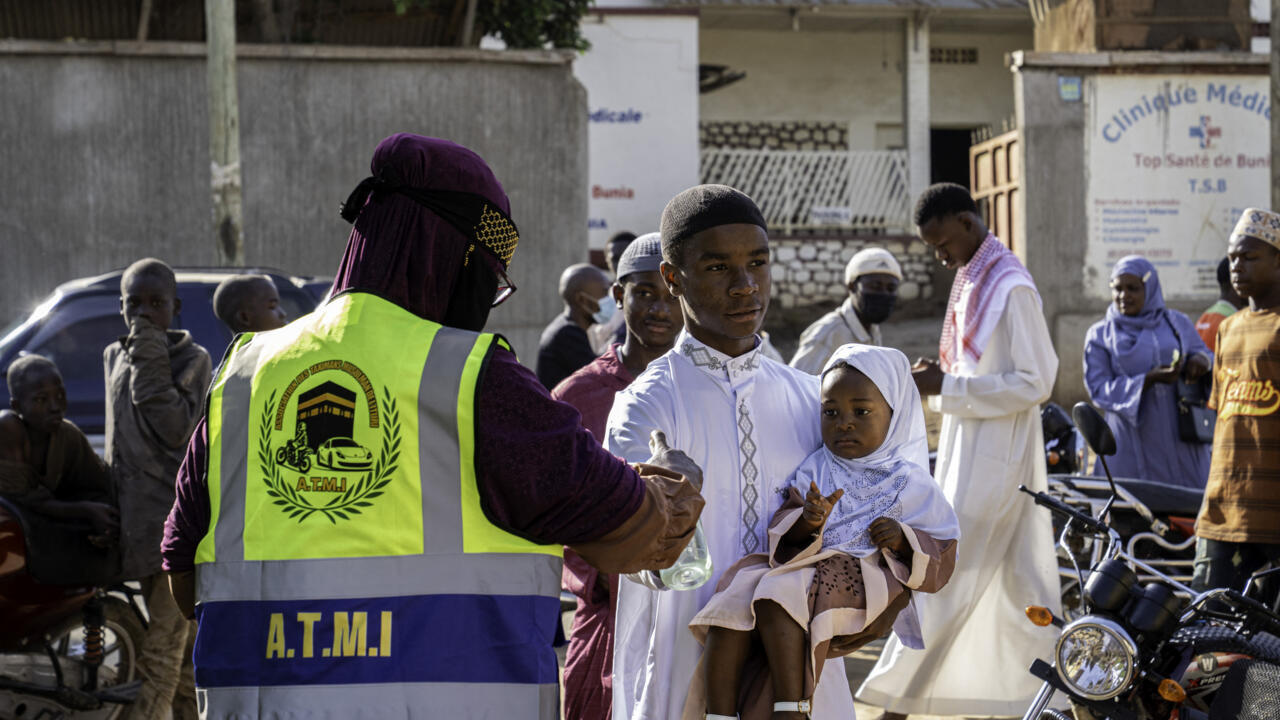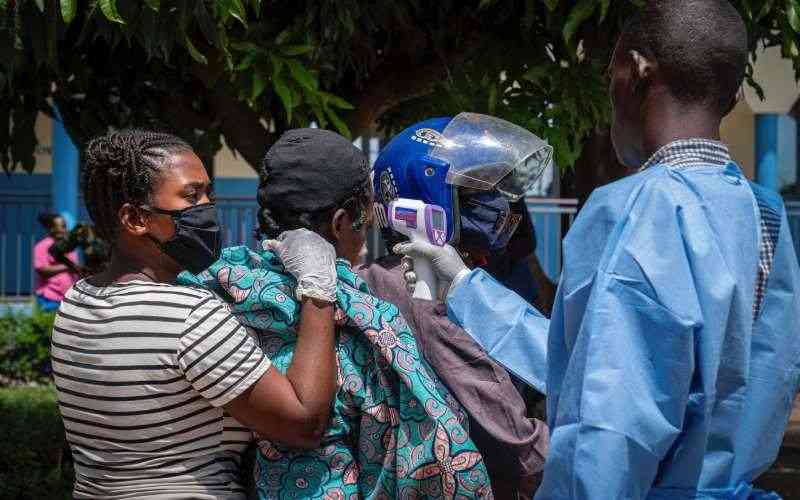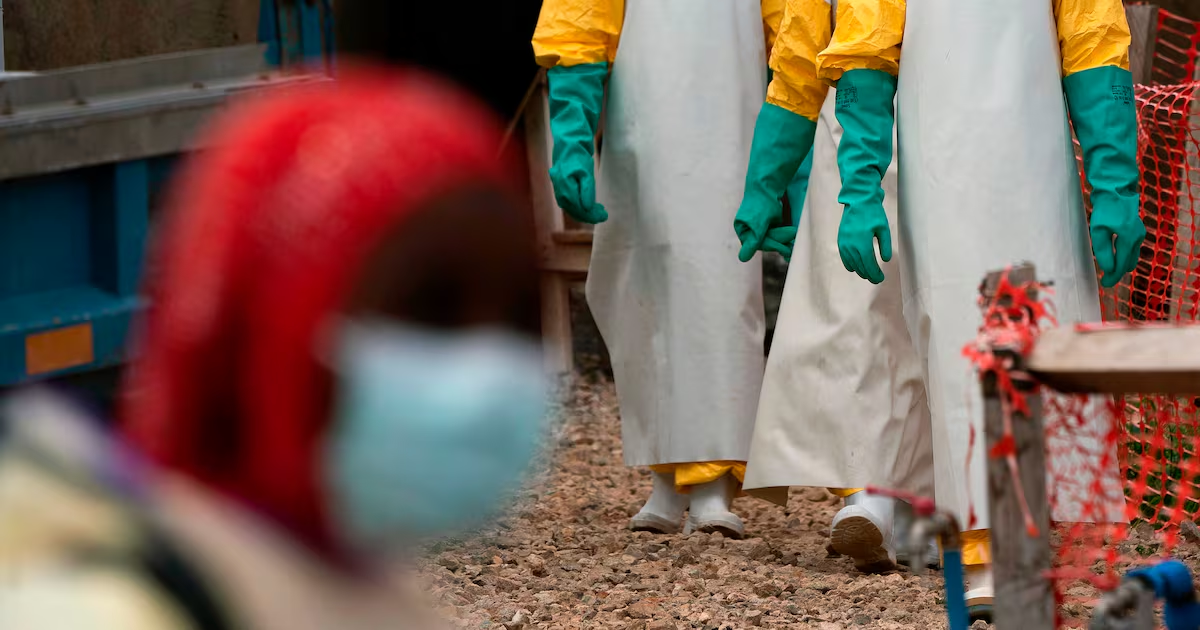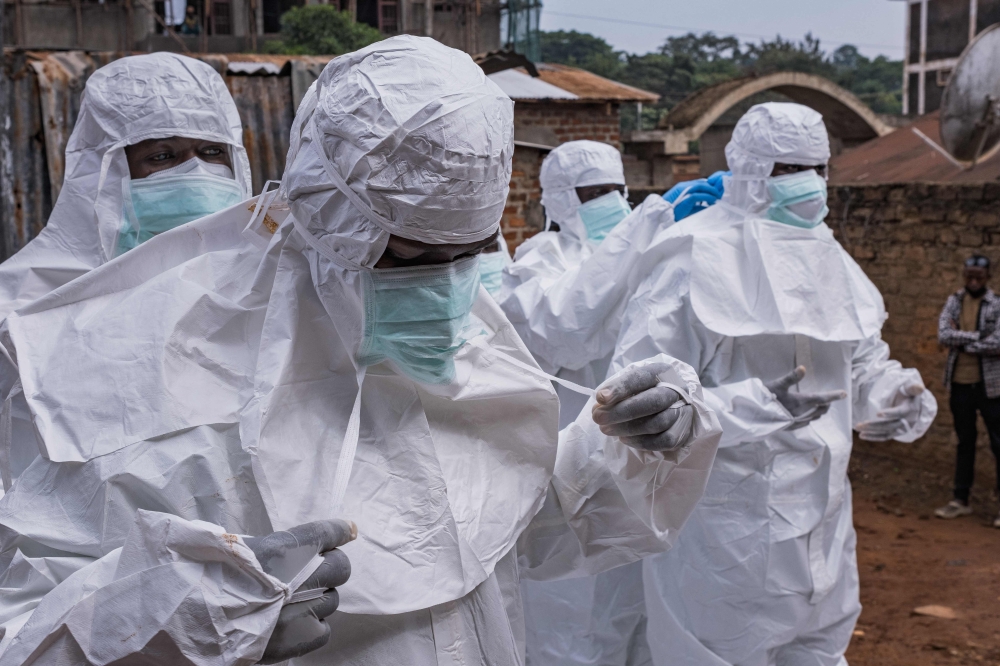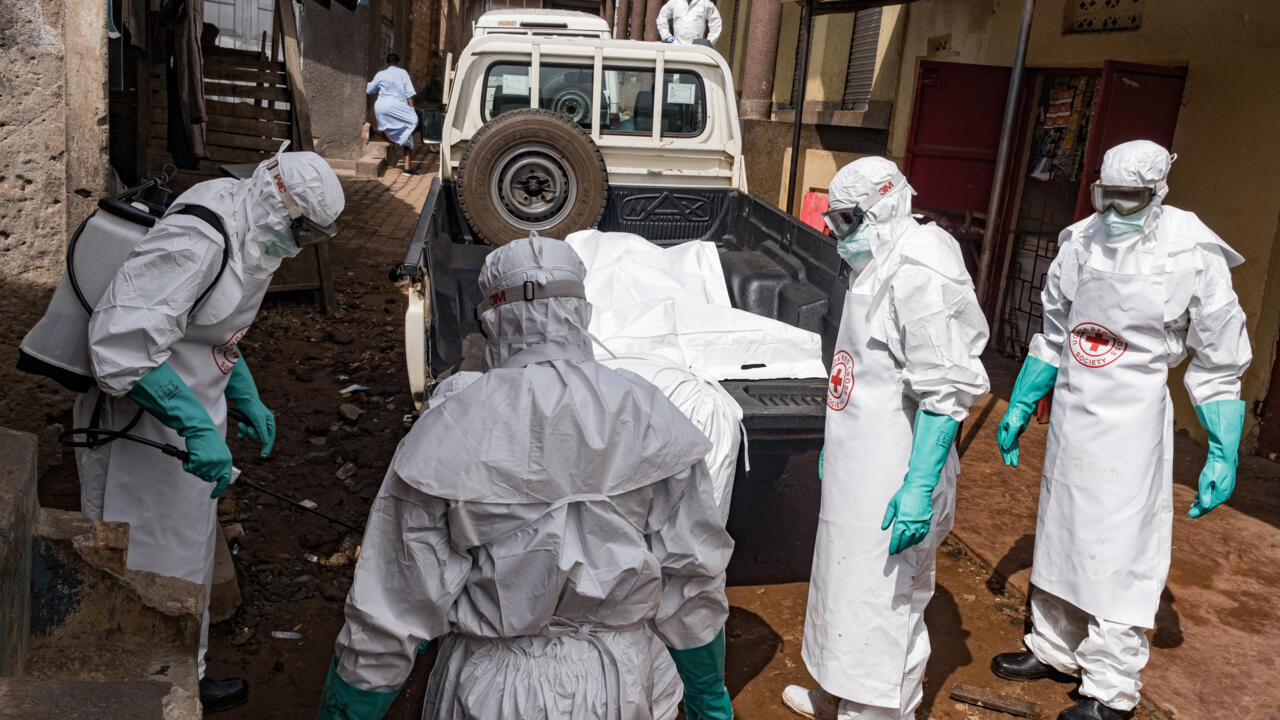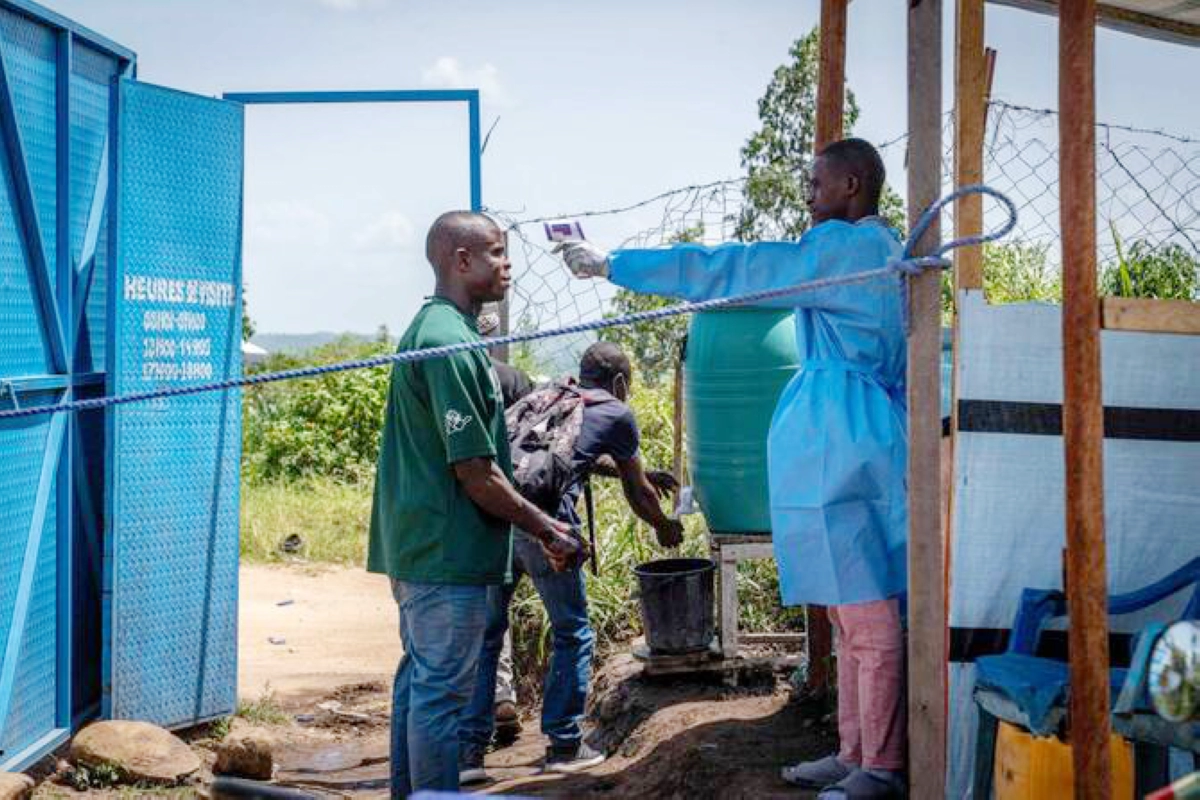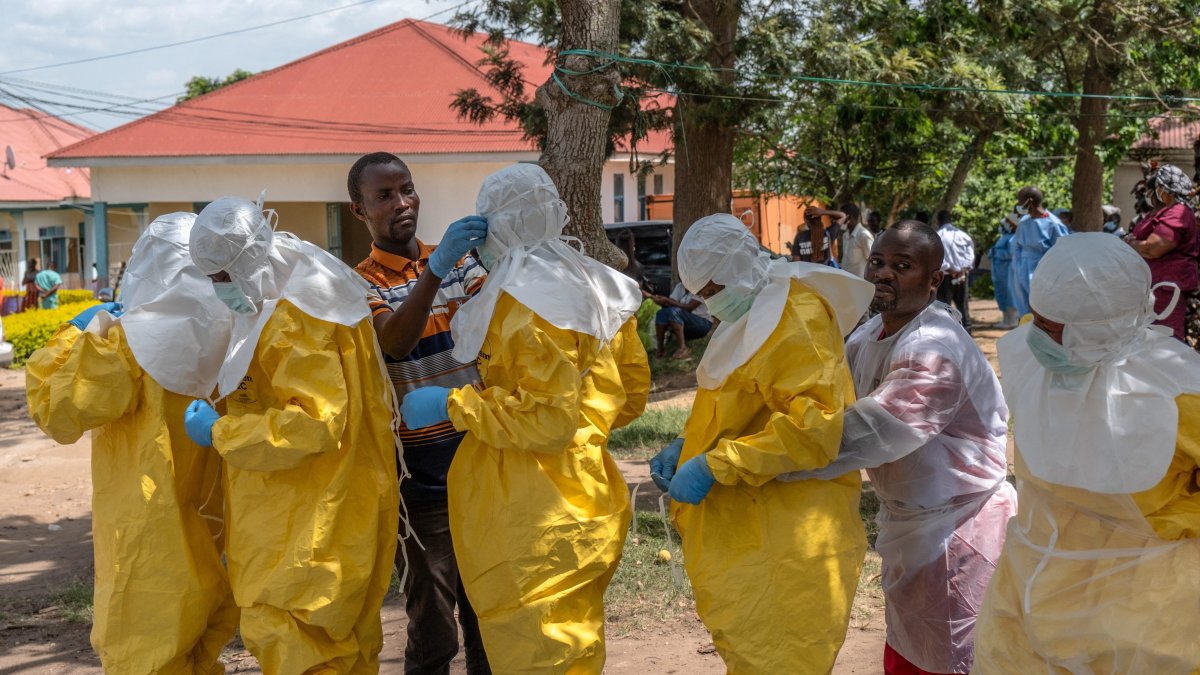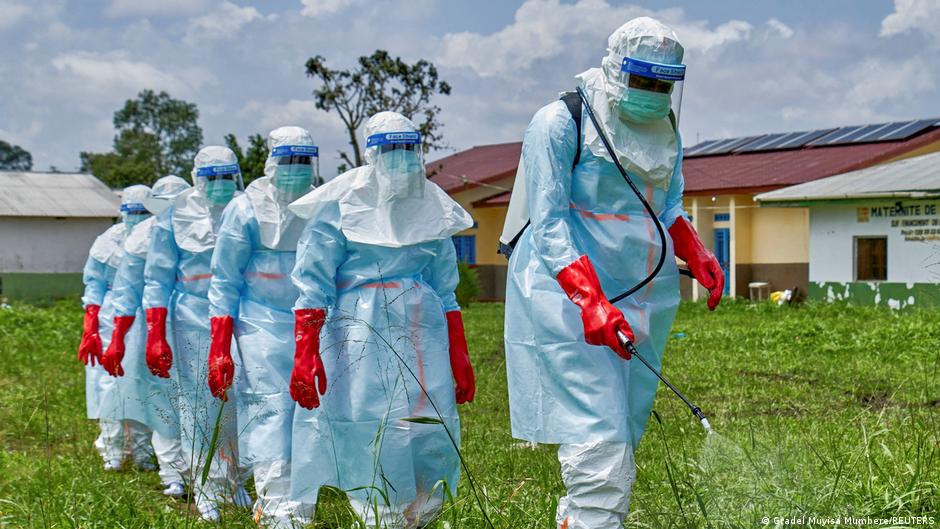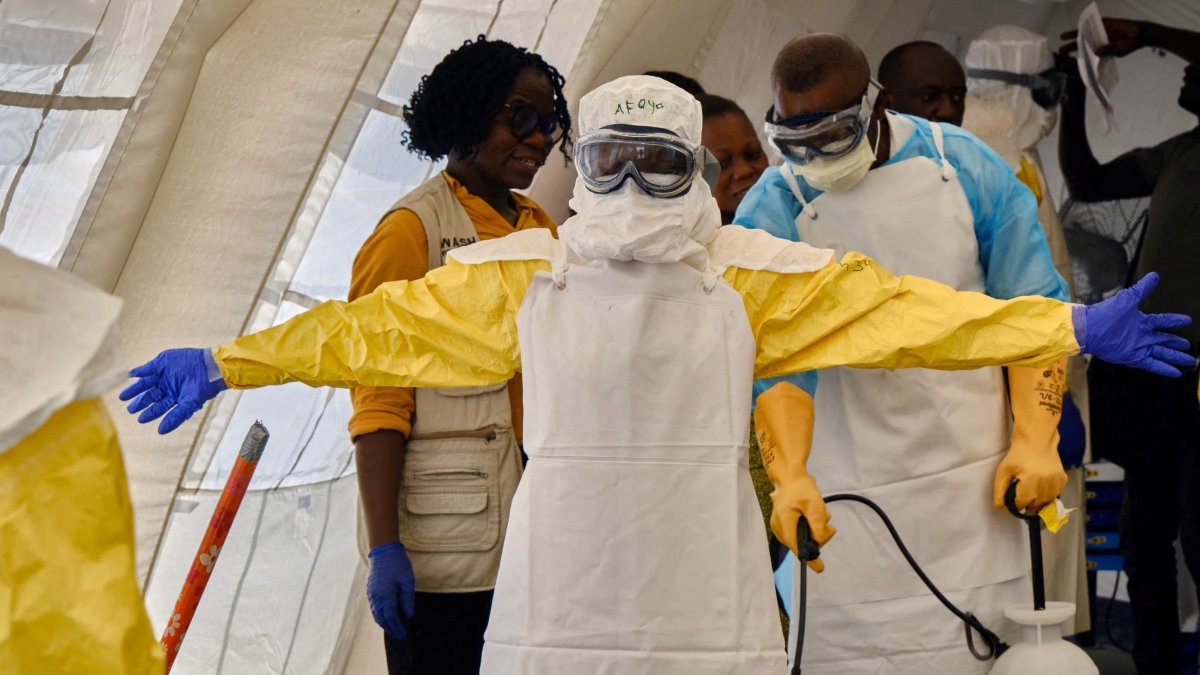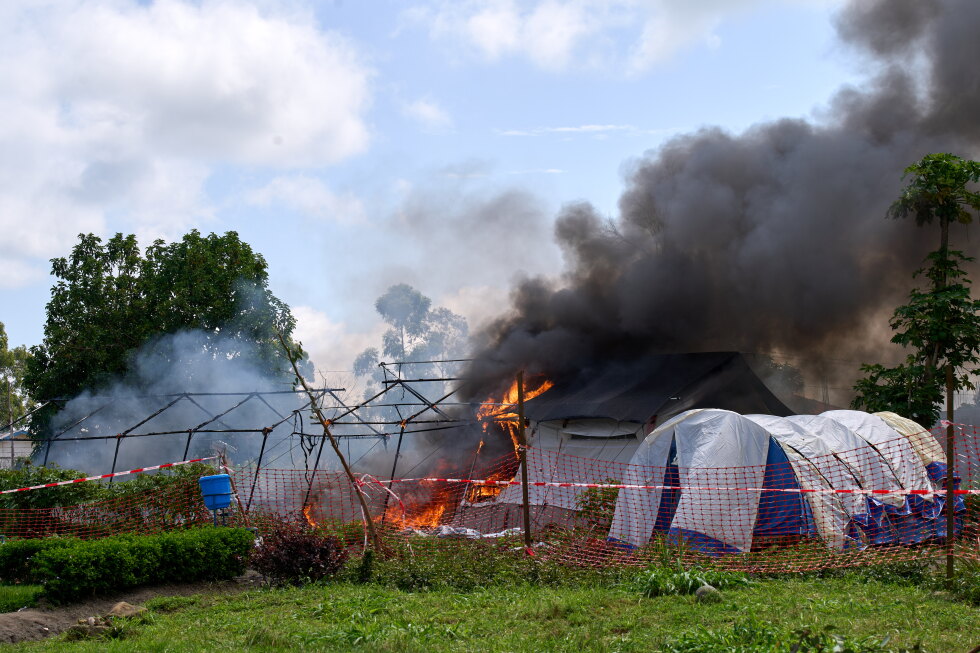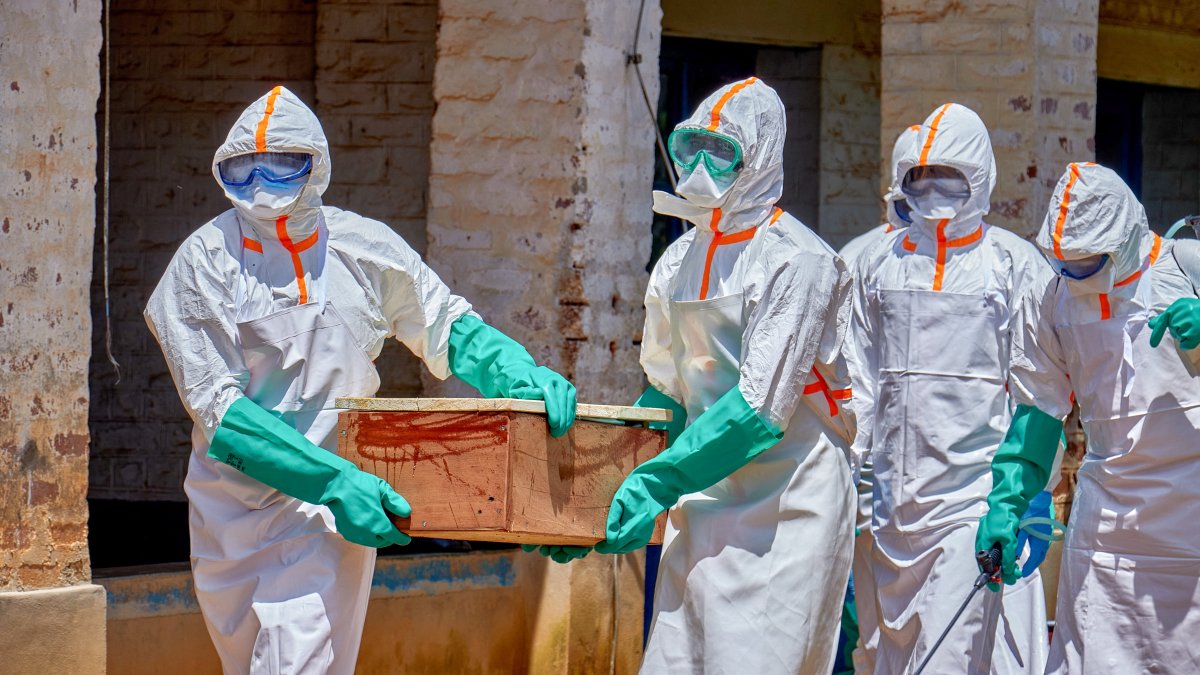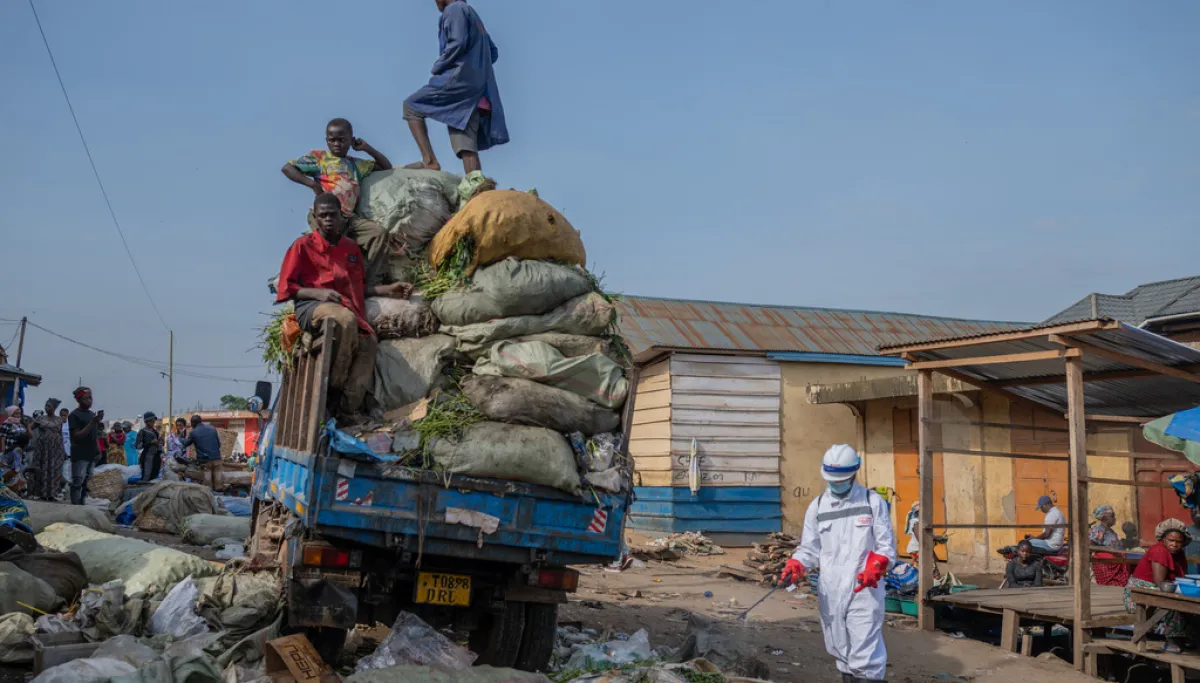
Chronic instability in the Democratic Republic of the Congo threatens to make Ebola and similar crises a recurring nightmare, as the embattled African country lacks the institutional capability needed to tackle such issues. Ebola is the latest calamity to plague DRC, which is facing over 900 suspected cases of the deadly virus and over 220 suspected deaths. Health professionals fear systems are lacking to address the crisis, as the World Health Organization warned that violence and sweeping internal displacement in the country have made it “challenging” to keep it from spreading. With conflict constantly ripping the DRC apart, it has been unable to build the conditions enjoyed by countries such as the United States that allow officials to quickly address crises. “Health systems are critically important, and they need investment,” Dr. David Brett-Major, an epidemiology professor at the University of Nebraska Medical Center, told the Washington Examiner. “What makes that possible is that communities are able to act in ways that allow them to prosper and act without a fear of loss of life or loss of capital.”
“You gotta have safety, security, food. You have to know fundamentally that you can function, you have to be able to have a community that’s able to thrive on all of the usual kindergarten rules,” he said. “It’s certainly true that in complex emergencies, that shouldn’t be minimized in any sort of DRC, that that impacts every aspect of life.”