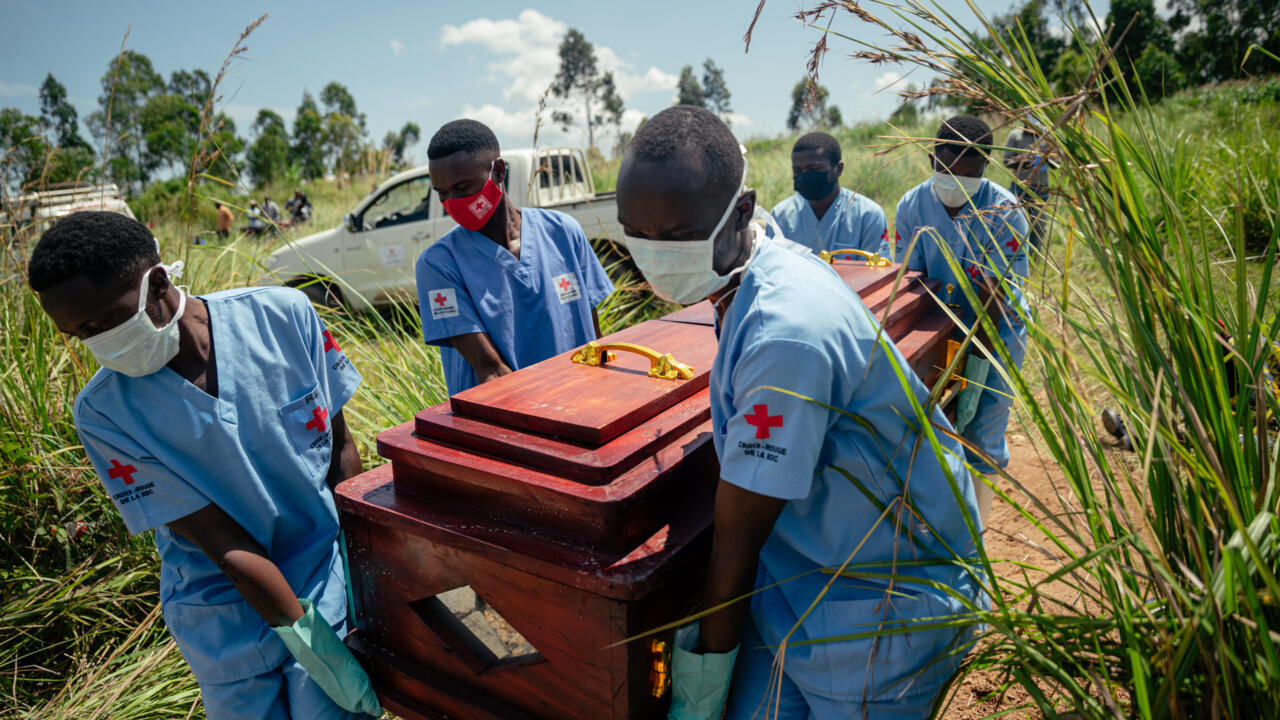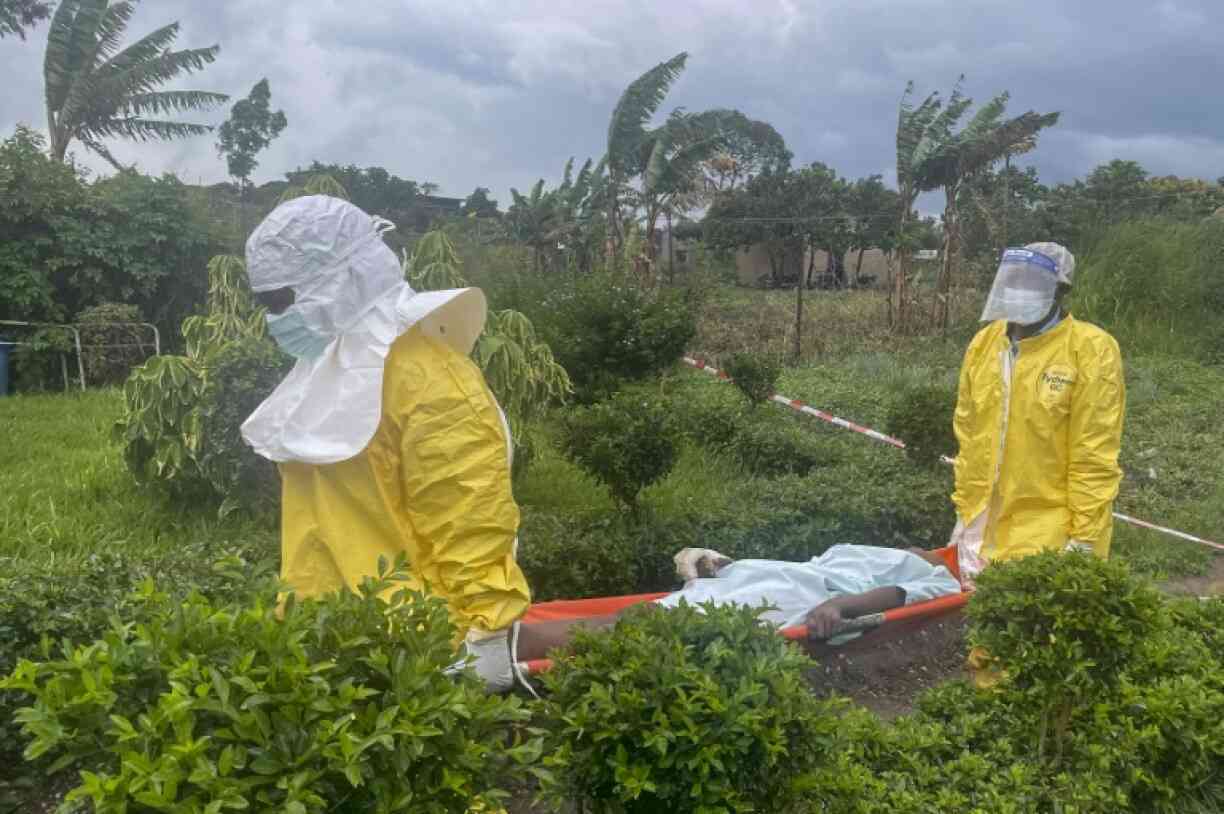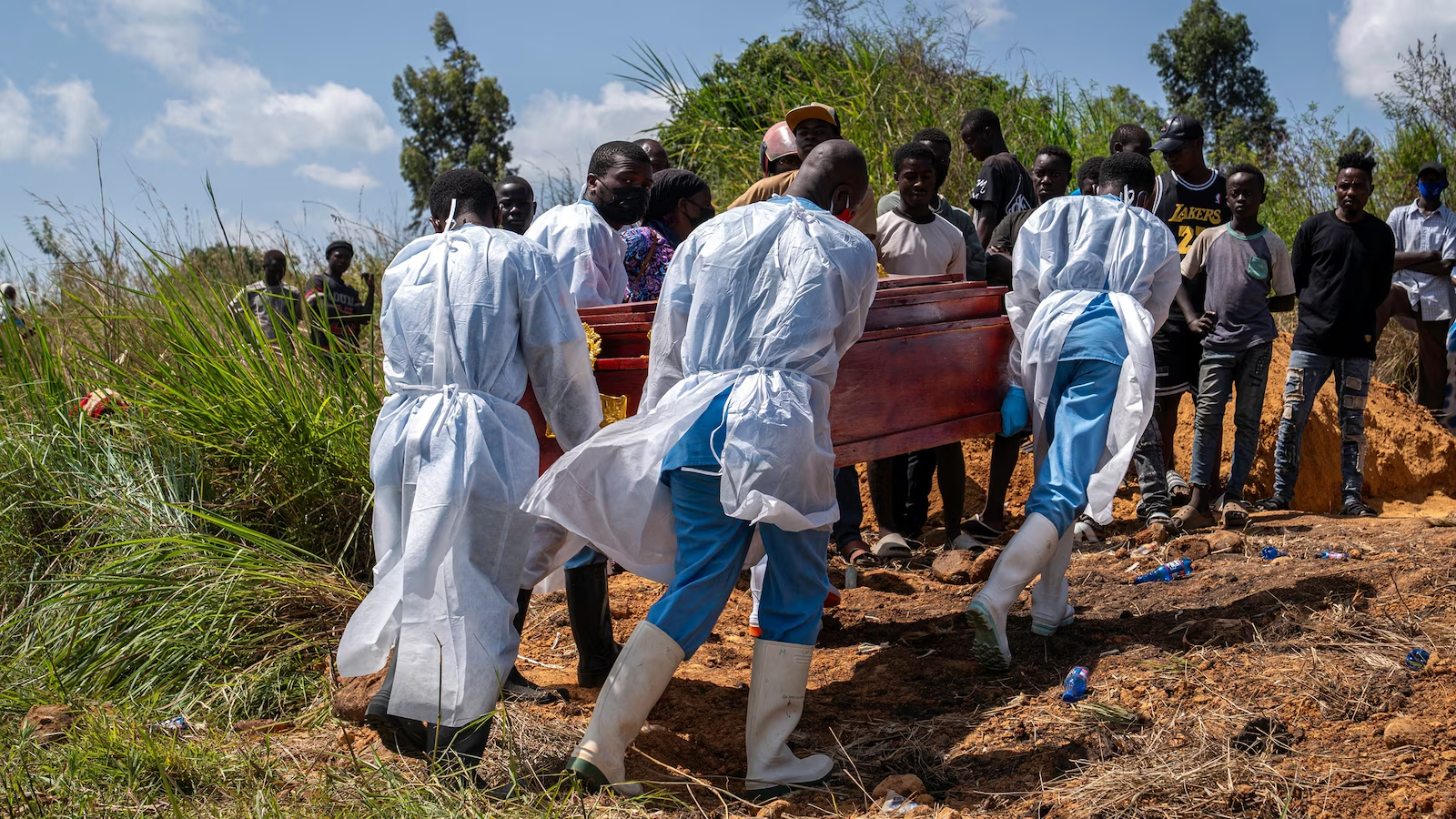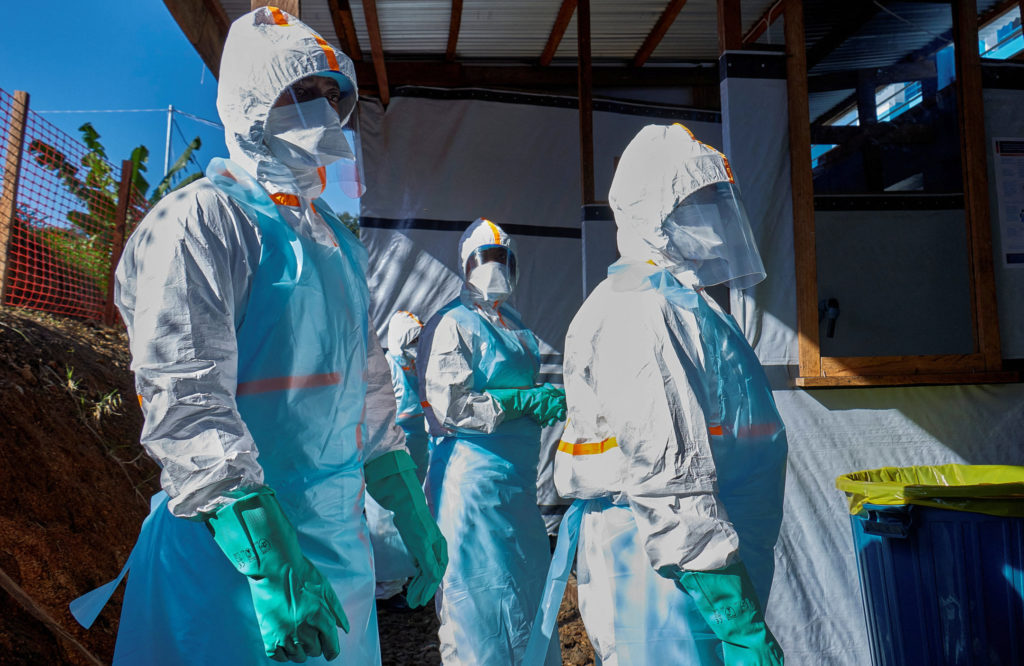
The Ebola outbreak in the Democratic Republic of the Congo and Uganda is escalating quickly. There are growing warnings that, without a stronger response, this Ebola outbreak could become one of the deadliest. William Brangham takes a closer look with Jeremy Konyndyk, the president of Refugees International. In 2014, he ran USAID’s foreign disaster assistance when Ebola broke out in Africa. Notice: Transcripts are machine and human generated and lightly edited for accuracy. They may contain errors.
Geoff Bennett:
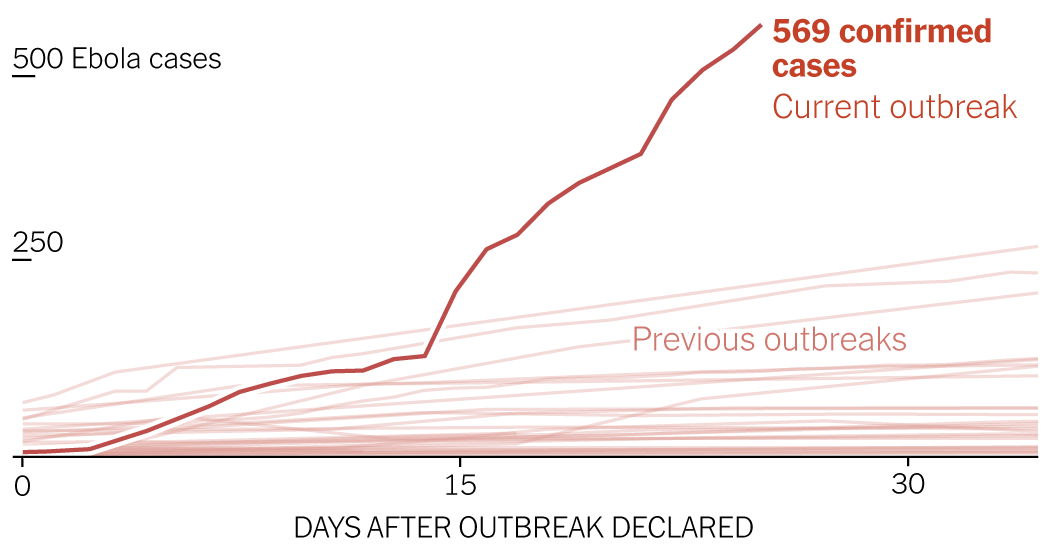
The Ebola outbreak in the Democratic Republic of the Congo and Uganda is escalating quickly. More than 120 people have died and health officials have reported over 630 cases.Less than a month after the World Health Organization declared a global health emergency, experts fear the virus may already have spread far beyond the confirmed numbers. And there are growing warnings that, without a stronger response, this outbreak could become one of the deadliest in Ebola's history.Our William Brangham takes a closer look now -- William.
William Brangham:
That's right, Geoff.A combination of challenges is making this outbreak particularly tough to control. It took months to recognize that the virus had already spread. There's armed conflict in and around this outbreak. And health workers are treated with suspicion. And some have already been attacked.The international response has also been criticized, with some experts arguing that America's dismantling of the U.S. Agency for International Development, or USAID, has weakened the ability to respond to crises like this.One of those voices is Jeremy Konyndyk. He's the president of Refugees International. But back in 2014, he ran USAID's foreign disaster assistance when Ebola broke out in West Africa.Jeremy, great to have you back on that program.