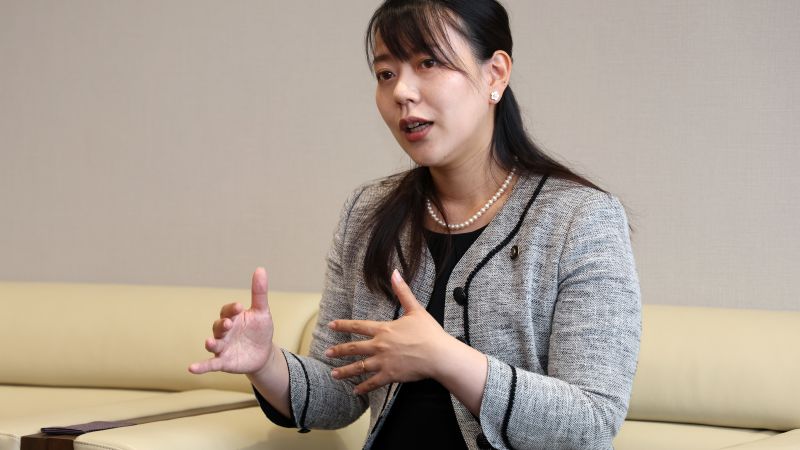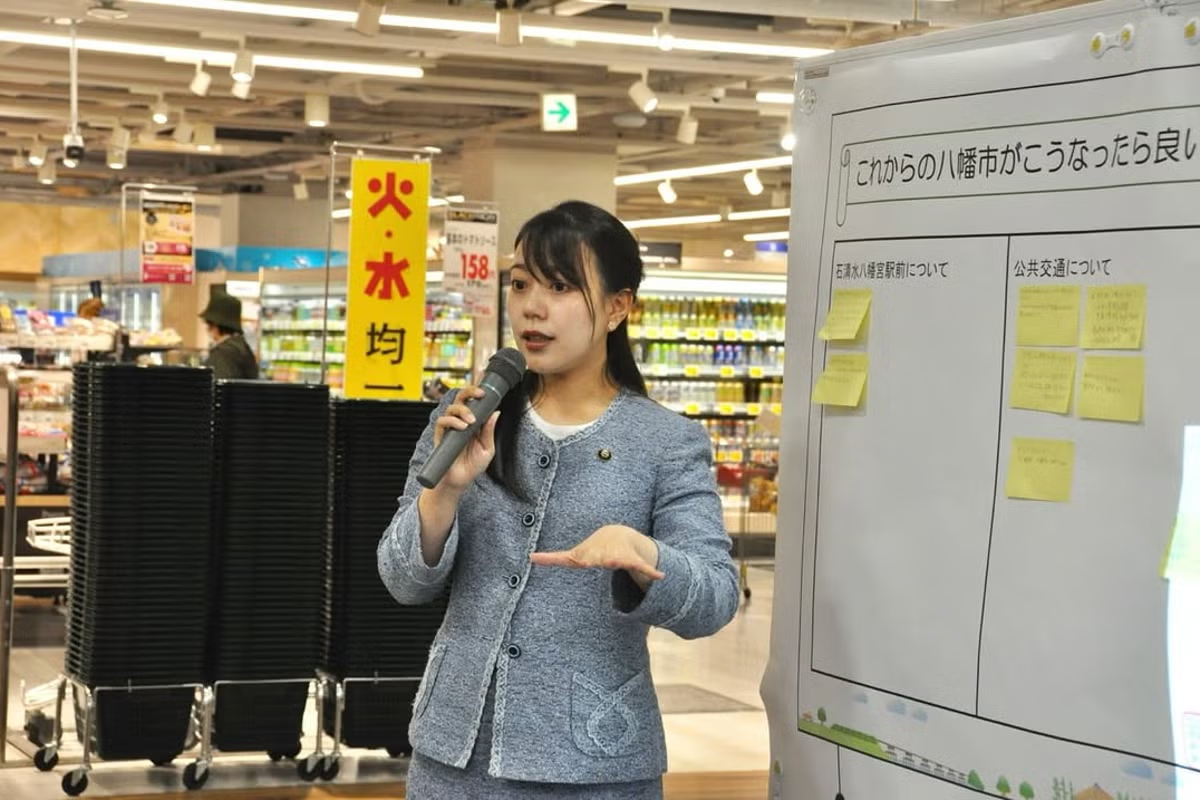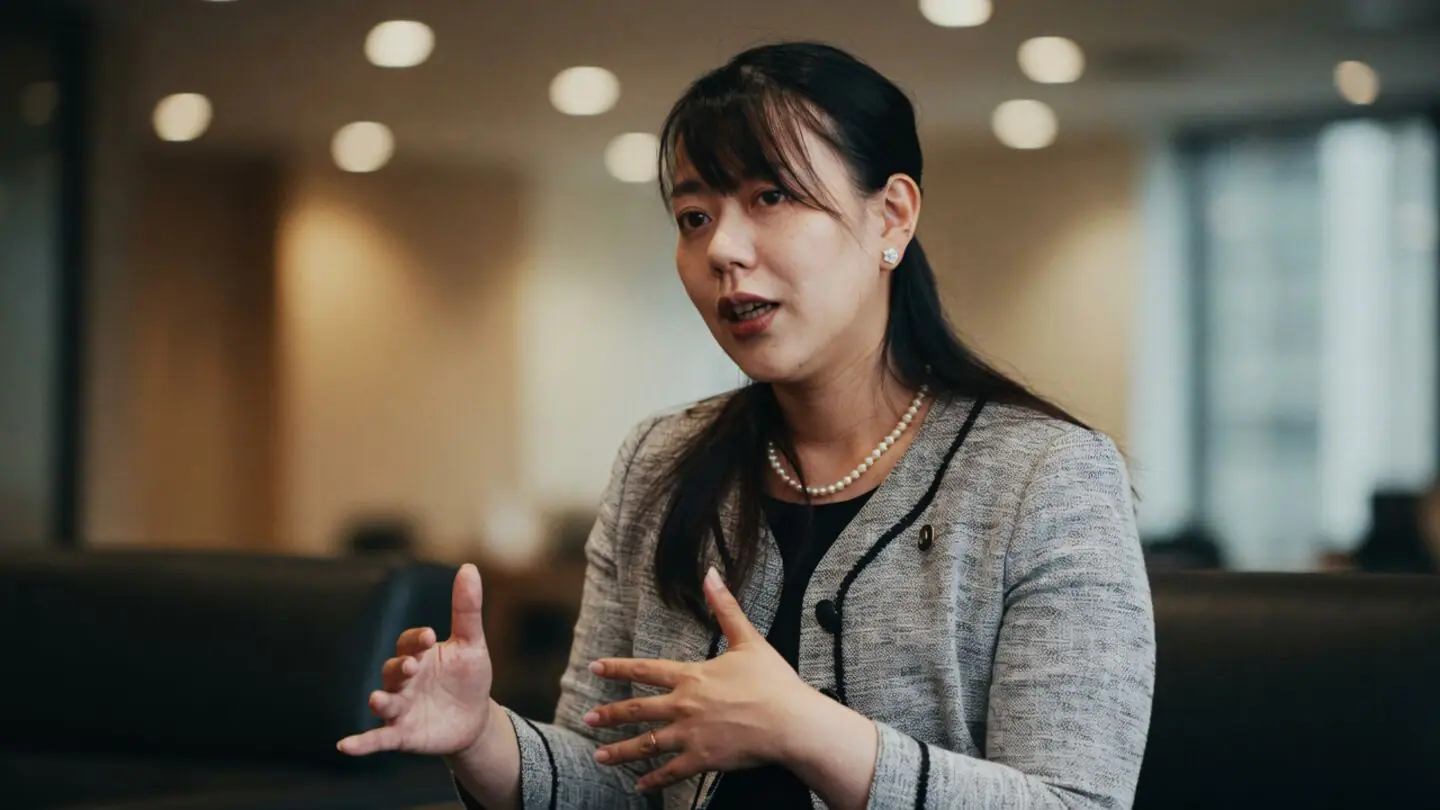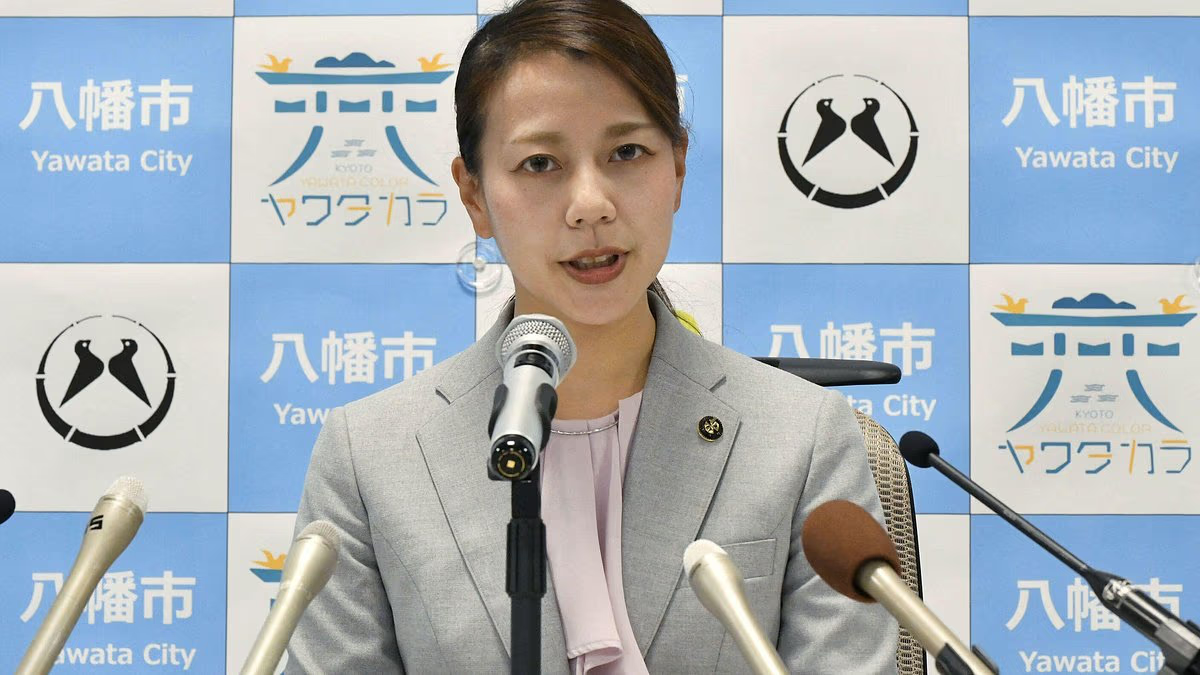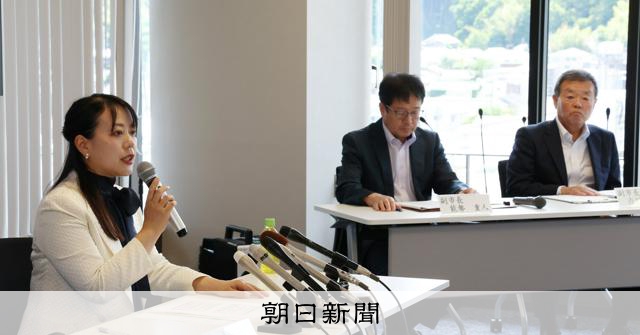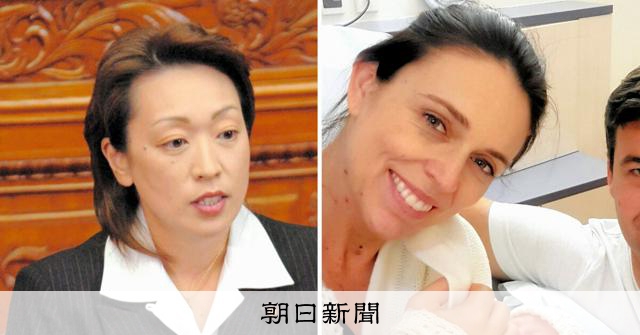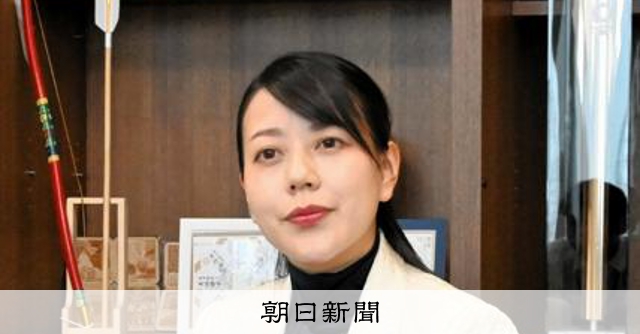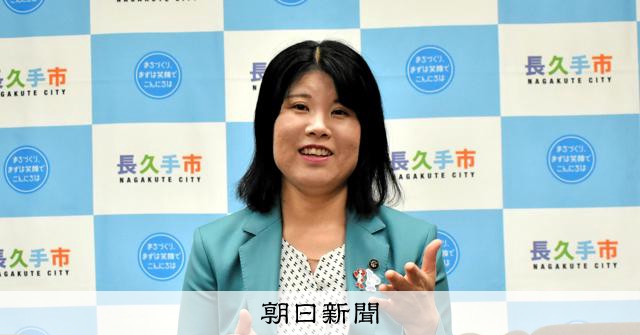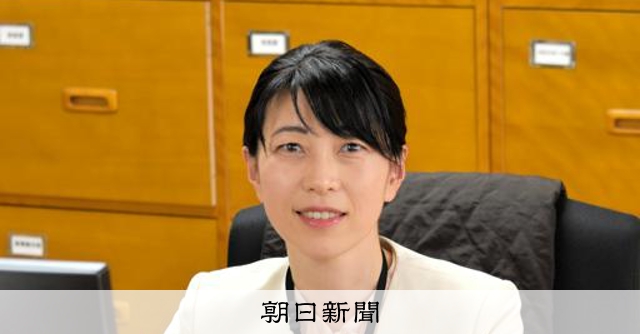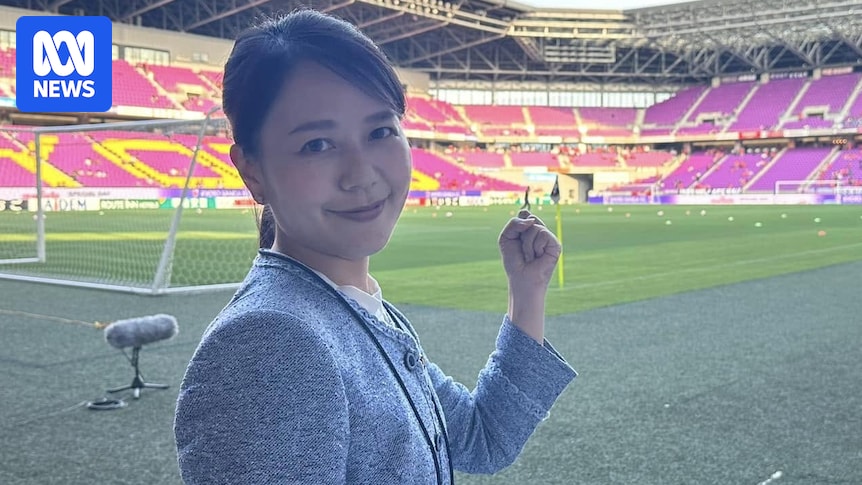
A pregnancy rarely generates national headlines, but in Japan, a mayor's upcoming maternity leave has done just that.Shoko Kawata is set to become the first incumbent Japanese mayor to take maternity leave while in office, according to local government organisations.There is currently no legal framework in Japan that guarantees or regulates such leave for elected officials."I hope by showing that even those in managerial or top leadership positions can properly take maternity and childcare leave, this will help create a society in which women feel more encouraged to take on challenges," the mayor of Yawata, Kyoto Prefecture, told local media.The 35-year-old said she would appoint a deputy mayor to take her position in her absence, while still checking emails and logging into meetings online as much as possible."I want to make sure that, in terms of the total amount of work over the four years [of my term], there is no shortfall," she said.Shoko Kawata is due to give birth to her first child in September. (Instagram: shokokawata_yawata)She added that she also planned on taking childcare leave after her maternity leave, but the final details of that and her salary during her absence were still being finalised.The Yawata Prefecture allows its employees to take eight weeks of leave before and after giving birth, but does not stipulate any provisions for the mayoral role.No leave laws for MPs and mayorsThe story has generated significant discussion in Japan, where elected officials have no legal right to maternity or paternity leave.Mayors and politicians are considered public servants, not employees, under the country’s labour laws, which means they cannot access the legally enshrined 14 weeks of leave available to mothers who are employed.Mayor Kawata will take six weeks of leave before the birth and eight weeks after it, in line with the labour laws governing regular employees.Mothers are usually paid 67 per cent of their salary by government-run or private health insurance during their leave.Shoko Kawata ran successfully as an independent at the mayoral election in 2023. (Facebook: Shoko Kawata)A senior fellow at The Tokyo Foundation think tank, Miho Konishi, said societal pressures on parents were significant."In Japan, there is a deeply rooted pressure that the more senior you are, the less entitled you are to parental leave, creating a cycle where those at the top don't take it, so those below feel they cannot ask," Ms Konishi told the ABC."A mayor — someone in a role that is genuinely difficult to replace — demonstrating that an organisation can manage and adapt, sends a message that extends well beyond local government, into the private sector and society as a whole."She cautioned, however, that it remained to be seen how well Ms Kawata would be supported by her administration, given the questions that remained over her leave and pay."There is a real risk that one person's courageous act becomes a feel-good story that papers over the lack of structural support. Mayor Kawata herself has said that 'institutional backup is indispensable,'" she said."What that backup actually looks like in practice remains to be built. What Japan needs is not the appearance of exceptional individuals, but systems that make this possible for everyone."Japan's institutions slow to changeThe Diet, Japan's national parliament, has historically allowed members to leave work for childbirth or childcare, but has treated it as a matter of absence, rather than an enshrined working right."Until as recently as November 2025, Japan's House of Representatives rules did not explicitly list a spouse's childbirth or childcare as valid reasons for absence," she said.As part of last year's rule changes, the country's lower house agreed to standardise 14 weeks of leave for mothers in line with Japan's labour laws.The National Diet in Japan has long grappled with the issue of parental absence. (Reuters: Kim Kyung-Hoon, file)"At the local level, female councillors who needed to take maternity leave were sometimes required to list their reason for absence as 'accident' or 'unforeseen circumstances,' because the word 'childbirth' simply did not appear in the rule," she said.Male governors and mayors have previously taken leave under these informal arrangements after their wives gave birth.Some prefectural administrations have amended rules to include childbirth as a reason for employee absence in recent years, but mayors negotiate on an individual basis.Women accounted for just under 15 per cent of members in Japan's parliament, and held 18 per cent of elected local government positions in 2025, according to the United Nations.Former Japanese foreign minister Yoriko Kawaguchi said Mayor Kawata's story had "become symbolic of a wider debate in Japan about gender equality, political participation, and how public institutions should evolve to reflect the realities of modern society.""Japan's political system was historically designed around the assumption that political office holders would be men without primary caregiving responsibilities," Ms Kawaguchi told the ABC."As more women enter politics and leadership positions, existing institutions are being tested by realities that earlier generations of lawmakers did not fully anticipate."Shoko Kawata is Japan's youngest female mayor and was elected in 2023 at age 33.Earlier this year, she posted on X that she was working to achieve personal and professional balance."Until now, I have rushed through each day, feeling that 'I had no choice but to give up my private life and to push myself beyond my limits,'" she wrote."Even while holding the demanding position of mayor and as a woman, I want to strive to become a role model who can balance work and family."Her decision to take leave has seen Japanese media draw comparisons to Jacinda Ardern's maternity leave while prime minister of New Zealand in 2018."The fact that Japan is now having this conversation, even if eight years later, suggests that something may genuinely be shifting in how the public thinks about leaders who show themselves to be human beings with lives outside their office," Ms Konishi said.
Mayor to make Japanese history by going on maternity leave
A Japanese mayor will take maternity leave this year, becoming the first in the country's history to do so while in office.
968 words~4 min read