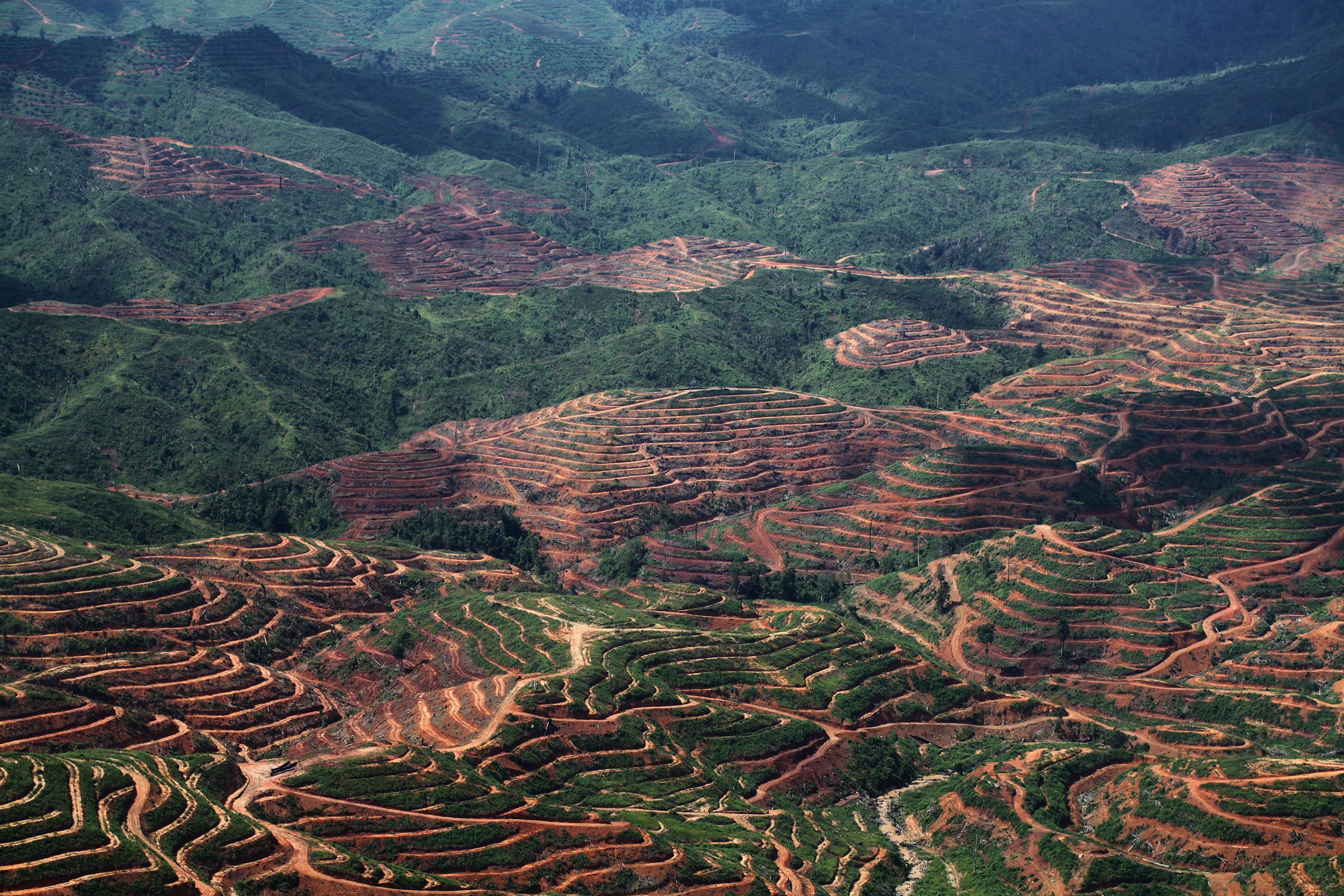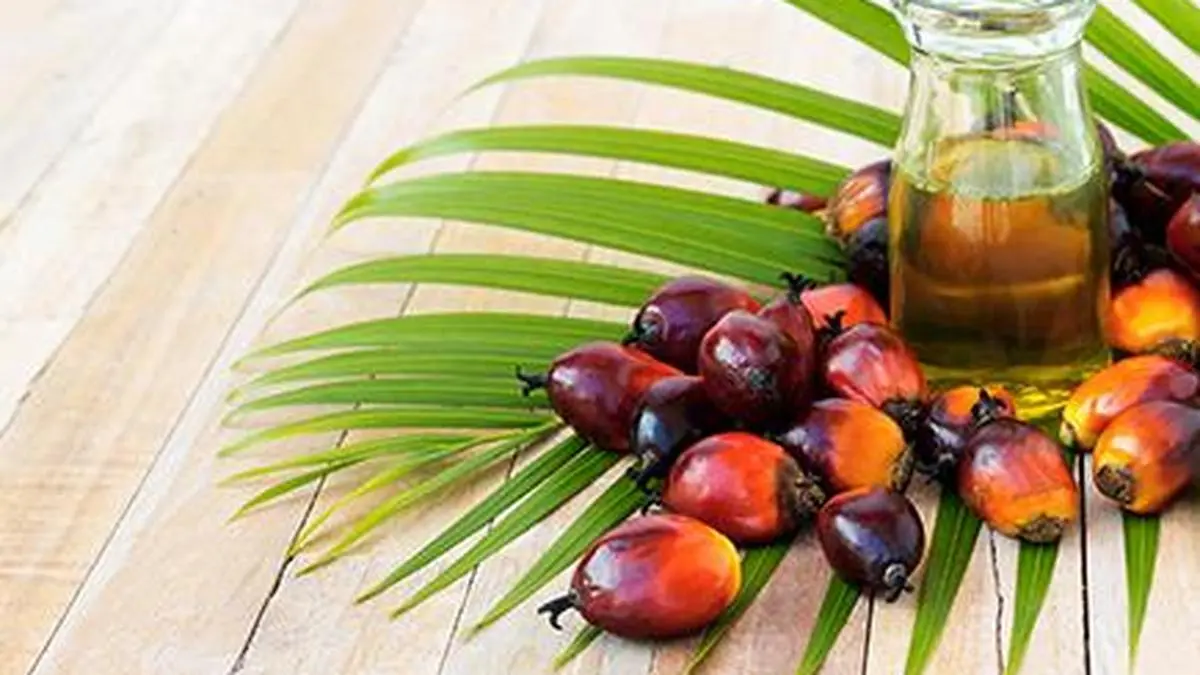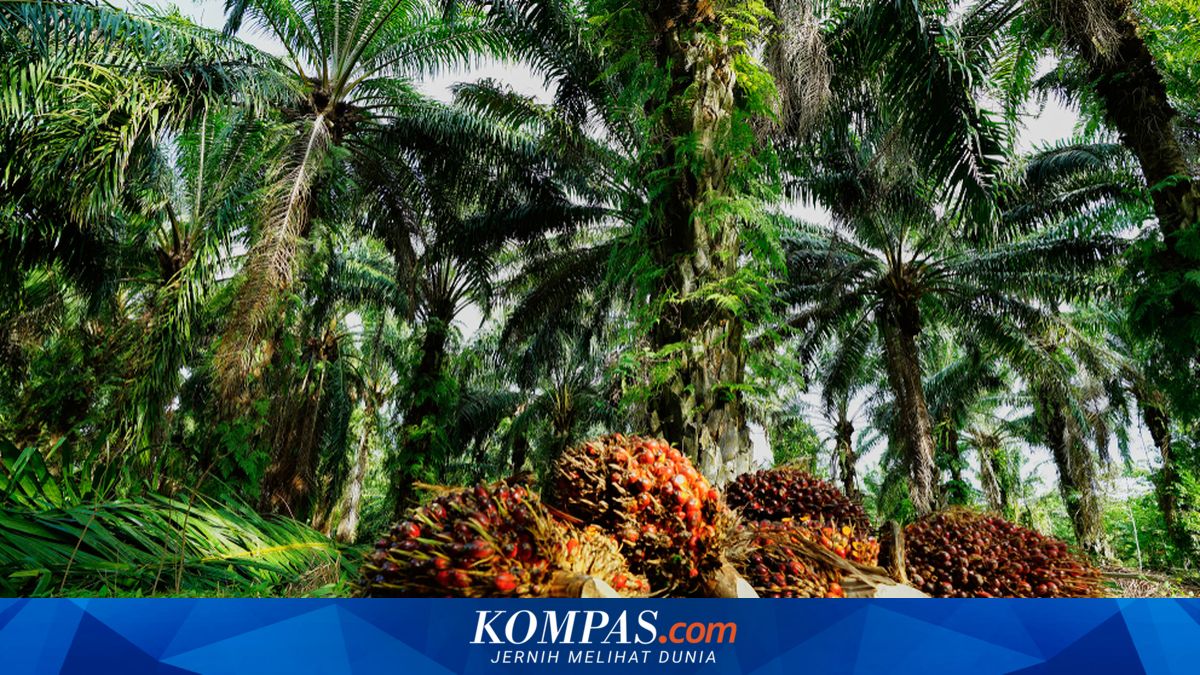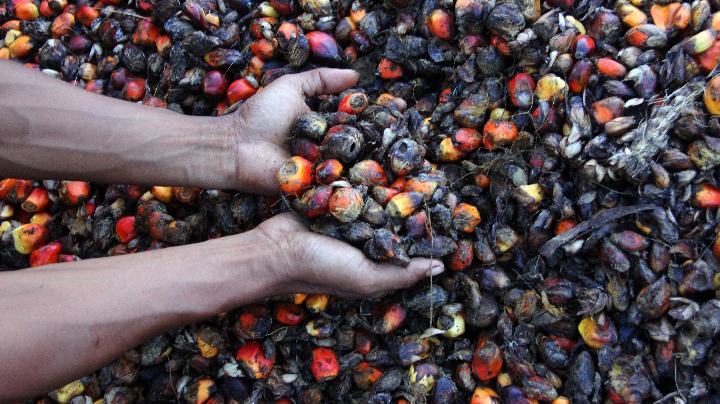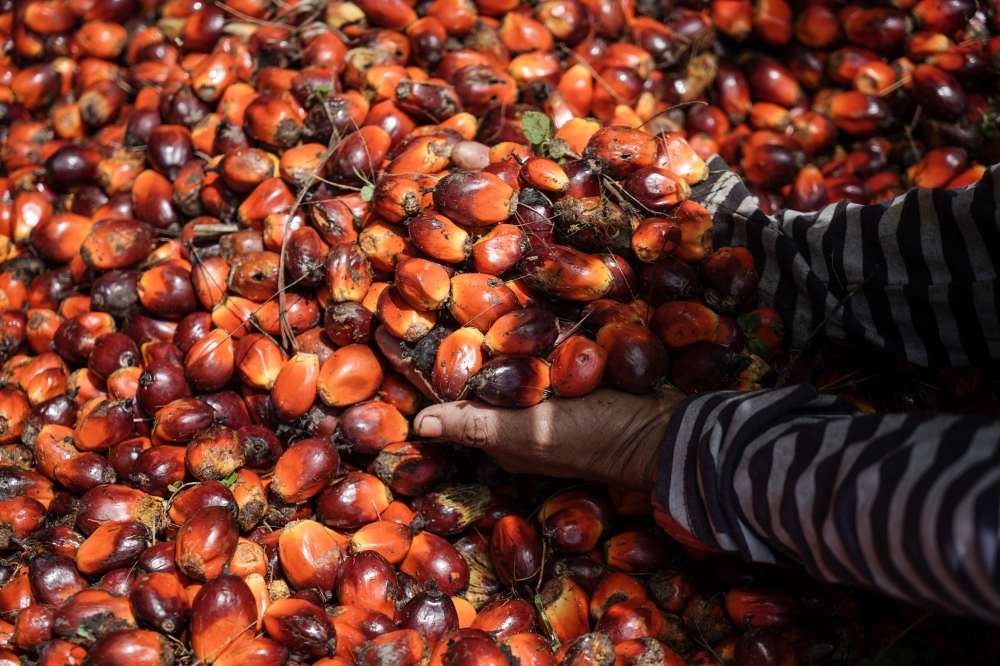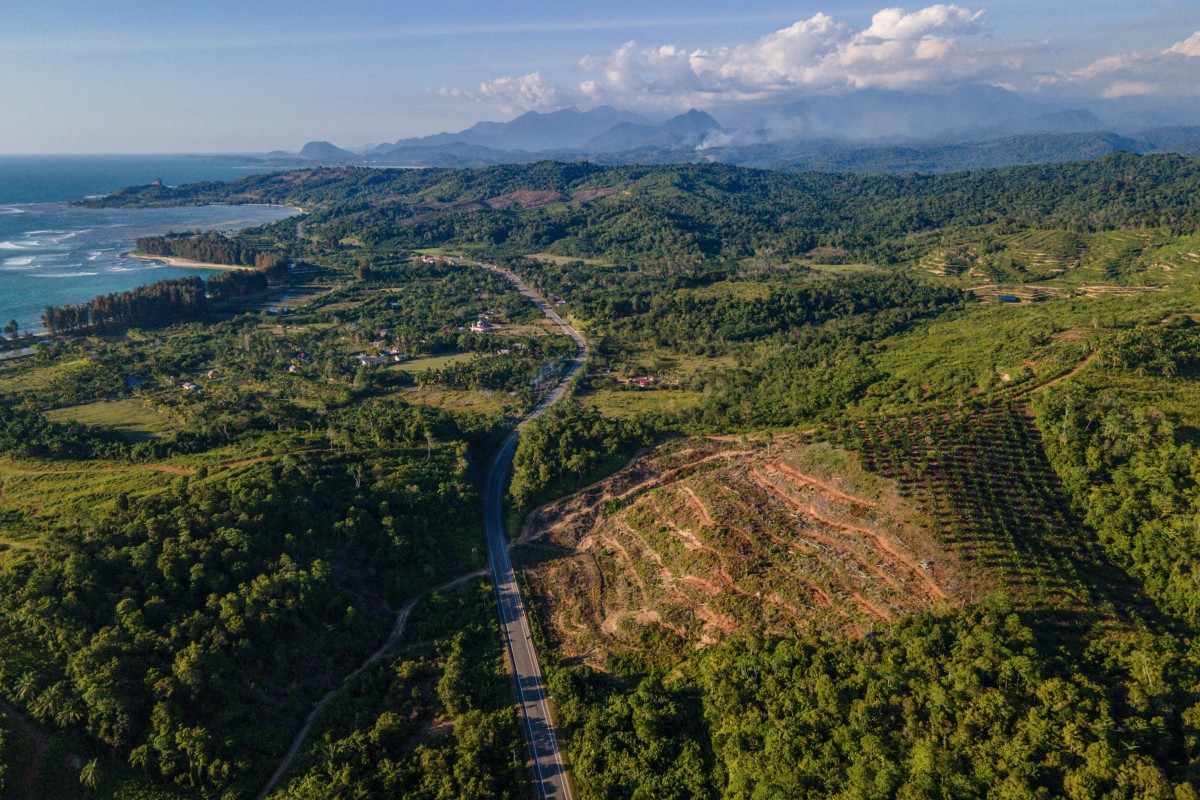
For decades, palm oil expansion followed a simple logic — more production requires more land. Malaysia challenges that assumption, having increased production without significantly expanding into forests. But rather than resolving the industry’s social and environmental harms, it may have simply transferred them across borders.
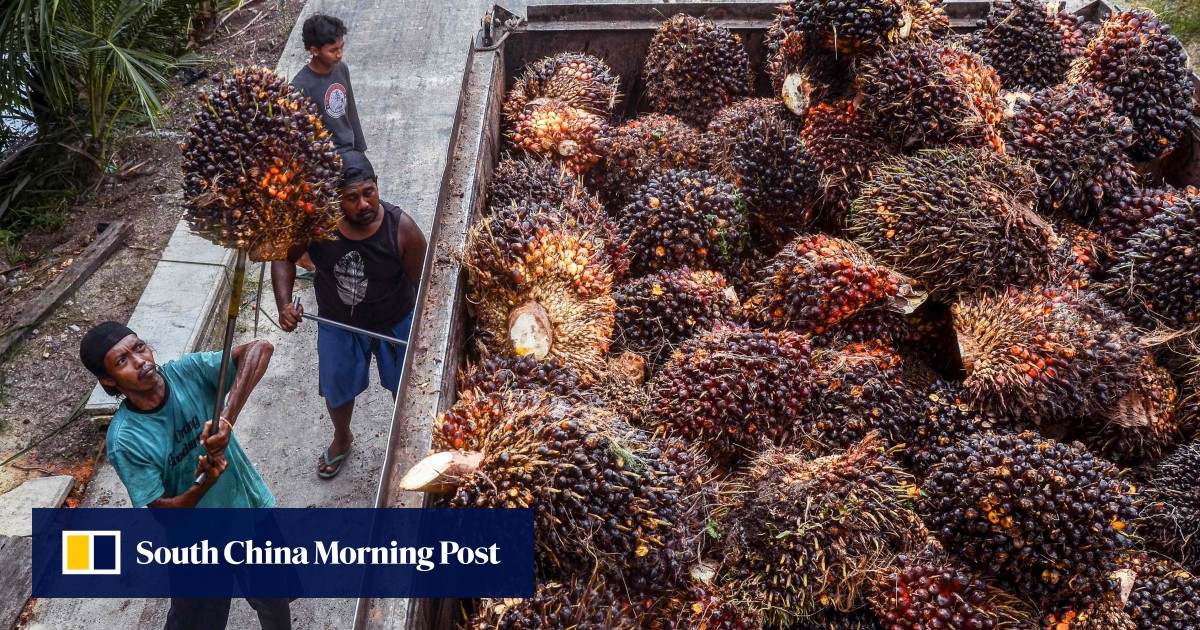
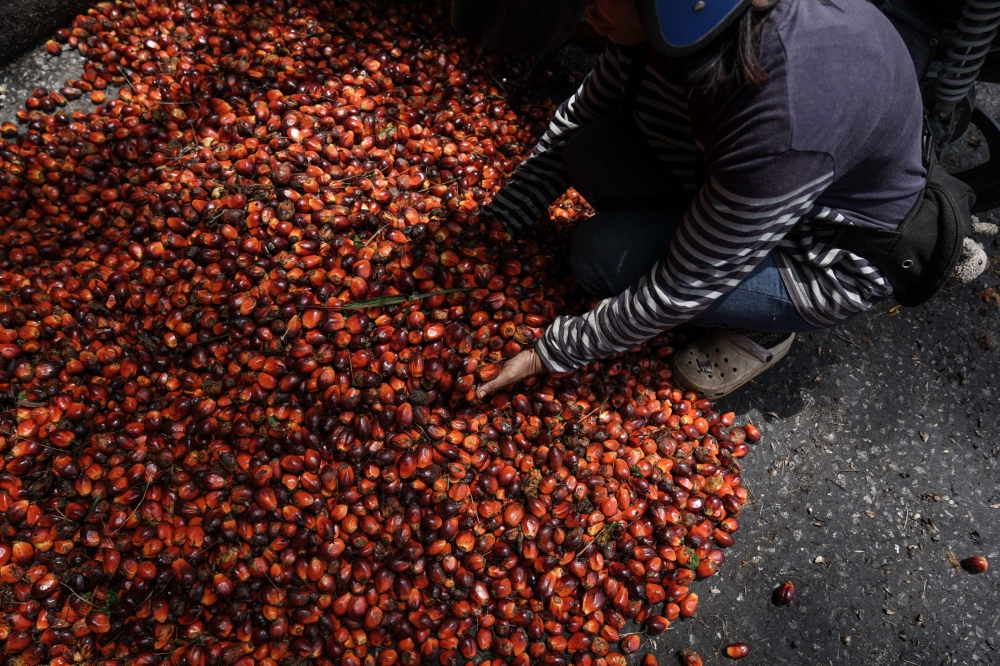
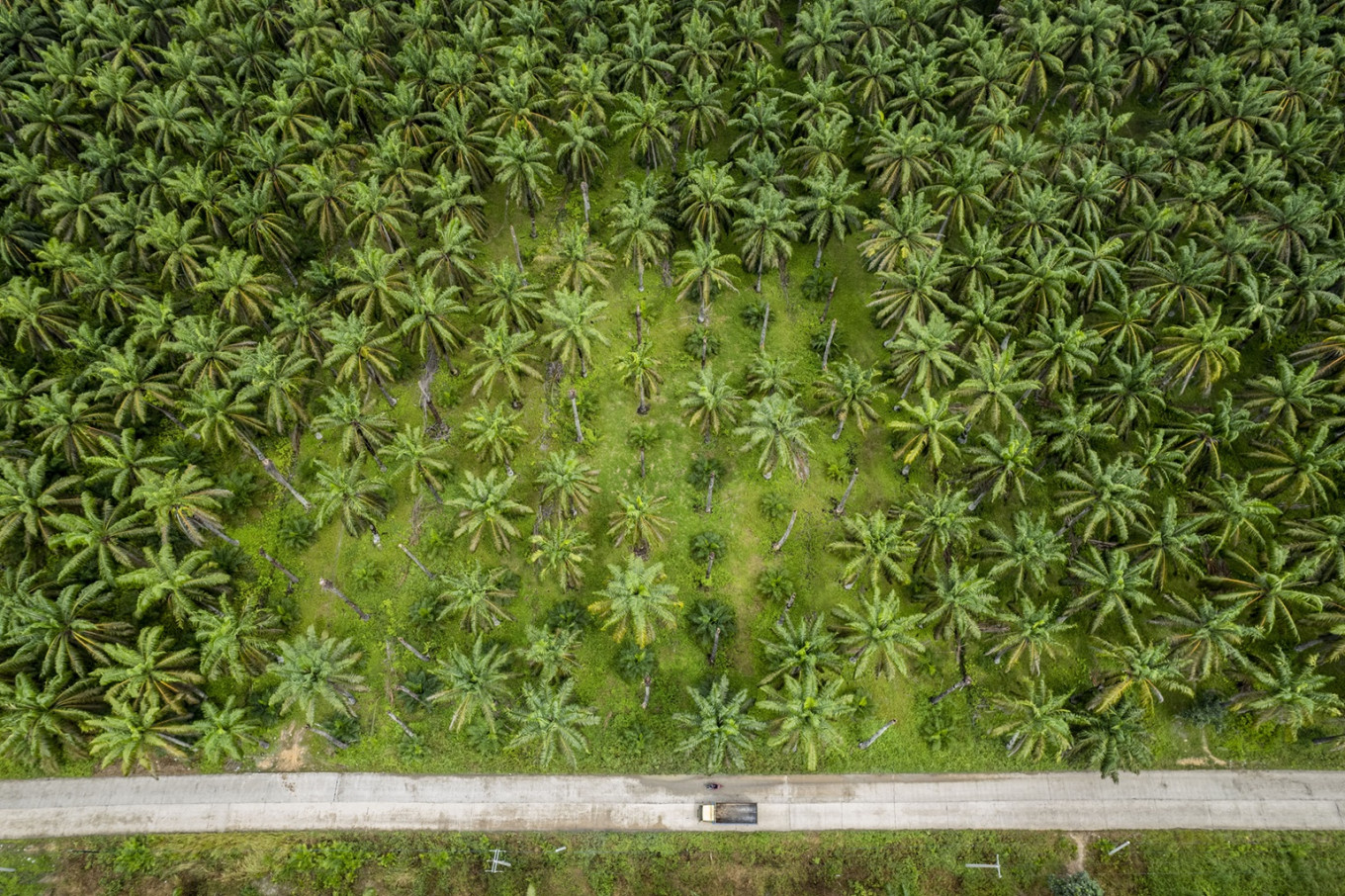
As the world’s second-largest palm oil producer, Malaysia generated approximately 19.3 million tonnes of crude palm oil in 2024 using just around 5.6 million hectares. This represents 40 per cent of Indonesia’s output — the world’s largest producer — in roughly a third of its planted area. This means that Malaysia has substantially higher per-hectare productivity, reflecting the country’s structural shift towards intensification.
The energy crisis caused by the US–Israel war on Iran has prompted various countries to strengthen domestic energy security through palm-based biodiesel, including Indonesia, Malaysia and Thailand. This is expected to increase palm oil demand and production, foregrounding issues around governance and environmental impacts
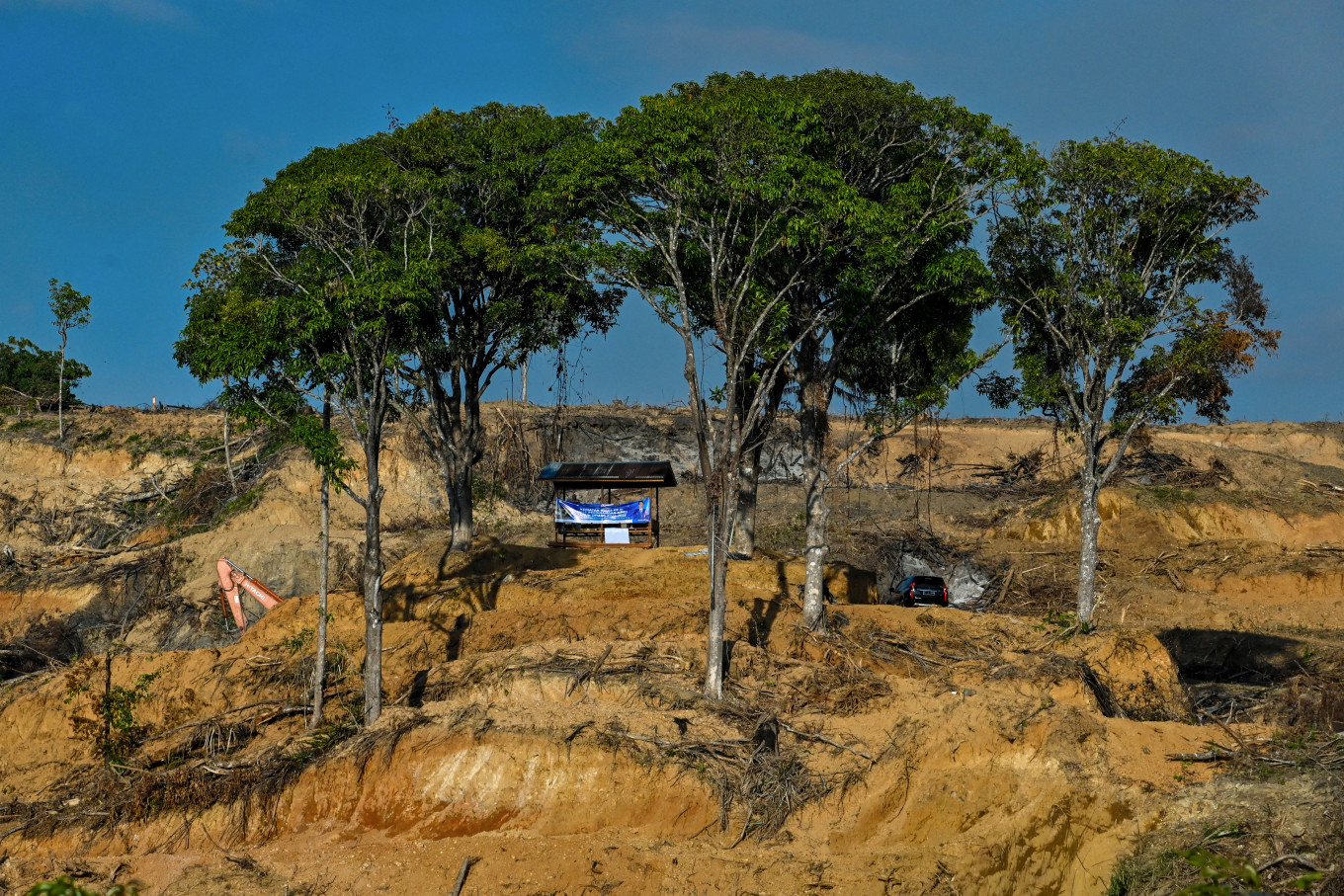
While Malaysia and Indonesia have faced similar mounting anti-deforestation pressures, these are mediated by distinct political and institutional contexts, producing markedly different land-use outcomes across the two countries. In Indonesia, domestic socioeconomic and bureaucratic factors constrained domestic policy responses to regulatory pressure, so land-use change has continued to occur mainly in primary rainforest and peatlands.