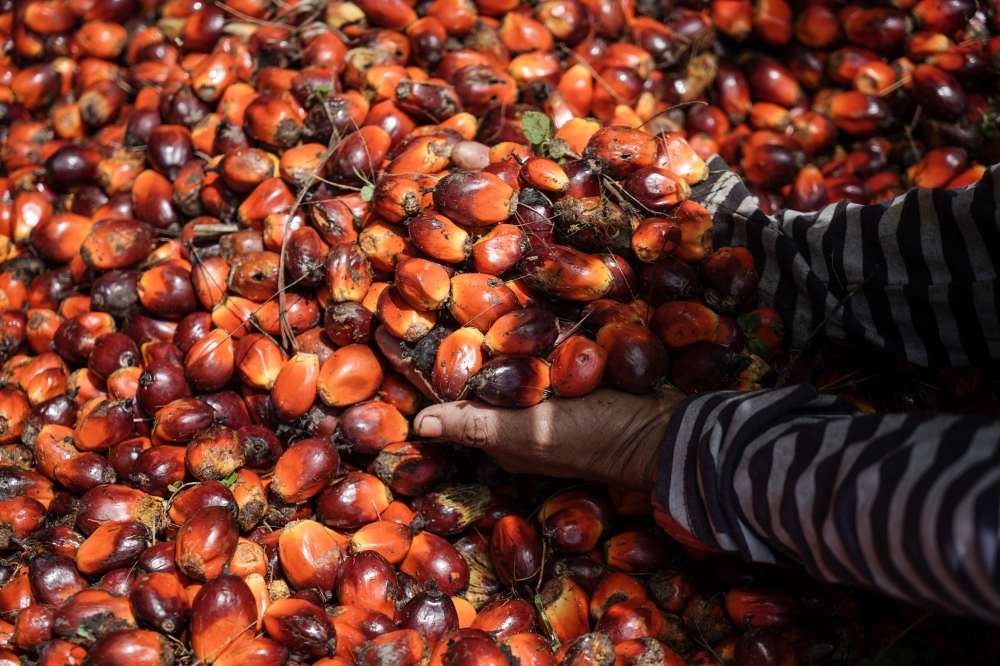
(New users only) It's tax relief season! Get up to RM300 when you save with Versa! Plus, enjoy an additional FREE RM10 when you sign up using code VERSAMM10 with a min. cash-in of RM100 today. T&Cs apply. Tuesday, 26 May 2026 11:50 AM MYT MAY 26— For decades, palm oil has been the quiet workhorse of the global economy. It’s the invisible ingredient in everything from your morning shampoo and the chocolate spread on your toast to the biodiesel in a truck traversing Europe. Its ascension to become the world’s largest traded edible oil was a story of relentless expansion, driven by its unrivaled productivity. No other crop comes close to yielding as much oil per hectare. This efficiency made it price competitive and ubiquitous.After years of seemingly limitless growth, the engine is sputtering. Malaysia, the number two producer, has seen its output plateau, a victim of geographical reality and stagnant agricultural yields. And now Indonesia, the colossus that accounts for roughly 60 per cent of global supply, is also showing signs of "production fatigue." While the supply side is hitting a wall, global demand for oils and fats continues its relentless 3 per cent annual climb. This is not just a problem for the vegetable oil traders; it’s a potential crisis for the planet. How will the world cope when its most productive oil crop can no longer expand to meet our insatiable appetite?The first possibility is a permanent upward shift in the price of everything. Palm oil isn’t just another commodity; it’s a price-setter for the entire oils and fats complex. When palm is expensive, soybean oil, sunflower oil, and rapeseed oil become expensive, too. A supply crunch in palm oil will ripple through the global food system, inflating costs for food manufacturers and, ultimately, for consumers. For the billions of people in developing nations who rely on cooking oil as a dietary staple, this isn't an inconvenience; it's a threat to their daily nutrition. Palm fruits are seen at a collection centre in Tapah, Perak in February 2023. — Picture by Ahmad Zamzahuri The market’s natural response to higher prices is to encourage more supply. But where will it come from? The immediate pressure will fall on other oilseed crops. We can expect to see a frantic scramble to plant more soybeans in the Brazilian Cerrado and more rapeseed in the Canadian prairies. However, this is a deeply flawed solution. To replace the lost output of a single palm oil plantation, you need vastly more land planted with these alternative crops.This isn't intensification; it's extensification at its most destructive. It would mean ploughing up carbon-rich grasslands, accelerating deforestation in the Amazon and other sensitive biomes, and devouring vast tracts of land that could otherwise be used for food security or left for nature. We risk solving a supply problem by creating an ecological catastrophe of a different, perhaps even greater, magnitude.Another avenue is to squeeze more from the land we already have. The "stagnant yield levels" in Malaysia and Indonesia are a damning indictment. For too long, the industry has relied on area expansion as its primary growth strategy. The low-hanging fruit is gone. Now, the focus must shift to agricultural science. This means a massive investment in developing higher-yielding, disease-resistant palm varieties, optimising fertiliser use, and improving planting techniques. It also means confronting the age-old problem of plantation management, particularly helping the myriad of smallholder farmers who manage a significant portion of the world's palm oil acreage to close the yield gap between their output and what is biologically possible.We must also address the demand side of the equation. The 3 per cent annual growth is a measure of our consumption habits. We need a global conversation about our reliance on vegetable oils. This isn't about asking consumers in developing nations to eat less, but about tackling the massive, often hidden, use of these oils in the developed world—in processed foods, in cosmetics, and, most controversially, in biofuels.The diversion of palm oil into fuel tanks is the ultimate perversion of a food system. As supply tightens, the logic of burning food in our cars becomes increasingly untenable. Policymakers must urgently re-evaluate their biofuel mandates. When the world’s most efficient oil crop can no longer keep up, using it to power vehicles while people face higher food prices is a policy choice that is difficult to defend.The end of the era of expanding palm oil production is the present reality. How we respond will define our food systems for generations. We can stumble into a future of volatile prices, and food insecurity. Or we can take a more intelligent path: one that combines a herculean effort to boost yields sustainably on existing farmland with a serious and honest attempt to moderate demand, starting with the foolishness of putting food in our fuel tanks.The world’s appetite for oils and fats is not going away, but the way we satisfy it must fundamentally change. The era of easy expansion is over. The era of hard choices has begun. * Professor Datuk Dr Ahmad Ibrahim is affiliated with the Tan Sri Omar Centre for STI Policy Studies at UCSI University and is an Adjunct Professor at the Ungku Aziz Centre for Development Studies, Universiti Malaya. He can be reached at [email protected]. ** This is the personal opinion of the writer or publication and does not necessarily represent the views of Malay Mail.
The palm oil peak is closing in sooner than we think — Ahmad Ibrahim
MAY 26— For decades, palm oil has been the quiet workhorse of the global economy. It’s the invisible ingredient in everything from your morning shampoo and the chocolate spread...
904 words~4 min read