May 20, 2026 | 03:44 pm
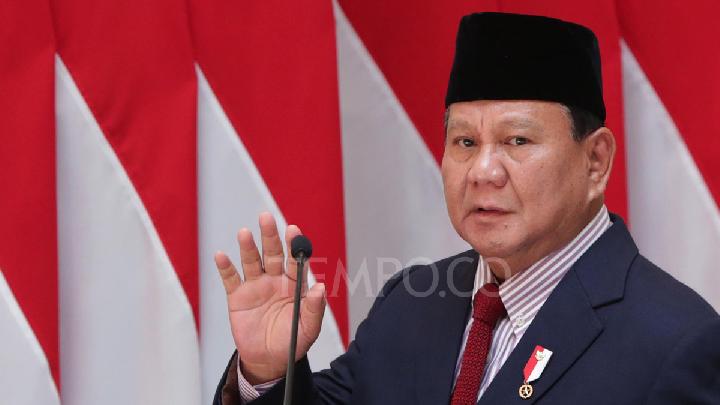
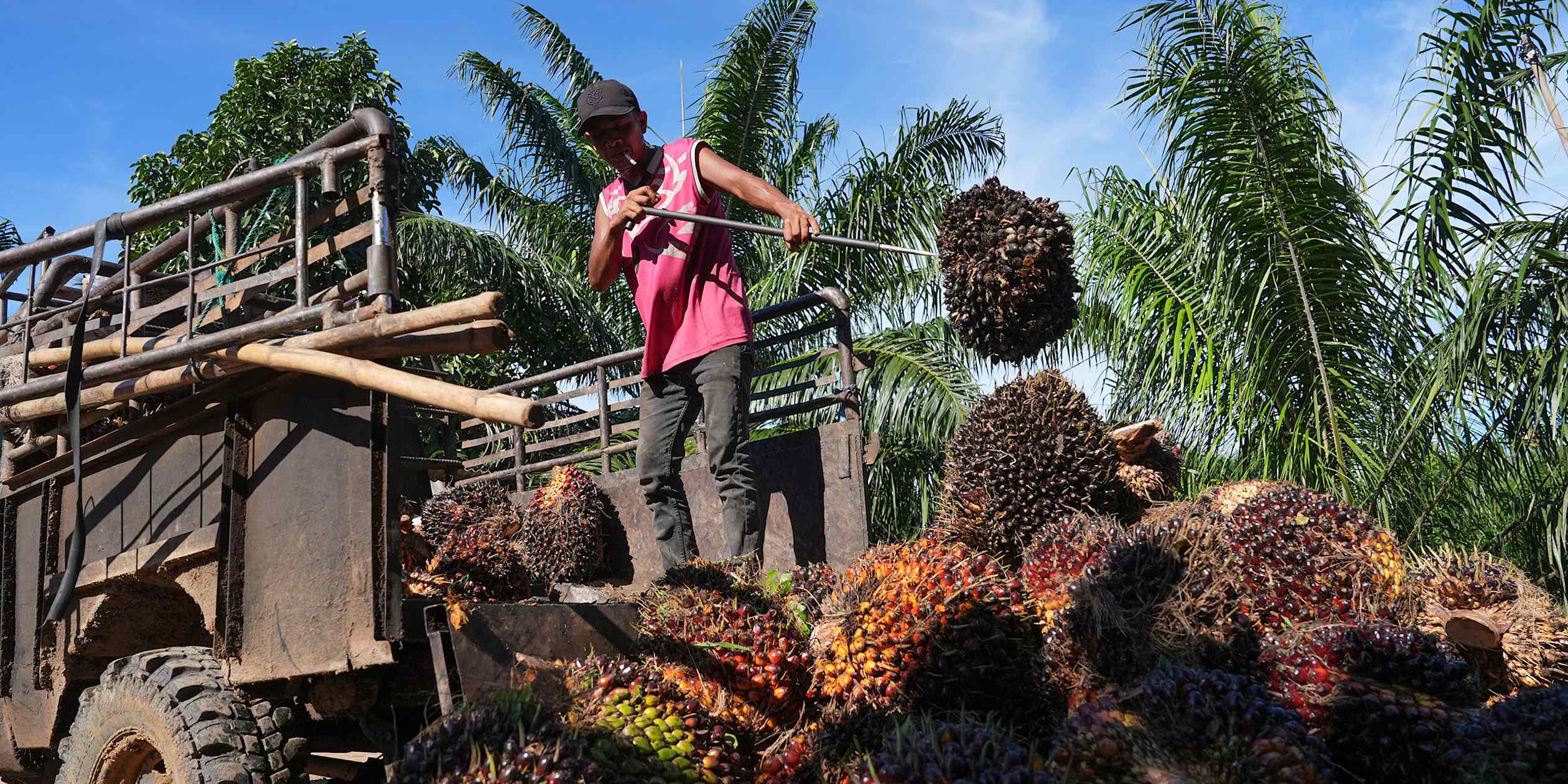
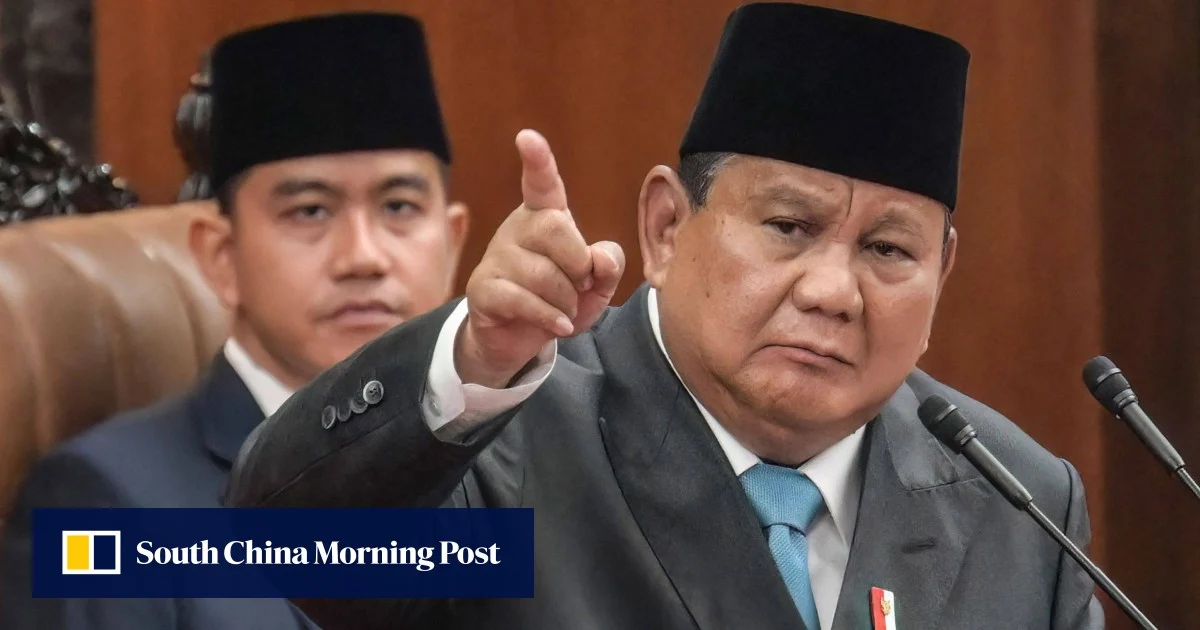
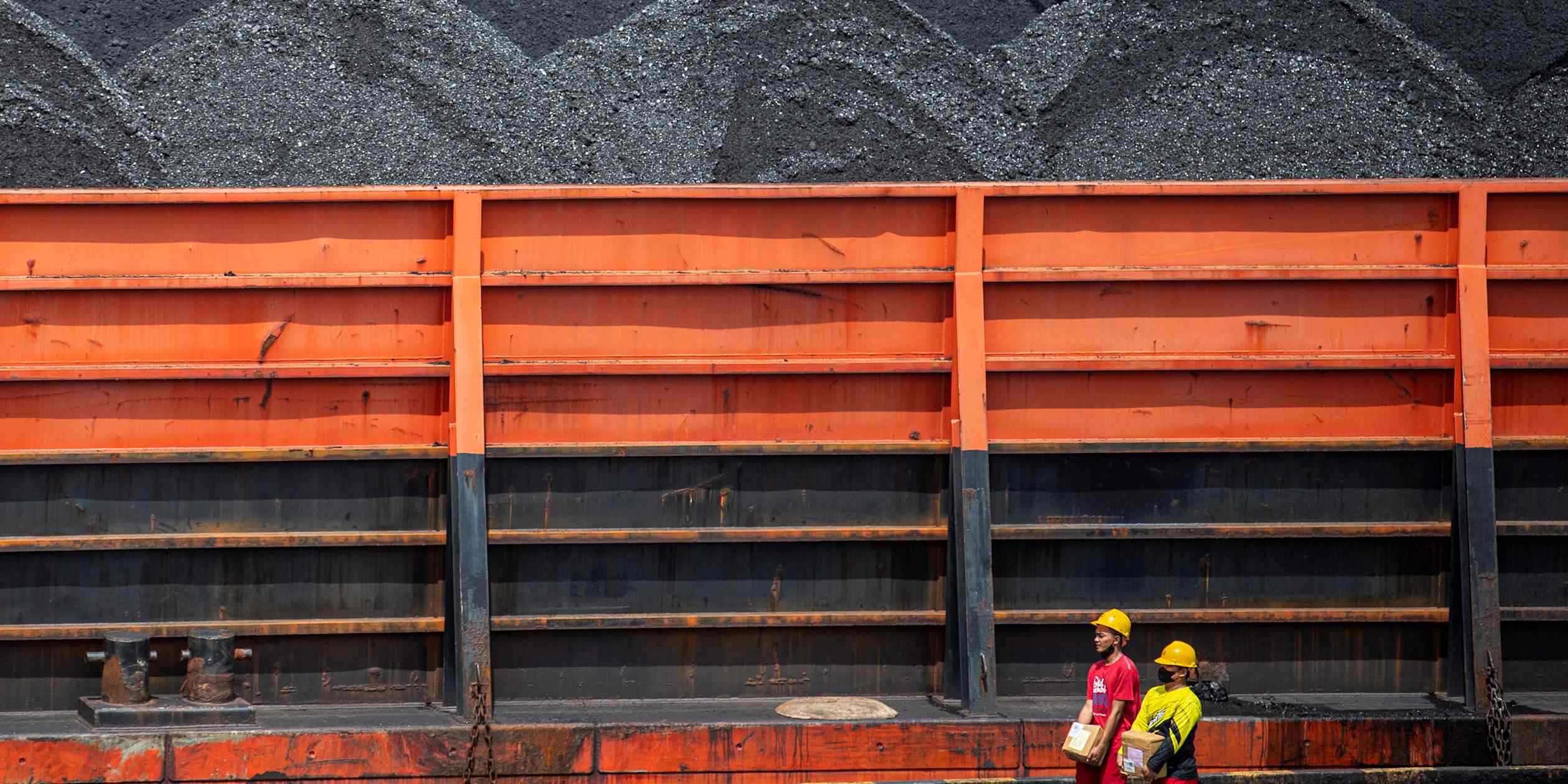
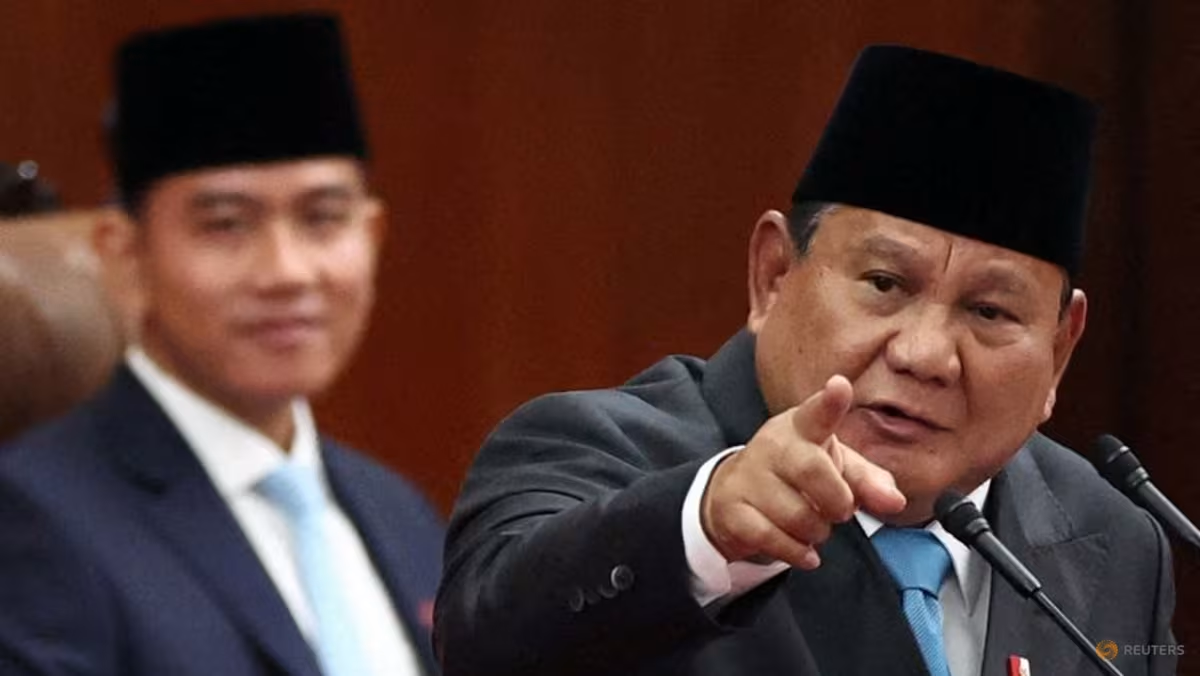
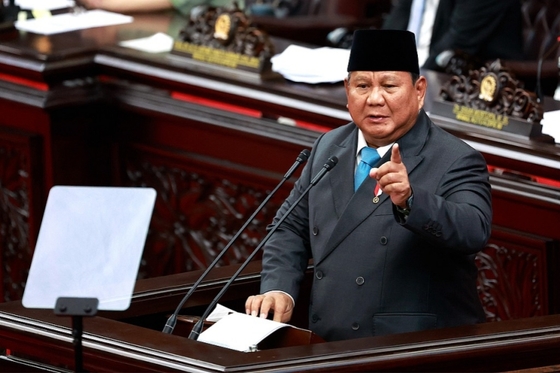
TEMPO.CO, Jakarta - The Indonesian Oil Palm Farmers' Association (POPSI) has criticized the government's plan to mandate the export of strategic commodities through State-Owned Enterprises (SOEs). According to POPSI Chairperson Mansuetus Darto, the policy risks centralizing the national palm oil trade, potentially fostering monopolies, economic rent-seeking, and the control of export corridors by elite groups close to power."We question why such a significant policy is being discussed without involving oil palm farmers. Palm oil is not just about exports; it directly impacts the livelihoods of millions of farming families and local economies across Indonesia," Darto said in a statement on Wednesday, May 20, 2026.Darto likened the proposed export framework to the controversial clove trading system managed by the Clove Marketing and Buffer Agency (BPPC) during the New Order era. At that time, centralized clove trading through a single institution triggered a monopoly that ultimately devastated farmers.He warned that appointing an SOE as the sole export gateway could create a monopsony, or market control in the hands of a few buyers. If private exporters lose direct access to global markets, trade competition will likely erode, drastically weakening farmers' bargaining power."In such a situation, the price of fresh fruit bunches (FFB) will be vulnerable to pressure," he said.Furthermore, POPSI fears that centralized exportation will only exacerbate economic rent-seeking practices. Questions over who secures export quotas, trading facilities, and direct access to SOE exporters could breed elite capture and institutional abuse if the governance lacks absolute transparency.The farmers' association also cautioned that today's palm oil industry is far more complex than the commodity markets of the past. The palm oil trade has become connected with global markets, international refinery networks, hedging systems, and strict sustainability and transparency demands, such as the EU Renewable Energy Directive."If the export mechanism becomes too insular or overly politicized, Indonesia risks losing the trust of international buyers and its global competitiveness," he added.He emphasized that the fallout from this policy will hit independent smallholders just as hard as large corporations. When the buyer pool shrinks and export routes are bottlenecked through a single gateway, competition for Crude Palm Oil (CPO) and FFB will weaken, ultimately squeezing farmers' margins.Earlier, President Prabowo Subianto announced that the government would mandate the export of several strategic natural resource commodities through designated SOEs. The commodities slated for this mechanism in the initial phase include palm oil, coal, and ferroalloys.In his speech at the Plenary Session of the House of Representatives regarding the Macroeconomic Framework and Key Fiscal Policy for the 2027 State Budget Bill, Prabowo explained that the policy aims to tighten export monitoring while curbing under-invoicing, transfer pricing, and the illicit outflow of export earnings."The sale of all our natural resource products, beginning with palm oil, coal, and ferroalloys, will be required to go through designated SOEs as the sole exporters appointed by the Indonesian Government," Prabowo said.Read: Which SOE Will Control Prabowo's Single-Gate Export?Click here to get the latest news updates from Tempo on Google News