Academia
it remains to be seen whether President Prabowo’s ambitious "single window" export policy will turn Indonesia into a global price maker, or will tight state centralization trigger a historic crisis of market trust.
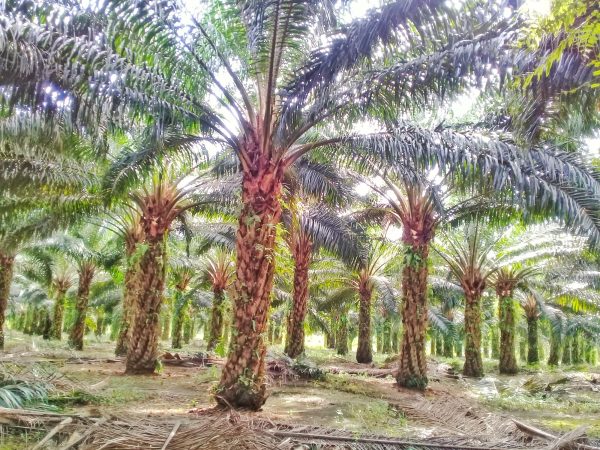
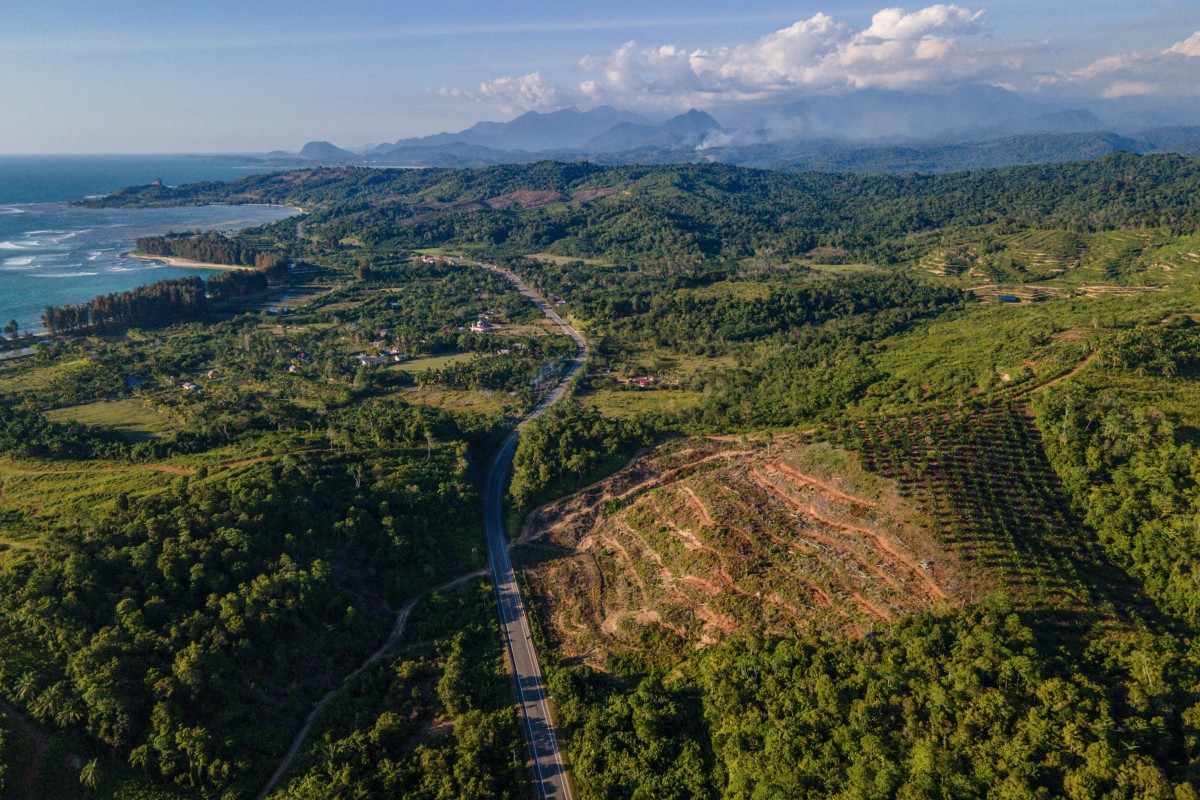
A new planting area for palm oil plantations is seen in Lamno village, Aceh Jaya regency, Aceh on Jan. 18, 2026. (AFP/Chaideer Mahyuddin)
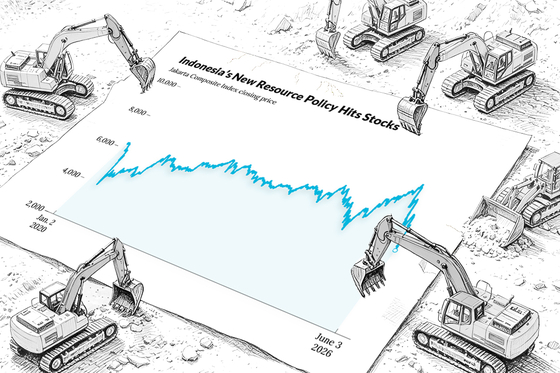
President Prabowo Subianto appears to be doing more than simply streamlining the export trade system. Through the “single window” policy for natural resource commodities, the state is taking a far-reaching step: asserting control over foreign exchange flows, trade and Indonesia’s bargaining position in the global market.The problem is that history shows such centralization ambitions often result in market distortions and crises of confidence. There are moments when a policy sounds administrative on the surface but harbors far greater political-economic implications beneath.
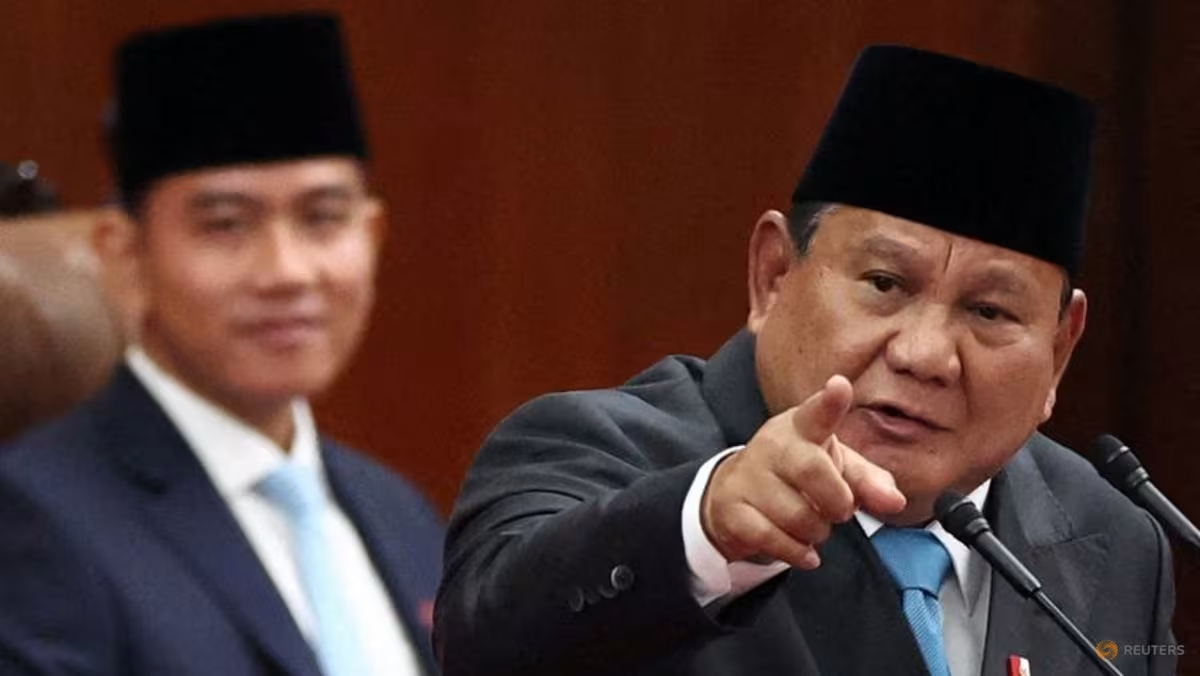
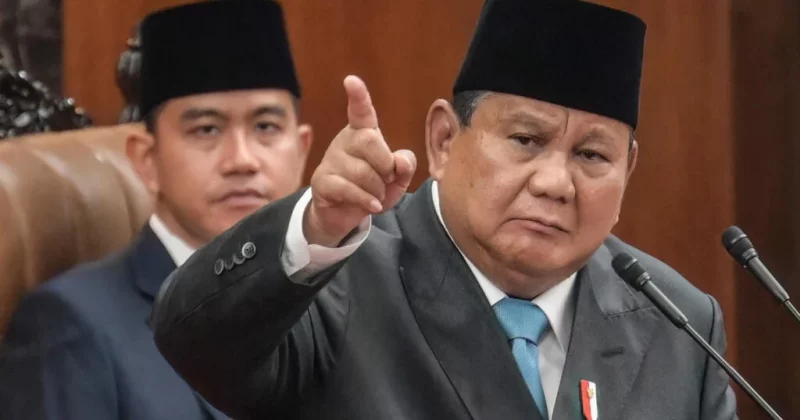
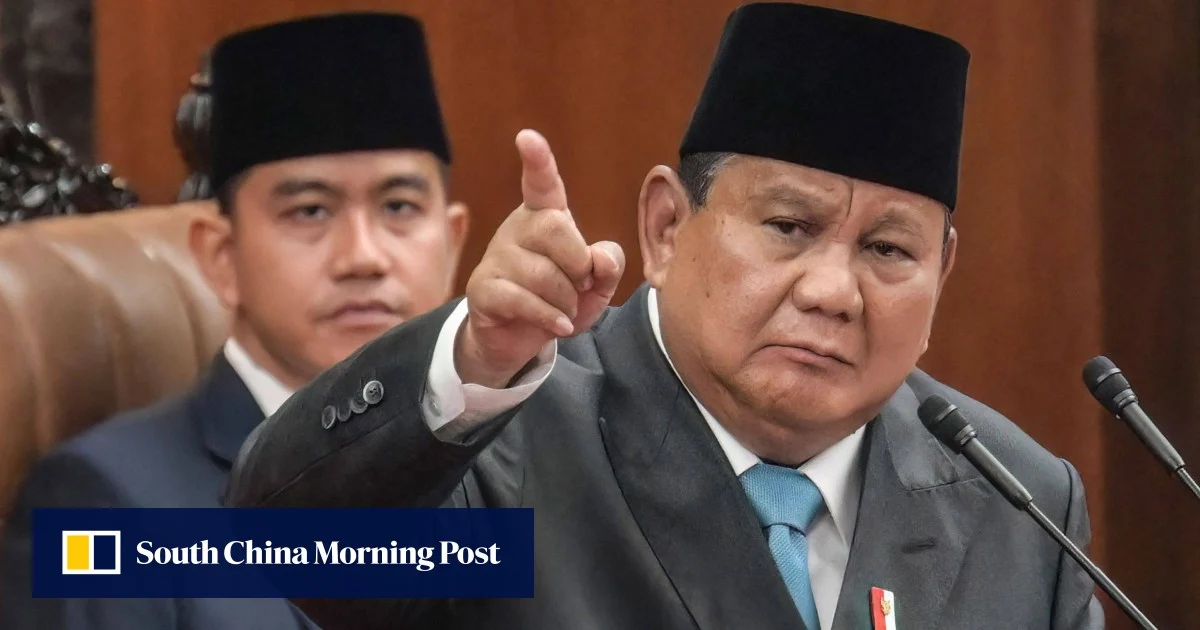
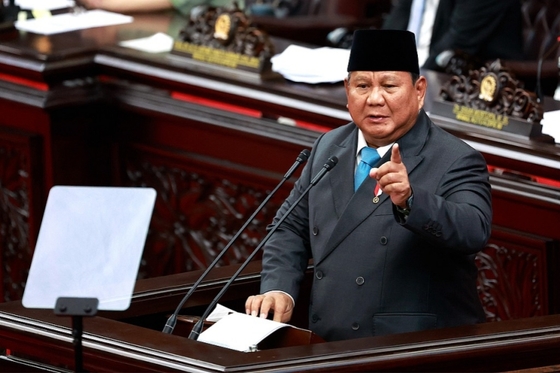
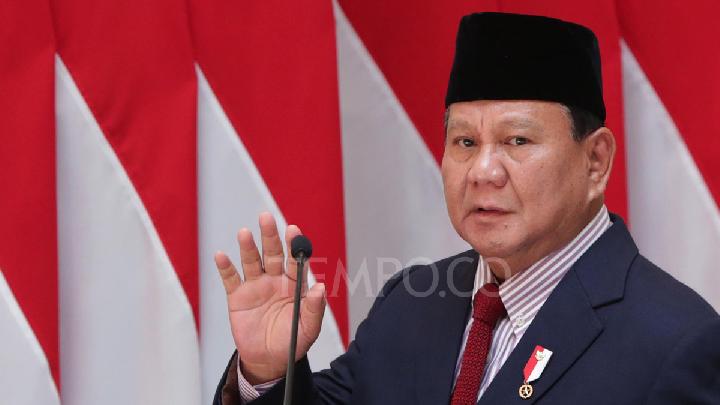
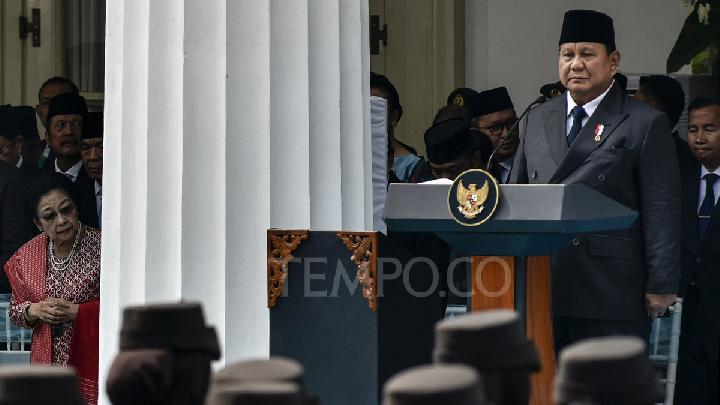
President Prabowo’s recent speech at the Senayan Legislative Complex in Central Jakarta, falls squarely into that category. Through the latest Government Regulation on the Management of Natural Resource Commodity Exports, the government is not merely introducing new rules; the state is shifting its perspective on strategic commodities from mere revenue sources to instruments of national economic control.