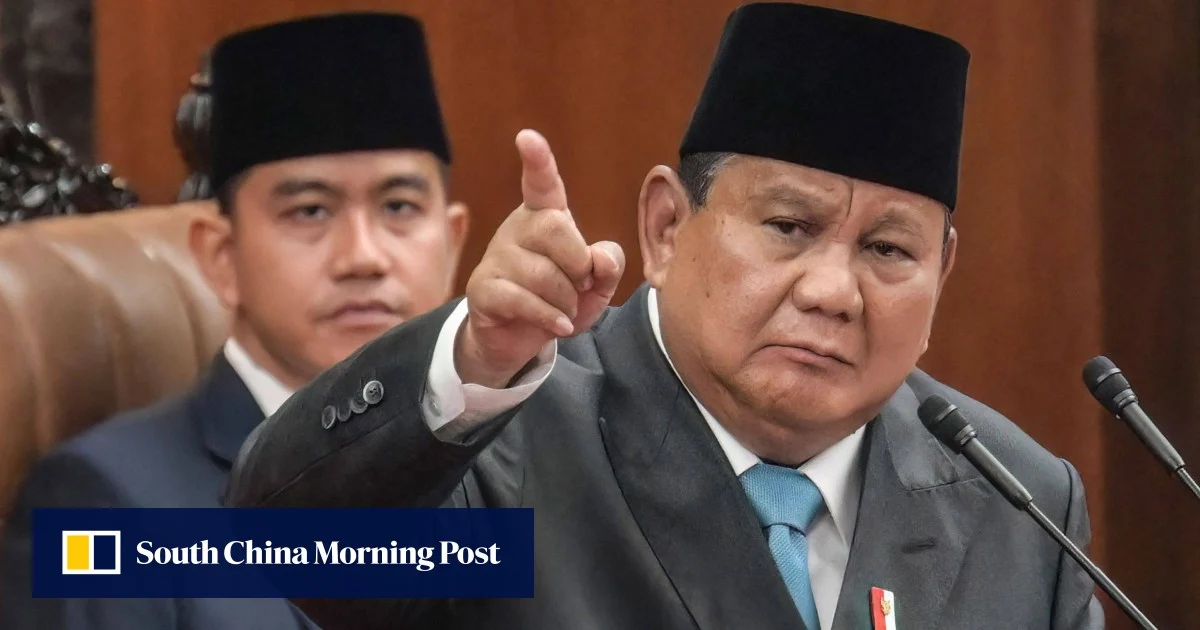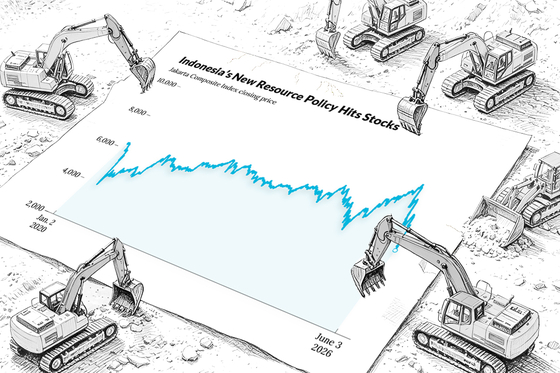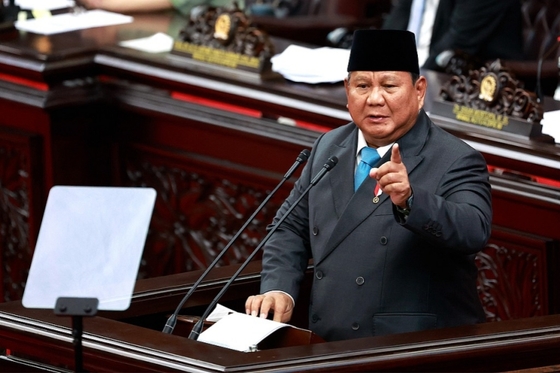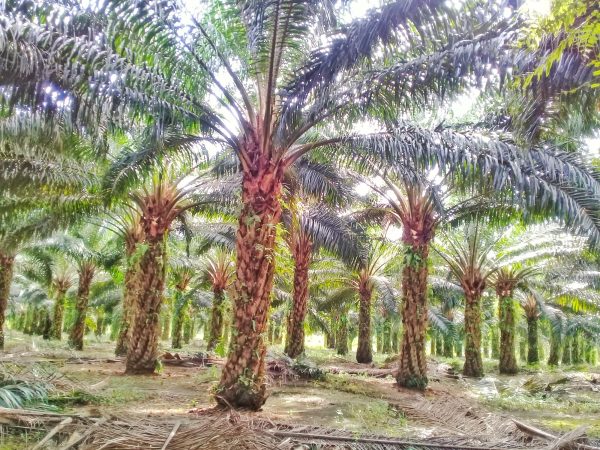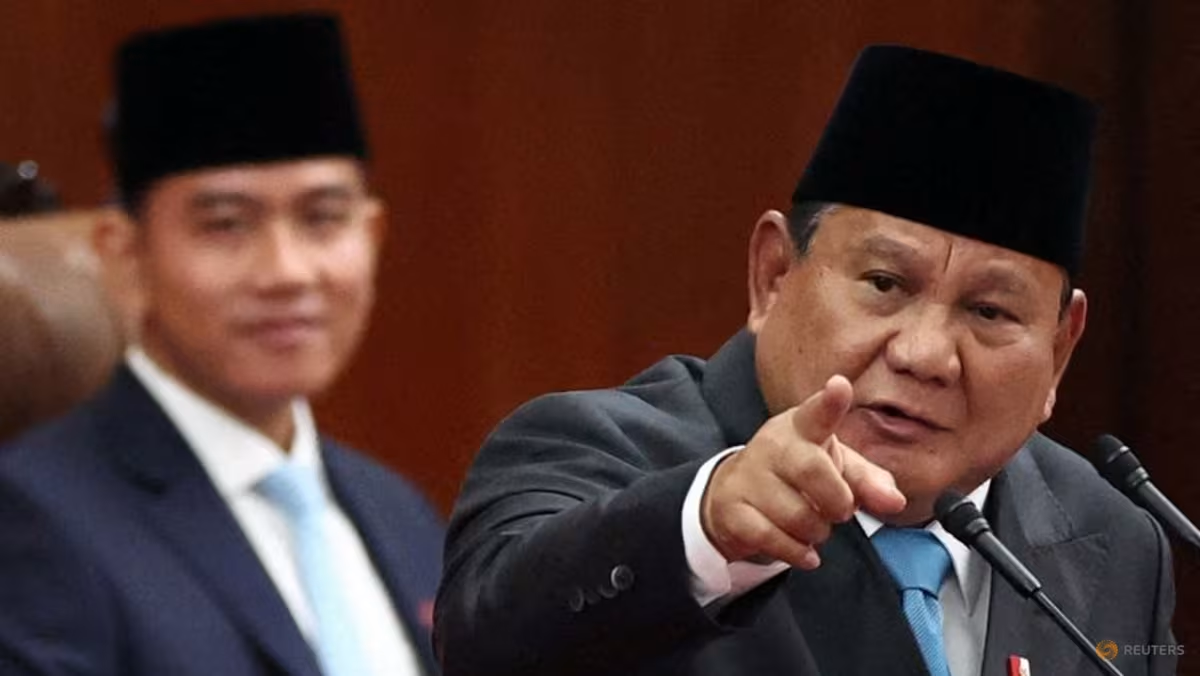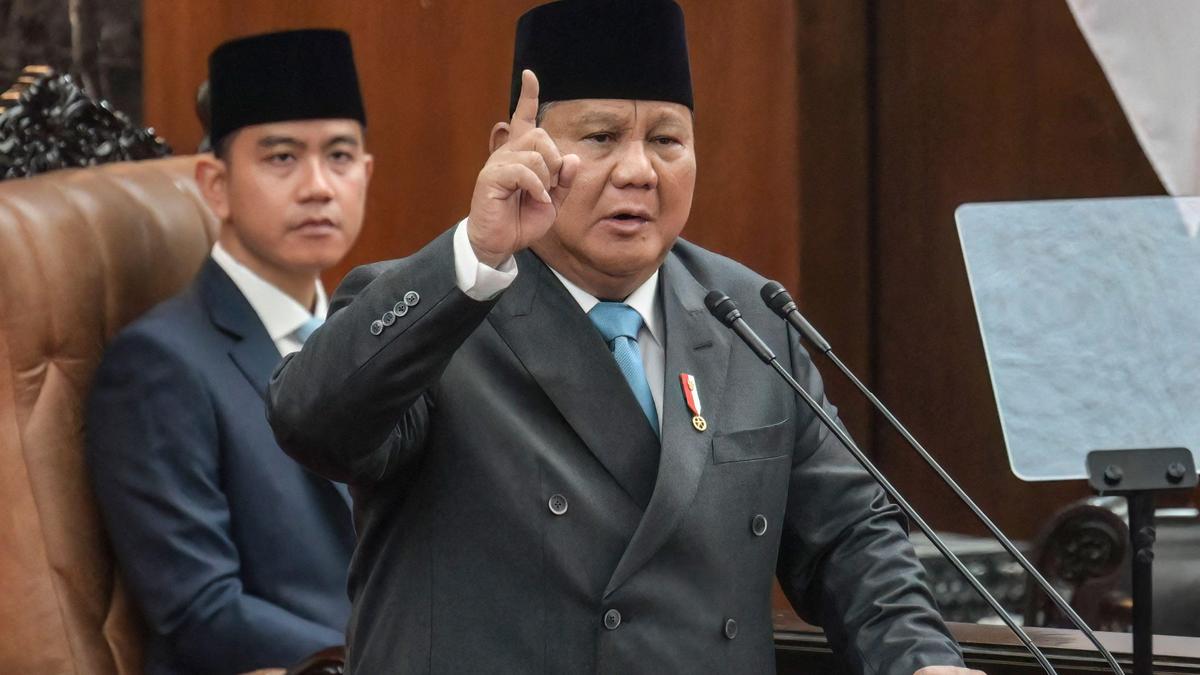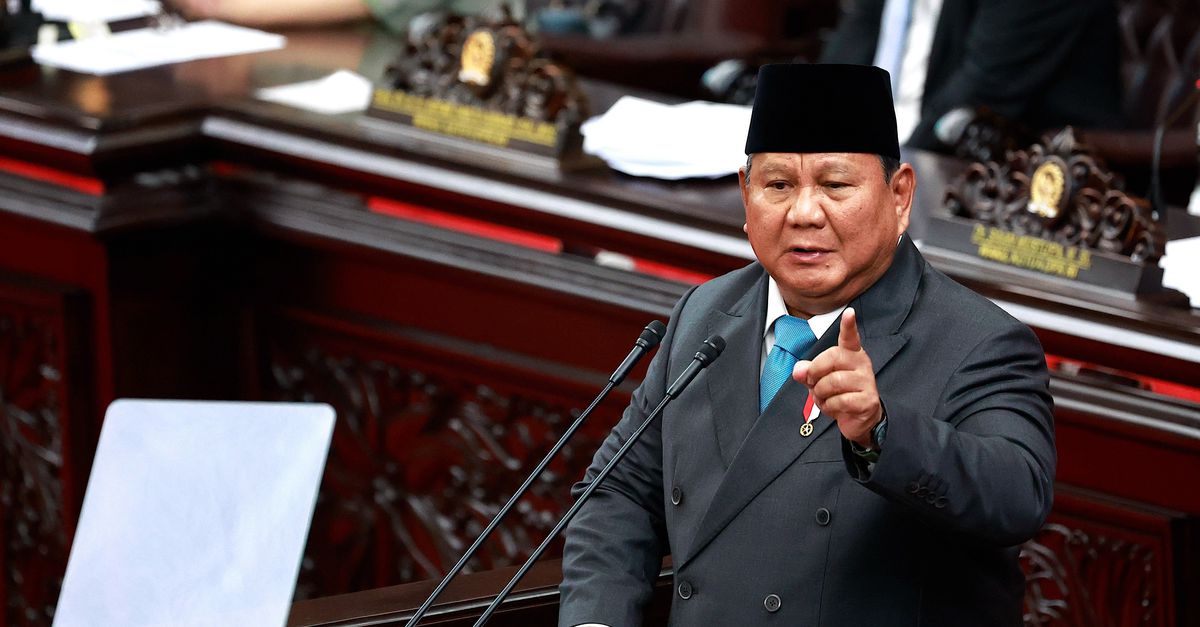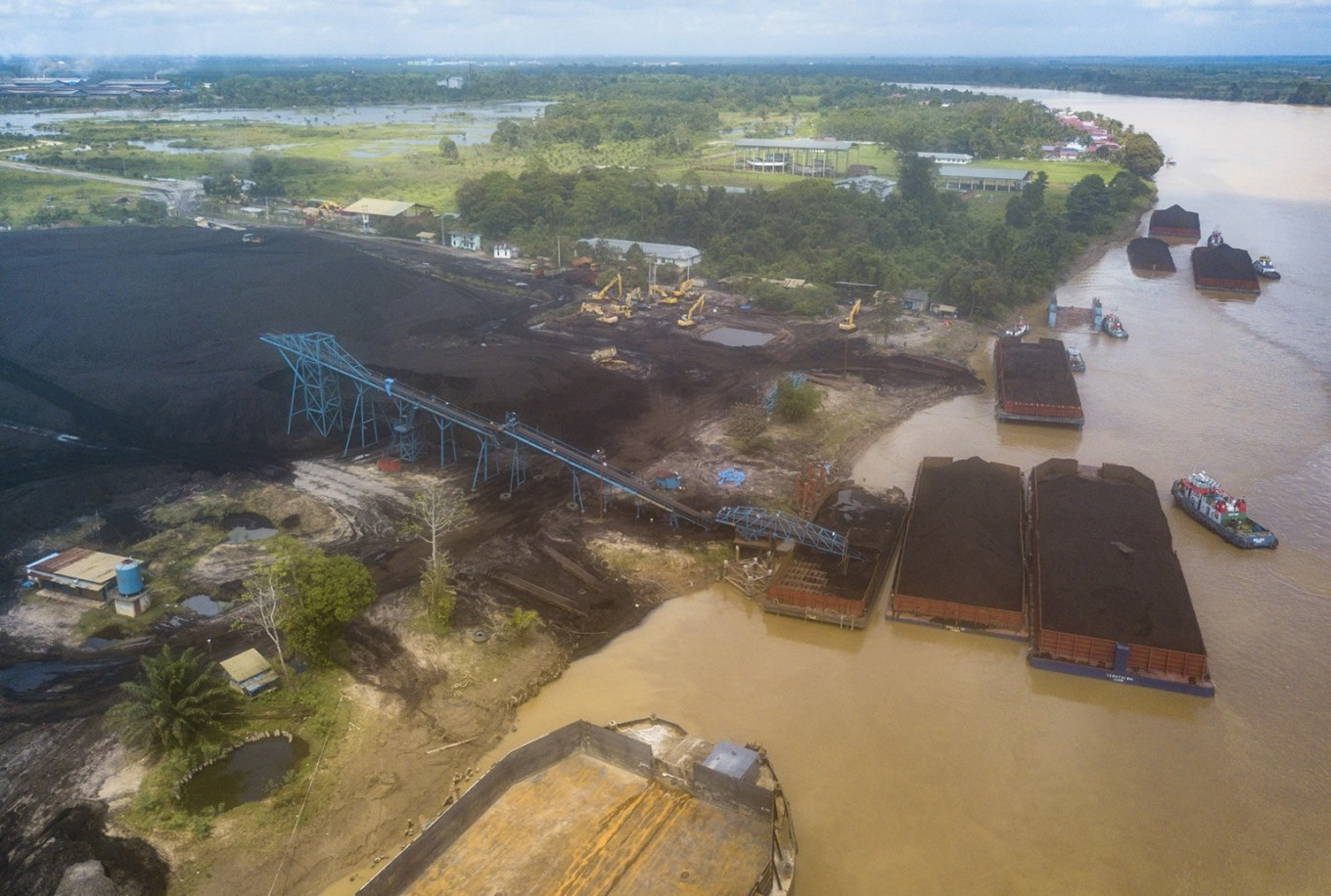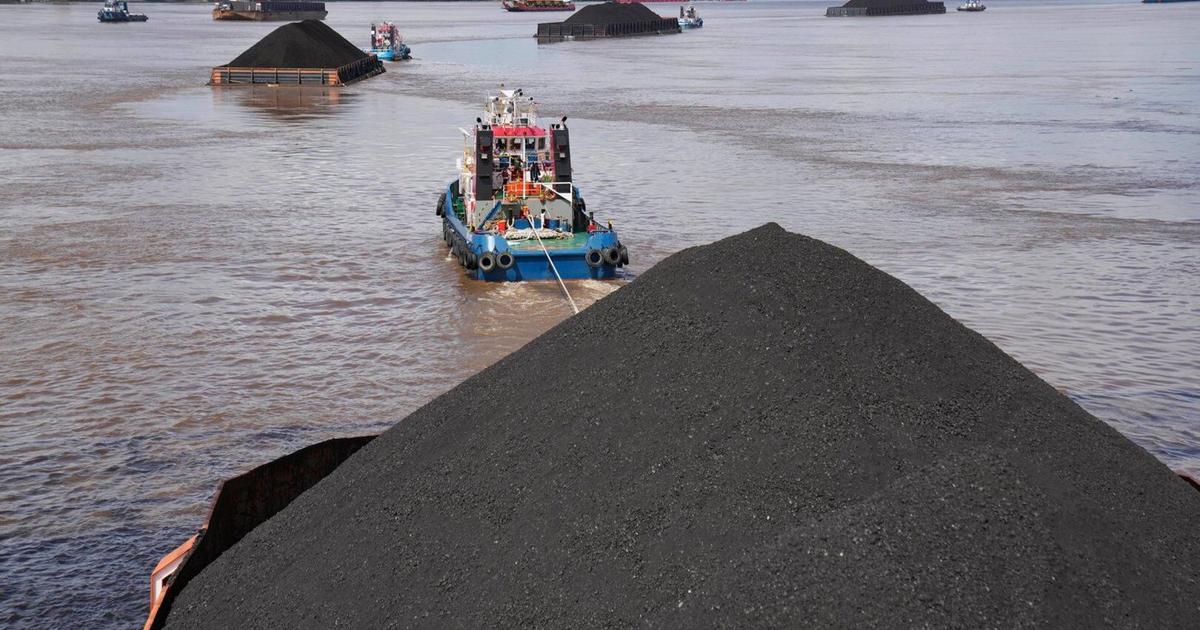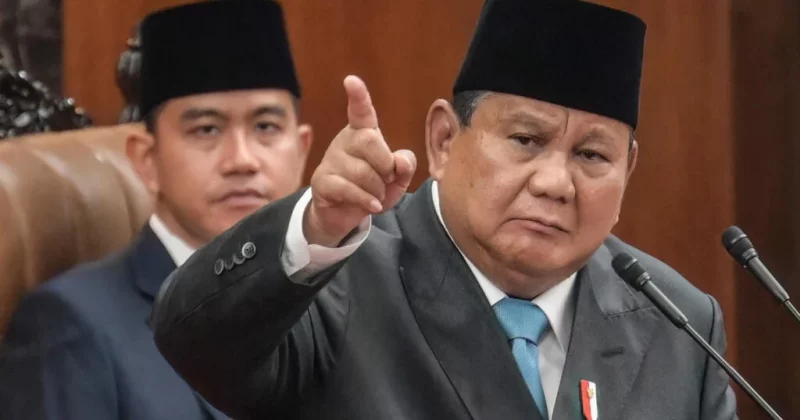
Indonesia, the world’s largest exporter of thermal coal and palm oil, is about to fundamentally reshape how those commodities leave the country. President Prabowo Subianto has announced a sweeping overhaul of the nation’s natural resource trade, requiring that strategic exports be routed through designated state-owned enterprises.
The move is aimed squarely at plugging revenue leaks. Think of it as Indonesia installing a toll booth on its most lucrative export highway, one staffed exclusively by government-controlled operators.
What the overhaul actually looks like
The new policy targets Indonesia’s most valuable commodity exports, starting with coal and crude palm oil. Under the proposed regulations, these exports would no longer flow freely through private trading channels. Instead, they would be funneled through specified state-owned enterprises, known locally as BUMN.
The logic is straightforward, even if the execution will be anything but. Jakarta believes that private exporters have been systematically underreporting the value of shipments, using transfer pricing to shift profits offshore, and diverting export earnings away from Indonesian banks. Routing everything through state firms is meant to give the government a direct line of sight into every transaction.