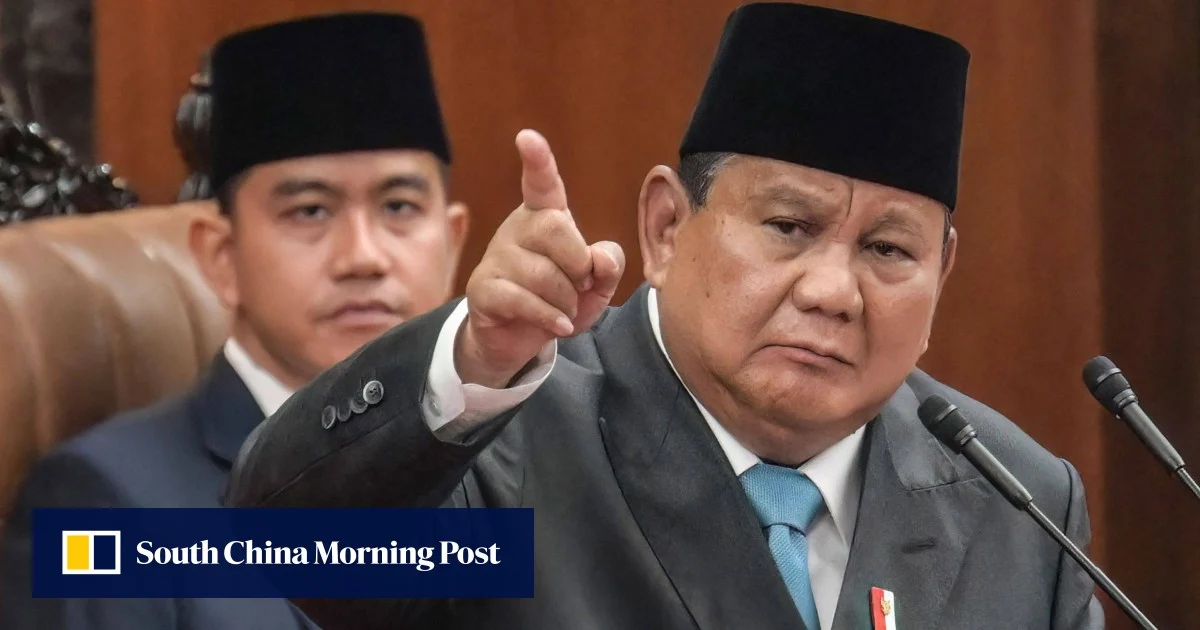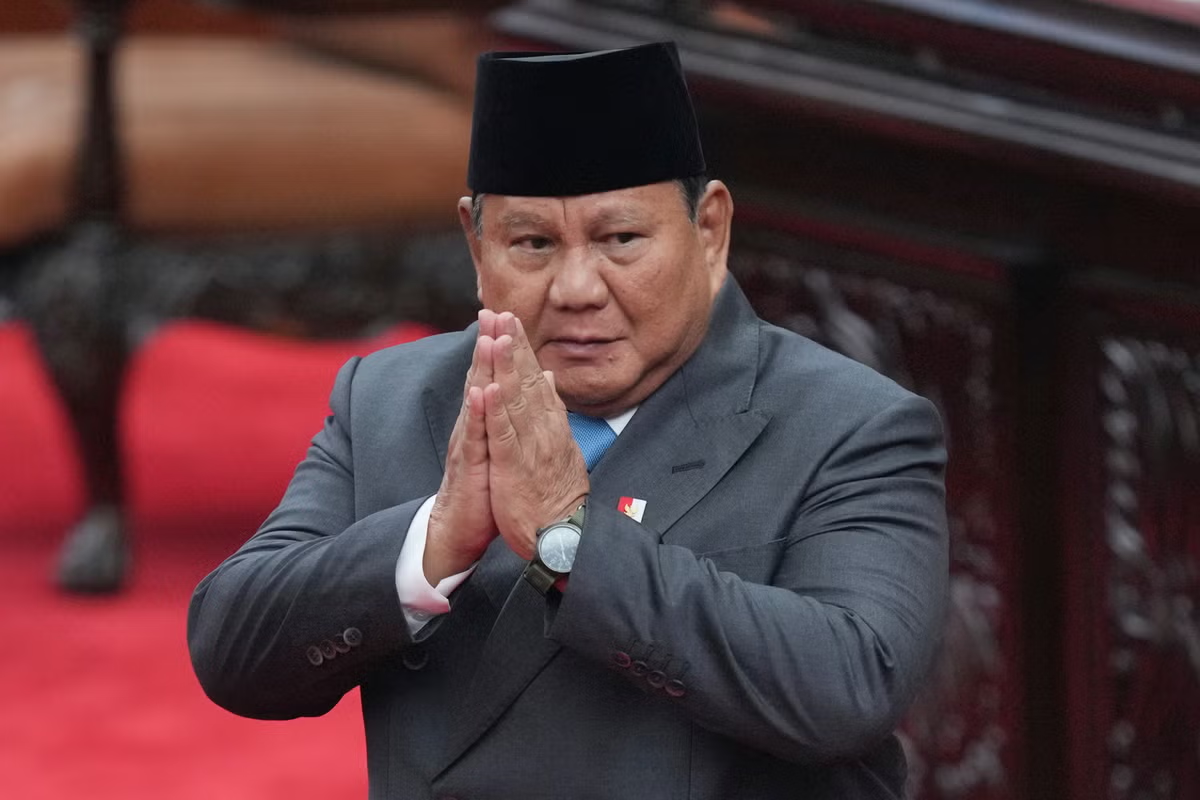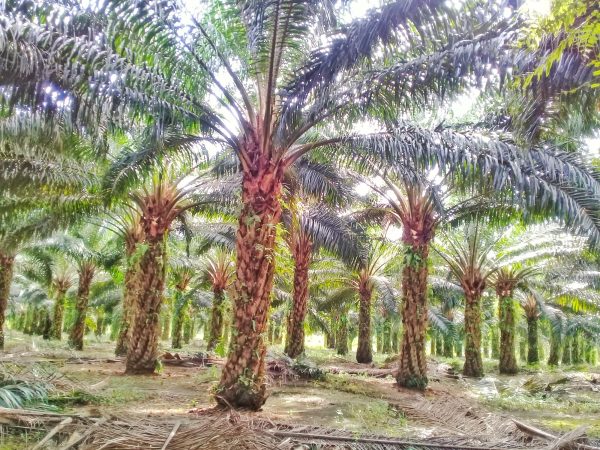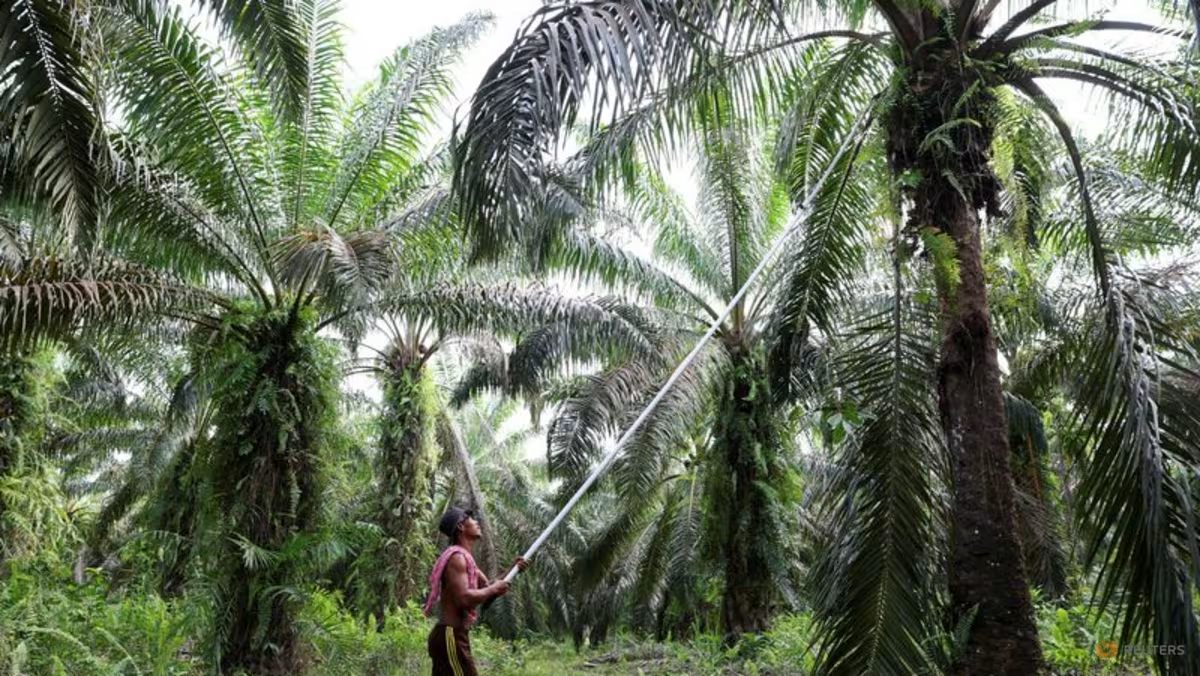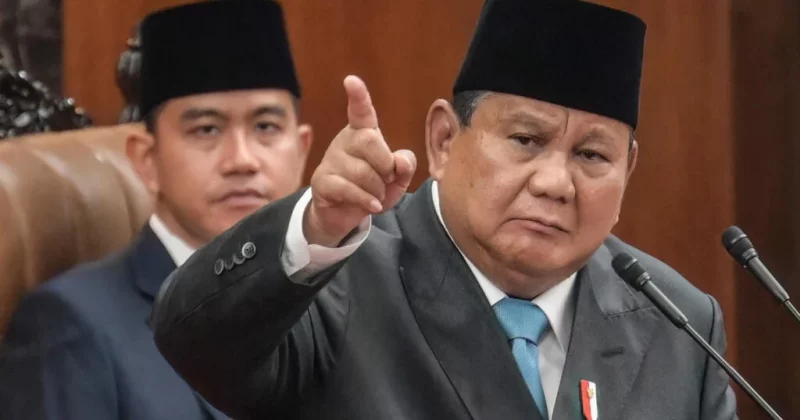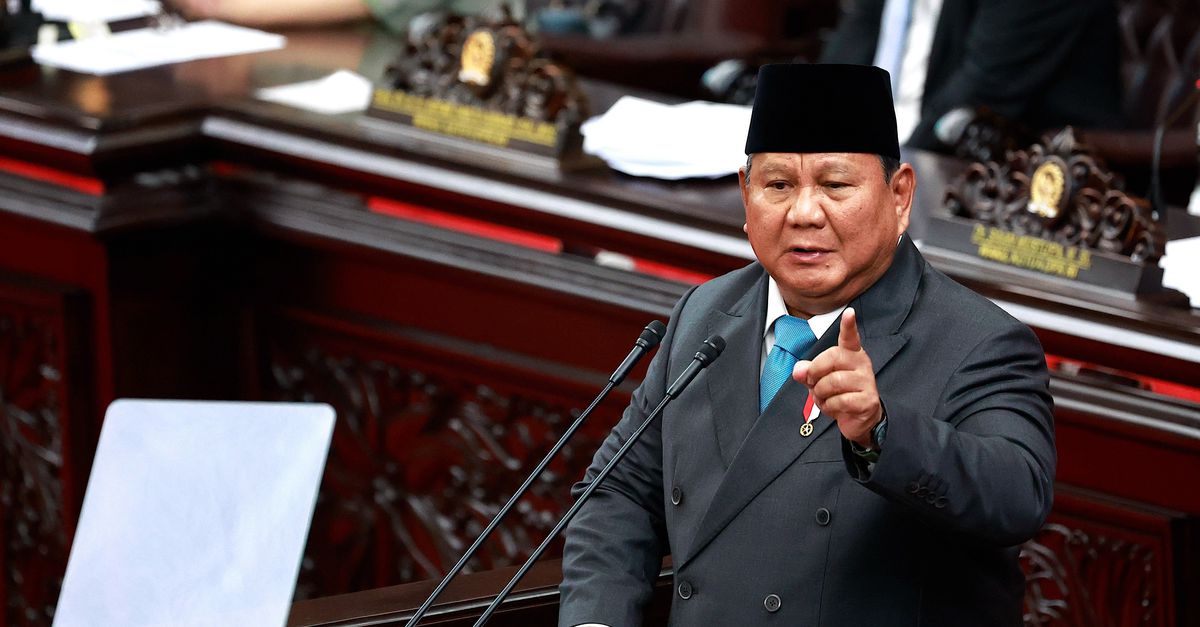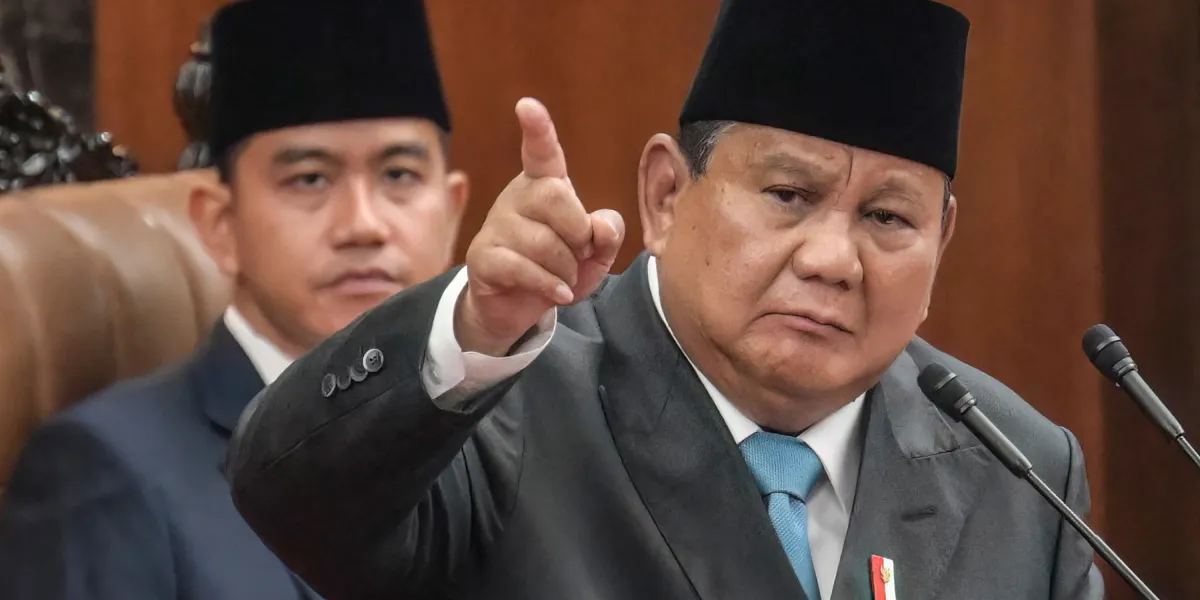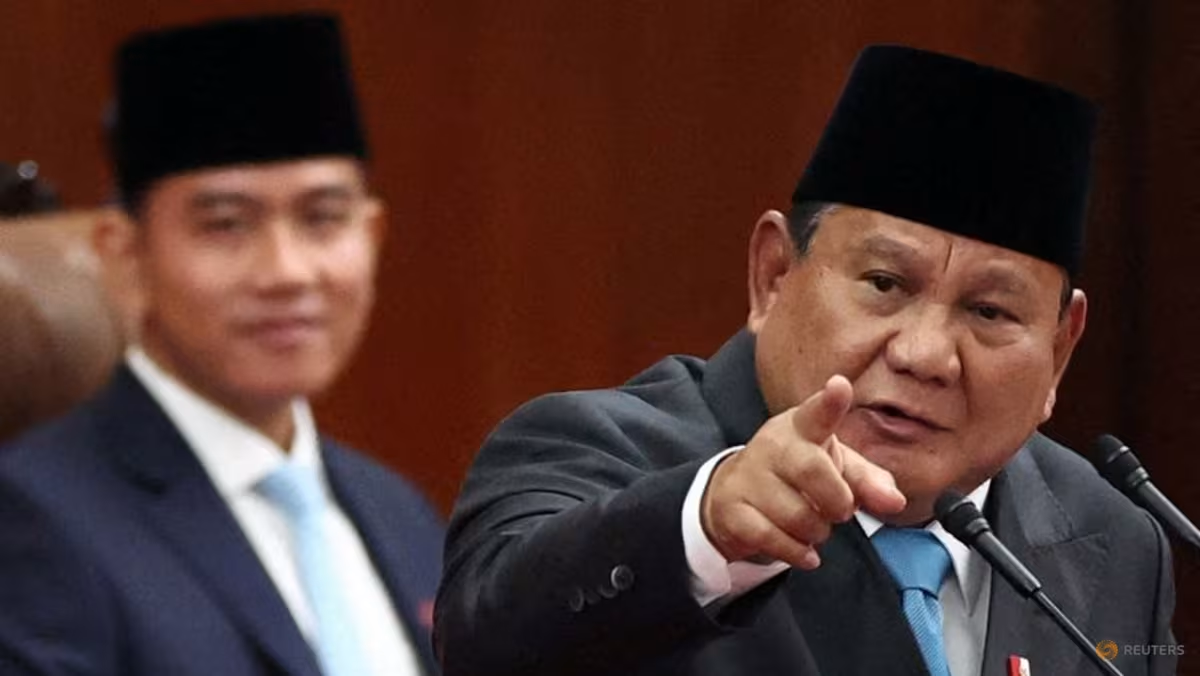
JAKARTA: A new mechanism to tighten state control over key commodity exports is Indonesia President Prabowo Subianto’s latest push to plug what he says are long-running revenue leakages costing the government billions.Experts say the move is well-intended, but could unsettle businesses if the new export control body takes a heavy-handed approach. The export mechanism, overseen by a new export body, Danantara Sumber Daya Indonesia (DSI) under sovereign wealth fund Danantara, will manage key commodities, including crude palm oil, coal, and ferroalloys, said Prabowo during a rare address in parliament on Wednesday (May 20). He added that Southeast Asia’s largest economy has lost as much as US$908 billion in revenue over the last 34 years because its commodities were sold at a discount.Nickel pig iron, a low purity nickel metal which makes up the majority of Indonesia’s nickel exports, and some refined palm oil products will be exempt from the centralistion, Coordinating Minister for Economic Affairs Airlangga Hartarto said on Thursday, according to media reports. The plan signals a stronger control over natural resources and a belief that Indonesia has not captured enough value from its own commodities through underpricing, experts told CNA. But they warned that its success will depend on implementation and how exactly the body will oversee exports of these commodities.“This is not yet clear,” said Yusuf Rendy, an economic researcher from think tank Center of Reform on Economics (CORE) Indonesia.Danantara’s chief executive officer Rosan Roeslani said at a press conference on Wednesday that the body’s aim was to ensure exporters were being truthful in their reports, by comprehensively checking whether figures mentioned in their trade documents aligned with the global market index. Rosan, however, stayed tight-lipped on the leadership structure of the export body, saying that the top positions will go to the people who have a good grasp of the industry. He added that the agency was also “open” to having qualified foreigners in senior positions.Experts also expressed concerns about whether DSI would operate transparently enough, or merely become a mandatory gatekeeper for exporters. They added that the implications of the new regulation and DSI would be significant as the country’s commodity sectors are not just sources of export but also deeply linked to jobs, regional economies, industrial policy and fiscal stability. "It's not just the conglomerates that will suffer, but rather the industries that employ millions of people, such as plasma farmers (farmers who partner with large companies through government programmes) that will suffer,” said economist Andry Satrio Nugroho, who heads the Center of Industry, Trade and Investment at the Institute for Development of Economics and Finance (INDEF).
Prabowo’s export control move could boost Indonesia’s revenues, but experts worry about stronger state hand
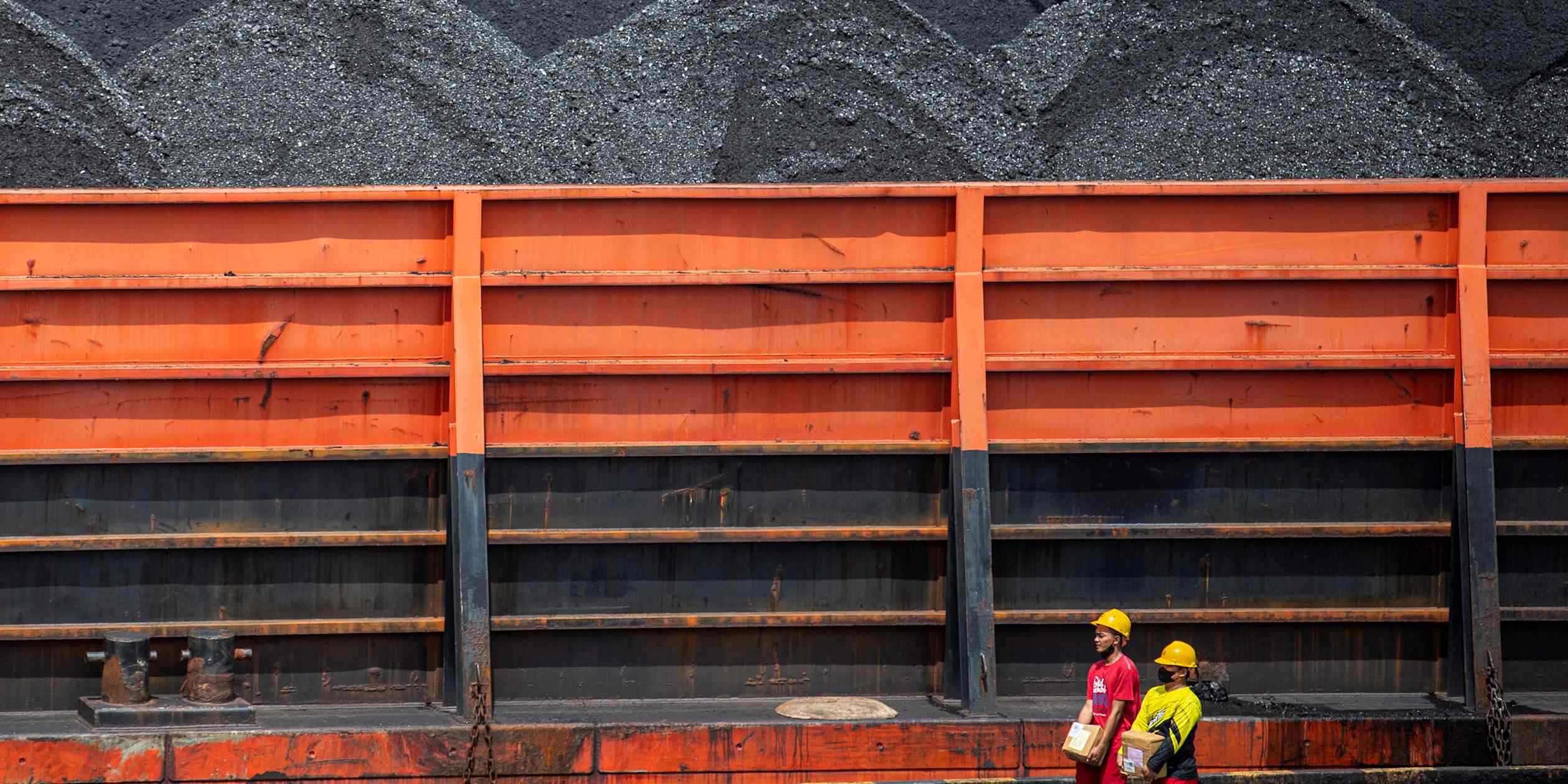
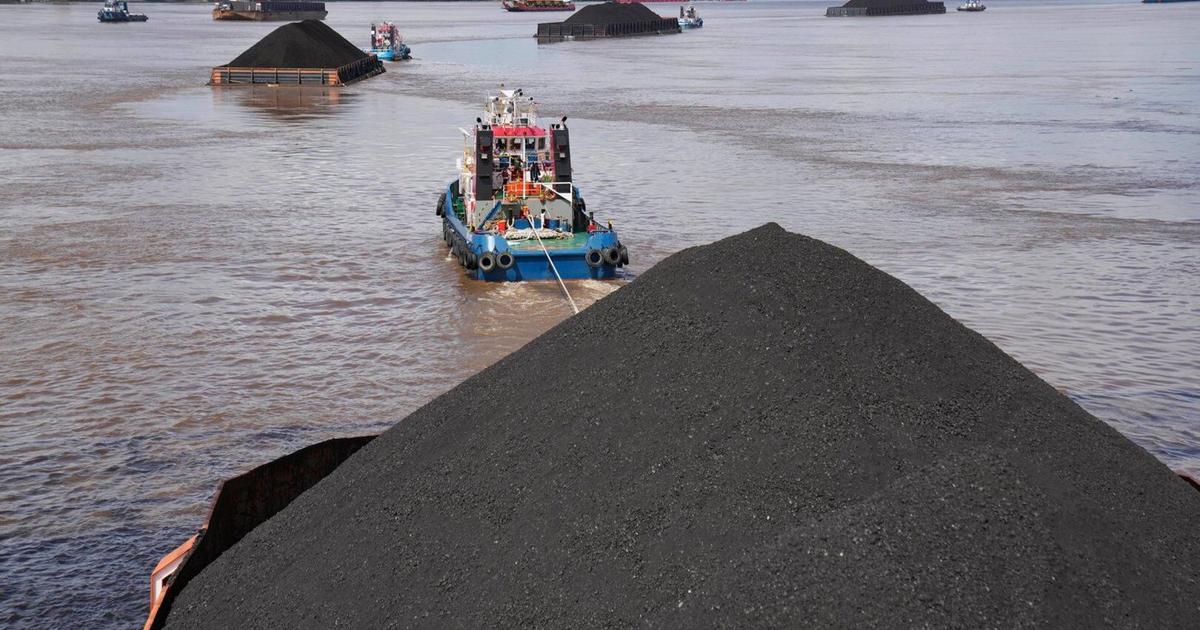
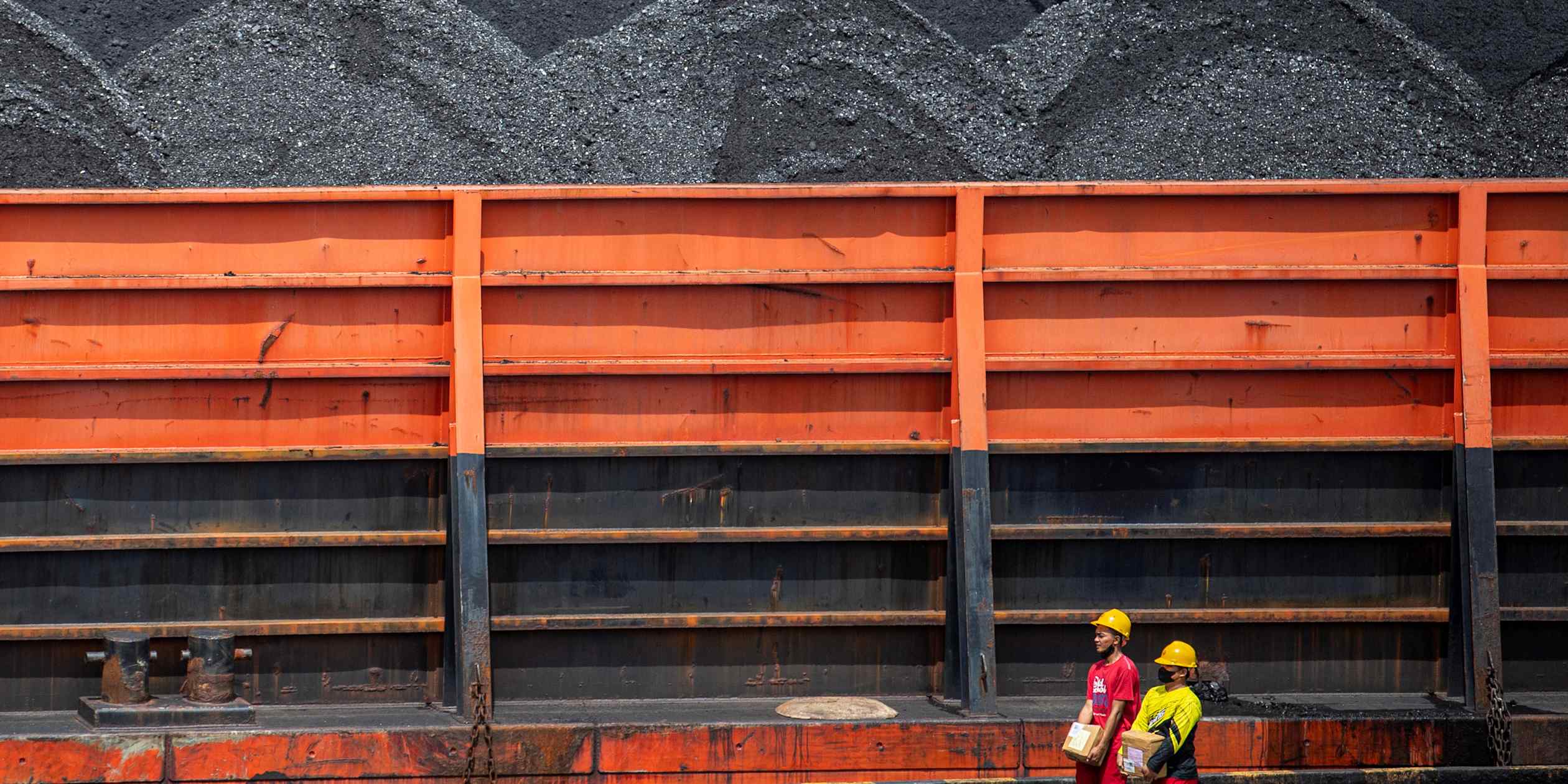
The new initiative will tighten state control over key commodities such as coal and palm oil.
2,220 words~10 min read