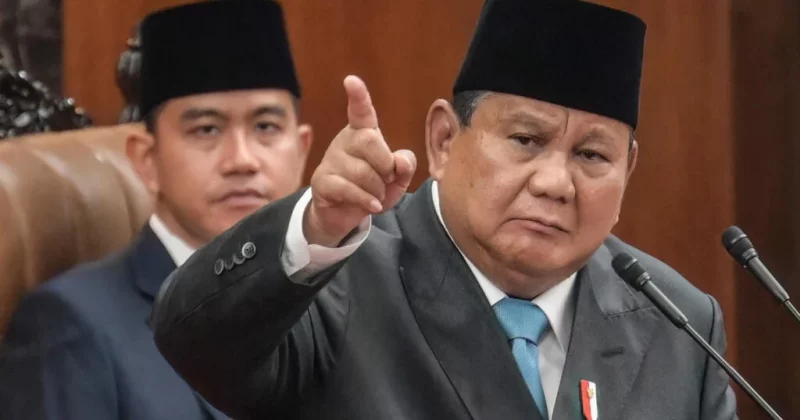
1. Indonesia has launched a sudden and sweeping policy to seize control over the export of its most vital natural resources, including palm oil, coal, and ferroalloys. [para. 1] On May 20, 2025, President Prabowo Subianto announced that all exports of these strategic commodities must be centrally managed by state-owned enterprises, specifically a newly created entity, PT Danantara Sumberdaya Indonesia (DSI), operating under the sovereign wealth fund Danantara. [para. 2][para. 3] This marked an abrupt end to private trade dominance in the resource sector.2. President Prabowo justified the dramatic shift by claiming that Indonesia lost $908 billion in state revenue over the past 34 years due to underreported export prices, declaring: “We must set the prices ourselves. If they don’t accept it, don’t do business with us!” [para. 4] The policy was implemented without prior warning or hearings, leaving industry insiders bewildered. [para. 5] The rollout will occur in two phases: a transition period from June 1 to December 31, 2026, during which exporters must declare contract and pricing data to DSI for supervision; and a second phase starting January 1, 2027, when DSI becomes the exclusive export trading company for these commodities. [para. 6]3. The aggressive move is driven by mounting economic pressures under President Prabowo, who took office in October 2024. [para. 7] The Indonesian currency has plummeted to 18,000 rupiah per U.S. dollar (June 4, 2026), its lowest level since the 1998 Asian financial crisis, partly due to the Middle East conflict driving up oil prices and energy subsidies. [para. 8] This fiscal crunch has forced the government to treat the resource sector as a cash cow for economic transfusion.4. Foreign firms, particularly Chinese companies that have invested tens of billions of dollars in Indonesia’s resource sector over the past decade, are feeling the squeeze. [para. 9][para. 10] Even before the new export policy, an open letter from the China Chamber of Commerce in Indonesia questioned exorbitant taxes, mining quota restrictions, and forced foreign exchange retention periods that have throttled corporate cash flows. [para. 9] As Jakarta's policies swing abruptly under Prabowo, these established Chinese mining companies must now find new ways to survive, and the policy earthquake will inevitably alter the fate of latecomers. [para. 11]5. Since taking office, Prabowo has deployed a combination of policies to tighten state control over resources. In early 2025, the SIMBARA mineral resource management system expanded to cover nickel, tracking extraction to sales via blockchain, tethered to a quota system. [para. 20] Throughout 2025, the government introduced progressive royalty rates tied to market prices, slashed mining quota validity from three years to one year in 2026, and reversed earlier promises by imposing full pricing and taxes on by-products like cobalt and chromium. [para. 21][para. 22][para. 23] Compliance enforcement also ramped up: by September 2025, 190 mining permits were suspended and around 1,000 illegal tin mines shuttered. [para. 24]6. Beyond exports, Prabowo’s ambitions target the complete nickel supply chain. In May 2026, Indonesia established an Industrial Estate Holding Company to restructure state-owned industrial parks under Danantara, consolidating logistics and transport systems. [para. 25] A Guangxi University scholar noted that this, combined with unified export pricing, makes clear the government is targeting the full upstream and downstream nickel supply chain. [para. 26]7. The policy shift is also tied to degrading ore quality. A seasoned observer noted that nickel ore grades have dropped from 1.8%-2.0% over a decade ago to around 1.5% today, while extraction costs have skyrocketed as easily accessible coastal mines are depleted. [para. 28][para. 29] Through hardline administrative actions, Jakarta seeks to maximize its grip over supply chains and pricing power in the face of resource constraints, citing the Indonesian Constitution that states natural resources shall be under state power and used for the greatest benefit of the people. [para. 30]8. This direct intervention has unnerved international investors and local academics. Some estimate it is the heaviest direct administrative intervention since the fall of Suharto in 1998, with Indonesia increasingly exhibiting characteristics of an “extractive regime” where growth dividends concentrate among elites while middle-class living standards decline. [para. 31] The newly forged takeover mechanism is entirely opaque – DSI is a newborn institution, and its finances bypass the national budget. [para. 31][para. 32] A researcher noted there is currently no legal framework explaining how profits from the sovereign wealth fund will be redistributed to the state, raising concerns about transparency. [para. 32]AI generated, for reference only
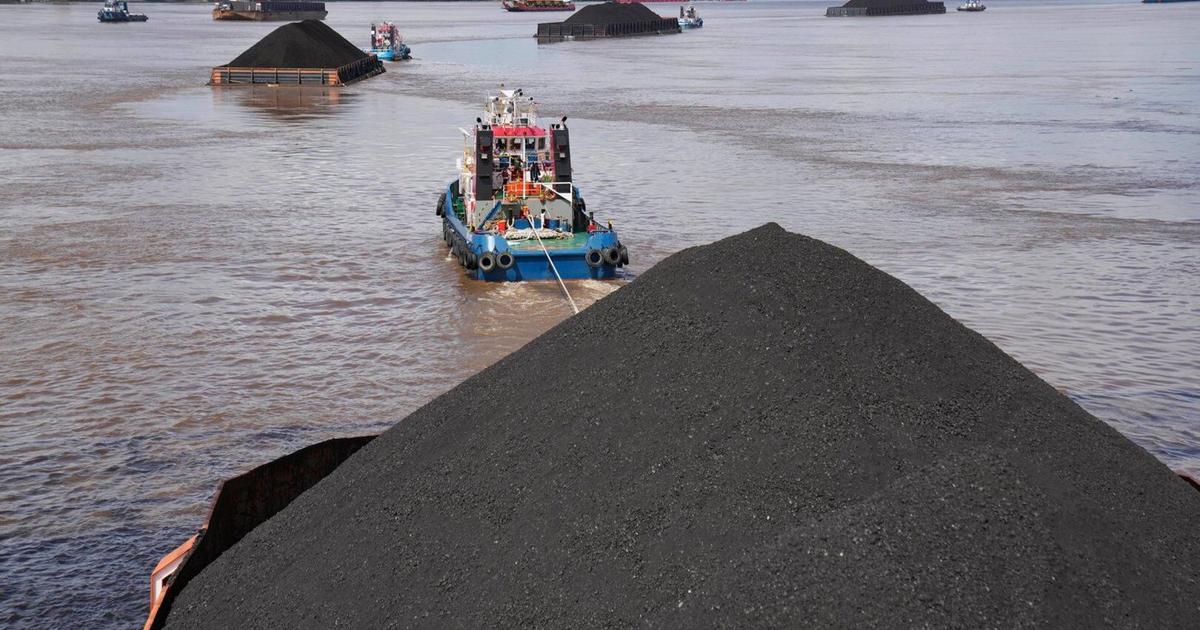
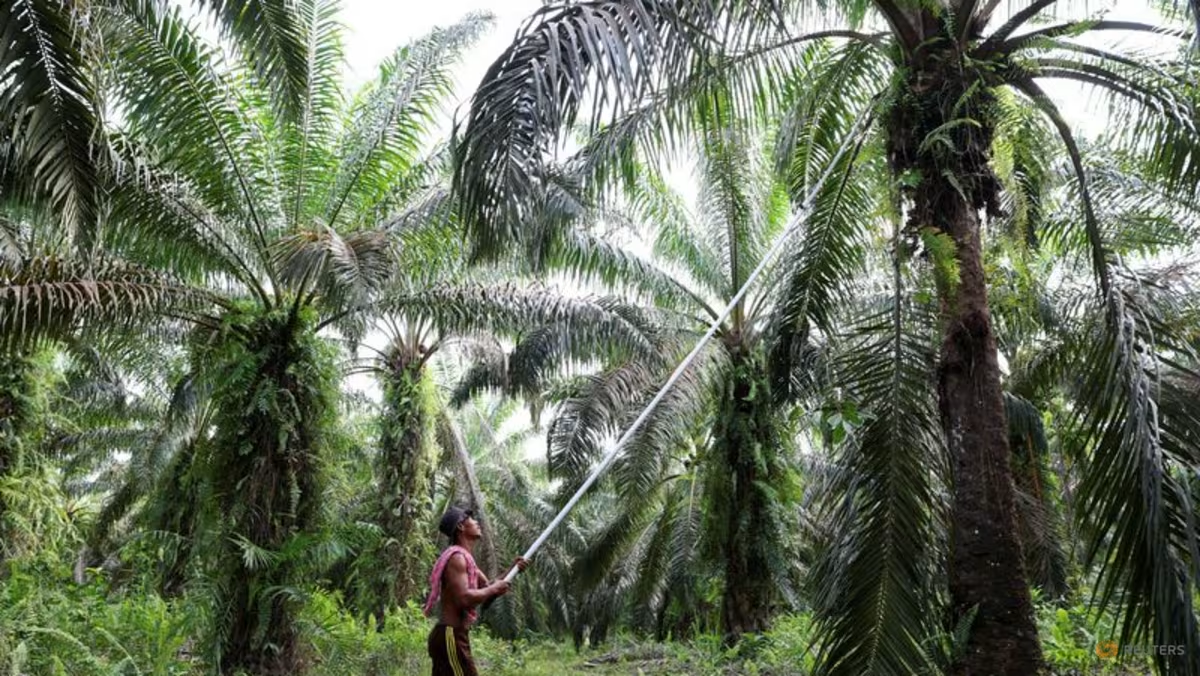
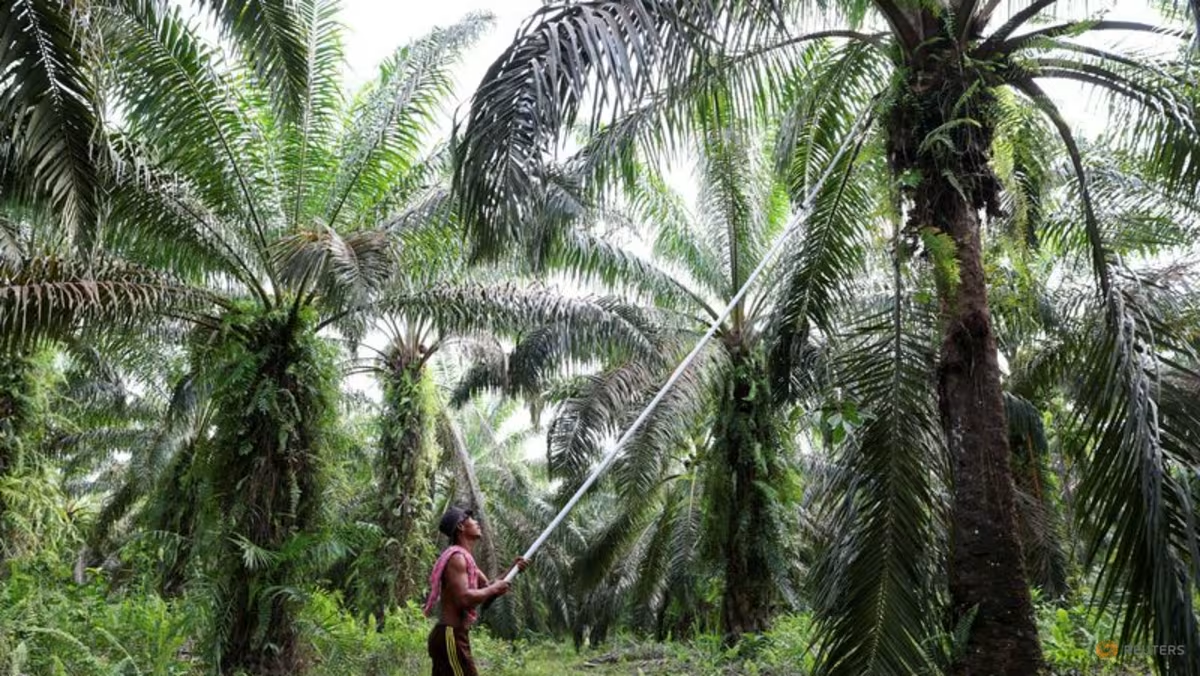
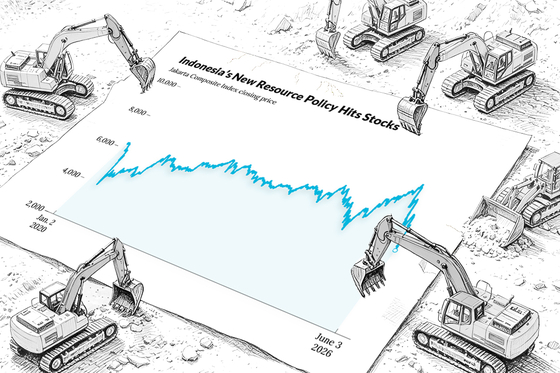
In Depth: Inside Indonesia’s Surprise Pivot to Resource Nationalism
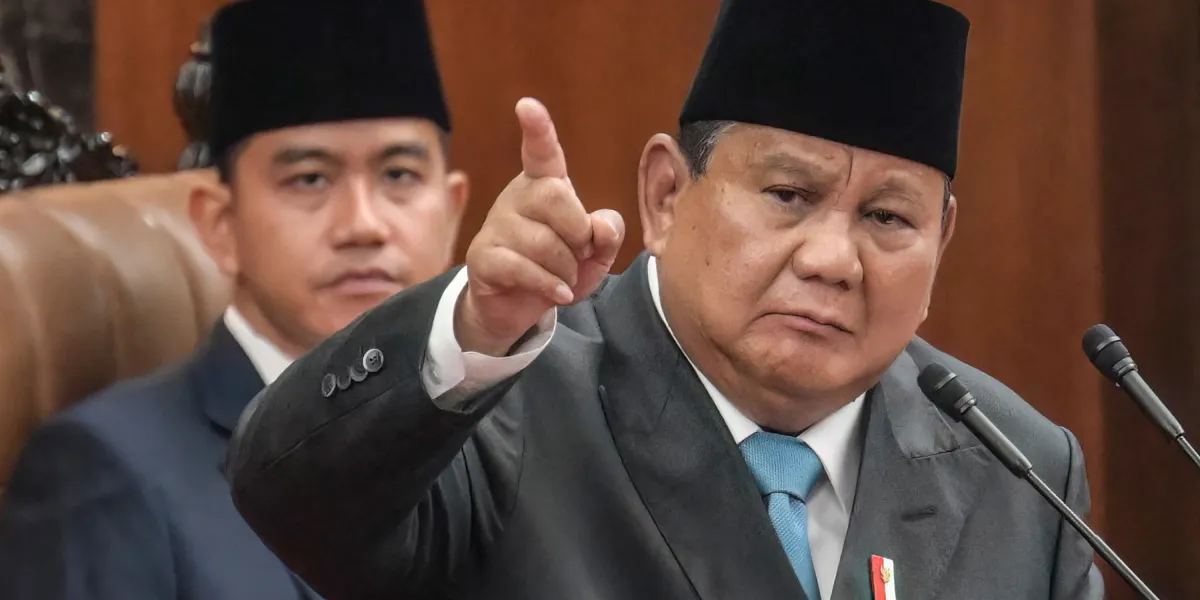
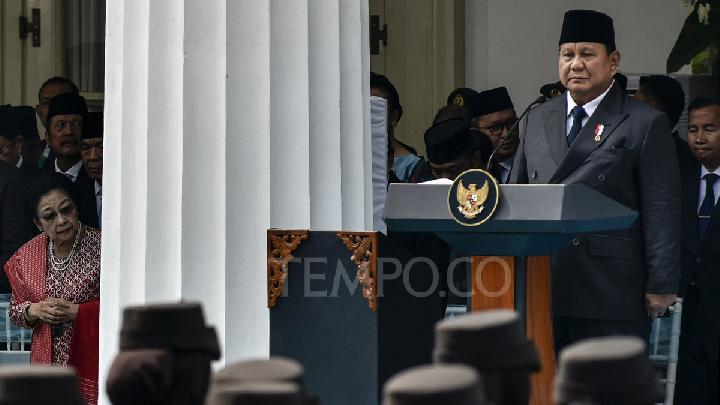
Without warning or industry consultation, Jakarta unveils a radical plan to strip private traders of their export rights and transfer absolute pricing power to the state
736 words~3 min read