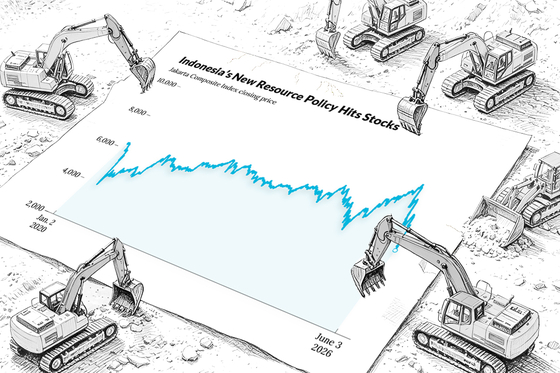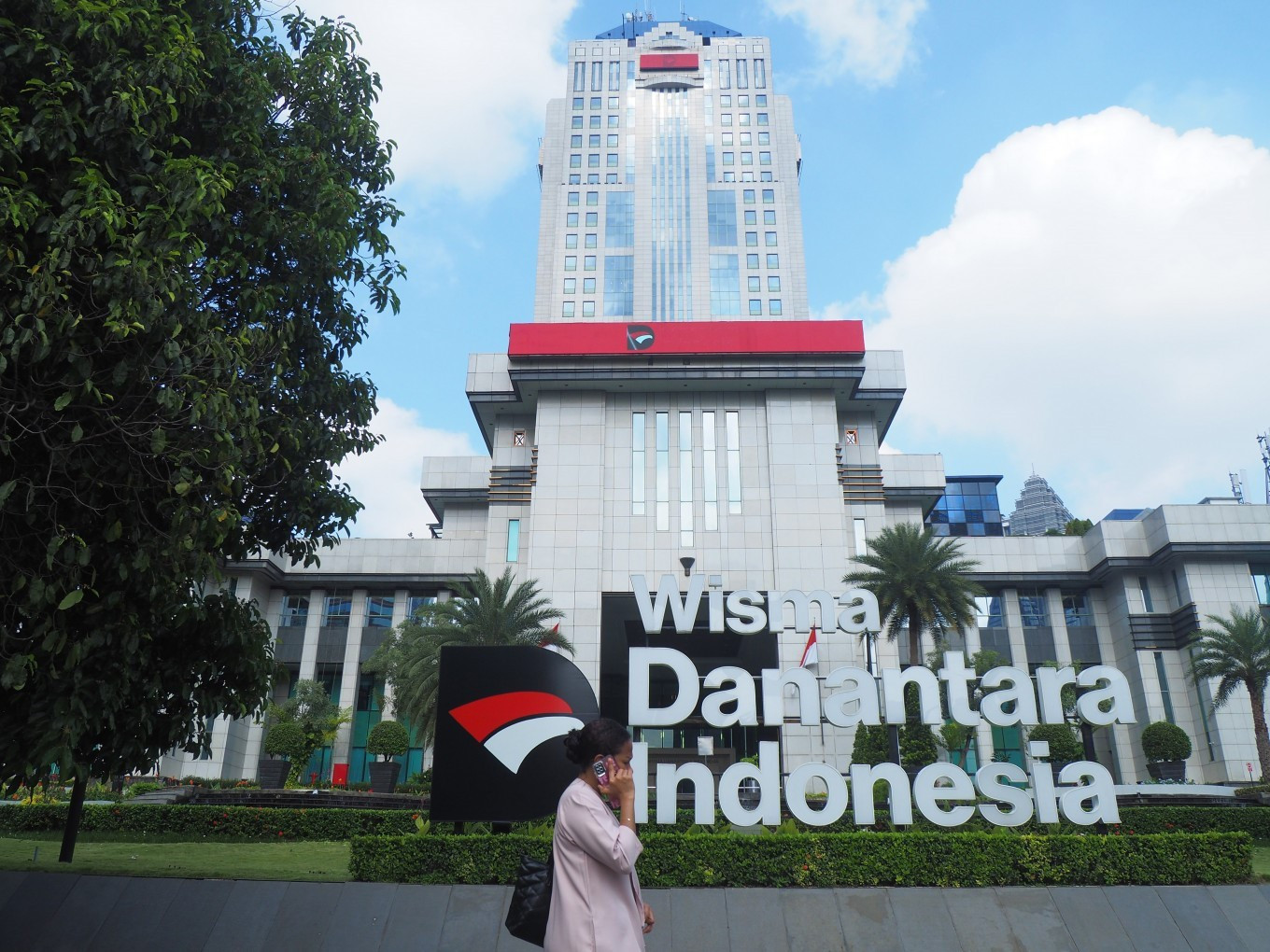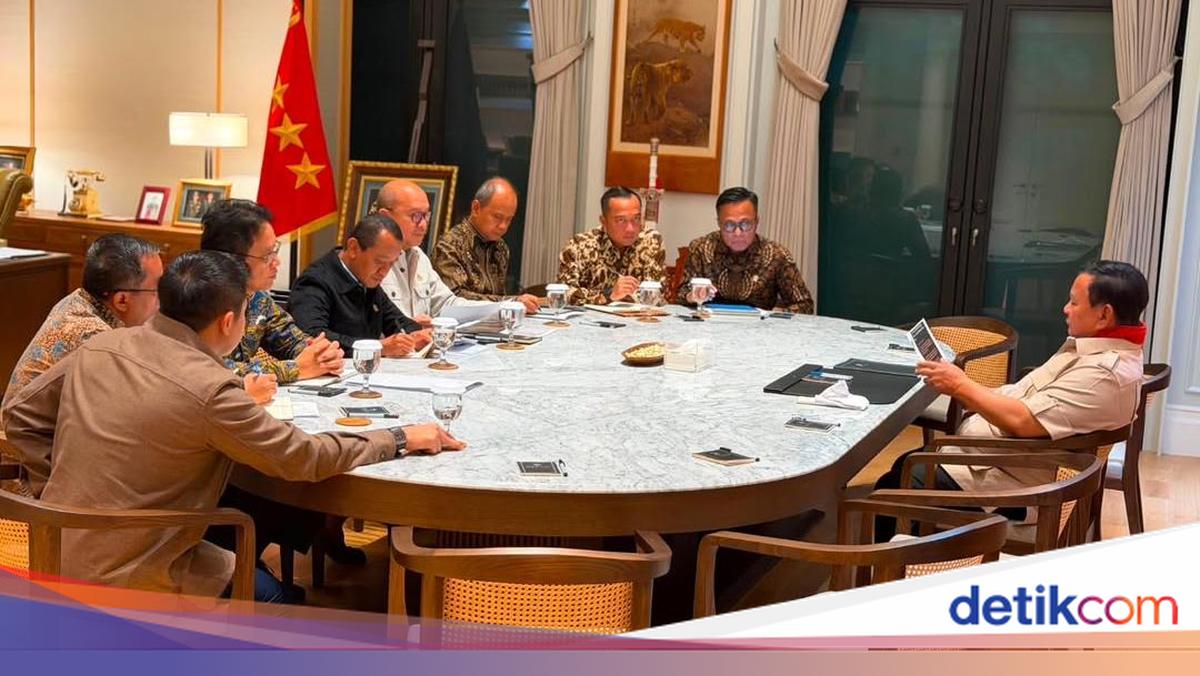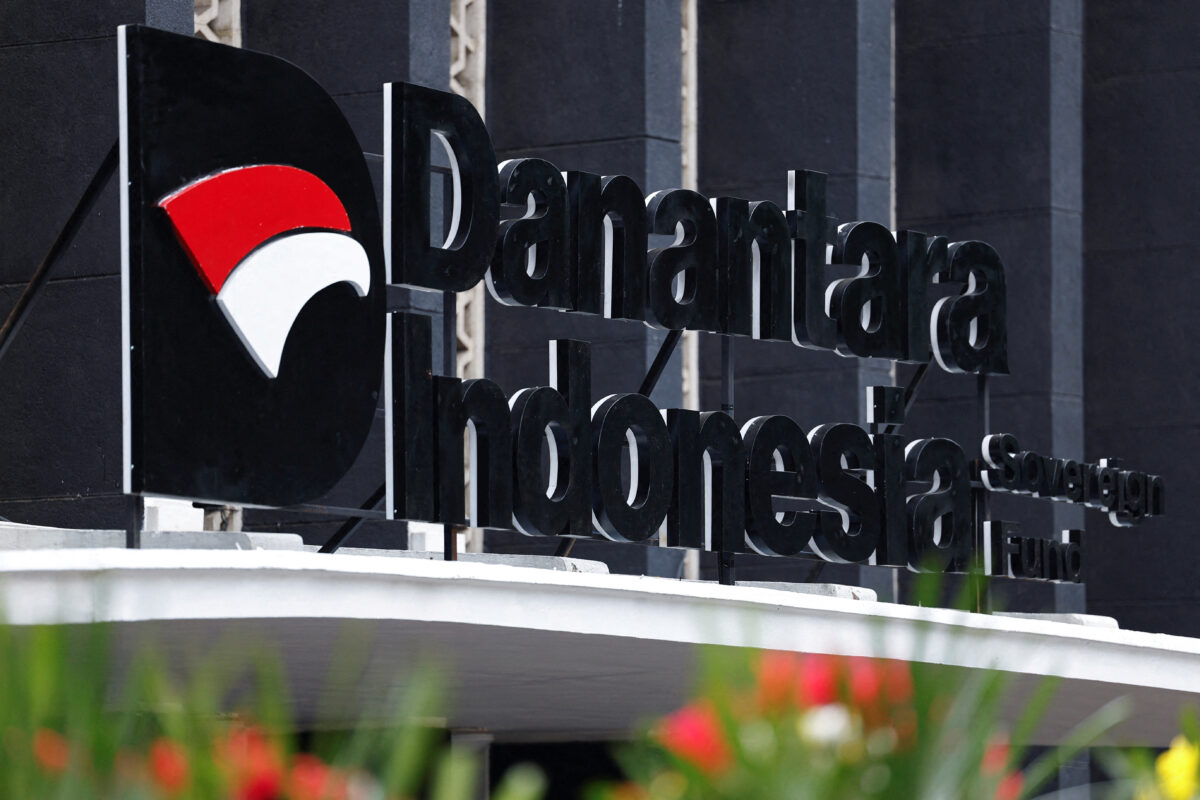
Last month, Indonesian President Prabowo Subianto blindsided his own ministers, stunned the business community and confused global markets with the announcement that exports of key commodities — including palm oil, coal and certain minerals — would soon be channelled through Danantara Sumberdaya Indonesia, a new subsidiary of Indonesia’s state investment vehicle, Danantara.
The policy’s ostensible goals are to expand state oversight of exports and combat tax evasion by resource firms while positioning Danantara as a major player in the global commodities trade. The details continue to evolve, and local business associations are in the meantime pleading with the government to roll the new system out slowly.
This proposed solution to Indonesia’s long-standing problems of revenue leakage has been met with widespread scepticism — if the problem is dodgy invoicing, then why not reform customs and other taxation processes? That the government has not opted for more narrow technical solutions speaks to the grander political objectives at the heart of Danantara Sumberdaya Indonesia.
This new policy is just one in a series of interventions that illuminate the shifts underway in Indonesia’s resource nationalism — from favouring domestic business over foreign rivals to a more wholesale subordination of private interests to state priorities.