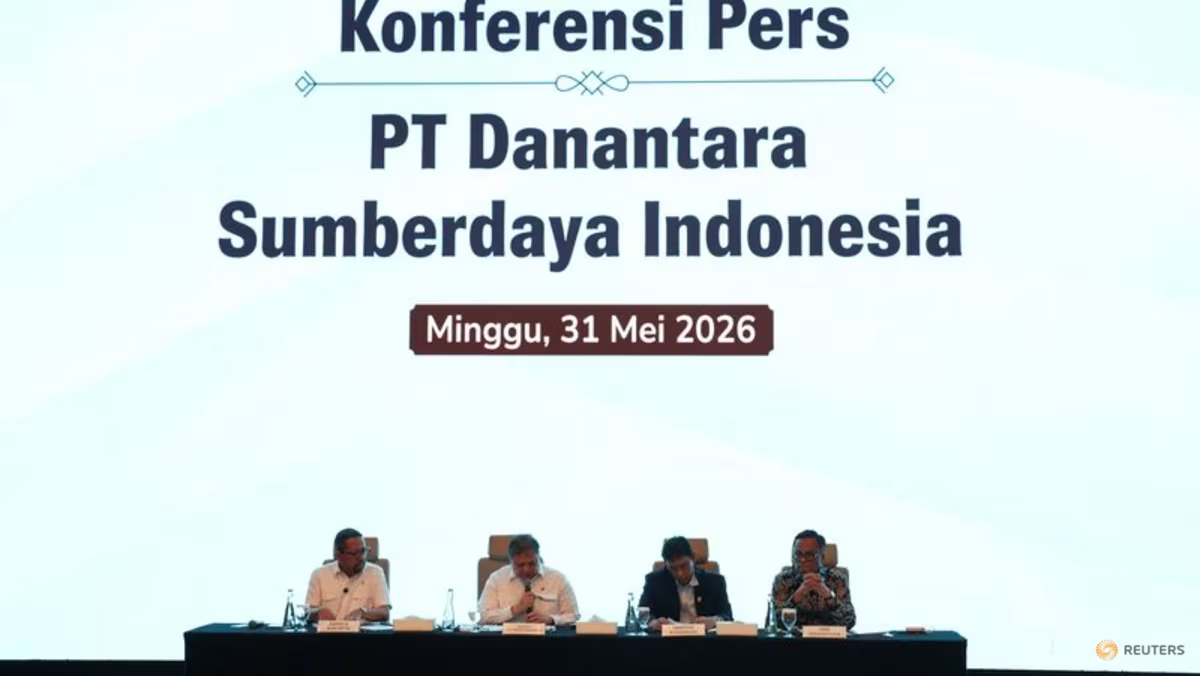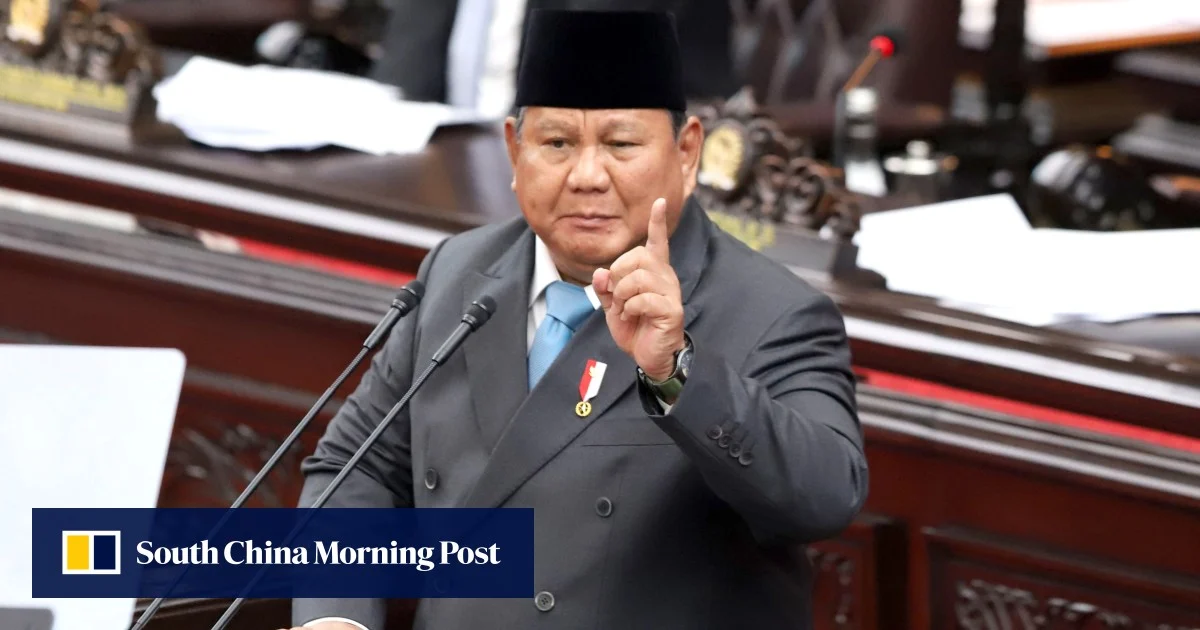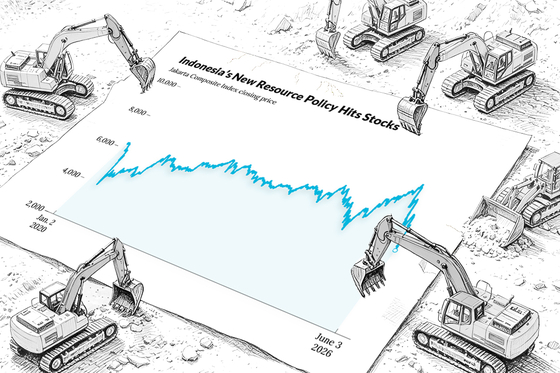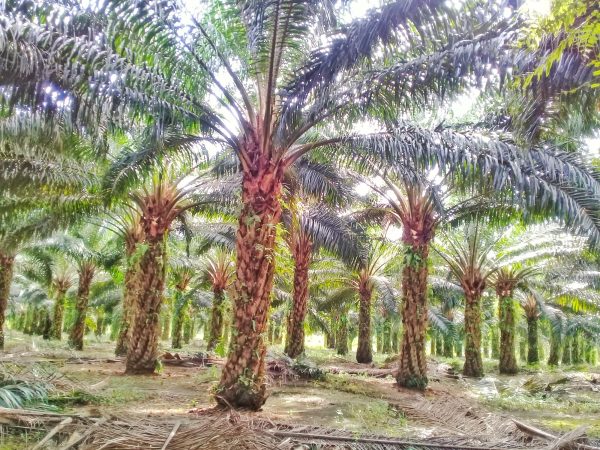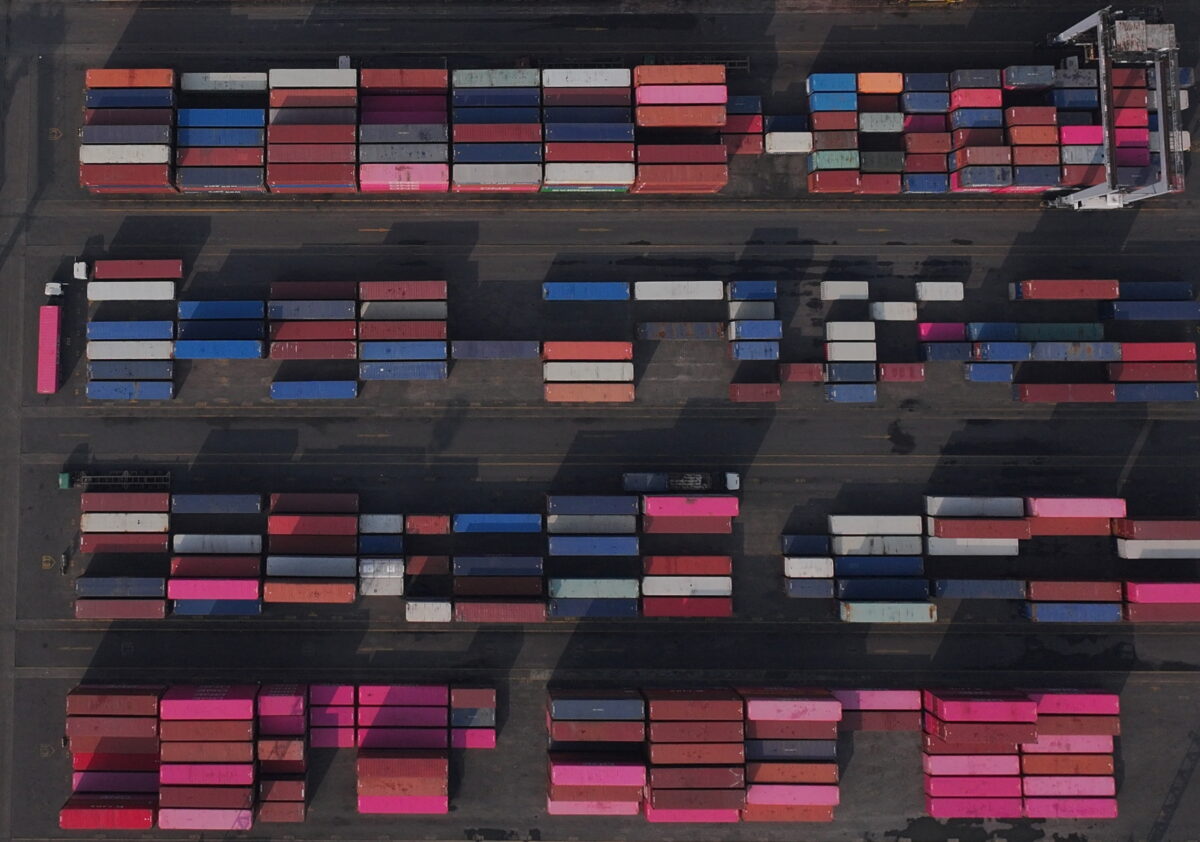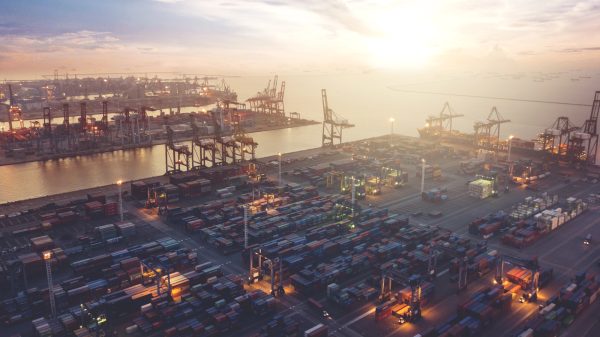
On May 20, Indonesian President Prabowo Subianto announced the establishment of PT Danantara Sumberdaya Indonesia (DSI), a new state entity under the Danantara sovereign wealth fund tasked with overseeing selected strategic commodity exports, initially focused on palm oil, coal, and ferro-alloys. The move reflects a broader government effort to strengthen oversight across Indonesia’s commodity sector and address practices estimated to contribute to billions of dollars in annual revenue leakage.
It has also prompted market concerns over potential regulatory bottlenecks, payment delays, and uncertainty surrounding how the new institution would function in practice. Because Indonesia increasingly sits at the center of global supply chains for energy, food, and critical minerals, the implications extend beyond domestic revenue collection to questions of trade reliability, industrial policy, and geopolitical influence.
The core mandate of DSI is to function primarily as a transparency, documentation, and monitoring platform rather than a profit-seeking intermediary, with officials emphasizing that the entity will not take margins or commissions from exporters. However, important uncertainties remain. Public communications surrounding the proposal have at times appeared internally inconsistent. Some elements of the proposed framework suggest a centralized monitoring and audit platform, while others imply a more interventionist role in export execution, a distinction with materially different implications for exporters and markets. A platform designed to improve visibility over contracts, pricing, and export proceeds carries very different implications from a centralized state trading intermediary.