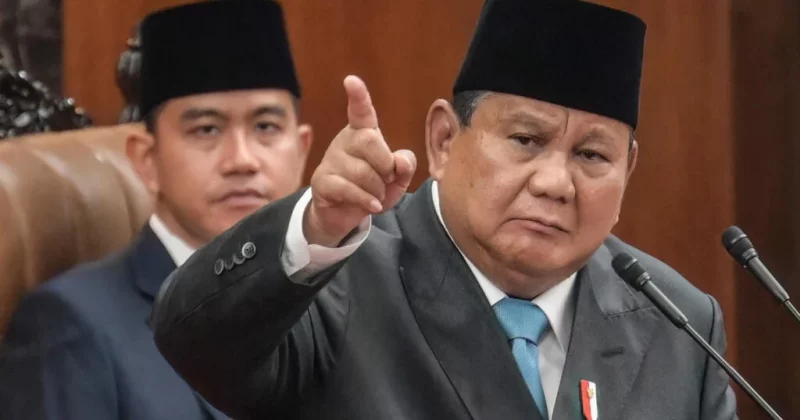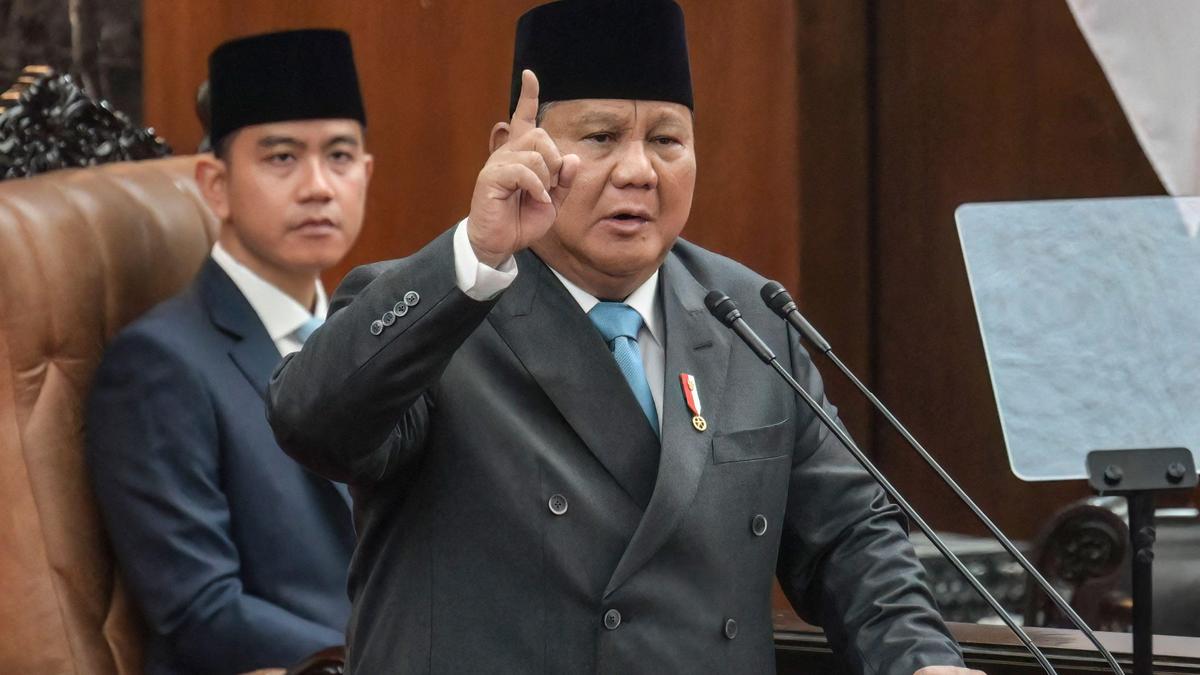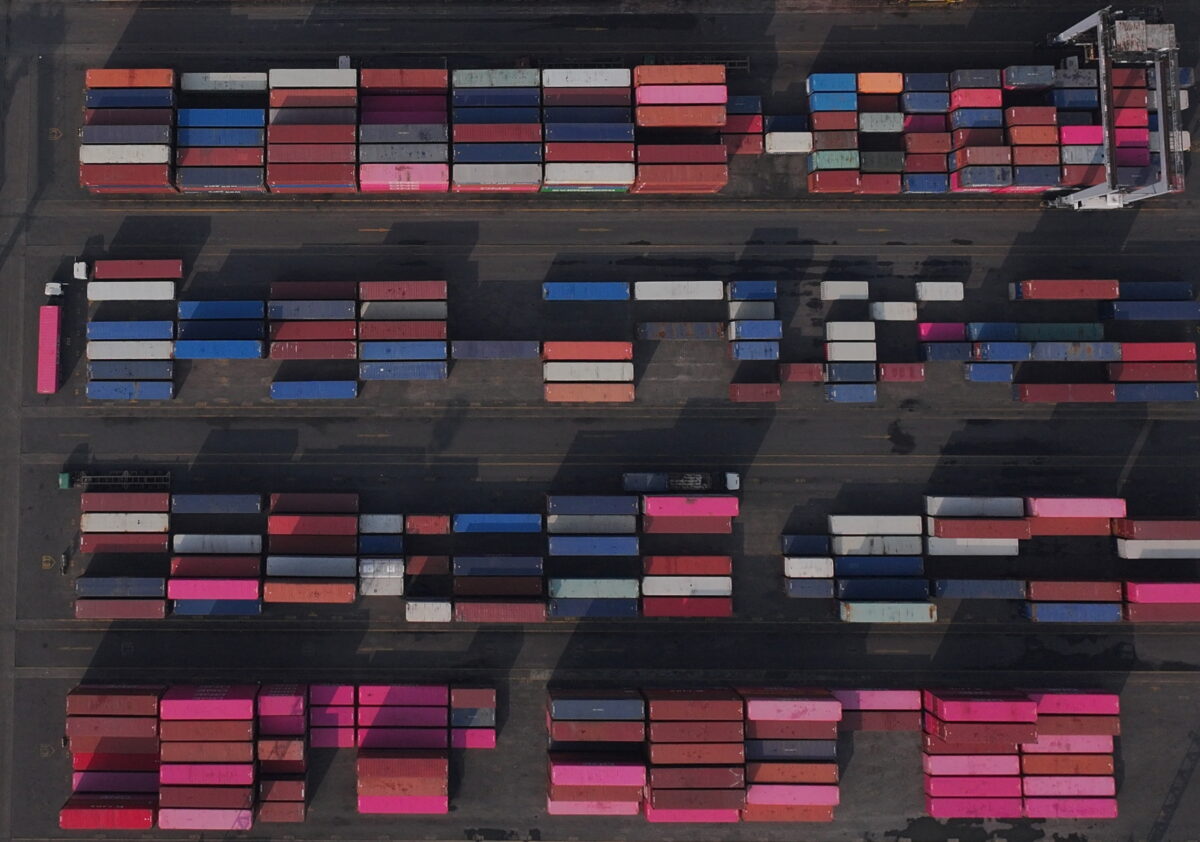
On 20 May 2026, Indonesian President Prabowo Subianto announced an export scheme for Indonesia’s strategic natural resources. The newly established state-owned enterprise Danantara Sumberdaya Indonesia (DSI) will act as an intermediary to facilitate and oversee export processes. DSI began its work in June, with responsibilities limited to reporting and monitoring exports. Prabowo said the scheme was intended to curb the practice of misinvoicing, which he claims has resulted in up to US$908 billion in lost income.
The scheme has the potential to breach World Trade Organization (WTO) rules, though this will depend on how DSI operates in practice. To align with the WTO’s most-favoured nation principle, DSI must not selectively choose trading partners beyond legitimate commercial considerations. It should not limit the quantity of exported resources, as this could conflict with WTO provisions on quantitative restrictions. Even if DSI operates as a State Trading Enterprise (STE), it must comply with WTO rules and make decisions based only on commercial considerations.
WTO jurisprudence on export restrictions has developed over time. In a dispute over China’s restrictions on raw material exports, both the Panel and the Appellate Body found that export restrictions imposed through quotas or administrative measures violated WTO rules. This means that DSI should not restrict exports in any way, including through administrative efforts.