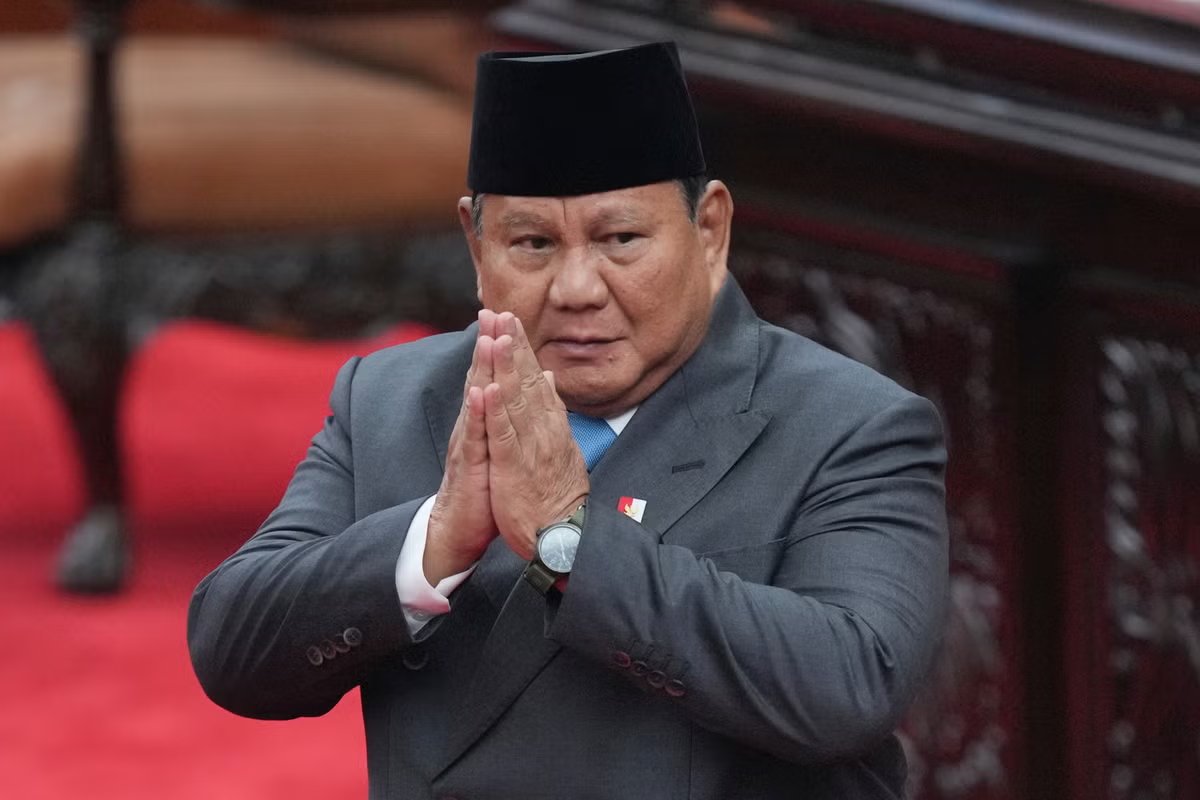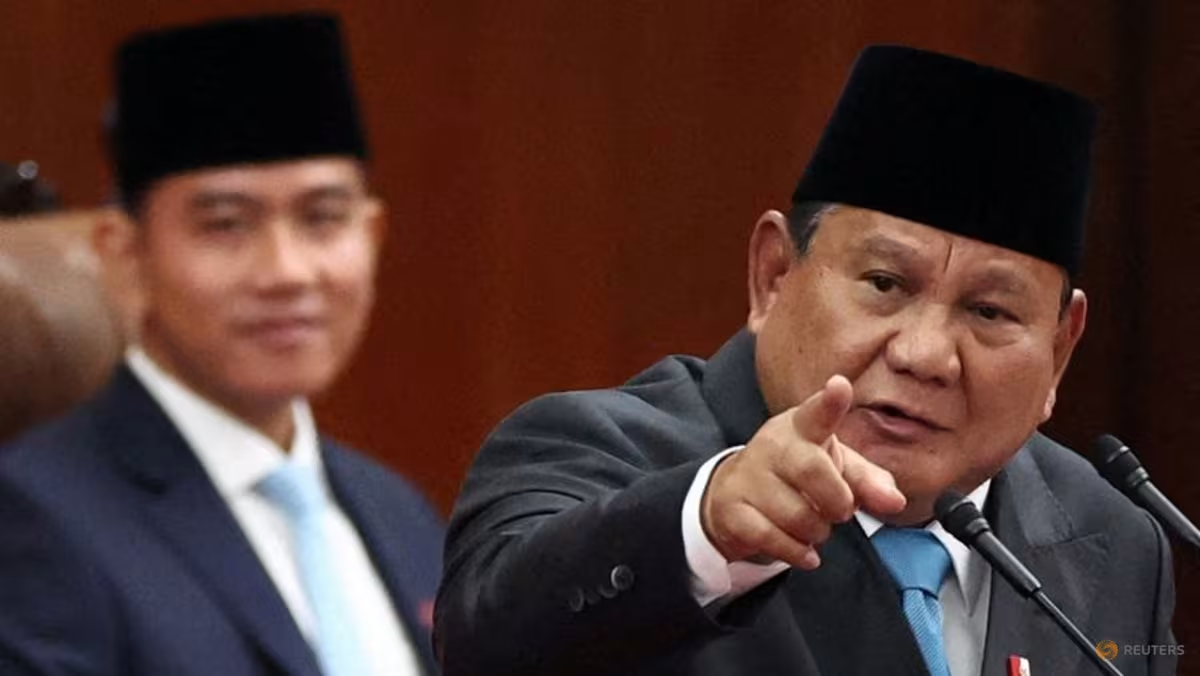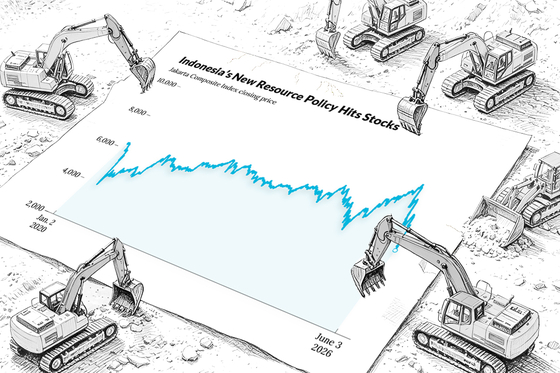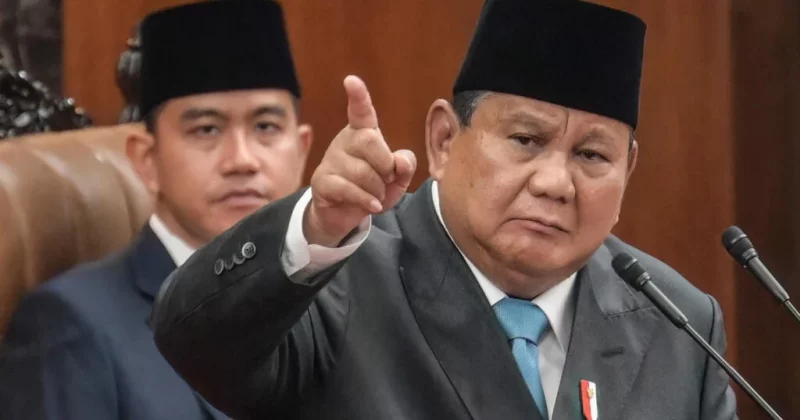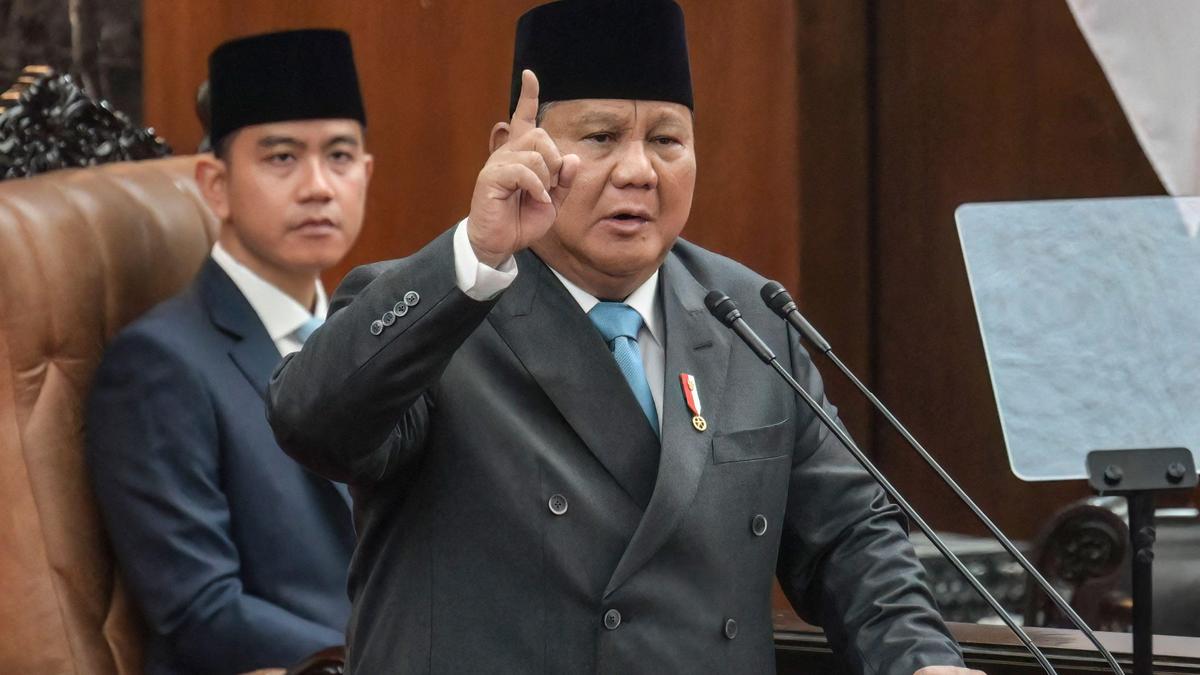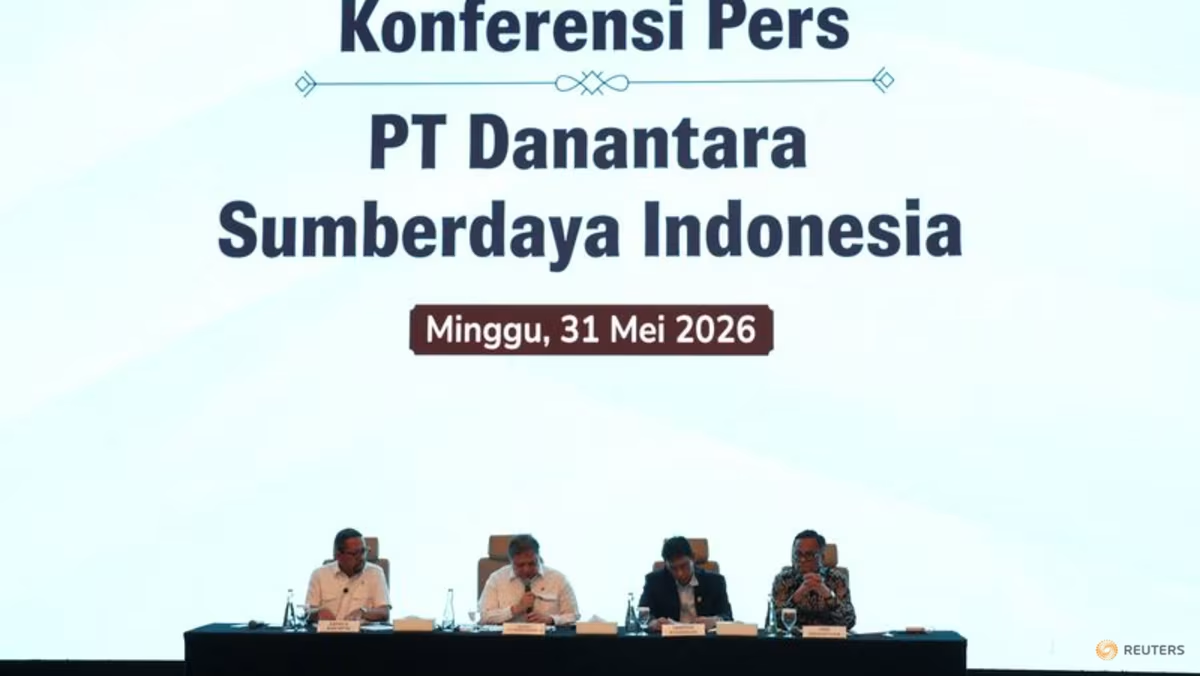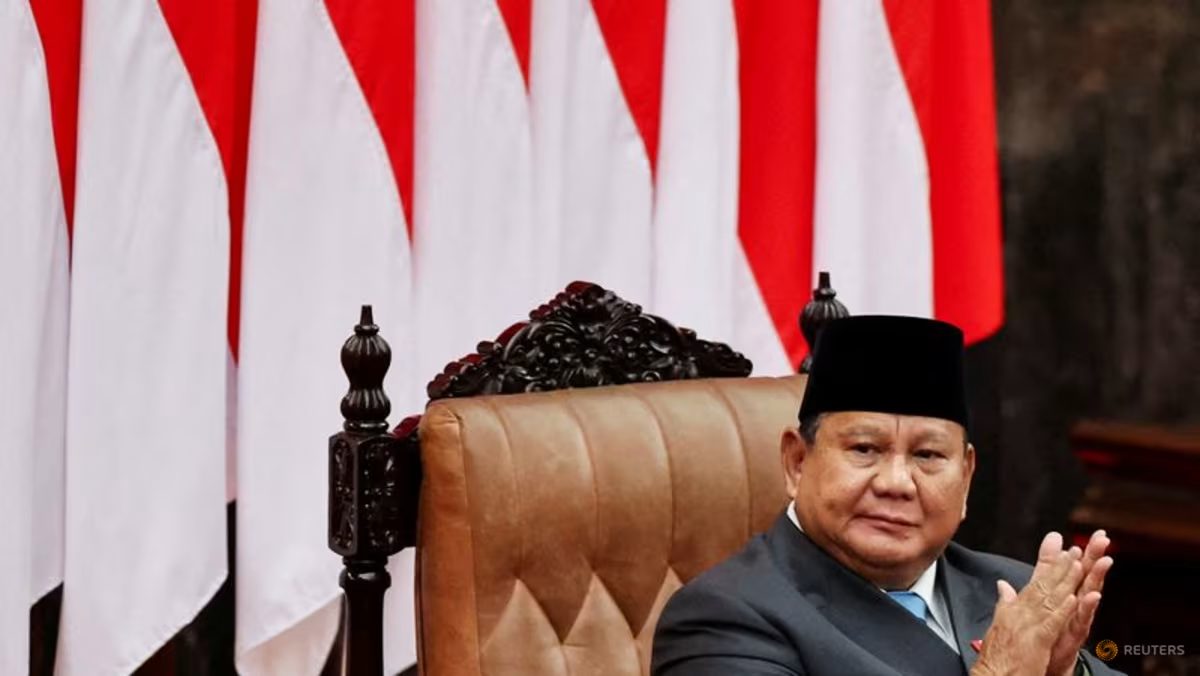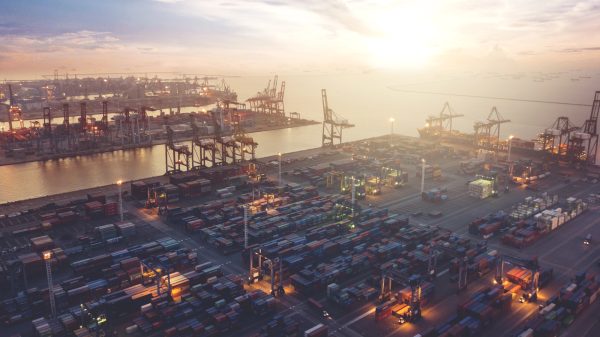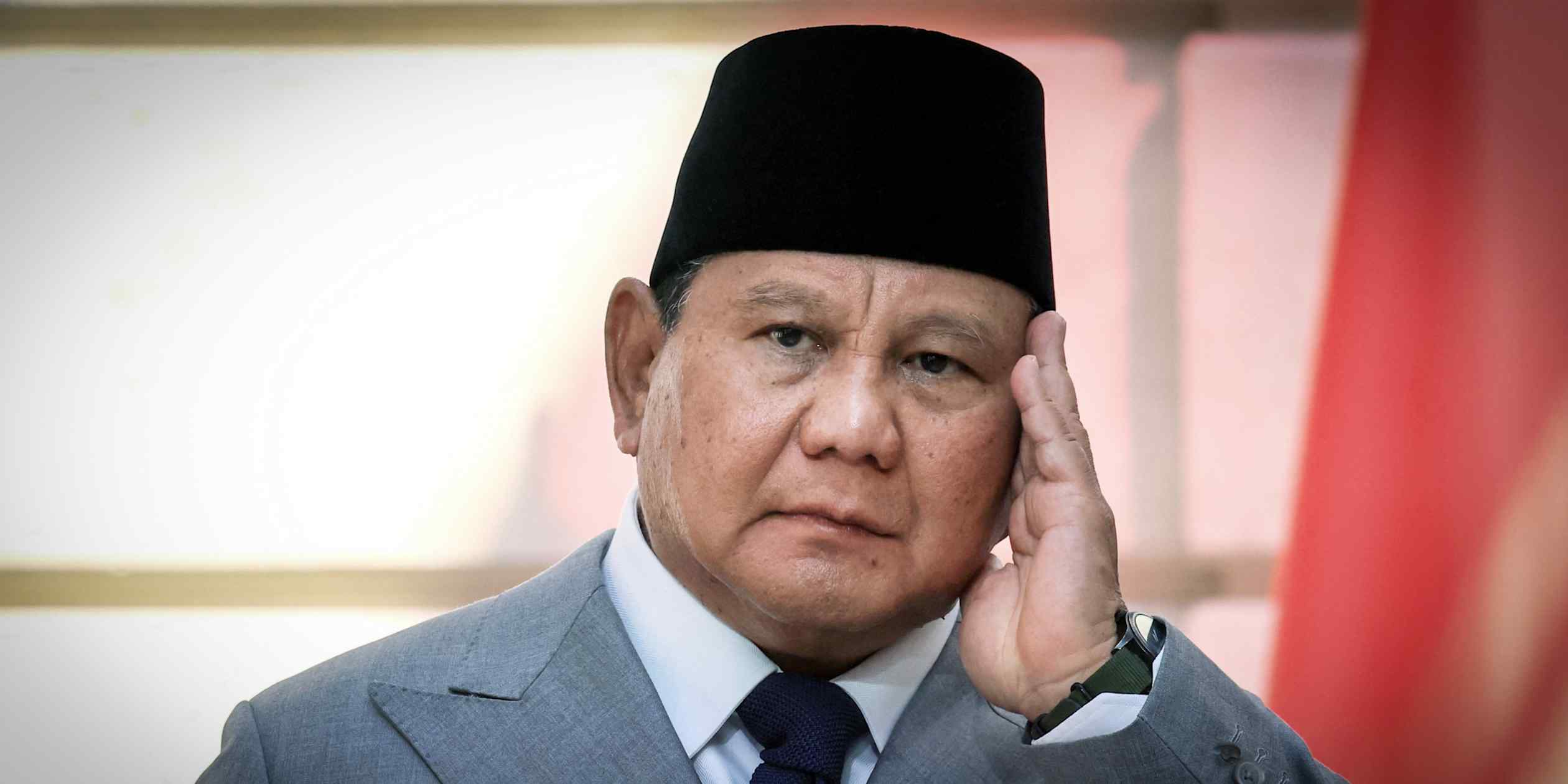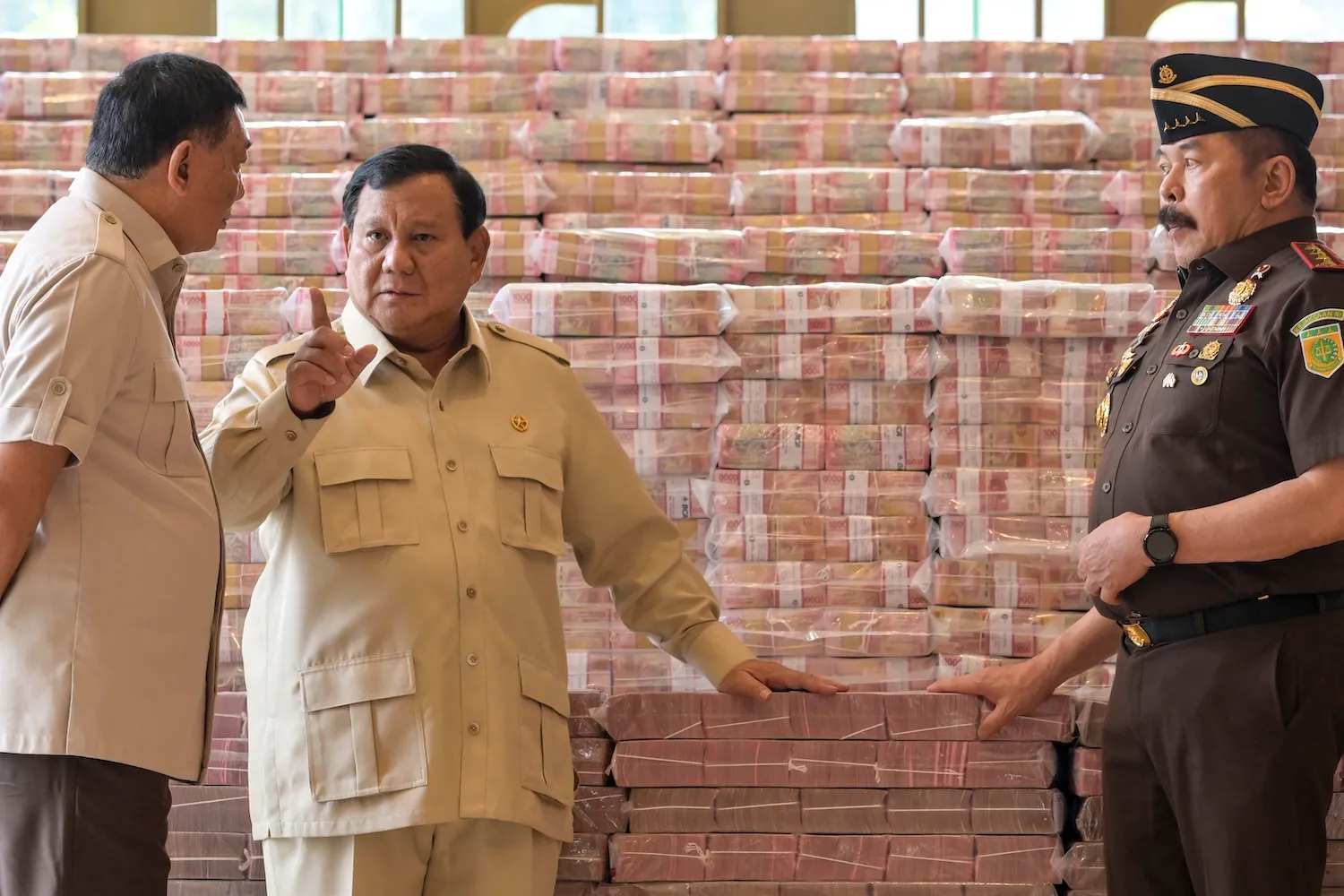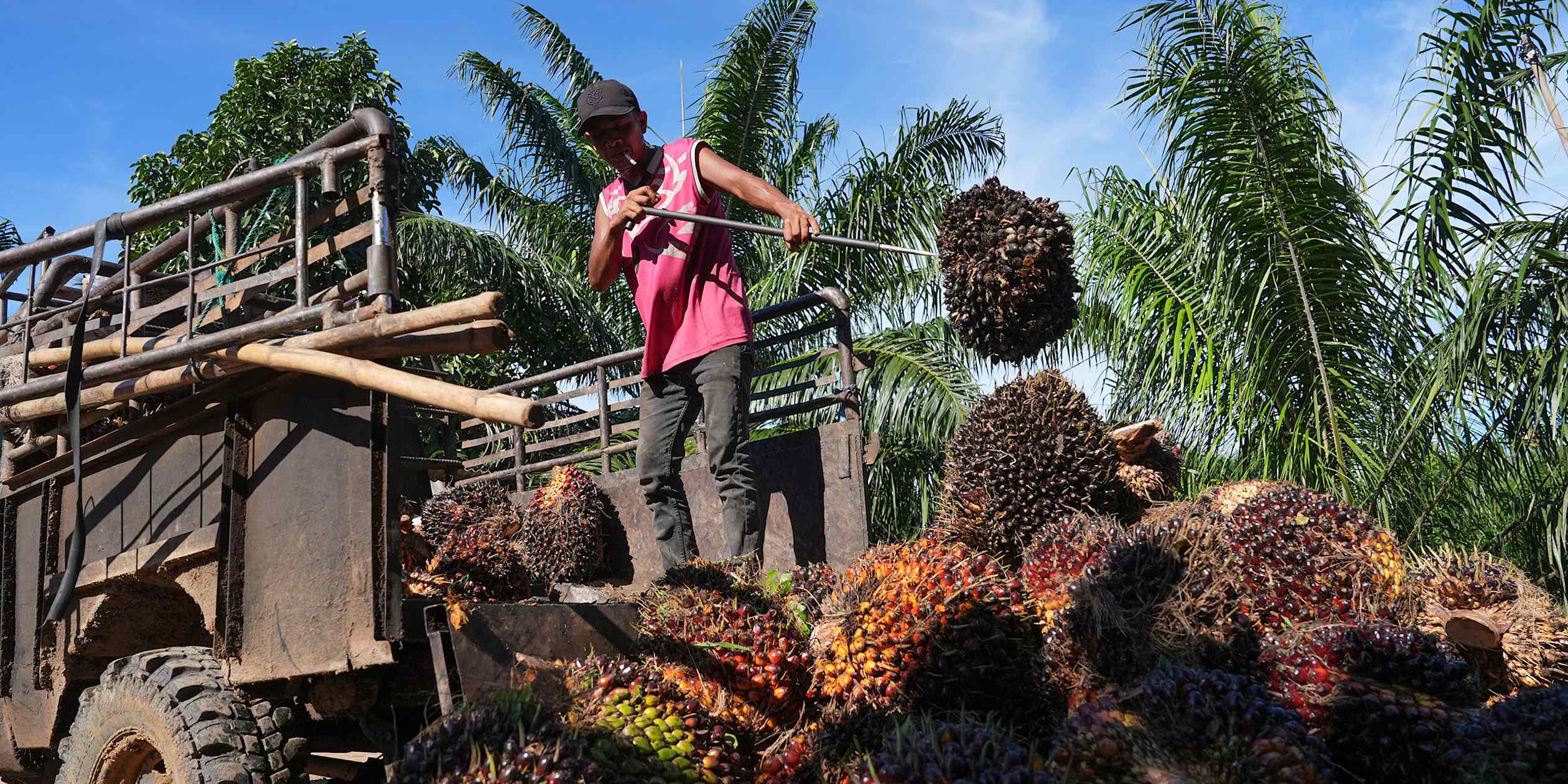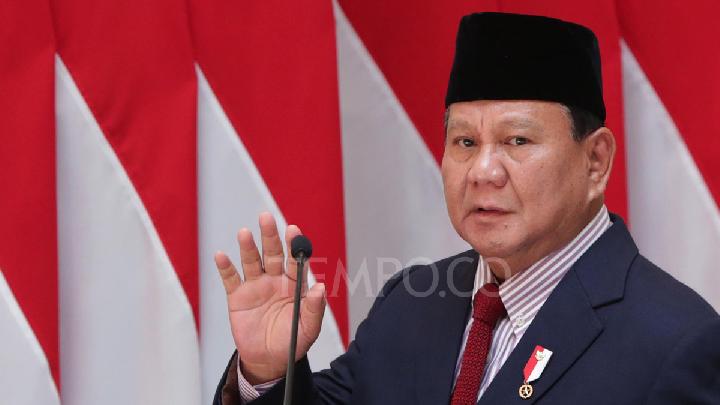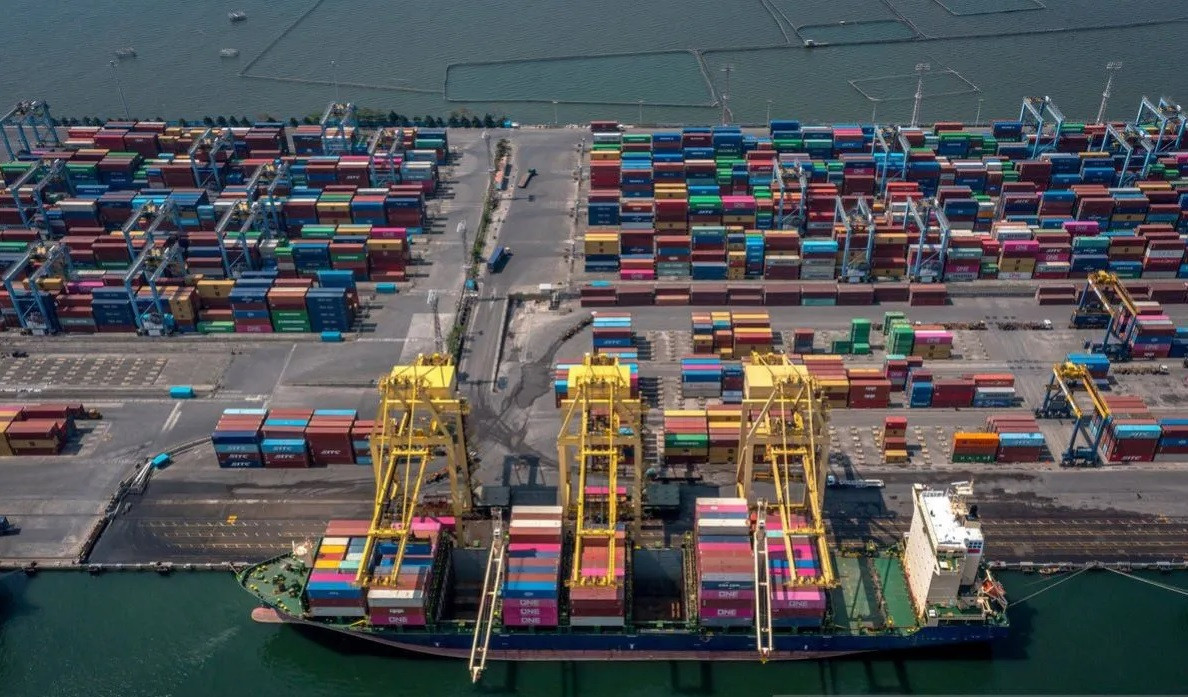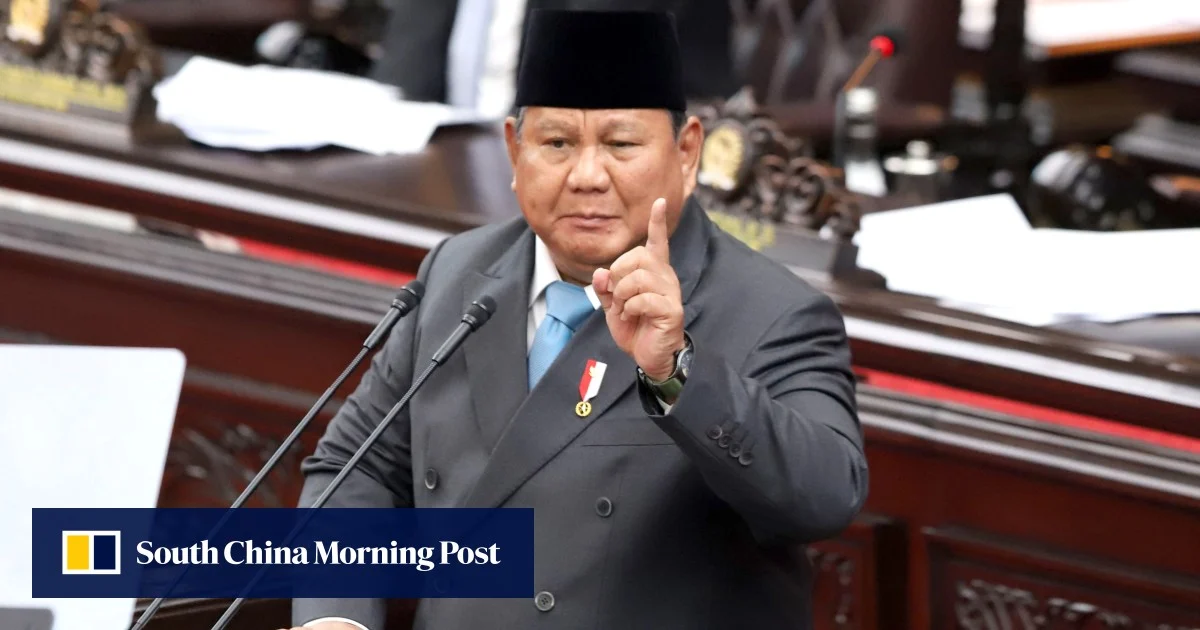
Indonesia lost nearly US$1 trillion in resource wealth over a 34-year period due to deceptive trade practices, President Prabowo Subianto declared in parliament on May 20.That same day, a set of new export controls was unveiled. Foreign-exchange earnings would be locked in Indonesian banks for a prescribed time limit and producers of coal, palm oil and ferroalloys would be required to route sales through a new state-owned enterprise.But barely had the ink dried on the new rules when talk of future exemptions began.Countries that had free-trade agreements with Indonesia, such as the United States, might eventually be spared the most stringent requirements, officials signalled. Nickel pig iron, which accounts for the lion’s share of Indonesia’s nickel exports, was left off the list entirely. Some palm oil derivatives too.Chief Economic Affairs Minister Airlangga Hartarto sought to clarify the rules on May 21, explaining that exporters from countries with reciprocal trade or bilateral agreements with Indonesia would be allowed to deposit just 30 per cent of their foreign-exchange proceeds in a non-state-owned bank for a minimum of three months.Most other non-oil-and-gas exporters, by contrast, must retain 100 per cent of their earnings in special accounts specifically within state-owned banks for 12 months. The upstream oil and gas sector, meanwhile, has been completely exempted from the Danantara centralised marketing framework – though it remains subject to the lighter 30 per cent retention rule for three months. Confused?
Chasing billions: Indonesia’s commodity export crackdown sows confusion
New export rules promise billions in recovered revenue, but analysts warn the ensuing chaos could cost more than the gains.
234 words~1 min read