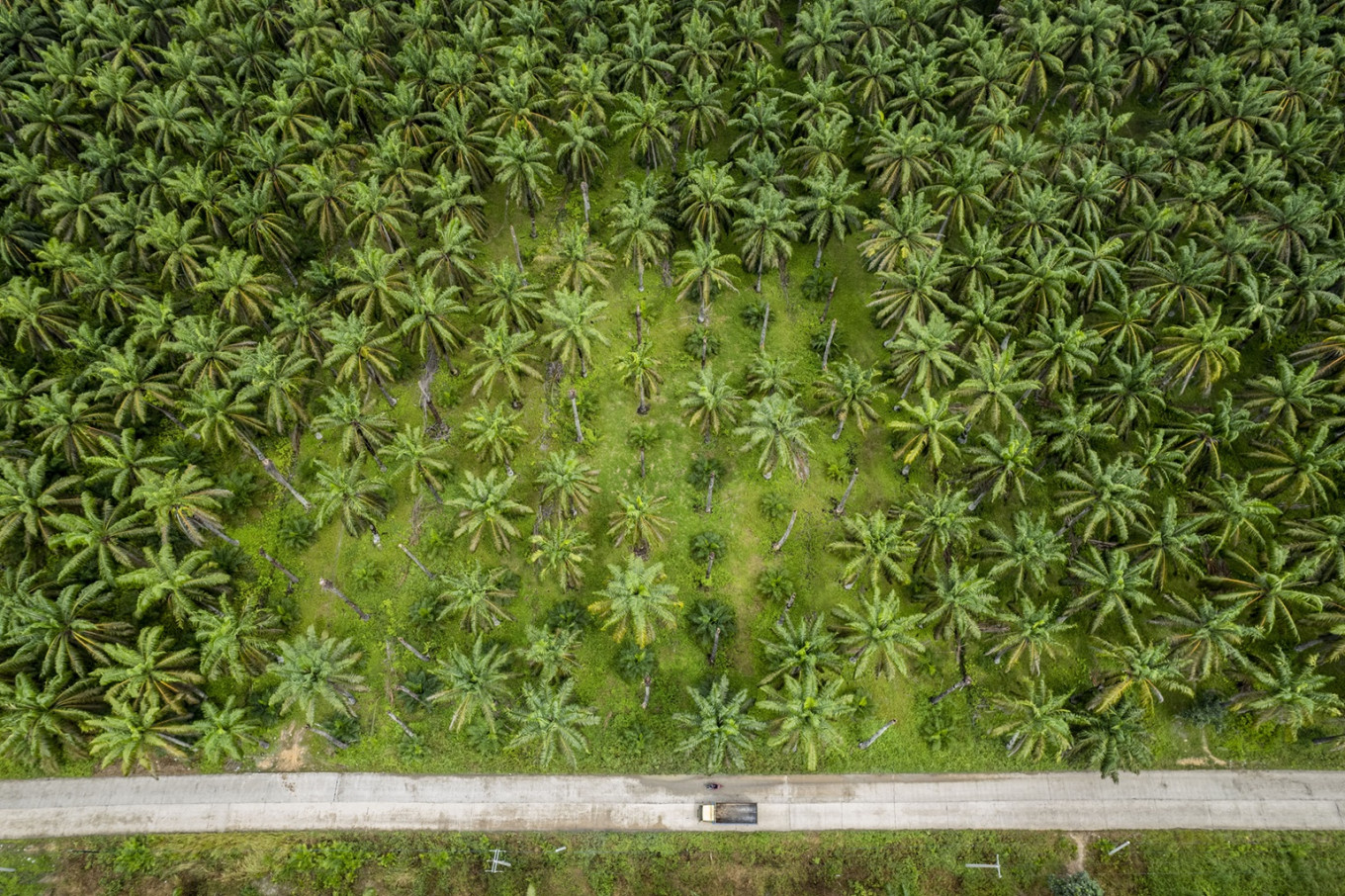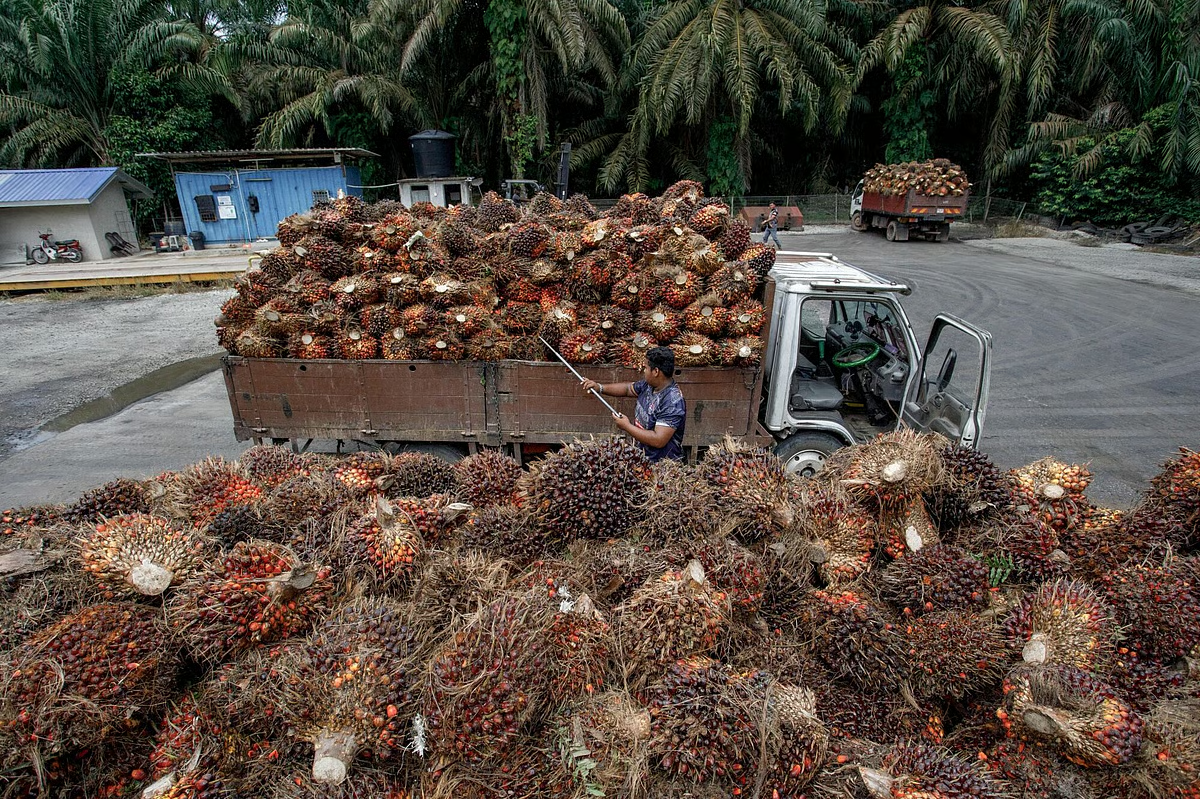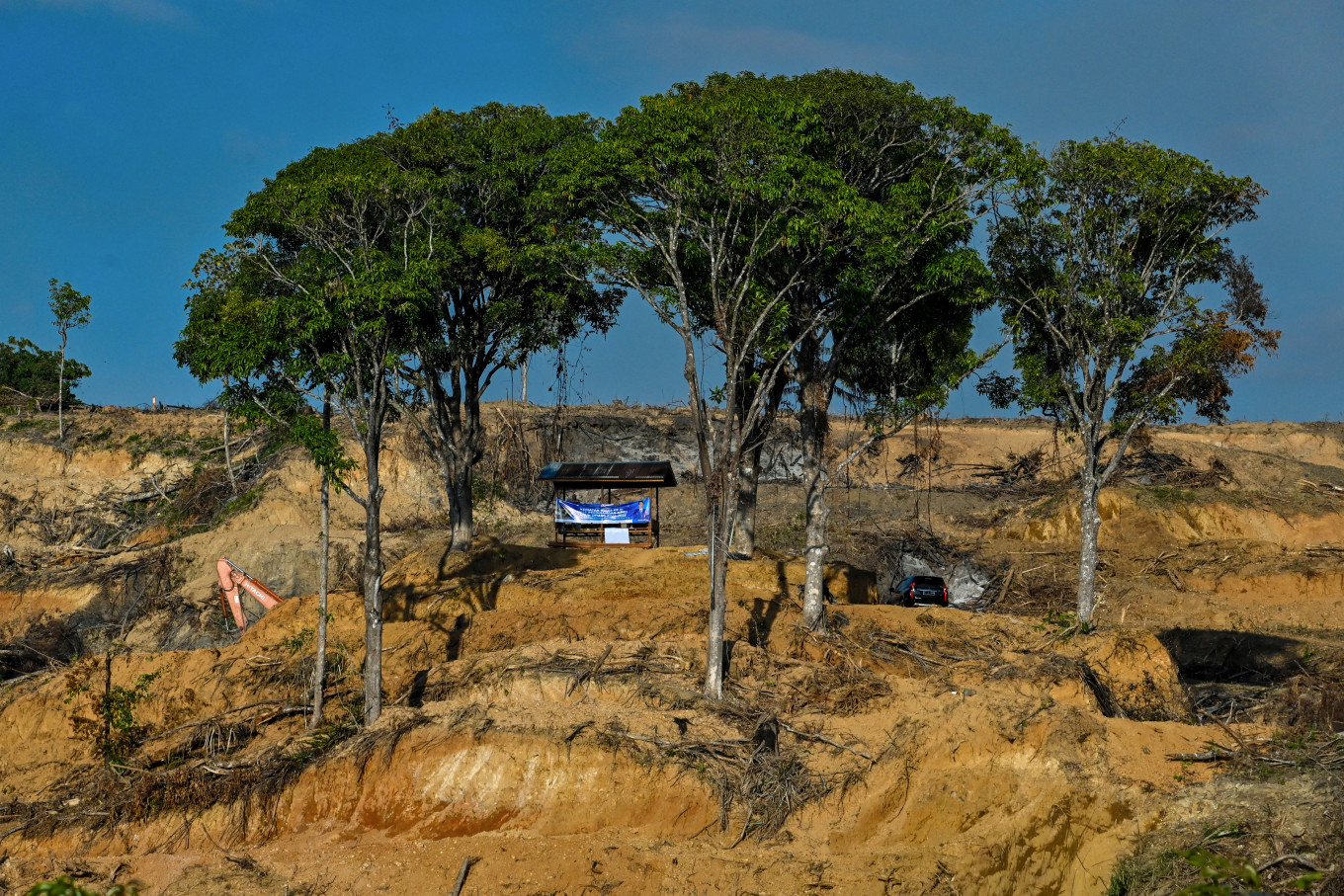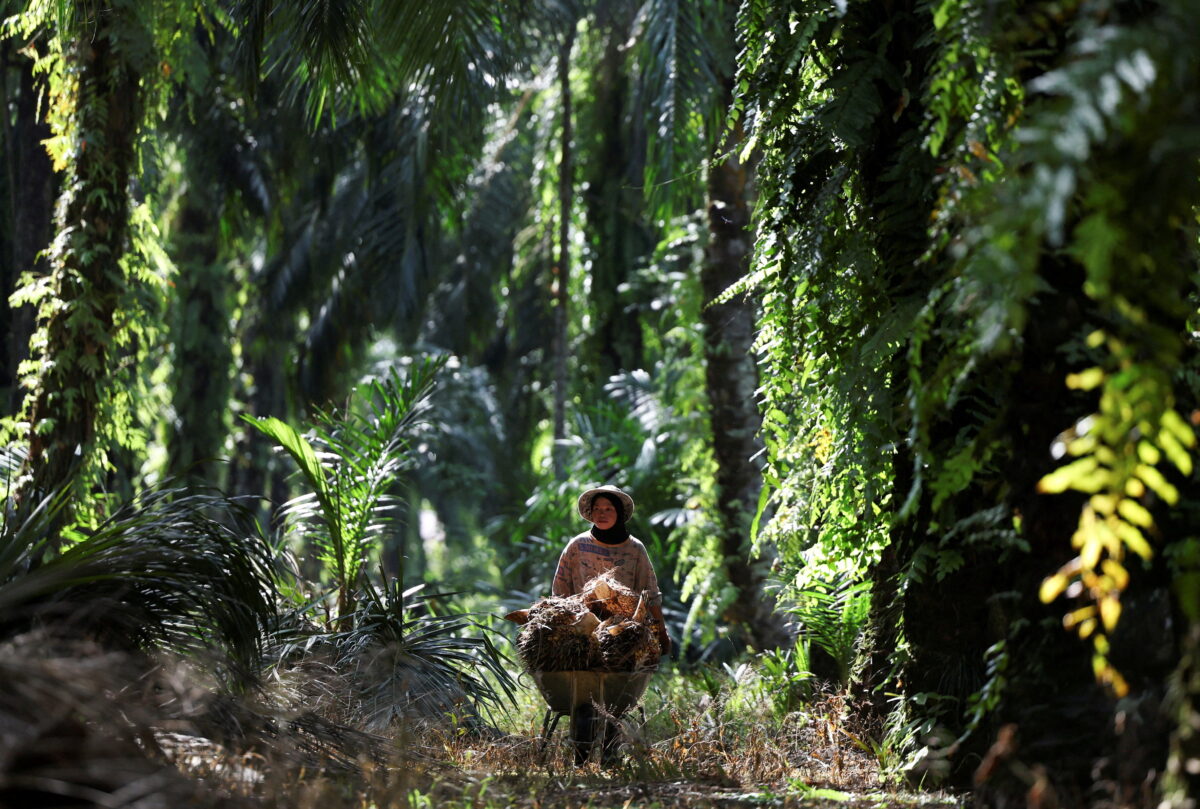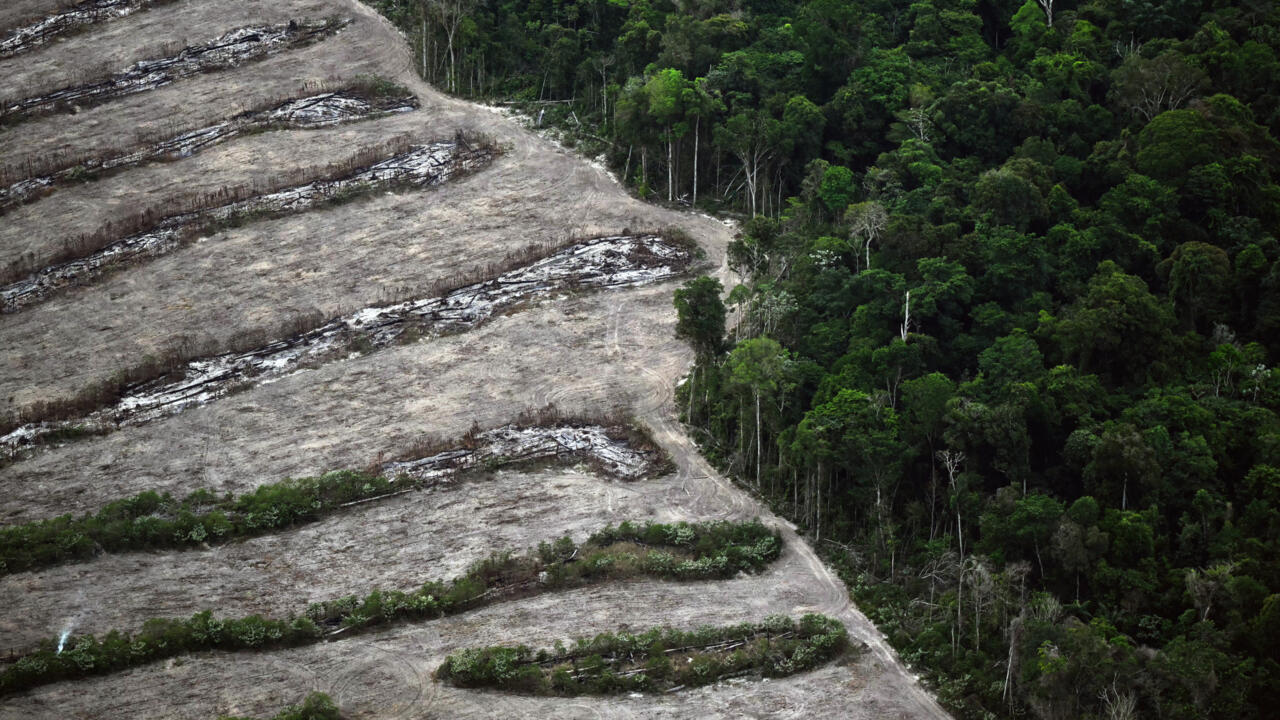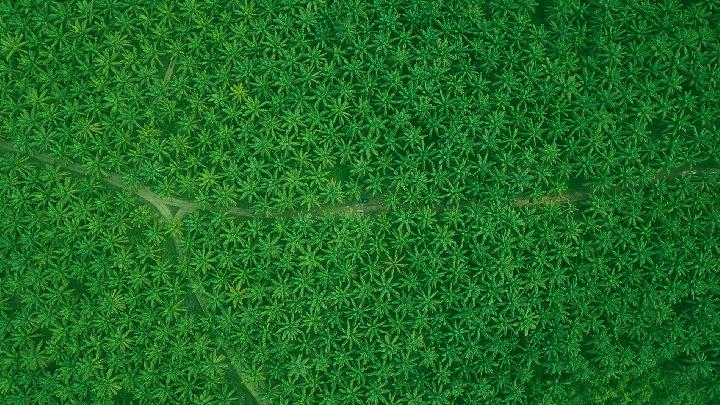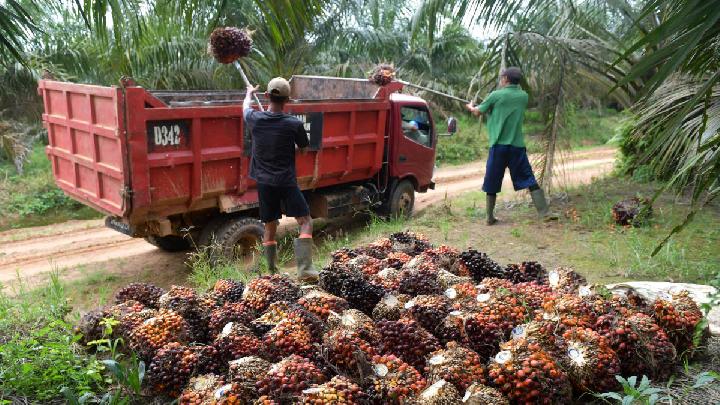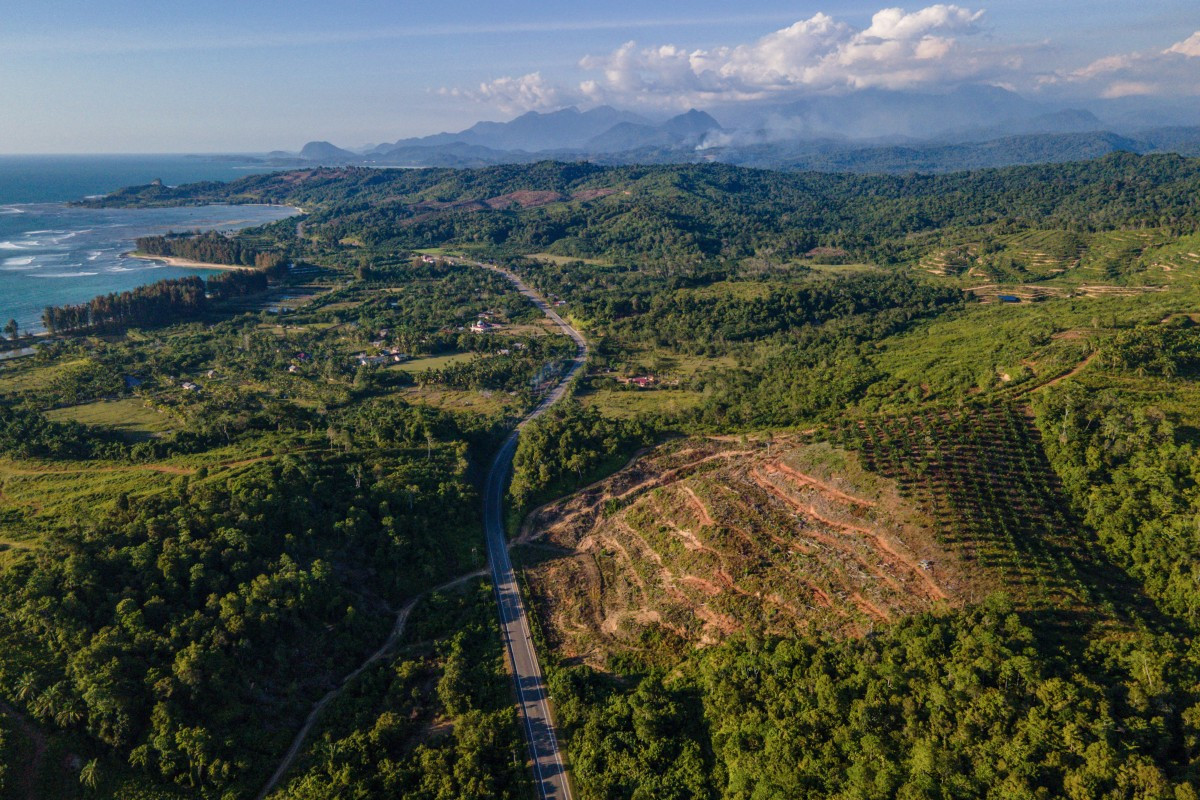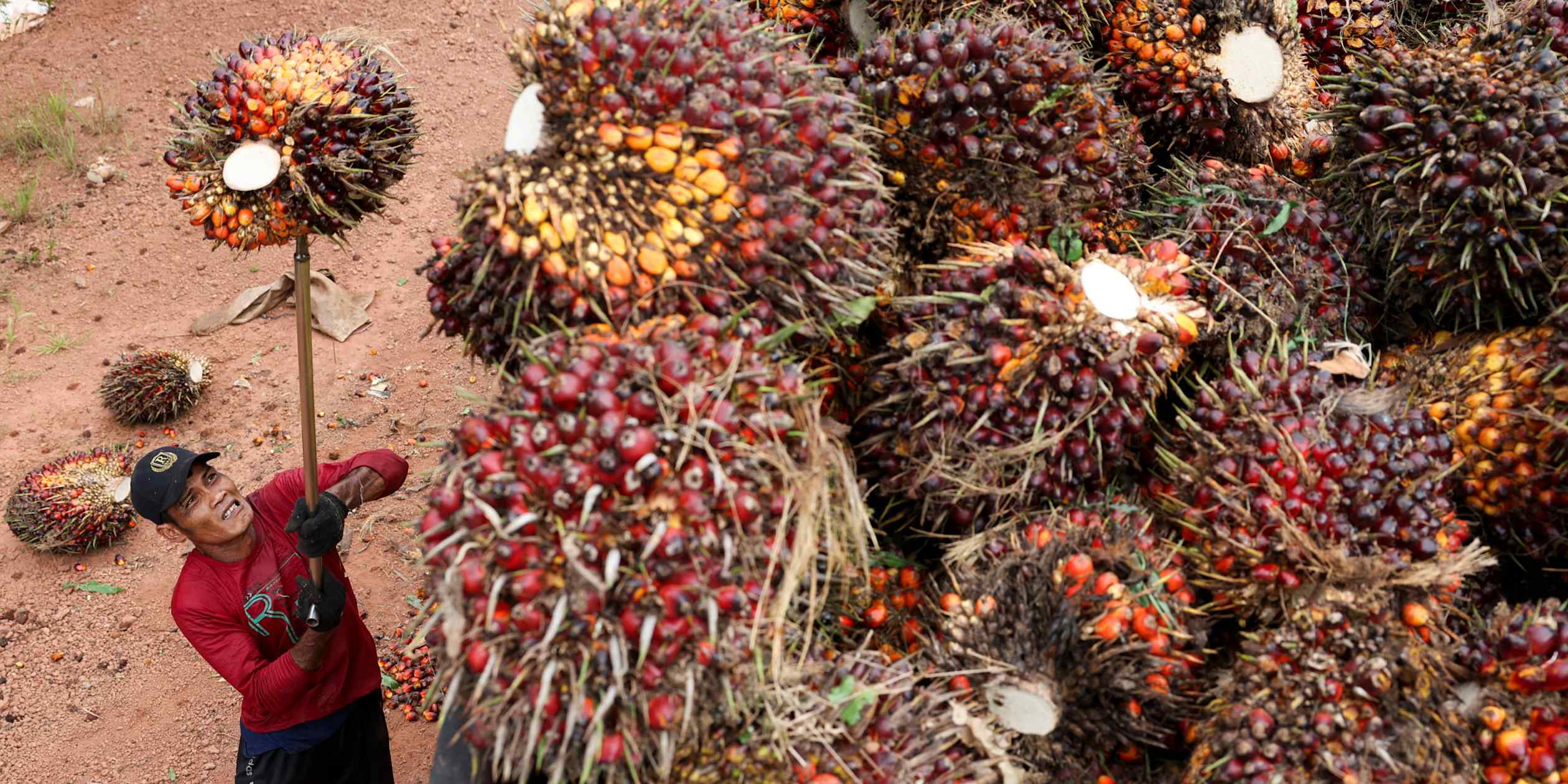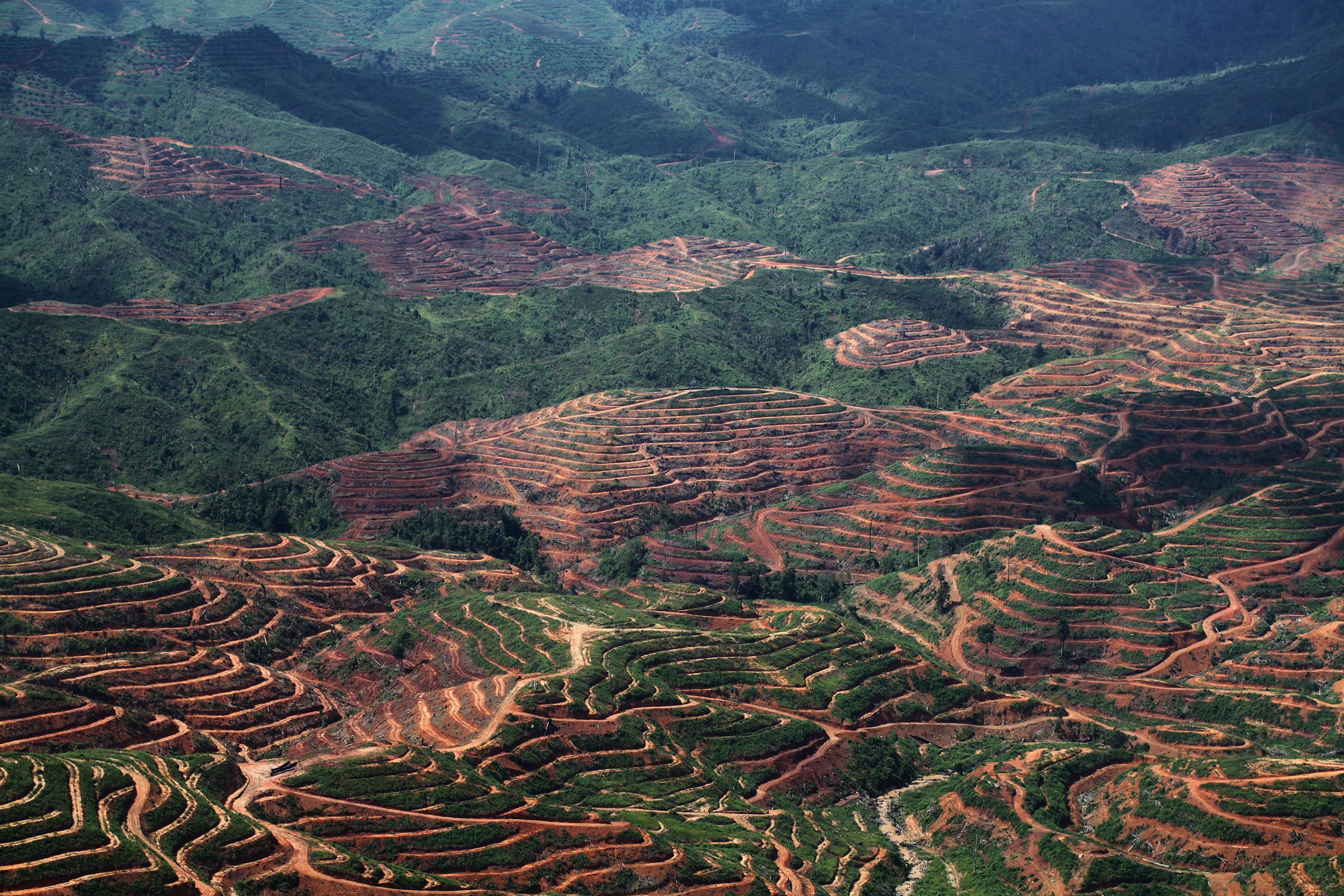
More than a decade after the palm oil industry adopted “No Deforestation, No Peat, No Exploitation” (NDPE) commitments, new satellite data show forest clearing for palm oil in Indonesia persists, with more than 31,000 hectares (nearly 77,000 acres) lost in 2025.Campaigners say deforestation increasingly slips through structural gaps in the system, including incomplete traceability, fragmented smallholder supply chains, and loopholes that allow companies linked to forest clearing to continue selling into supposedly deforestation-free markets.Investigators cite cases in Indonesia, the top producer of the commodity, as examples of how palm fruit from deforestation-linked plantations can still enter global supply chains through third-party mills and opaque ownership structures.Analysts warn these unresolved weaknesses could create major problems for compliance with the European Union Deforestation Regulation (EUDR), which will require firms to prove commodities sold in the EU are not linked to recent deforestation.
JAKARTA — More than a decade after the palm oil industry embraced a pledge to not deforest, clear tropical peatlands, or use exploitative practices, policies to that end now cover most of the global palm oil trade, as major traders, refiners and consumer brands have pledged to keep deforestation-linked palm oil out of their supply chains.