Academia
If conservation areas are administratively interpreted as “unproductive land”, Indonesia risks engineering a policy contradiction of its own making.
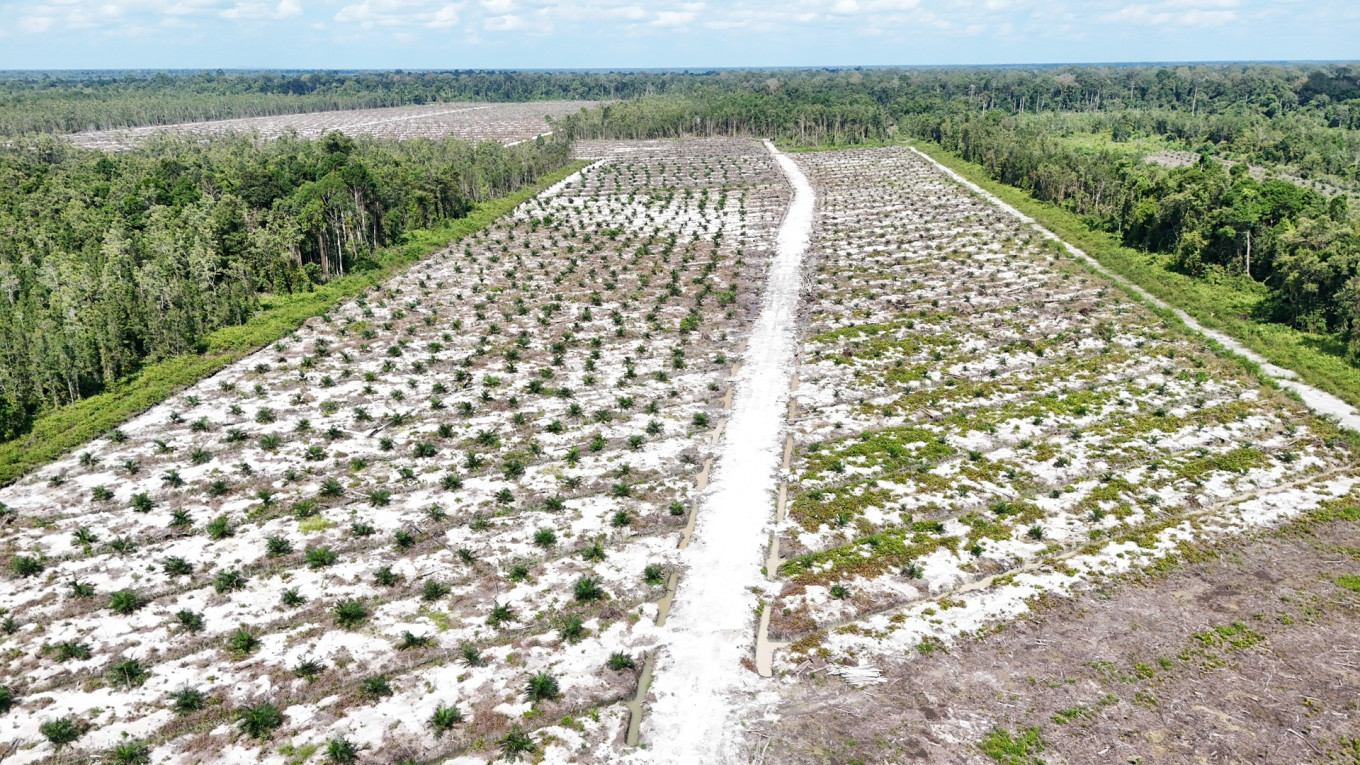
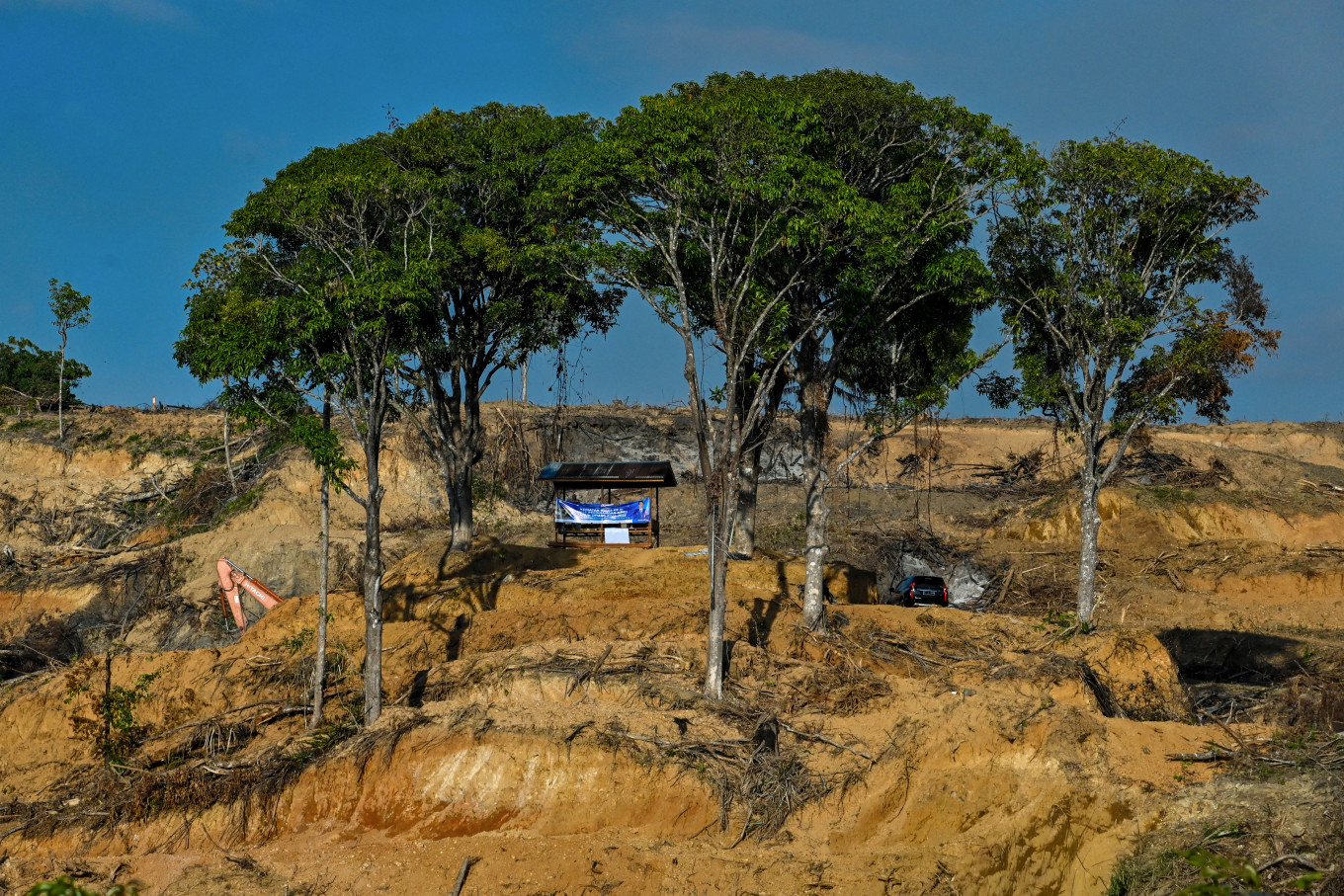
A bulldozed planting area for palm oil plantation is seen on Jan. 18 in Lamno, Aceh. (AFP/Chaideer Mahyuddin)
The government’s plan to tighten oversight of cultivation rights (HGU) and to reclaim land deemed “unproductive” has introduced a new layer of uncertainty to a sector that contributes more than US$30 billion annually in export earnings and supports roughly 16 million jobs, directly and indirectly.At face value, reclaiming or repossessing idle land is justifiable. No serious economist would argue that speculative hoarding or deliberate neglect should be tolerated. Underutilized land represents inefficiency.
The state has both the authority and obligation to ensure productive use of natural resources. The problem lies not in the intent of reform, but in its design, sequencing and ramifications. What is unfolding risks being perceived not as calibrated governance, but as regulatory improvisation.