Academia
By shifting the focus from rigid gross export receipts to true, economically retainable value, this analysis challenges the structural assumptions underlying Indonesia's aggressive 100 percent natural resource repatriation policy.
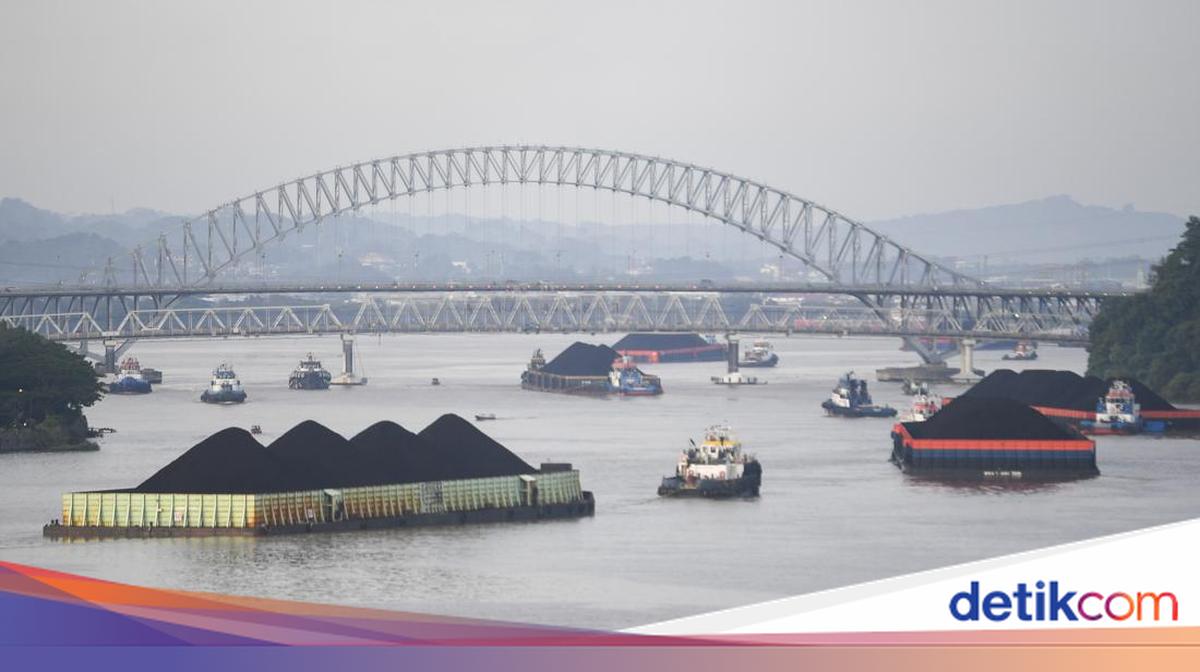
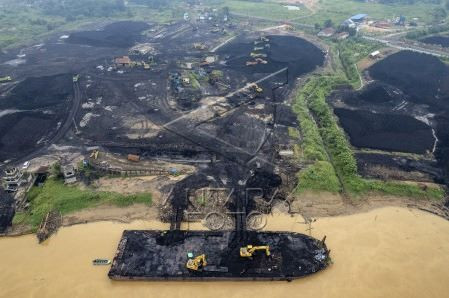
Excavators pile up coal on June 20, 2024 at a storage facility near the Batanghari River in Muaro Jambi regency, Jambi. (Antara/Wahdi Septiawan)
The government’s latest policy requiring 100 percent retention of Natural Resource Export Proceeds (DHE SDA) has been widely justified on macroeconomic grounds. Effective June 1, exporters of Indonesia's natural resources are required to repatriate 100 percent of their export proceeds into the domestic financial system.For non-oil-and-gas sectors, the funds must be held in a special domestic account for a minimum of 12 months, while oil-and-gas exporters must retain at least 30 percent of their proceeds domestically for at least three months. These funds are generally placed through Himbara (state-owned) banks, with foreign-currency-to-rupiah conversion capped at 50 percent. However, exporters operating under bilateral or free trade agreements are permitted to place up to 30 percent of their DHE in non-Himbara institutions.