May 28, 2026 | 05:46 pm
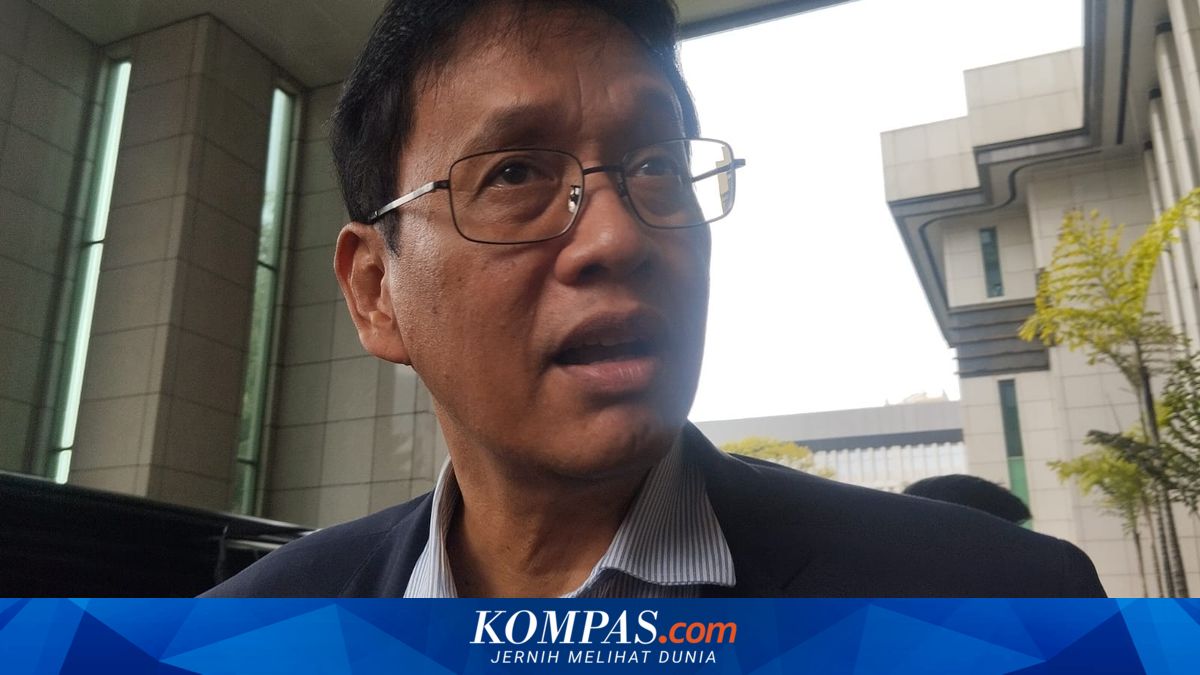
TEMPO.CO, Jakarta - Researcher at the Center of Reform on Economics (CORE) Indonesia, Yusuf Rendy Manilet, assessed that Changes to the Export Proceeds Exchange (DHE) rules for natural resources might not automatically strengthen the country's foreign exchange reserves. He explained that foreign exchange placed in state banks' special accounts still belongs to exporters and does not automatically become part of Indonesia's foreign exchange reserves.Yusuf pointed out that while the DHE does increase the supply of dollars in the domestic banking system, it does not necessarily enter Bank Indonesia's foreign exchange reserves unless it is converted or transacted with the central bank. He stated, "In other words, the policy's impact should more accurately be seen as strengthening domestic foreign currency liquidity and deepening the dollar market within the country, rather than directly multiplying the foreign exchange reserves," said Yusuf on Wednesday, May 26, 2026.According to Yusuf, the DHE policy acts as an additional defense layer for the rupiah. However, he emphasized that the rule cannot replace the need to address larger issues such as improving the trade balance quality, capital flows, and the government's fiscal credibility.Meanwhile, Finance Minister Purbaya Yudhi Sadewa believed that the new DHE regulations could increase Indonesia's foreign exchange reserves. He stated, "It is a very bold decision and I think it is good for us because previously the DHE was placed in any bank in Indonesia as long as it was in rupiah. But it turns out our foreign exchange reserves did not increase," said Purbaya during the Jogja Financial Festival event broadcasted live on the Lembaga Penjamin Simpanan's YouTube channel on Friday, May 22, 2026.According to Purbaya, until now, entrepreneurs tend to exchange their money into rupiah, deposit it in small banks, and then transfer it abroad. Consequently, despite the trade surplus, Indonesia's foreign exchange reserves did not increase.Starting June 1, 2026, exporters will be required to place their foreign exchange in state-owned banks under the new rules. The oil and gas industry must retain 30 percent for three months, while the non-oil and gas industry must retain 100 percent for 12 months. The government has also changed the conversion limit of foreign exchange proceeds to rupiah from 100 percent to 50 percent.Read: A Sudden MonopolyClick here to get the latest news updates from Tempo on Google News