Regulations
The new policy signals a shift toward tighter state control over trade, and experts warn that, if not implemented carefully, it could undermine the goal stated by the government, which is to boost state revenue collection by preventing invoicing fraud.
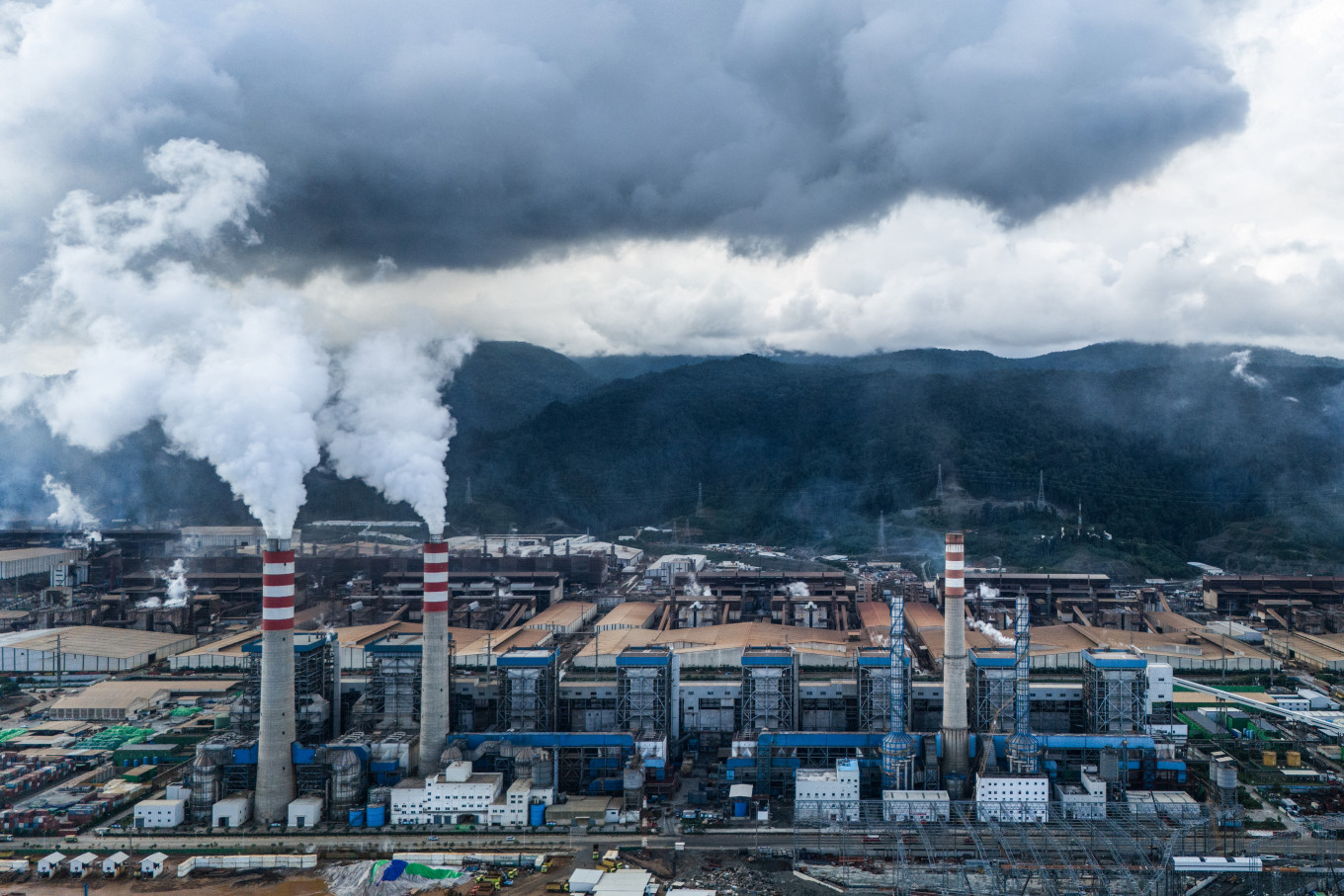
Nickel smelters spew emissions into the air on July 7, 2024, above the Indonesia Weda Bay Industrial Park in Lelilef, North Maluku. (AFP/Azzam Risqullah)
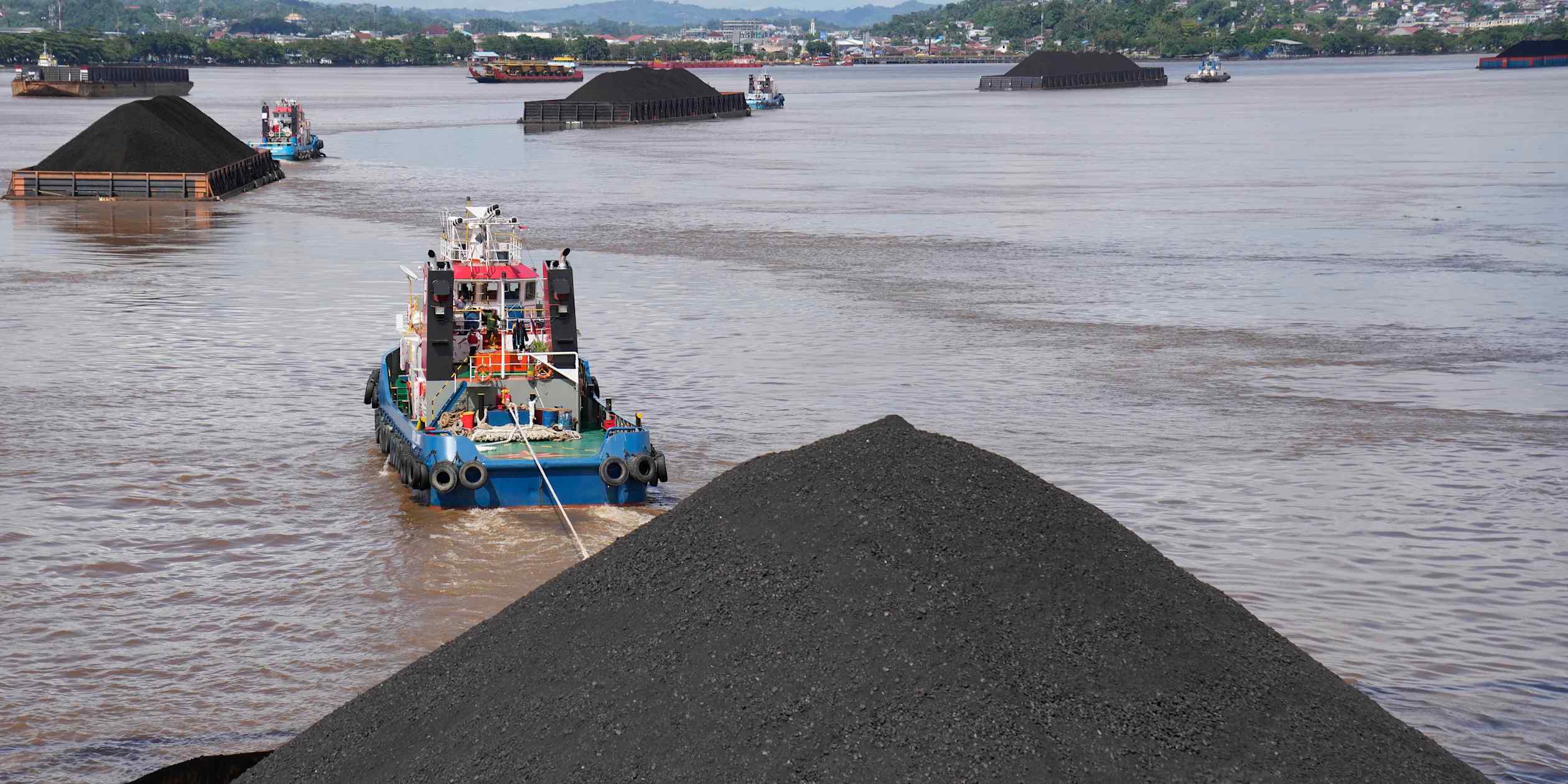
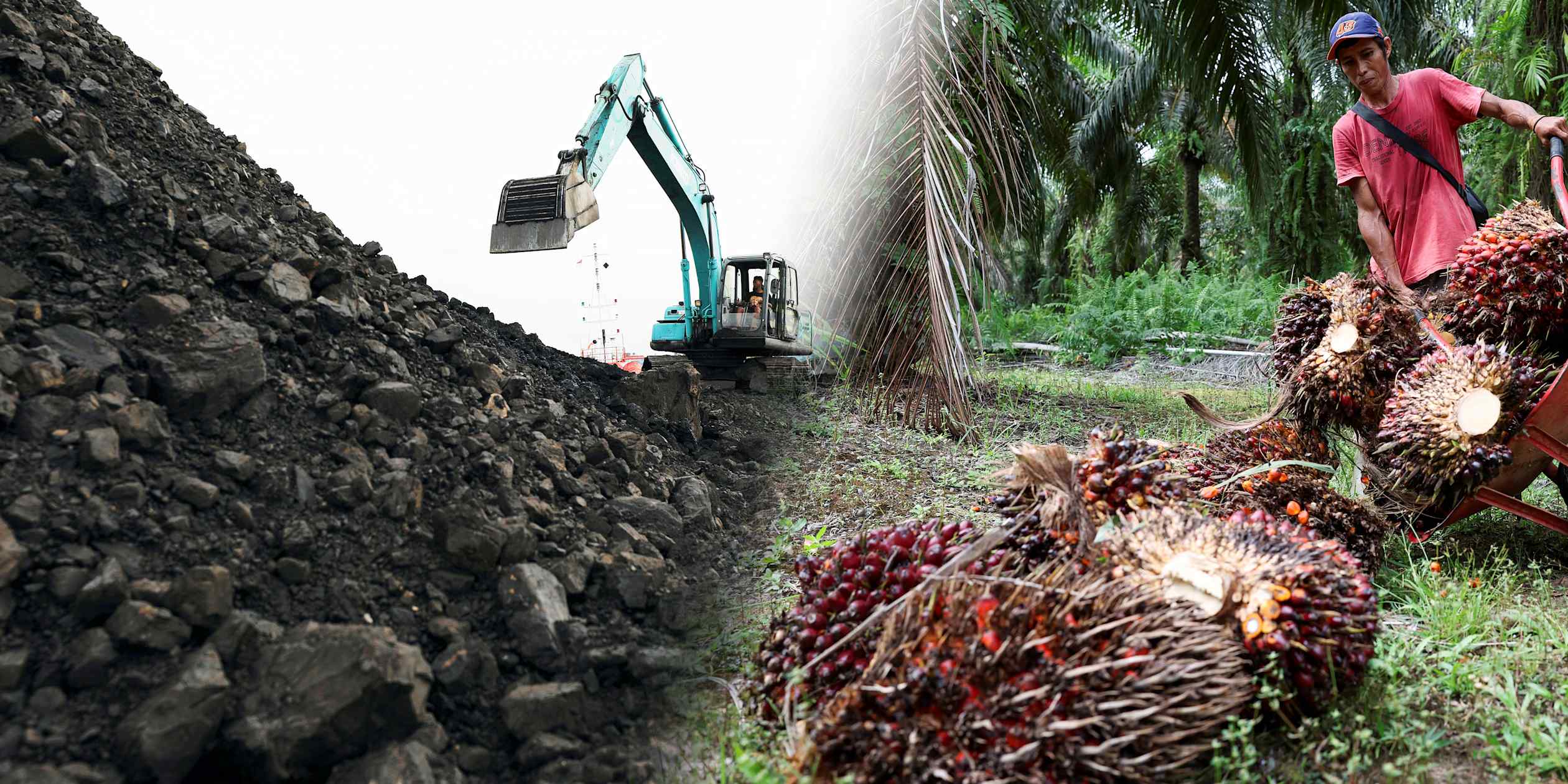
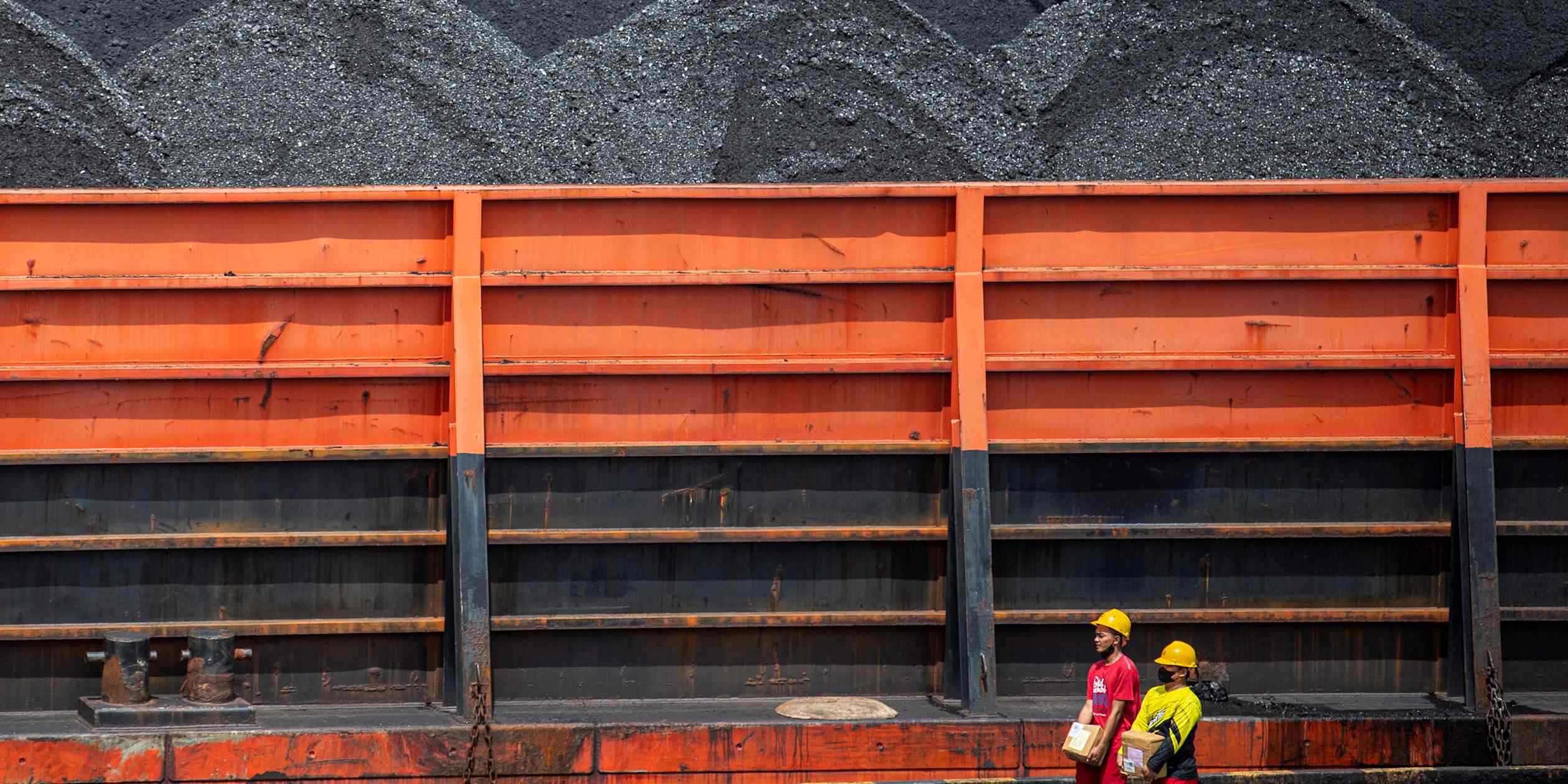
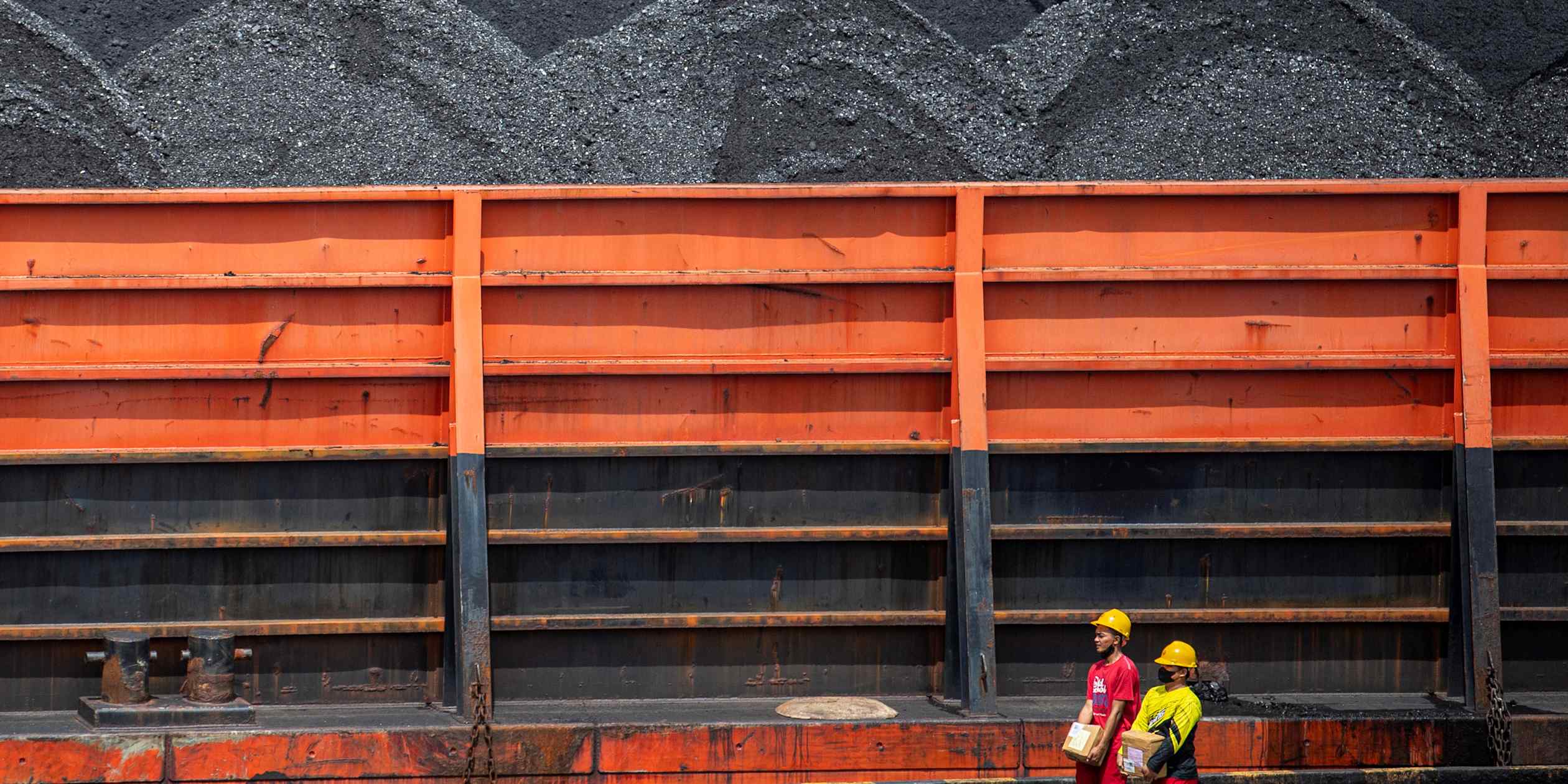
A government plan to centralize key commodity exports through a state-owned enterprise (SOE) in a bid to increase state revenue carries execution risks, businesses warn, raising concerns over trade arrangements and buyer confidence.“For coal, this is not a simple shift. There are existing contracts, permits, documentation, shipping schedules and legal responsibilities already in place,” Indonesian Coal Mining Association (APBI) executive director Gita Mahyarani told The Jakarta Post on Thursday.
Coal exports involve multiple players across the supply chain, from producers, transportation and sales permit holders to traders, overseas buyers, banks, surveyors, shippers, ports and regulators, she said, adding that businesses are seeking clarity on the newly established SOE’s role in the export chain and how transactions would be handled.