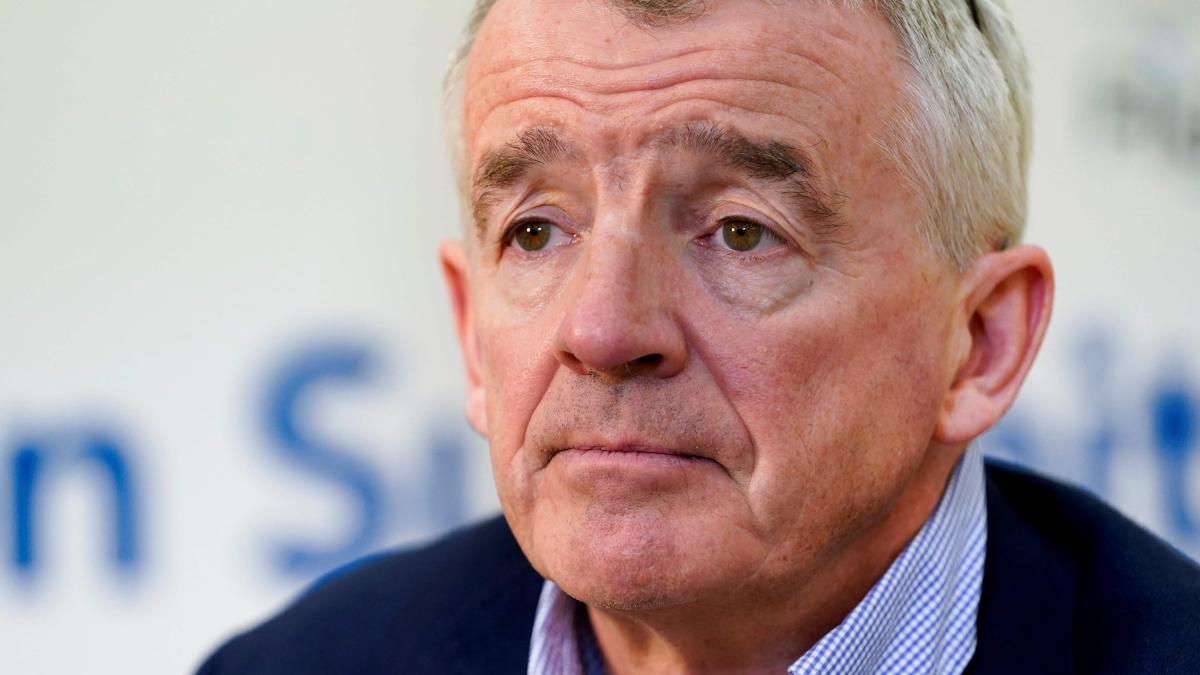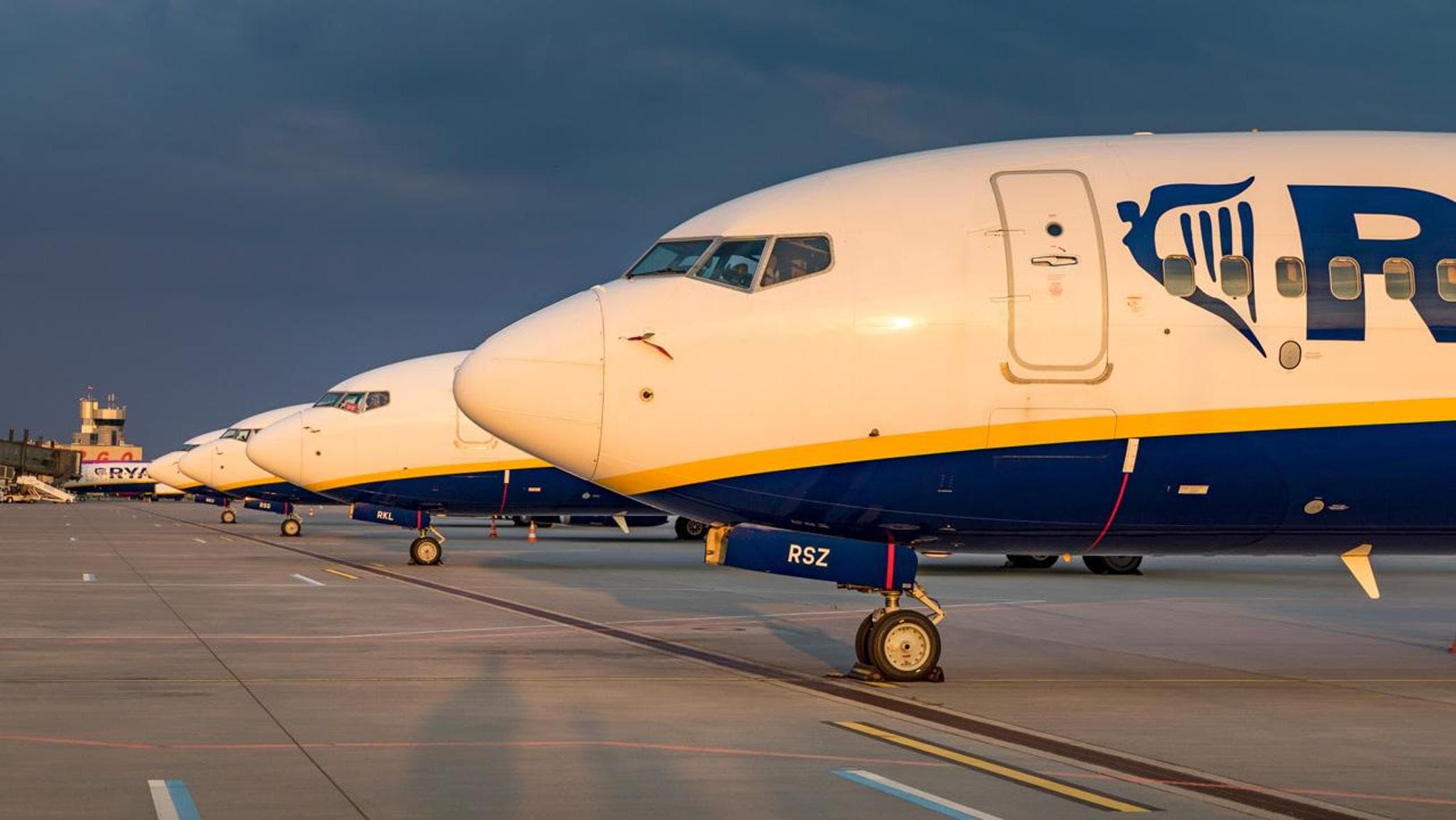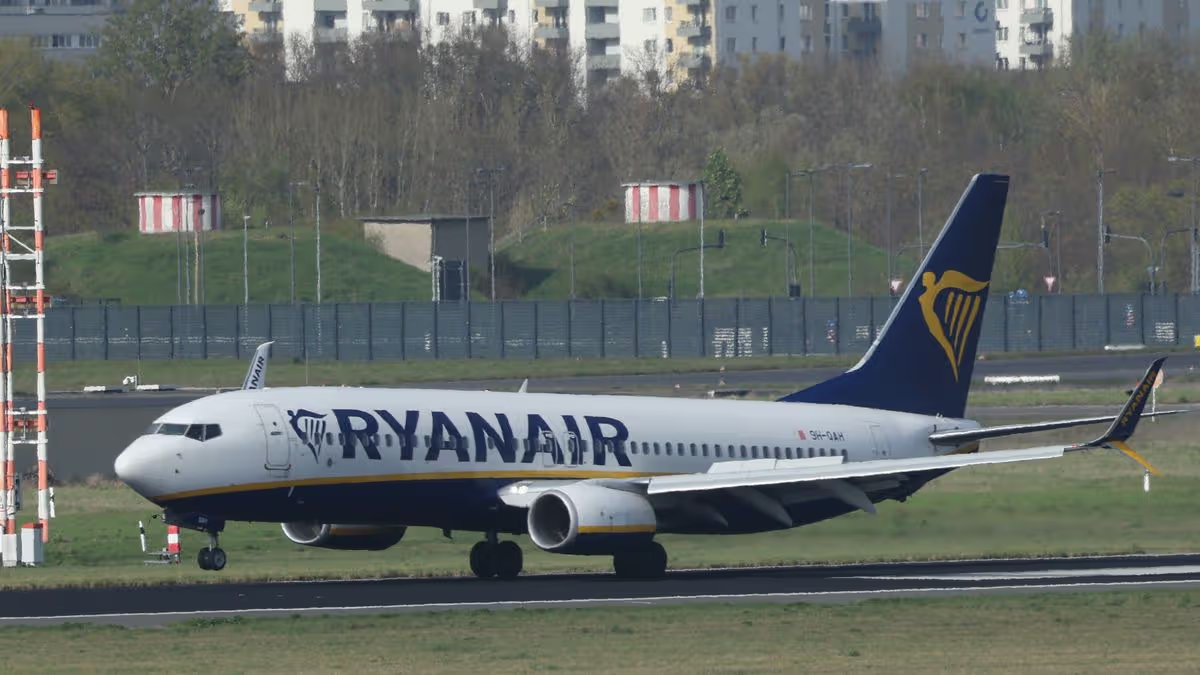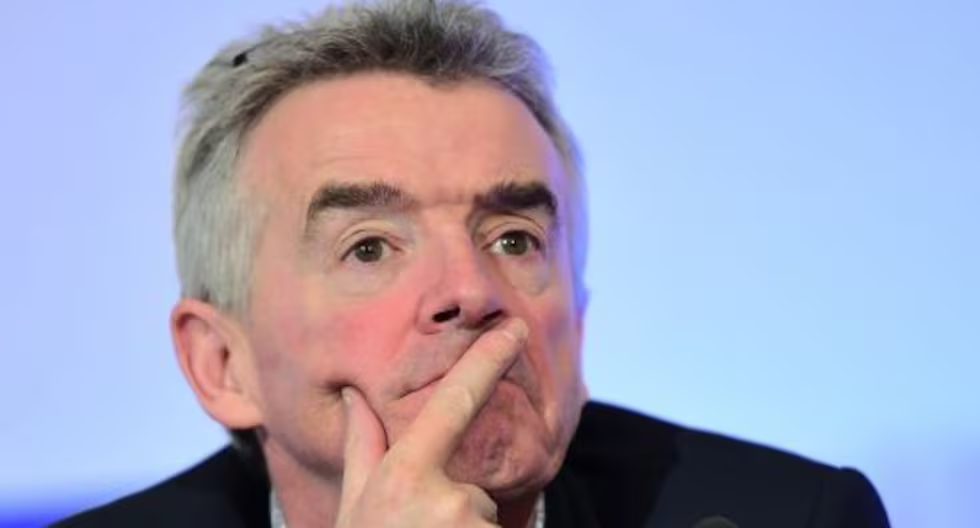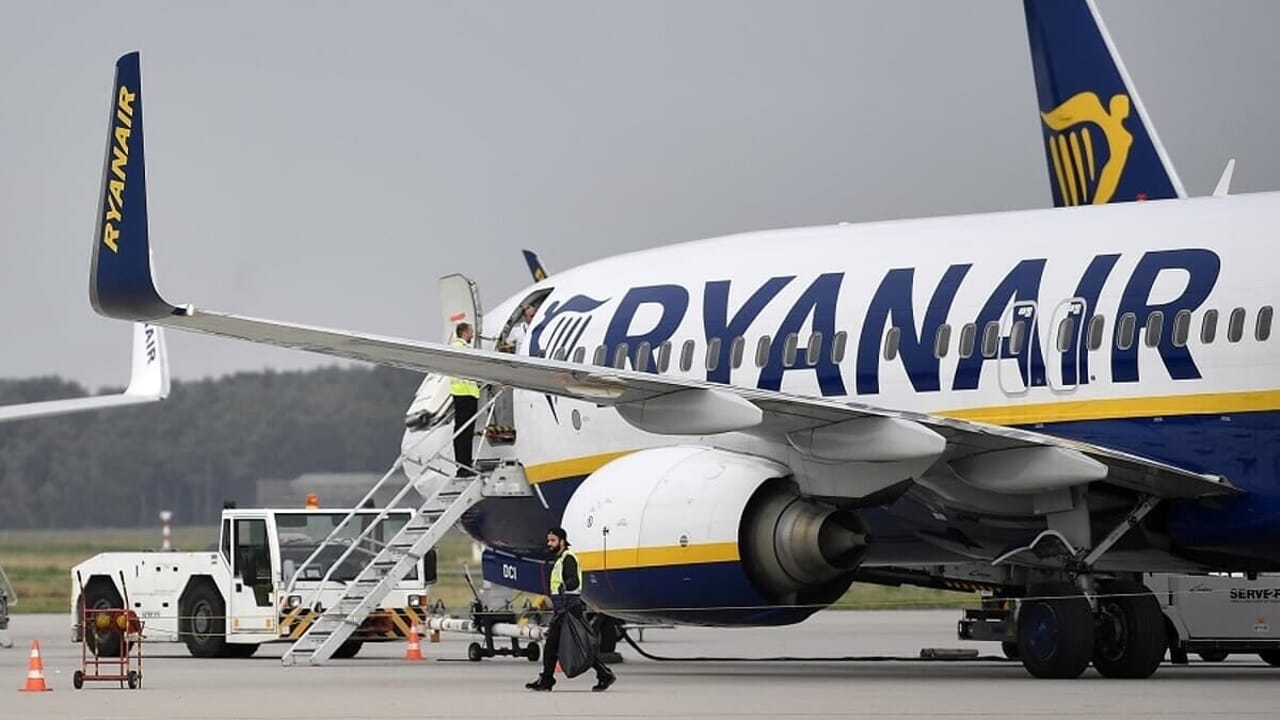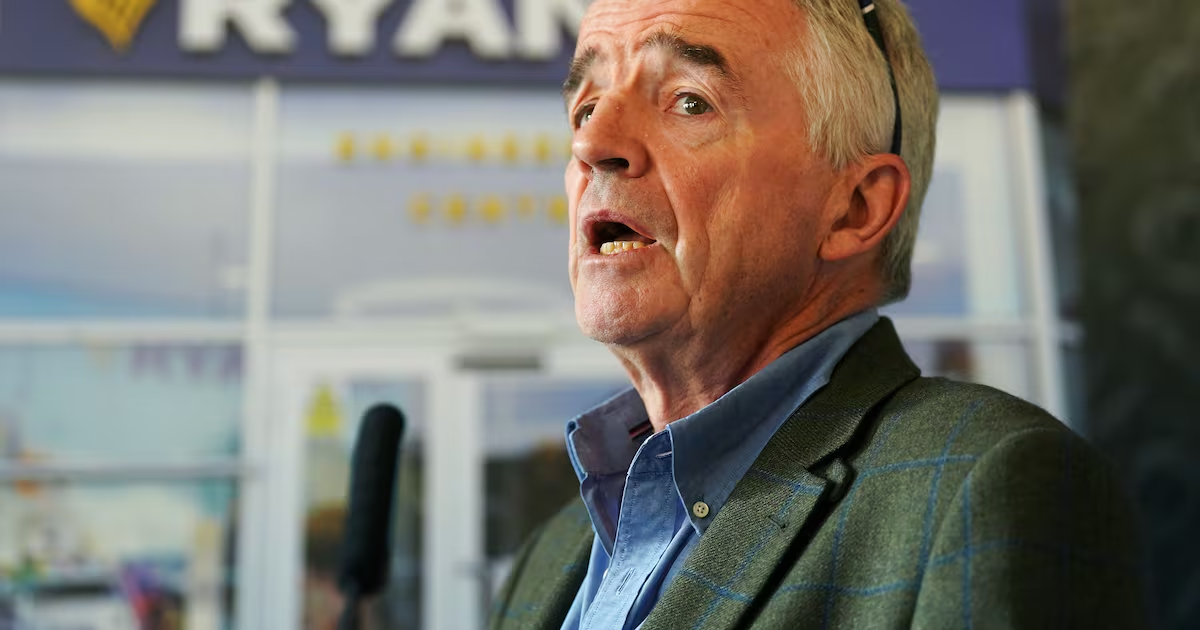
“Ryanair: It’s a bargain,” said Bank of America (BofA) after the airline’s latest results. Investors appeared less convinced, sending shares lower amid concerns over weaker summer fares, rising fuel costs and what Ryanair called “customer nervousness”.One person who agrees with BofA is Michael O’Leary. Ryanair’s earnings call came with the CEO’s usual flourishes – criticism of the Irish Government (“useless”), of Ursula von der Leyen (“dullard”), of Dublin Airport bosses (“morons”, “dumbos”, “idiots”) and the familiar suggestion that competitors are “flaky”.However, the occasional rant didn’t hide O’Leary’s bullish mood. If unhedged oil prices stay higher for longer, profitability could see a “slight dip”, but “not anything that reflects the recent 20 to 25 per cent” share price decline.“You guys today can buy all this incredible advantage at, I don’t know, €22-€23 a share,” he said. “I don’t want to hear anybody telling me for the next two or three years, ‘Oh, I wish we’d bought it the last time there was a dip’. Here’s the dip.”Ryanair shares have certainly dipped, but the financials remain strong for now, with profits up 40 per cent to €2.26 billion. And consumers’ current mood aside, O’Leary still expects passenger numbers, currently 208 million, to hit 300 million by 2034.The year 2034 might be a bit too far away for analysts, several of whom trimmed near-term earnings and share-price forecasts, but they broadly shared O’Leary’s optimism. Morningstar pointed to Ryanair’s “structurally advantaged” position, backed by a strong balance sheet, 80 per cent fuel hedging for 2027 and limited industry capacity. BofA pointed to valuation, noting shares trade at 12.5 times 2027 earnings. That’s in line with historical norms, so the “bargain” label is arguably overstated, but BofA sees Ryanair’s current valuation as “unjustified” given market share and earnings growth.Like O’Leary, then, many analysts argue the fuel price spike will disproportionately hurt weaker, less well-hedged rivals, leaving Ryanair relatively advantaged. O’Leary, for his part, says he remains “one of life’s optimists”, expecting Middle East tensions to ease within one to two months, bringing lower oil prices and a rebound in bookings.For now, energy prices rather than earnings are driving the stock, as shown by its rebound after a sharp fall in oil, reinforcing the “buy the dip” narrative that both O’Leary and some analysts are edging towards.
Are Ryanair’s shares a ‘bargain’ as some analysts suggest?
Airline and analysts think it is well placed in longer term compared to rivals despite 25% slump in share price
381 words~2 min read