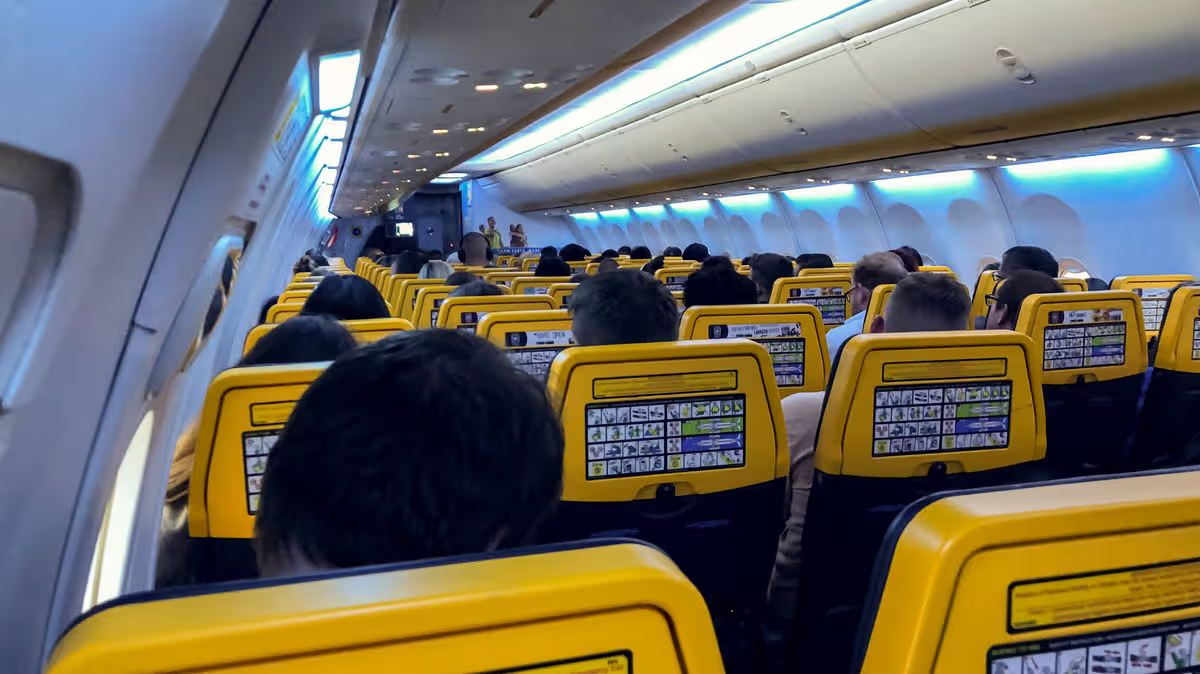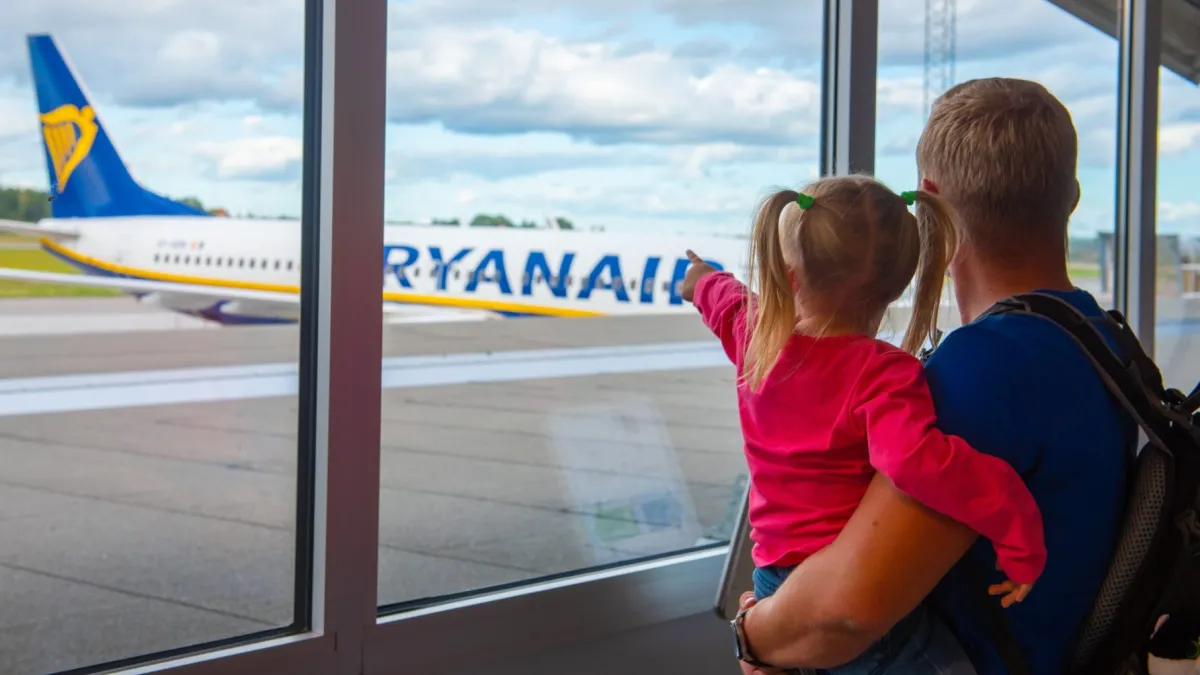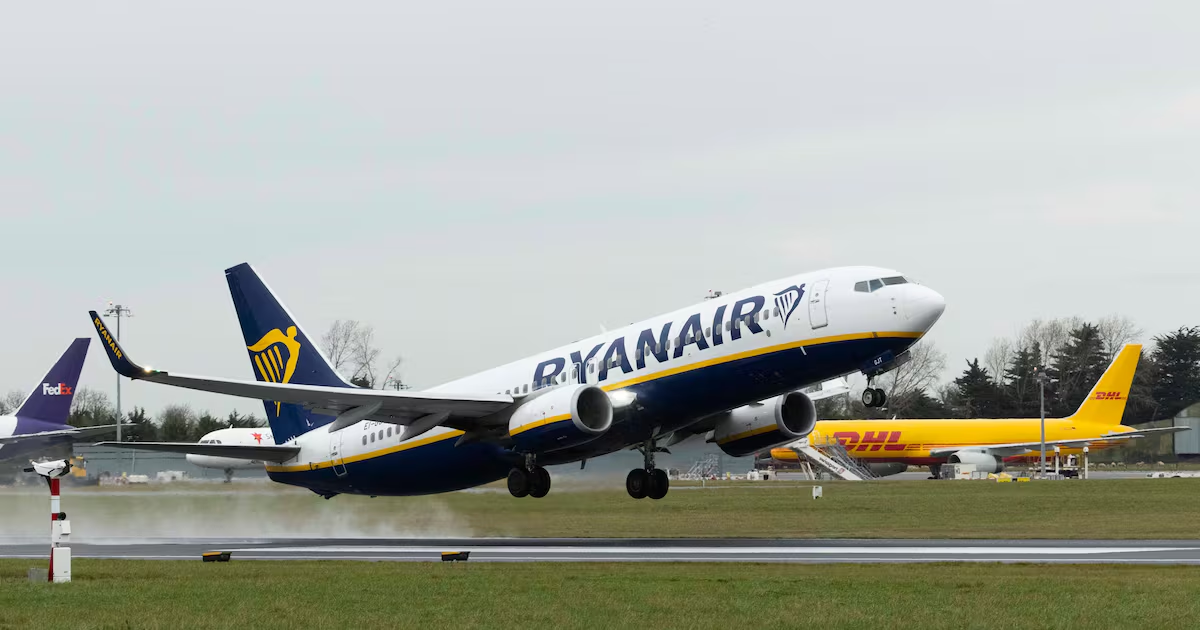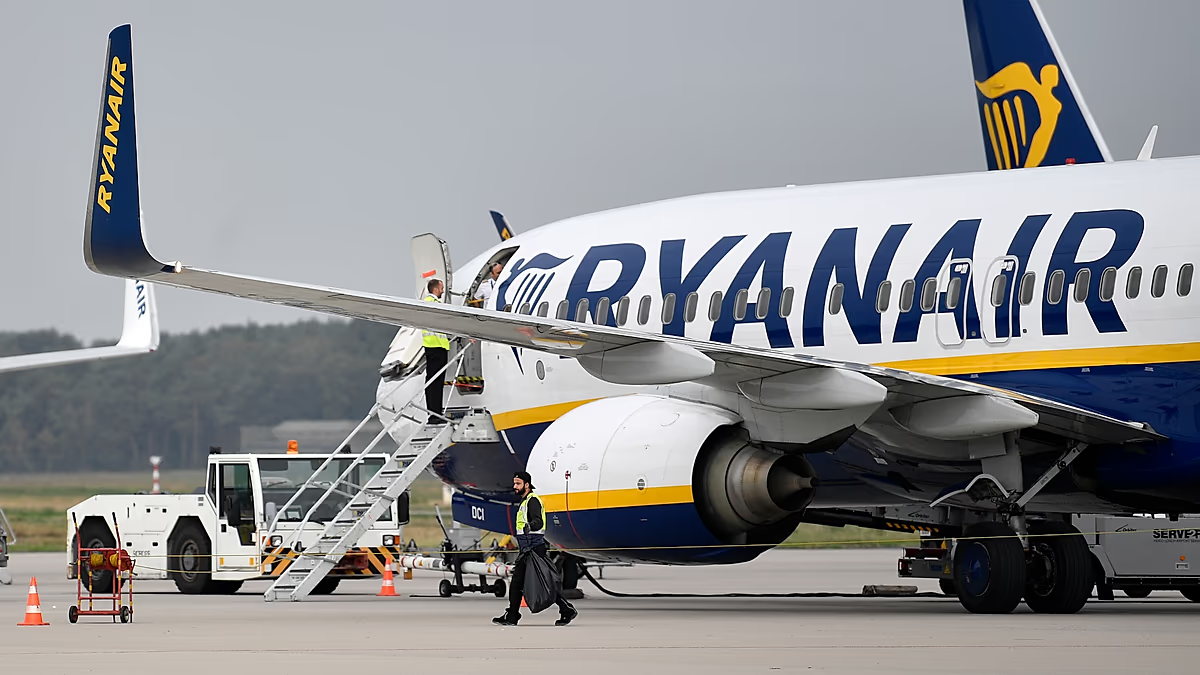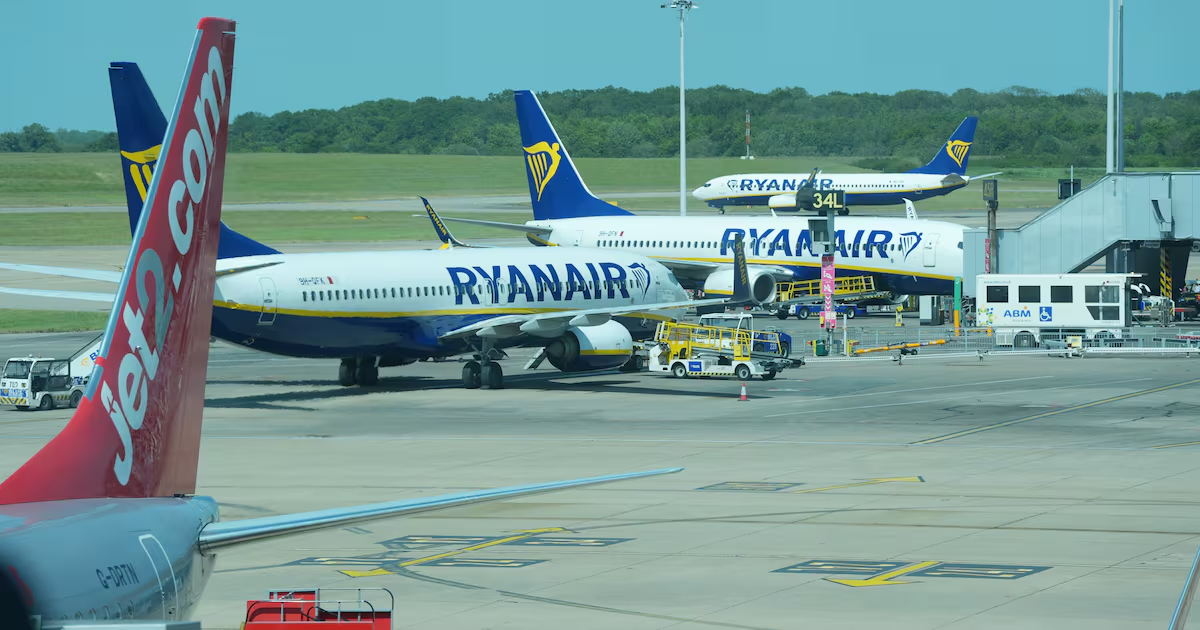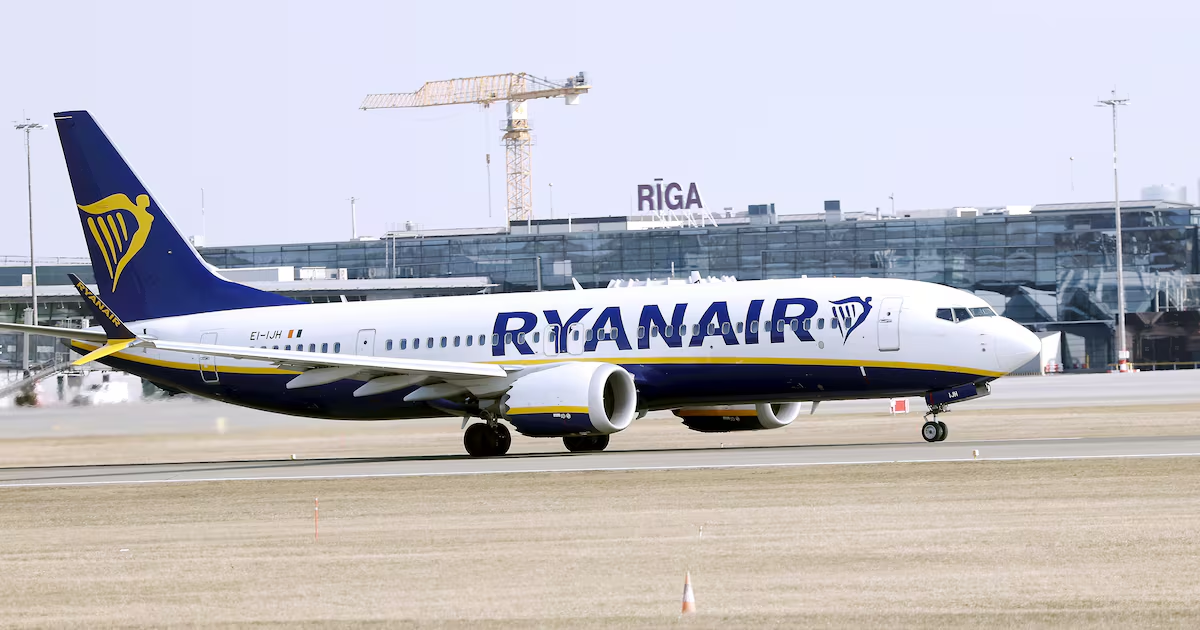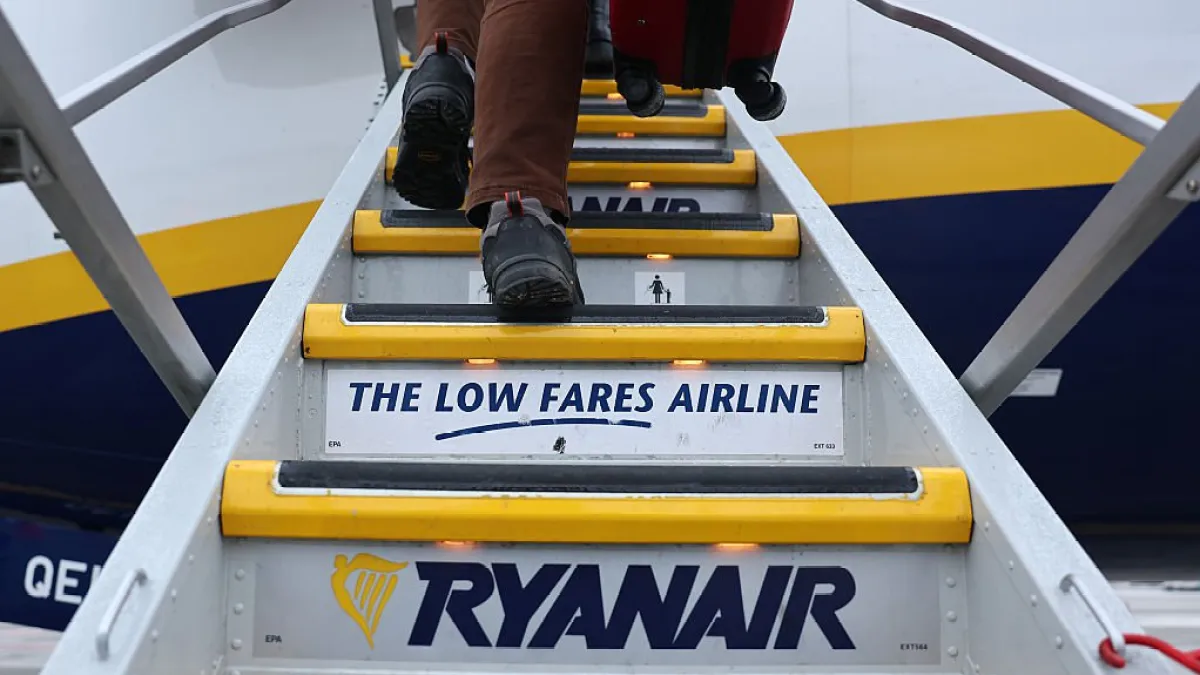
One of the world’s most divisive airlines, Ryanair is also one of the largest – the ultra-low cost carrier recorded more than 208 million passengers in the year ending March 2026. This represents a 4 per cent increase on the previous year – passenger numbers continue to grow, despite the controversy the airline generates.
The Competition and Markets Authority (CMA) is currently investigating Ryanair over mandatory fees that parents must pay to sit with their children on its flights, a charge of around £8. The CMA will determine whether this is unfair under consumer law, an investigation that Ryanair deems as “bogus”.
The airline’s business model is built around stripped-back service and what it claims are the lowest fares in Europe, “making travel affordable for everyone”. At the start of this year, Ryanair’s average one-way fare was €44 (£38), although you can pay as little as £30 for a return from London Stansted to Barcelona this July.
Shorts
Those cheap fares are only available if you’re prepared to fly light. Like other ultra low-cost carriers, Ryanair makes a tidy profit from ancillaries – €4.99bn (£4.31bn) in the last financial year, which equates to €24 (£21) per passenger, up by 6 per cent on the previous year.