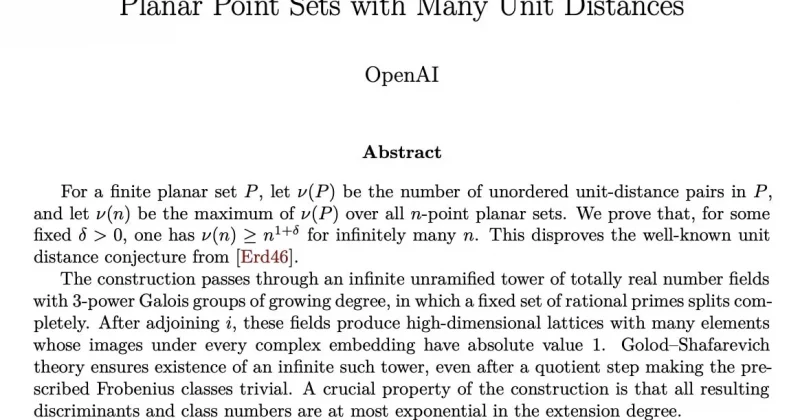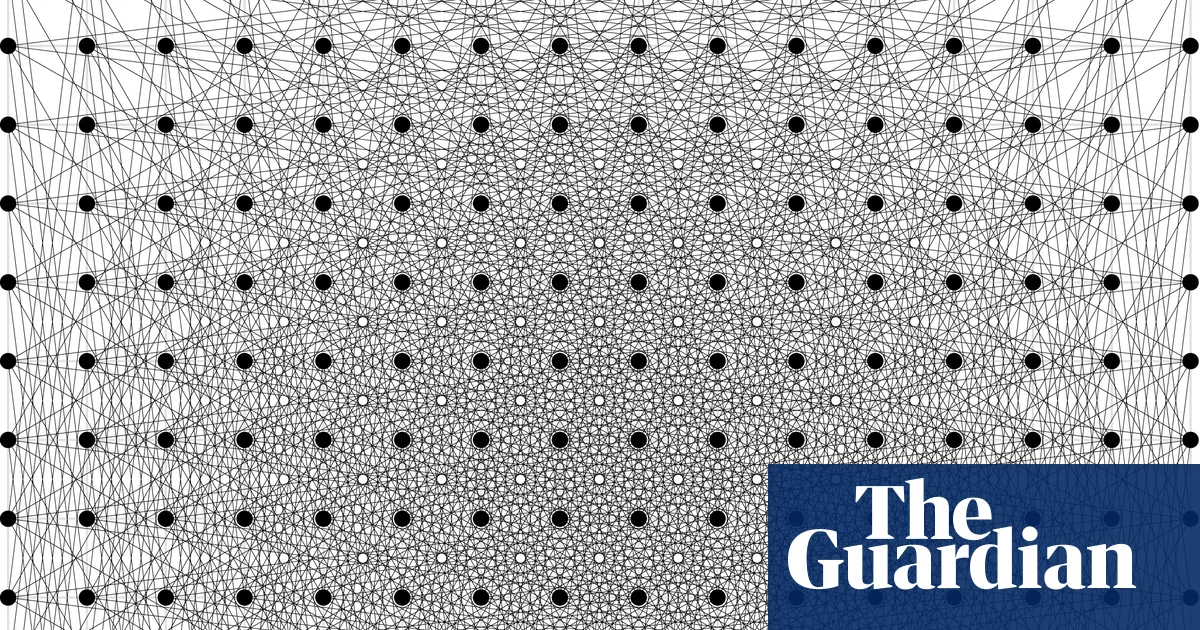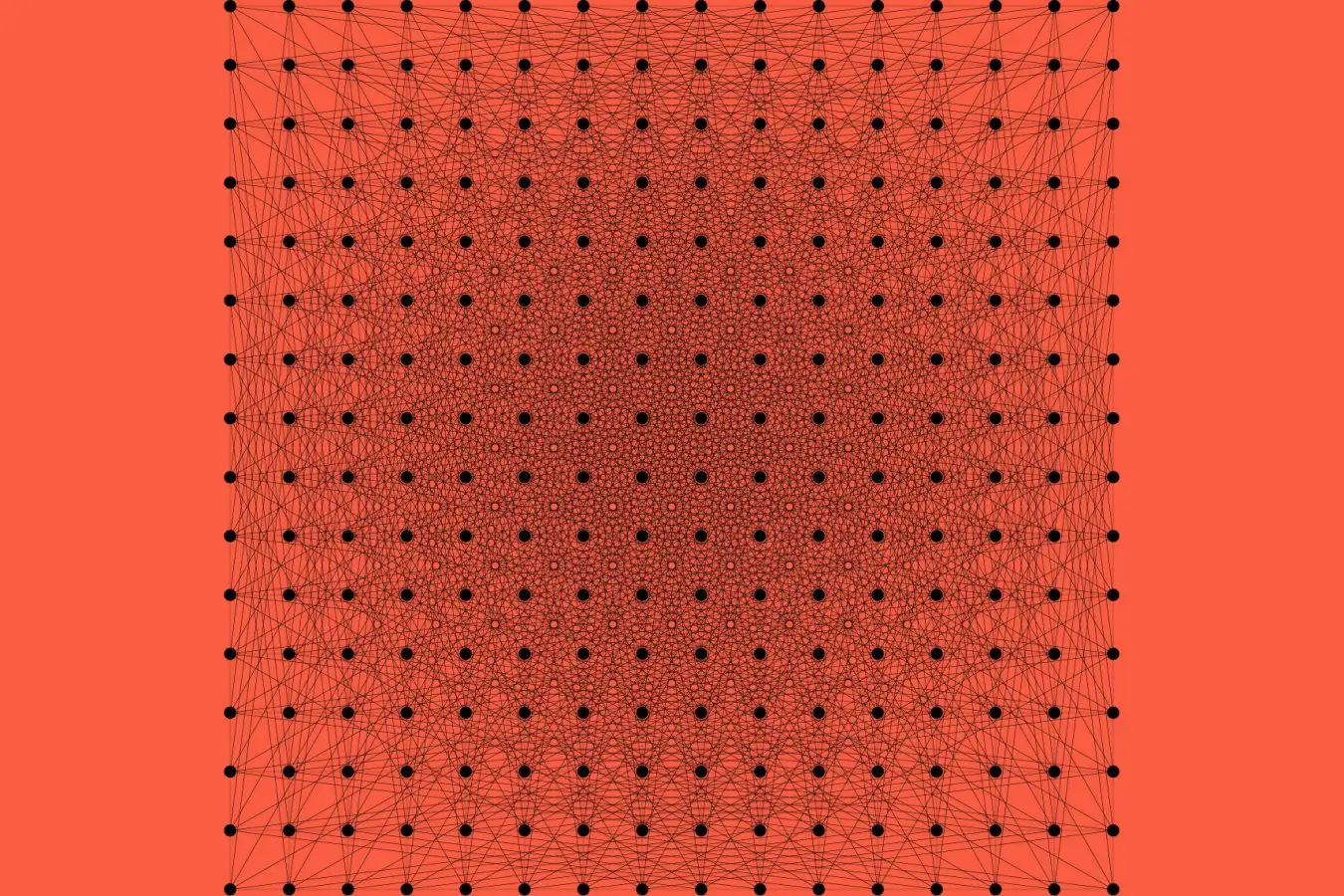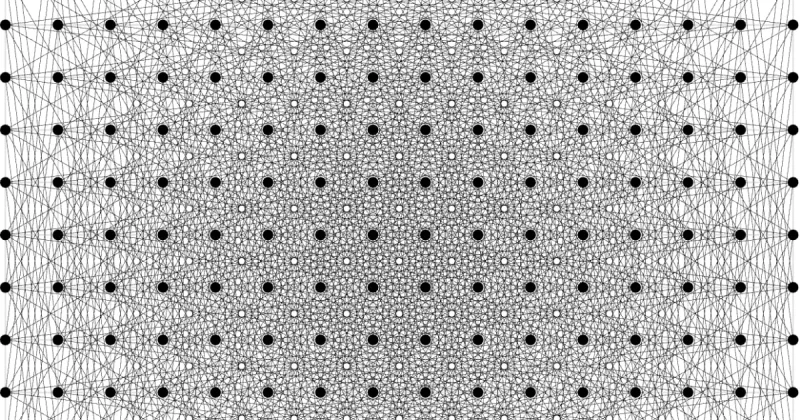
A general-purpose reasoning model built by OpenAI has disproved a conjecture posed by legendary mathematician Paul Erdős in 1946. The conjecture, which concerned the maximum number of unit distances possible among points arranged in a plane, had stood as a foundational assumption in discrete geometry for nearly eight decades.
Here’s why that matters beyond the world of pure math: the model that cracked this problem wasn’t a specialized theorem-proving machine. It was a general-purpose AI system that connected insights from algebraic number theory and plane geometry using reasoning performed at inference time. Think of it less like a calculator on steroids, and more like a research mathematician who happened to notice a bridge between two distant neighborhoods of mathematics.
What the conjecture actually said
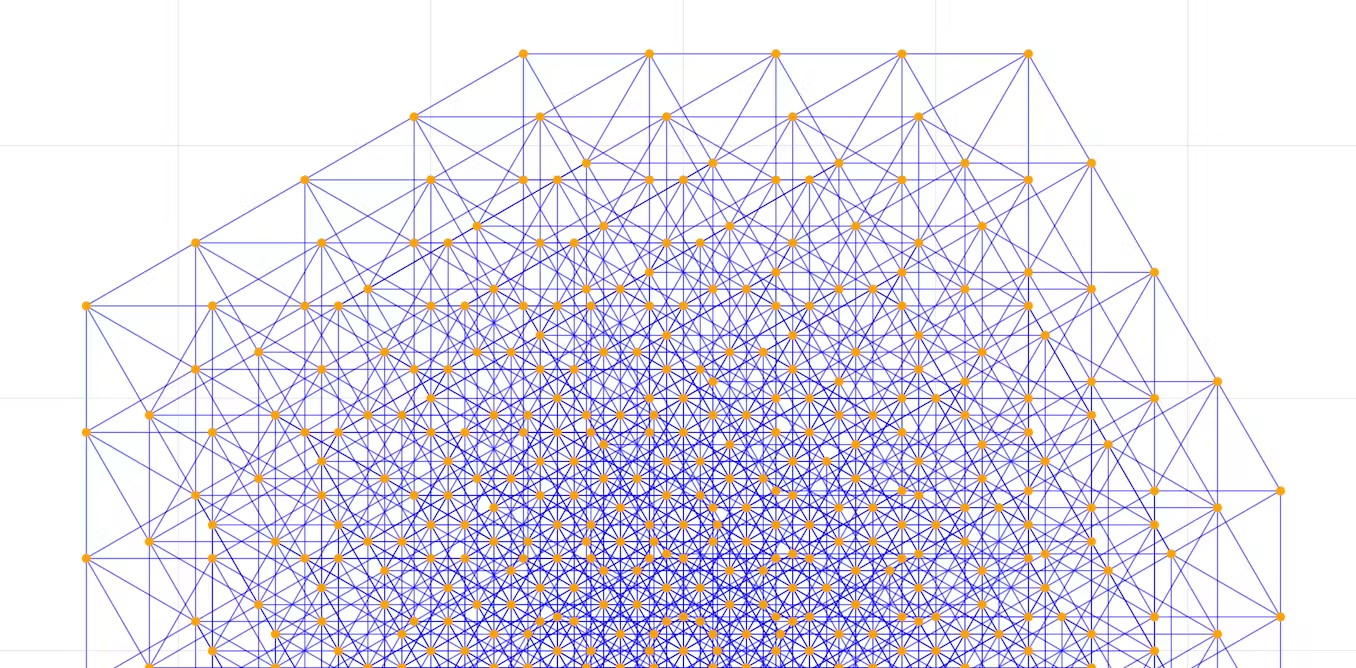
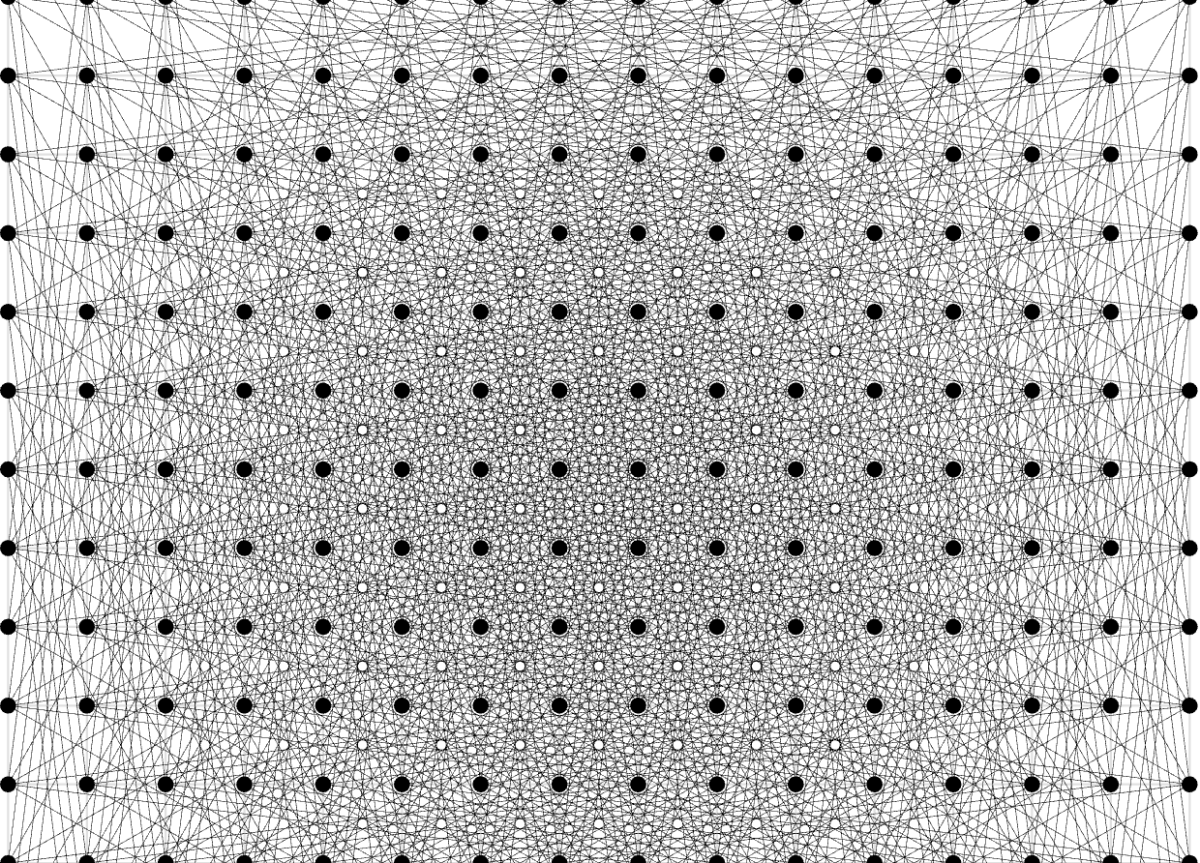
To understand what got disproved, you need a quick geometry refresher. Imagine scattering a bunch of points on a flat surface. Now count how many pairs of those points are exactly one unit apart. Erdős conjectured in 1946 that the maximum number of such “unit distance” pairs would grow no faster than a near-linear function of the total number of points.
In English: if you have n points, Erdős believed the count of unit-distance pairs couldn’t significantly outpace n itself, aside from some small logarithmic factors. The best-known constructions for decades seemed to confirm this intuition. Lattice-based arrangements and other clever configurations all appeared to bump up against that near-linear ceiling.