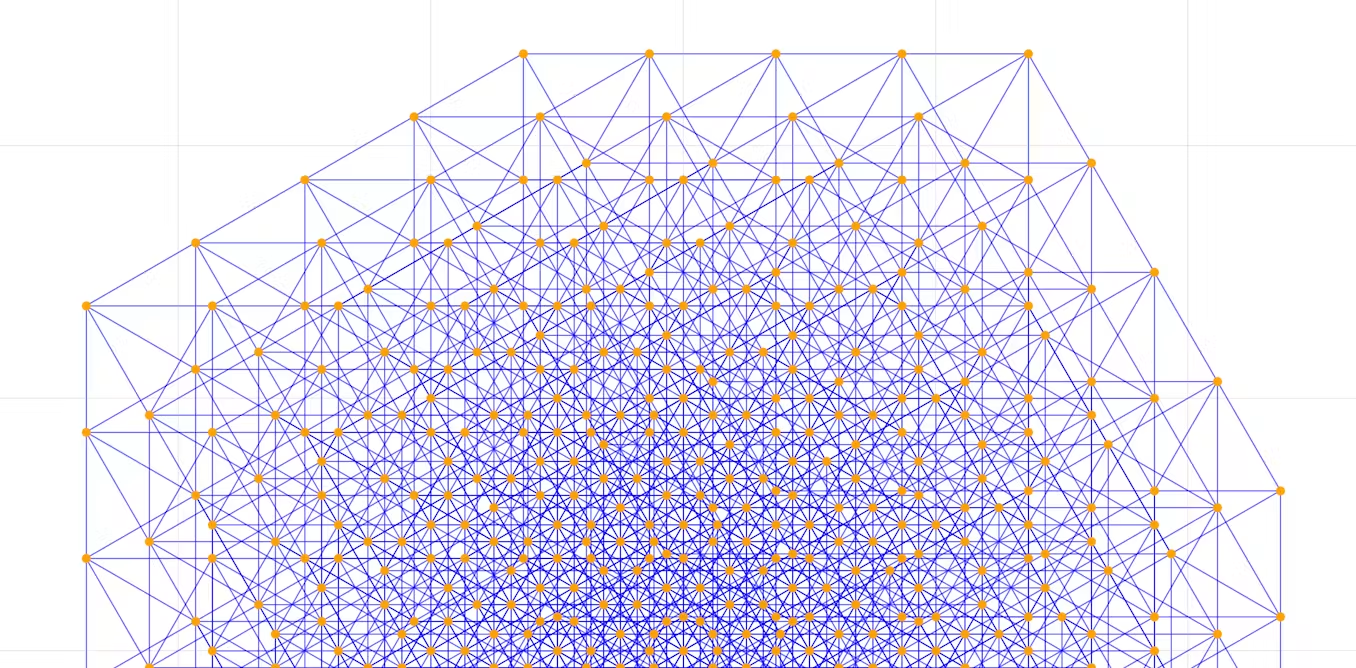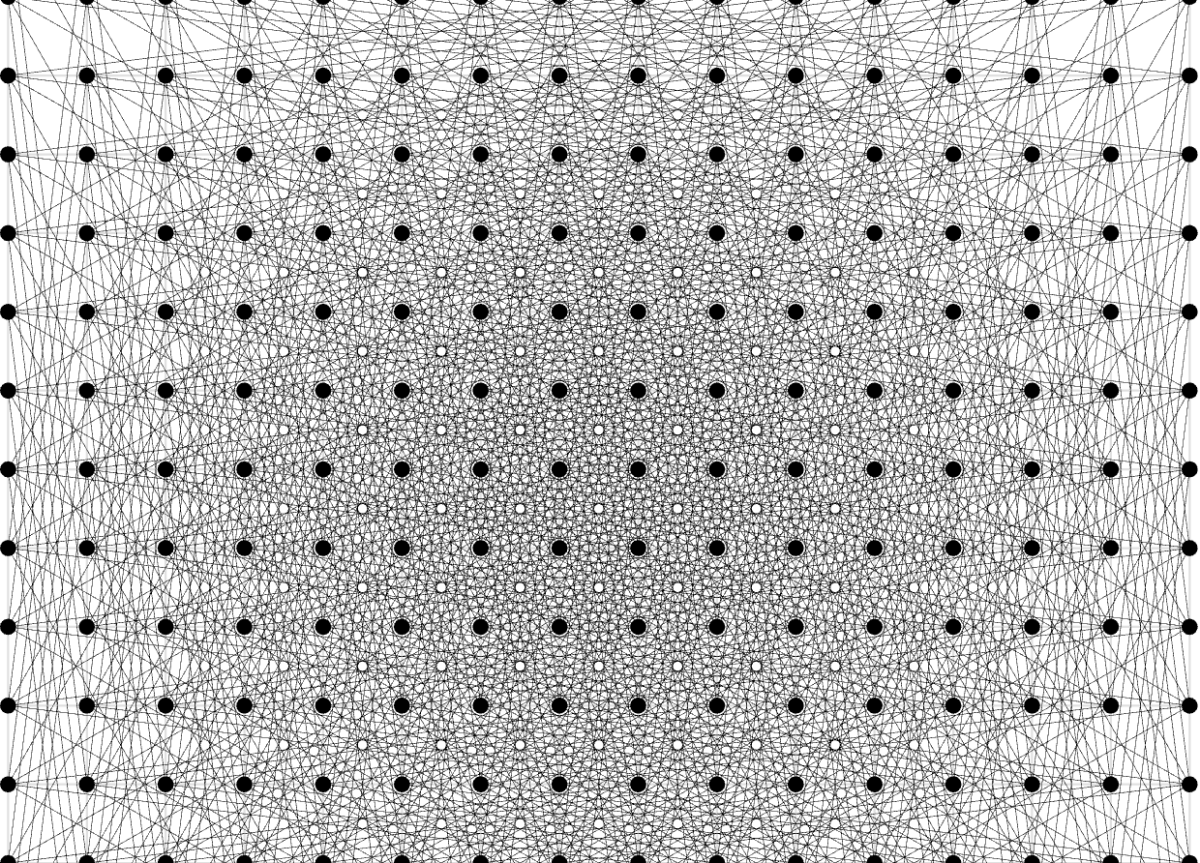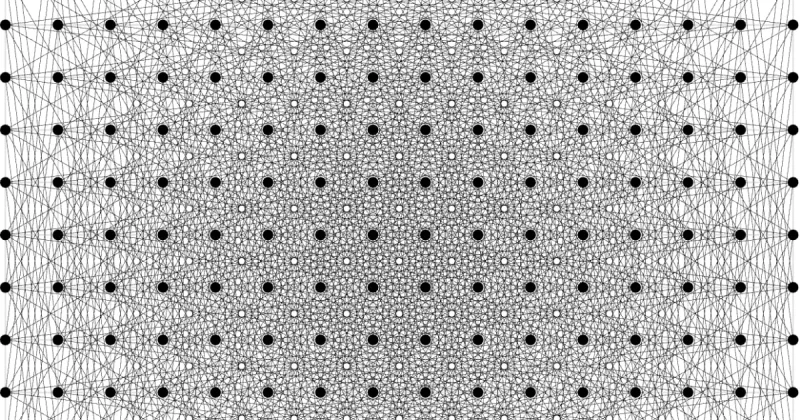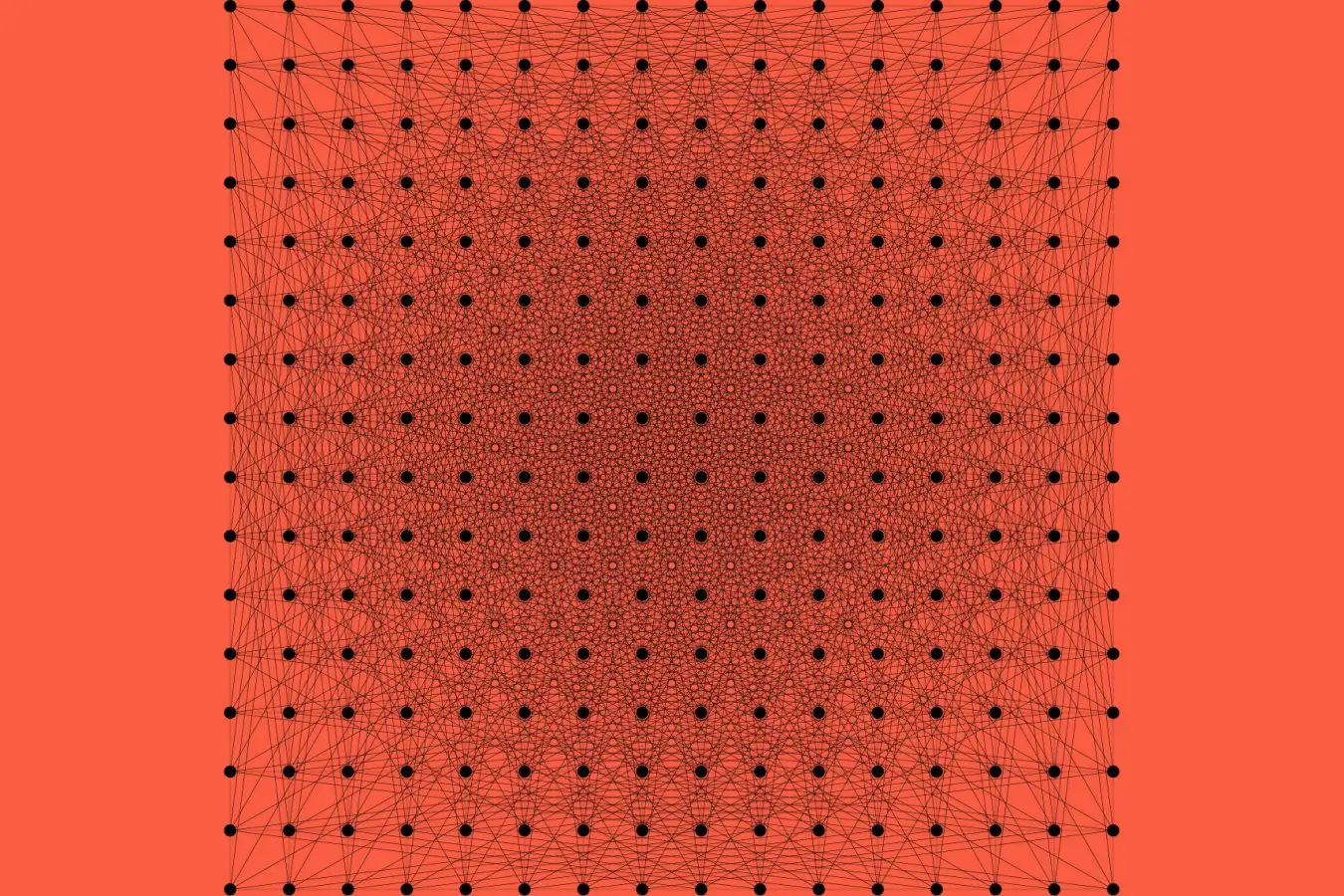
The planar unit distance problem is about how many equal-sized lines you can draw that connect dots on an infinite sheet of paperNoga Alon et al. 2026, Open AI
An 80-year-old maths conjecture that has eluded the world’s greatest mathematicians has been cracked by an artificial intelligence model built by OpenAI. The result has stunned experts and is being hailed as a seismic moment for AI’s mathematical ability.
“This is a problem that I didn’t expect to see solved in my lifetime,” says Misha Rudnev at the University of Bristol, UK. “It’s absolutely a bomb.”
Tim Gowers at the University of Cambridge wrote that the solution is “a milestone in AI mathematics” in a blog post accompanying the work. “If a human had written the paper and submitted it to the Annals of Mathematics and I had been asked for a quick opinion, I would have recommended acceptance without any hesitation. No previous AI-generated proof has come close to that.”
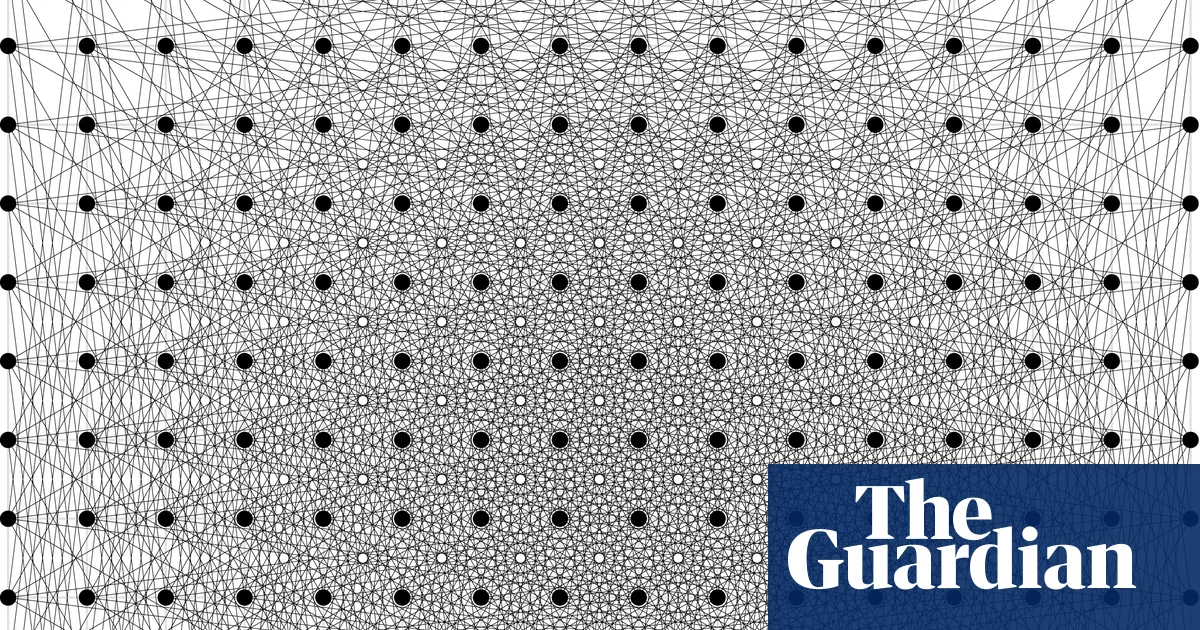
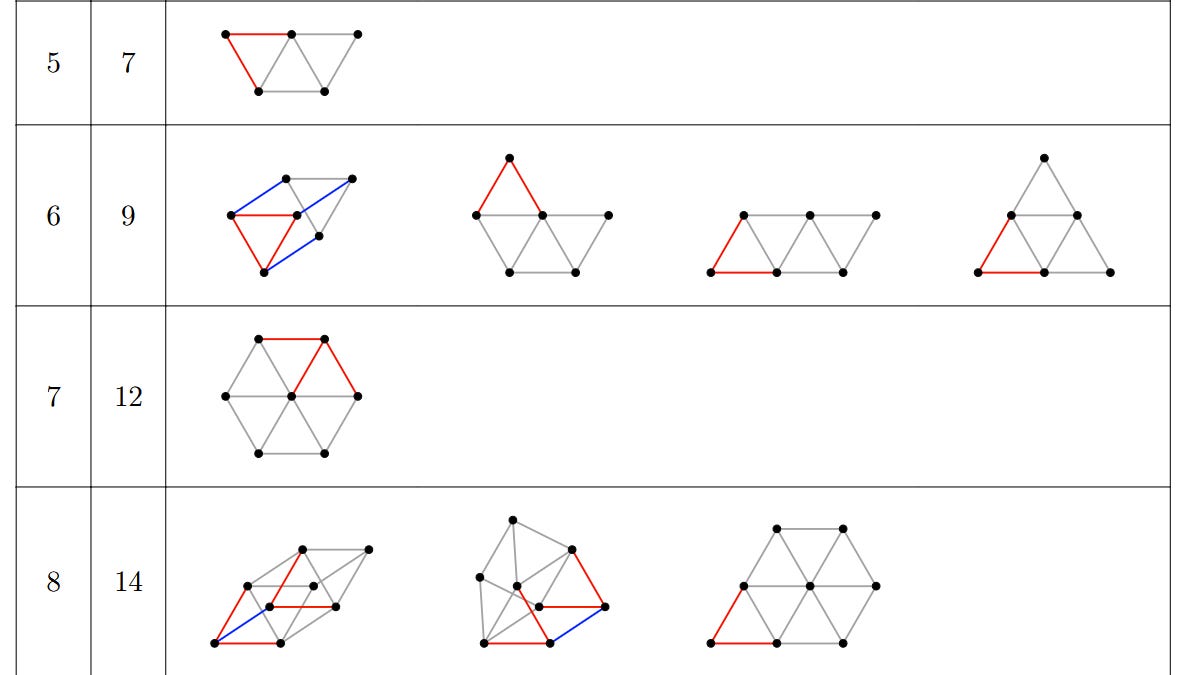
Twentieth-century mathematician Paul Erdős considered the puzzle, known as the planar unit distance problem, as his “most striking contribution to geometry”, because it was seemingly simple to explain but deeply complex to answer. He asked: if you take an infinite-sized piece of paper and draw a number of dots in a pattern of your choice, what is the maximum number of equal-sized lines you can draw between these dots?