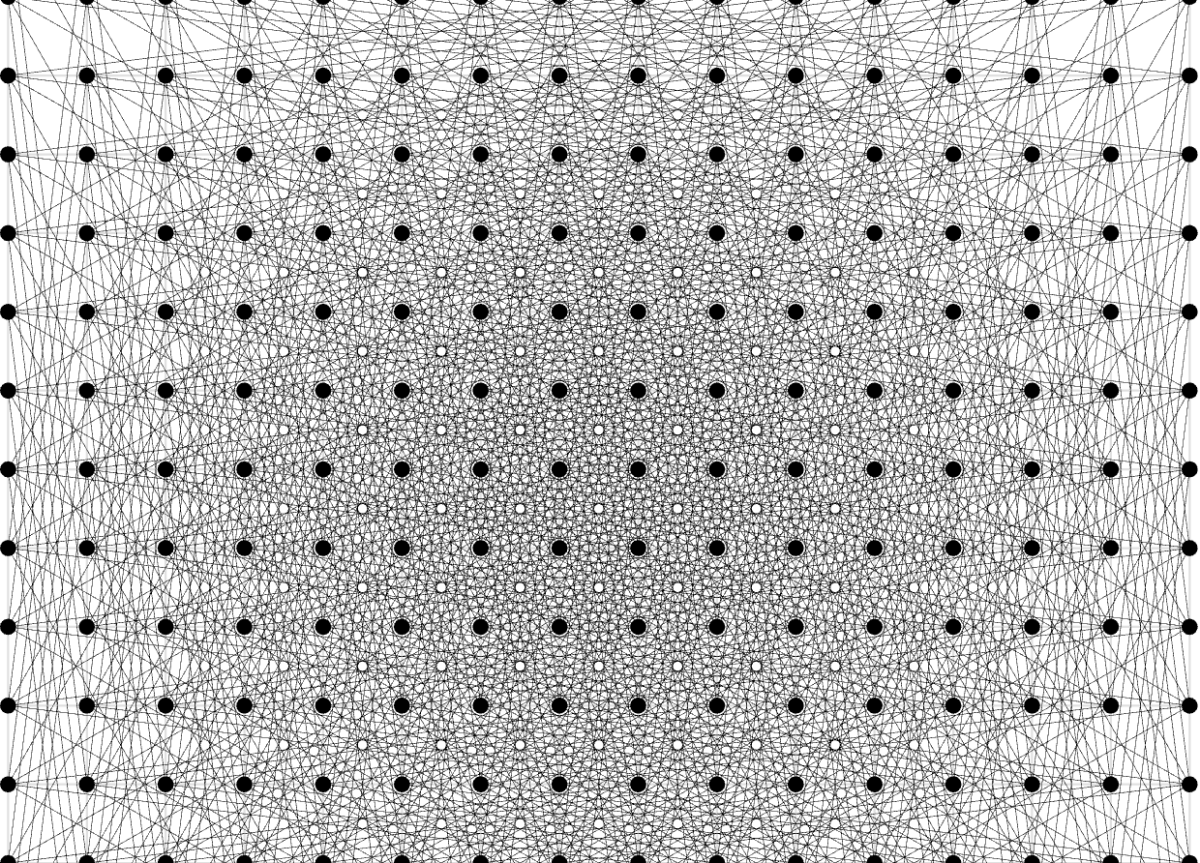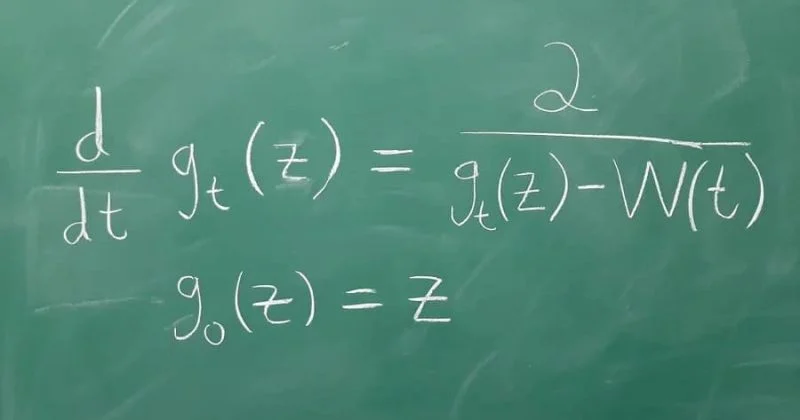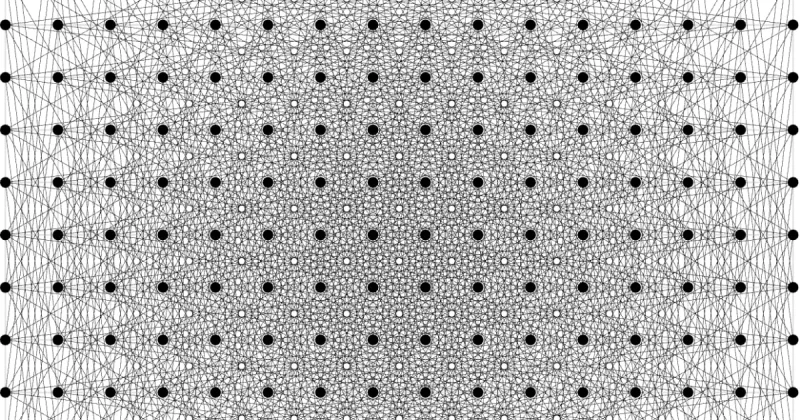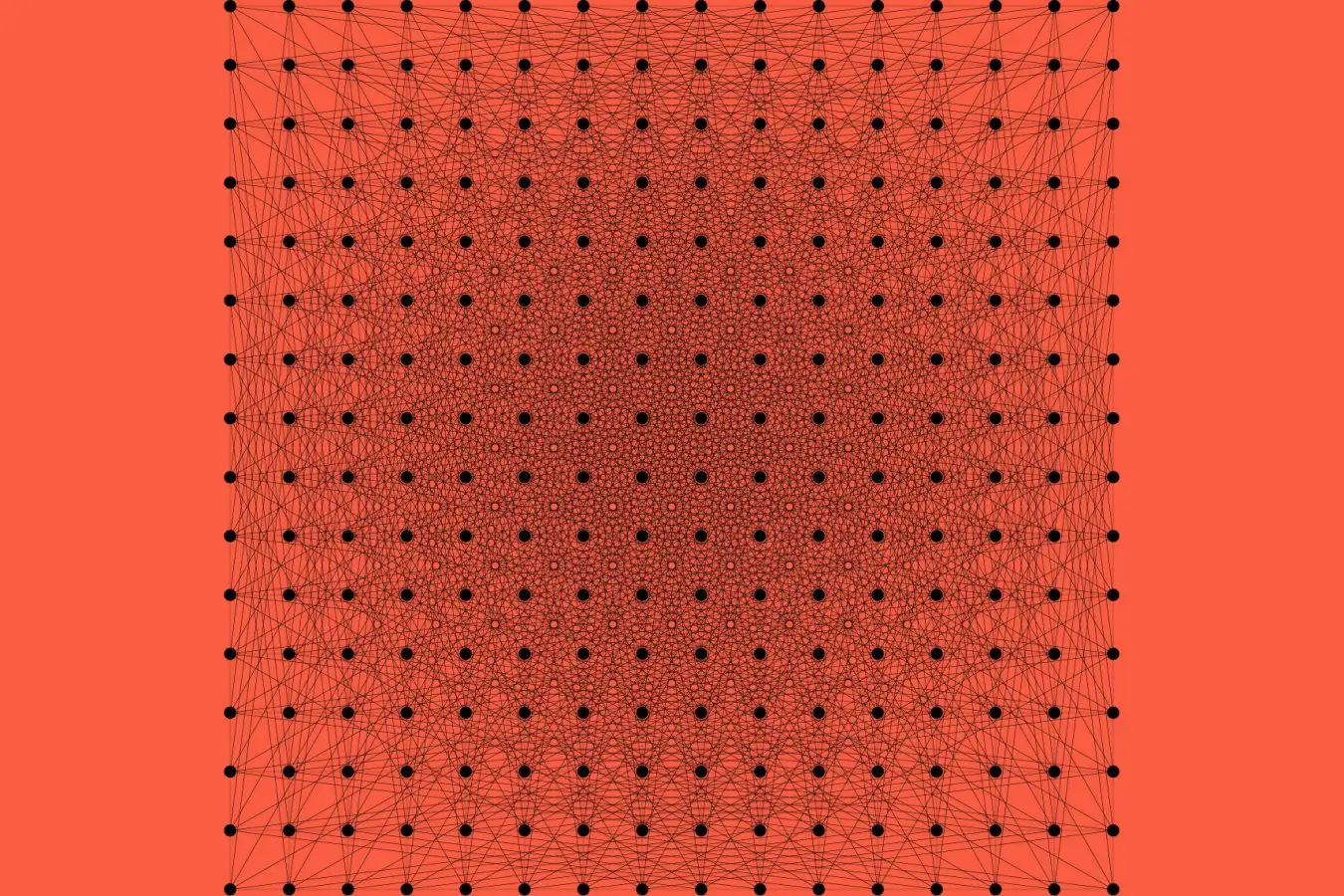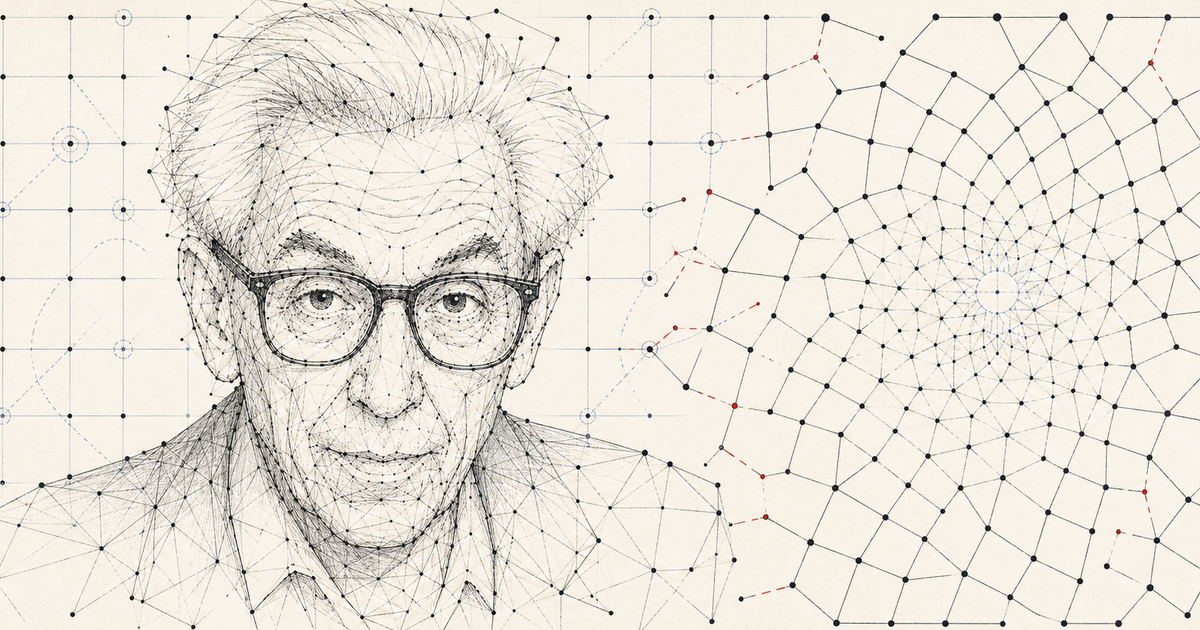
For nearly eight decades, mathematicians have been wrestling with a conjecture about the best way to arrange points so that as many pairs as possible are exactly one unit apart. The smart money said square grid-like arrangements were optimal. OpenAI says its AI just proved the smart money was wrong.
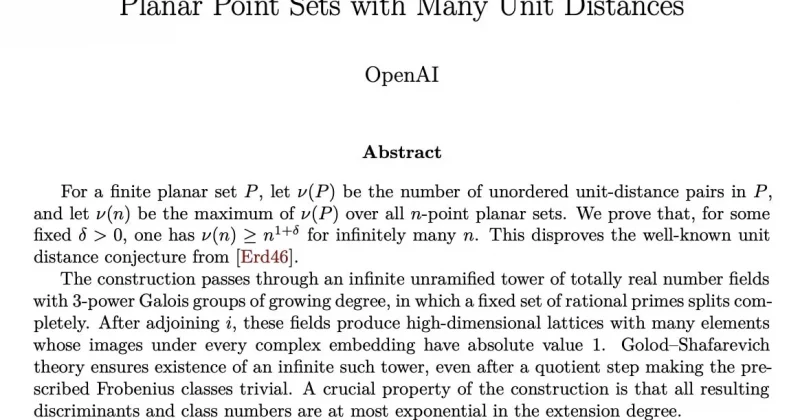
The company announced that one of its general-purpose reasoning models autonomously disproved a major conjecture tied to the unit distance problem, a question in discrete geometry first posed by Paul Erdős in 1946. The result: a new family of constructions that outperform the arrangements mathematicians had long assumed were the best possible.
What the AI actually did
The unit distance problem asks a deceptively simple question: given a set number of points in a plane, what is the maximum number of pairs that can be exactly one unit apart? Erdős posed this in 1946, and for generations, the consensus held that configurations resembling square grids were the optimal approach.
OpenAI’s model didn’t just nibble at the edges. It disproved the conjecture entirely, demonstrating that those grid-like constructions are not, in fact, the best you can do. The AI discovered an alternative family of arrangements that yield more unit-distance pairs than anyone had previously constructed.