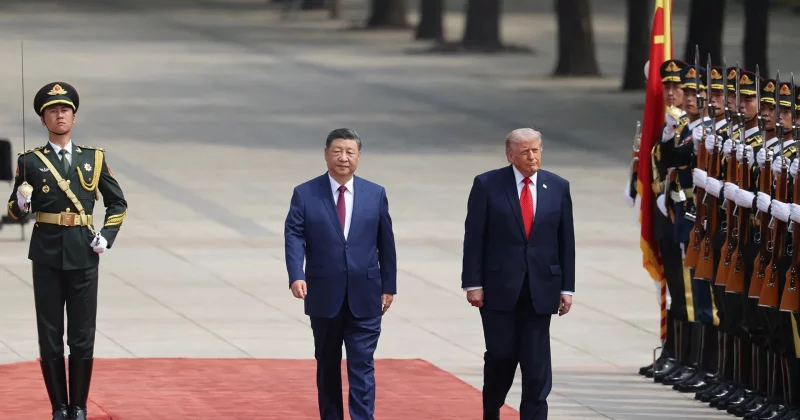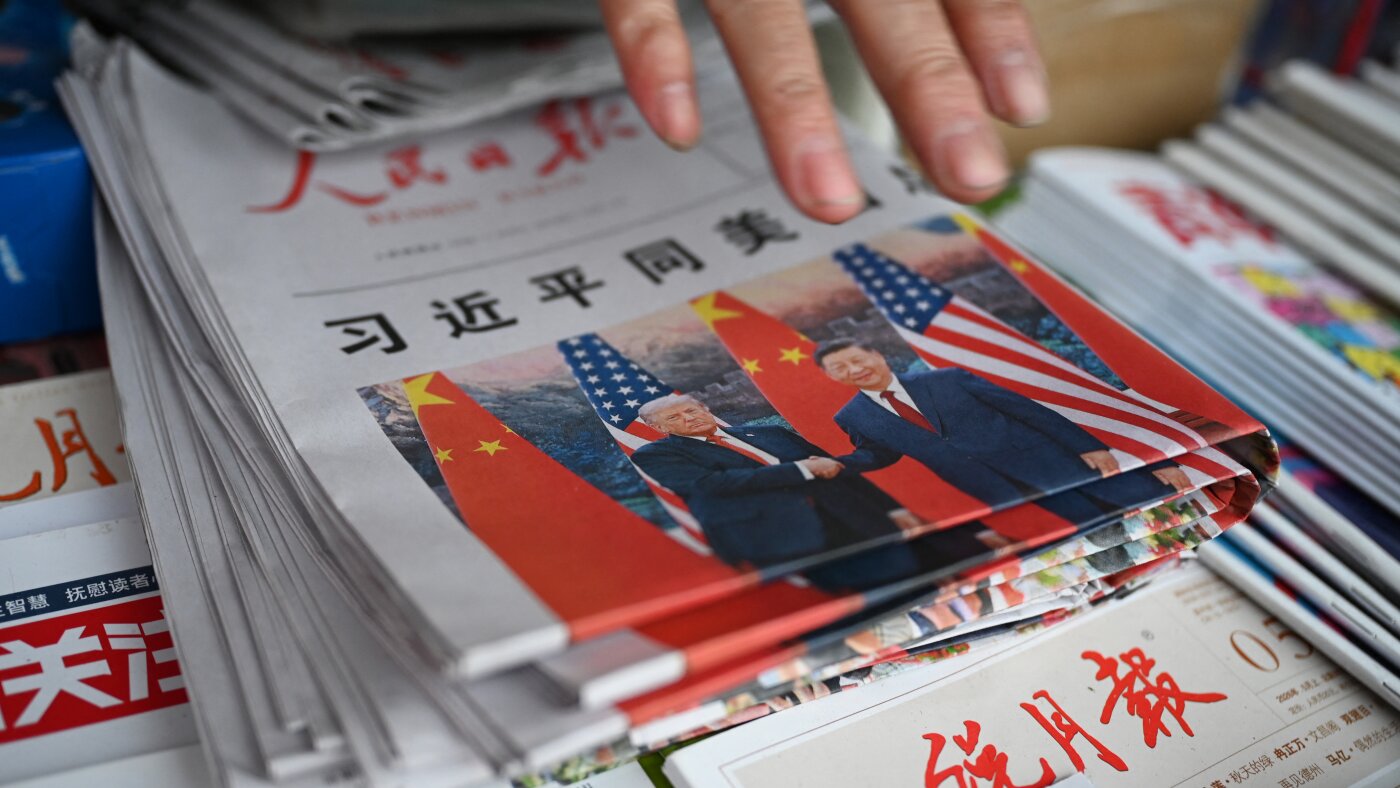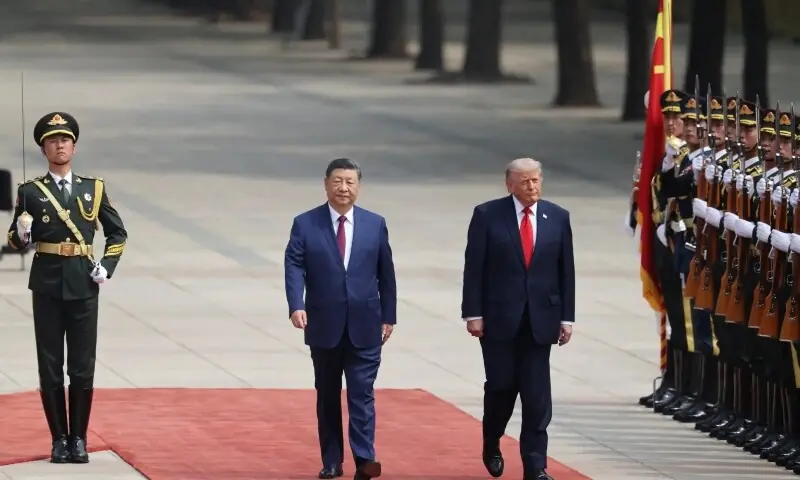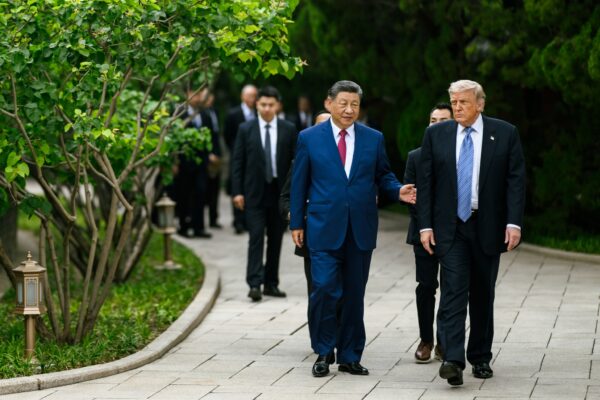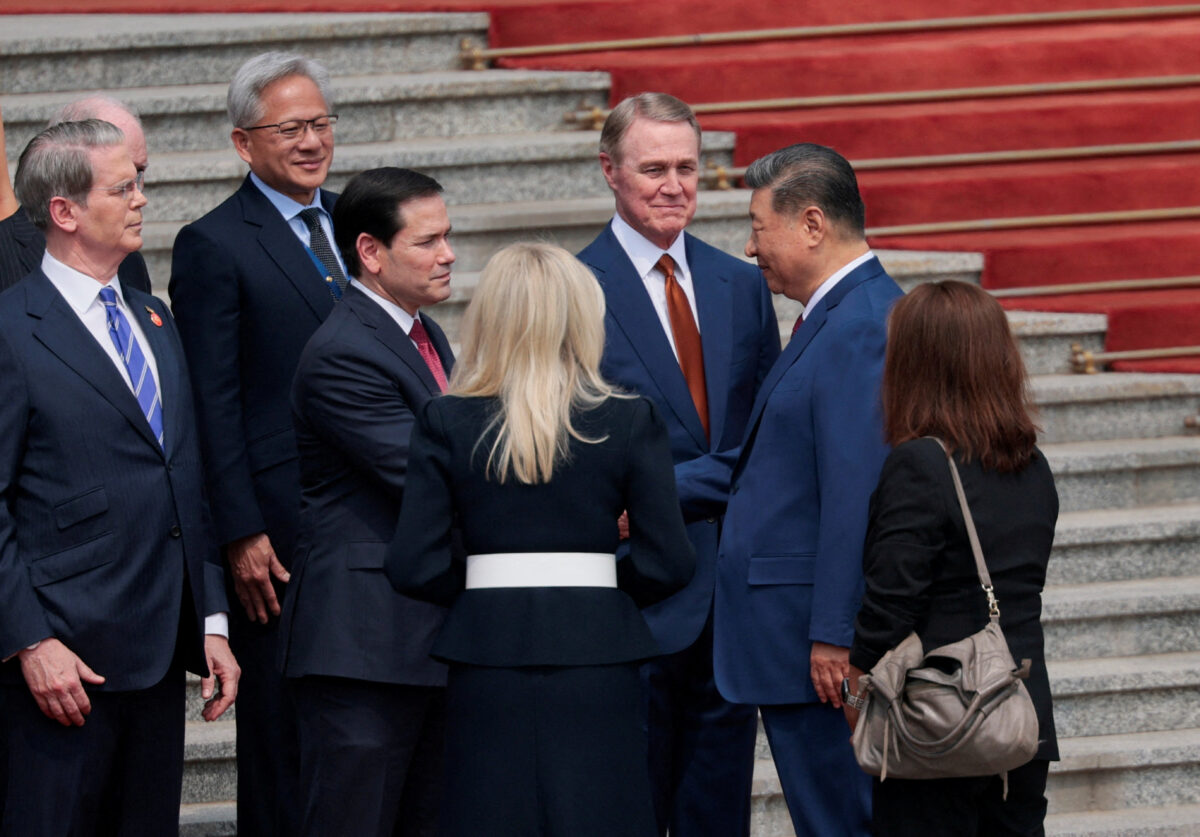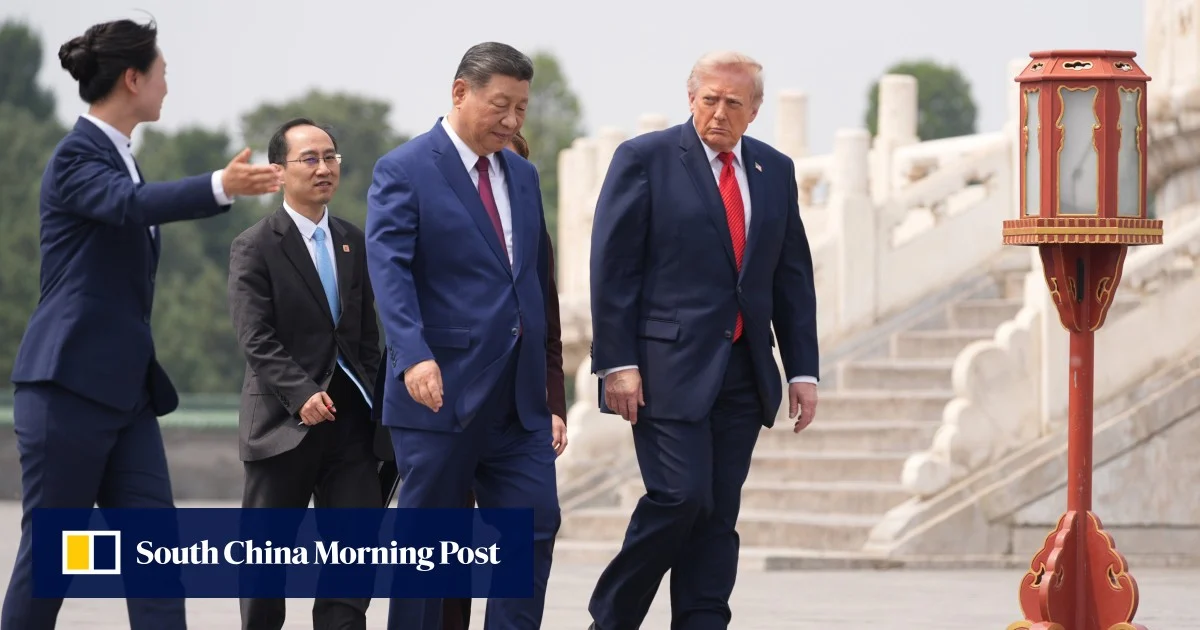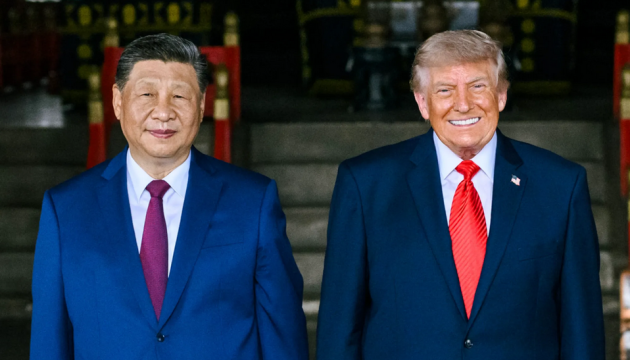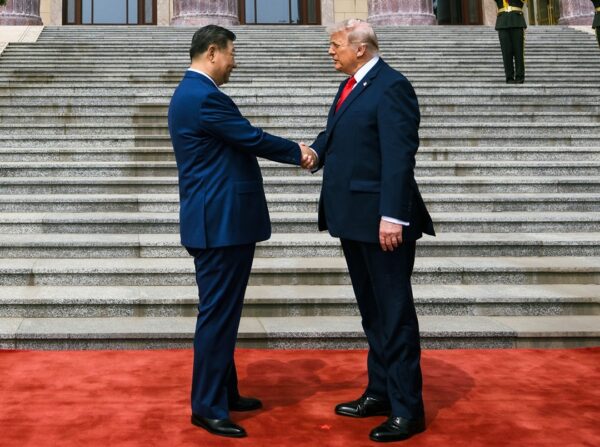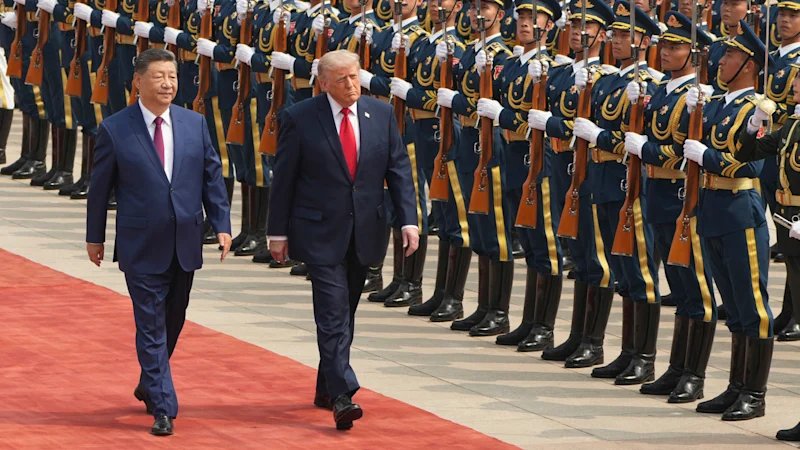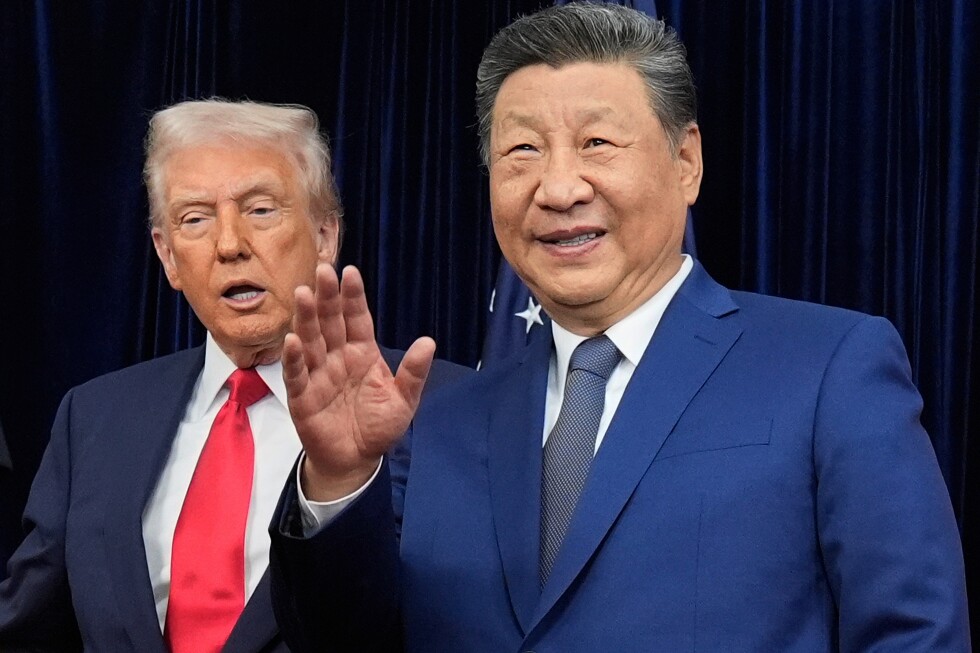
WANG SON-TAEK The recent summit between US President Donald Trump and Chinese President Xi Jinping in Beijing has generated various reactions around the world.Focusing on the visible details of the meeting, many observers struggled to identify outstanding results. Many US media outlets pointed out that Xi spoke aggressively on Taiwan, and Trump did not respond forcefully to the provocative rhetoric. Chinese state media emphasized images of equality between the two powers. Even in the US, there are assessments that China succeeded in projecting an image of strategic equality with the US.Such interpretations are understandable, but they miss the larger historical meaning of the summit. The problem is that many observers are examining the summit through a tactical lens while overlooking its strategic implications.The real significance of the meeting lies not in a few statements or announcements, but in the transformation of the framework governing strategic competition between the US and China. Since 2018, the rivalry between Washington and Beijing has evolved through several distinct phases. The latest summit suggests that the rivalry is entering a new stage: from decoupling, to derisking and now to deconflicting.The first phase began during Trump’s initial presidency in 2018. At the time, the US concluded that decades of engagement had failed to reshape China into a more politically and economically liberal actor. China was increasingly perceived as an unfair player within the liberal international order. Washington became increasingly alarmed by China’s technological rise, industrial policies, military modernization and expanding global influence. In that sense, the initial American decision to push back against China was not entirely unreasonable. But the strategy that followed was poorly calibrated. Tariffs expanded rapidly. Restrictions broadened. Political rhetoric intensified. Strategic competition increasingly appeared driven by domestic political signaling rather than careful strategic calculation.The original logic behind decoupling was straightforward: reduce dependence on China, isolate strategic sectors and slow China’s rise. Yet the policy failed to produce the strategic outcome Washington had hoped for. The US succeeded in hurting China, but failed to domesticate it. Instead of forcing Beijing into submission, excessive pressure encouraged China to accelerate technological self-reliance. Chinese leaders expanded support for domestic semiconductor production, AI development, alternative payment systems and indigenous supply chains. Pressure exposed vulnerabilities, but it also strengthened China’s determination to reduce dependence on the US-led international order.At the same time, the costs of confrontation became increasingly visible for the US itself. American companies faced supply chain disruptions and higher costs. Inflationary pressure intensified. Allies grew uncomfortable with demands for broad economic separation from China. Markets became unstable. Washington gradually discovered that permanent escalation with China also carried strategic and economic costs of its own.This reality produced the second phase: derisking. Under the derisking framework, the US accepted that full economic separation from China was neither realistic nor desirable. The focus shifted toward limiting risks in sensitive sectors such as advanced semiconductors, AI, quantum computing and military-related technologies, while allowing broader economic interaction to continue. Compared with decoupling, derisking represented a partial reduction in tensions, though its central logic still emphasized selective separation.The latest summit suggests that another adjustment is now underway, even though derisking exists as a policy tool. Advanced chips and frontier technologies will remain tightly controlled. Strategic competition will continue across military, technological and geopolitical domains. The structural contradiction between the US and China has not disappeared. China’s rapid economic and technological rise still presents a long-term challenge to American primacy. Washington may tolerate competition, but it cannot ignore the possibility that China could eventually surpass the US in key areas of national power.This is precisely why strategic rivalry will continue. Yet the summit indicates that both sides are increasingly prioritizing something else: an uncontrolled collision between the two nations is unnecessarily costly and should be avoided. That is the essence of deconflicting. It does not mean reconciliation or trust. It means recognizing that unmanaged rivalry has become too dangerous and too expensive for both sides. The focus is shifting from separation to collision prevention.This explains the growing emphasis on communication channels, investment consultation mechanisms and trade management frameworks. Reports about new bilateral trade and investment consultation bodies are significant not because they eliminate competition, but because they create buffers against escalation. Even limited agreements on mid-level technology exports or commercial exchanges could serve as stabilizing devices designed to reduce friction while preserving competition in critical sectors.China has its own reasons for supporting such a transition. Despite surviving eight years of strategic pressure, Beijing also faces mounting fatigue. US export controls continue to constrain China’s ambitions in advanced technologies. Economic distortions created by prolonged rivalry have imposed serious burdens on Chinese growth and trade structures. China has endured the confrontation, but prolonged instability no longer serves its long-term interests as China needs several more decades of relative stability for its long-term national development.As a result, both countries now appear to understand the same reality: strategic competition is unavoidable, but uncontrolled confrontation is unsustainable. The era of emotional escalation is fading. The era of disciplined rivalry is beginning.For the rest of the world, this is welcome news. Over the past eight years, the US-China confrontation has generated enormous uncertainty across global supply chains, financial markets and security environments. Middle powers and developing countries alike were repeatedly forced into uncomfortable strategic choices. Those pressures will not disappear completely. But if deconflicting becomes the new organizing principle of US-China relations, the international community may enter a somewhat more manageable phase. However, this shift toward "disciplined rivalry" should not be mistaken for a return to stability; rather, it introduces a more sophisticated set of rules. For middle powers like South Korea, navigating this managed competition might require an even more precise diplomatic calculus, as strategic pressures become quieter but far more calculated. The danger has not disappeared. Yet the probability of uncontrolled escalation may finally be declining.- - -Wang Son-taekWang Son-taek is an adjunct professor at Sogang University. He is a former diplomatic correspondent at YTN and a former research associate at Yeosijae. The views expressed here are the writer’s own. — Ed.
[Wang Son-taek]From derisking to deconflicting
The recent summit between US President Donald Trump and Chinese President Xi Jinping in Beijing has generated various reactions around the world. Focusing on th
1,006 words~5 min read