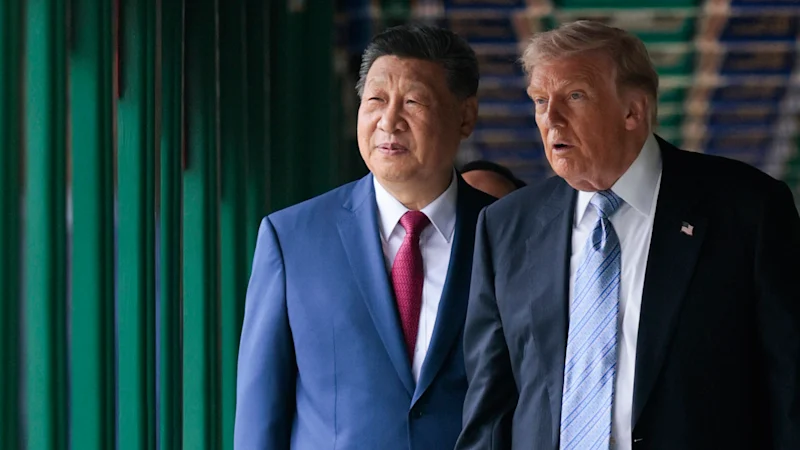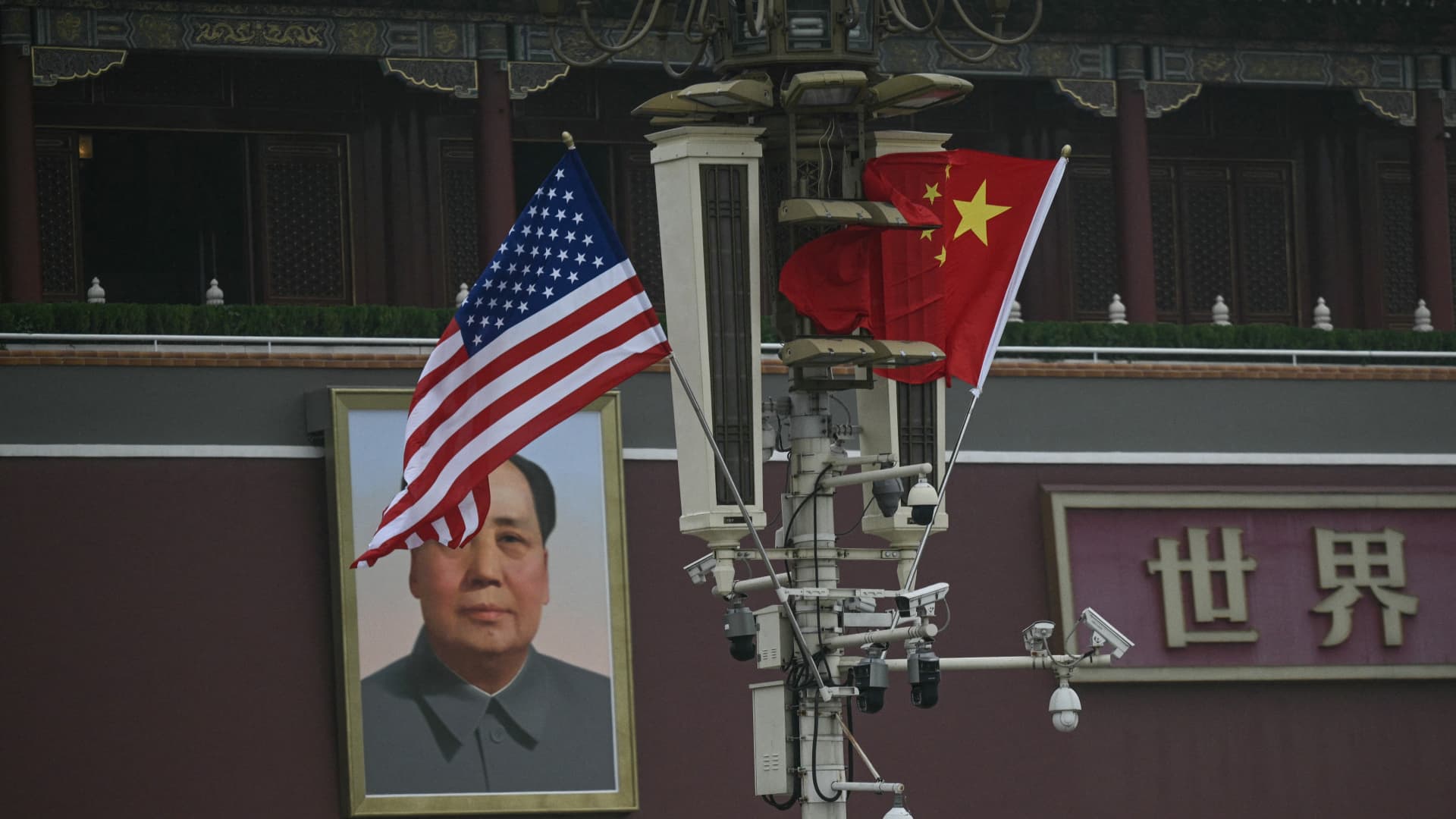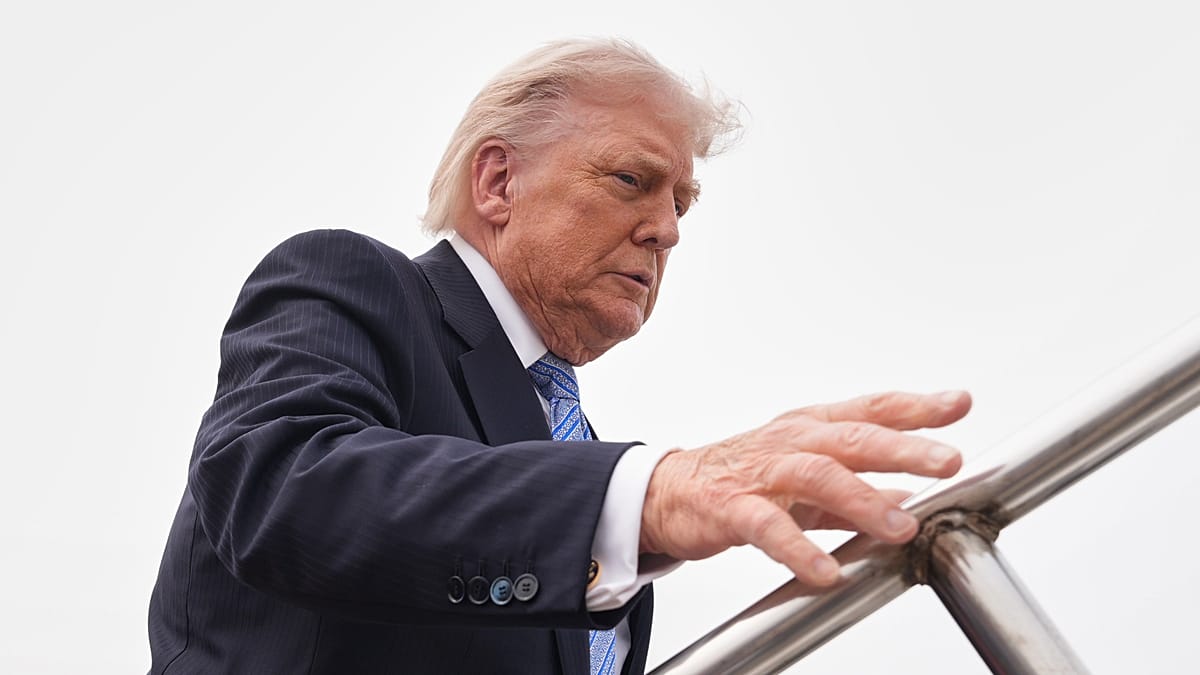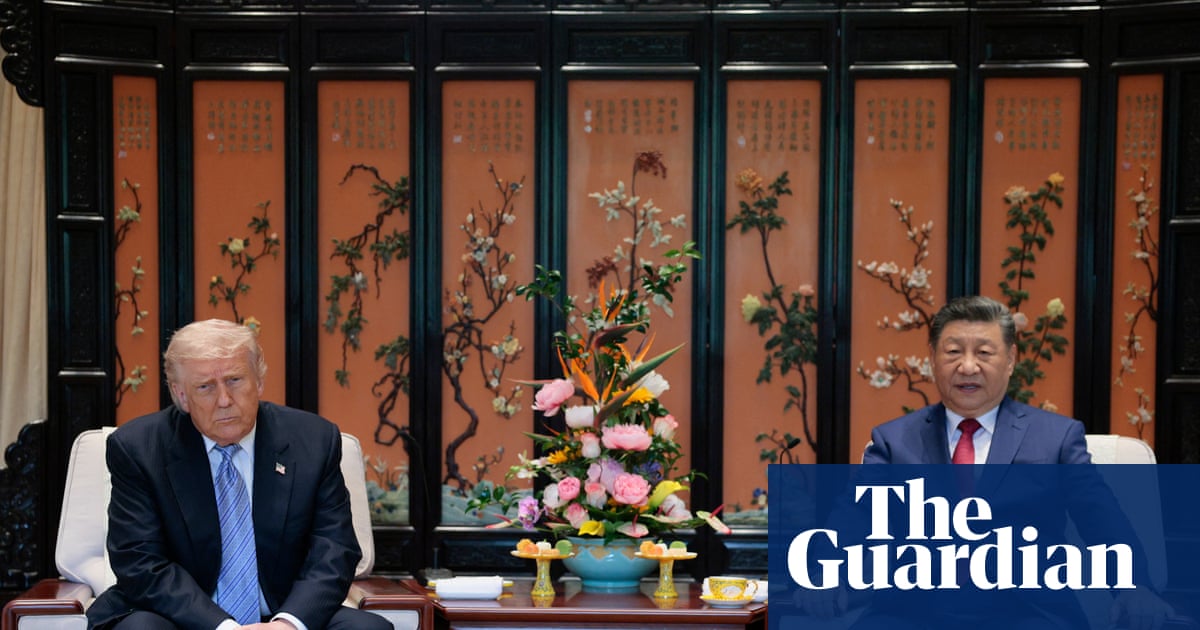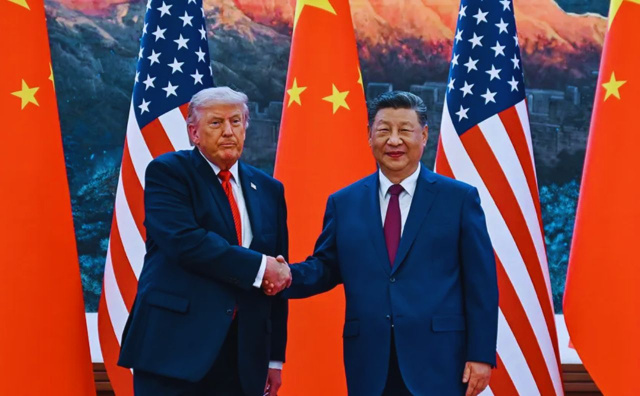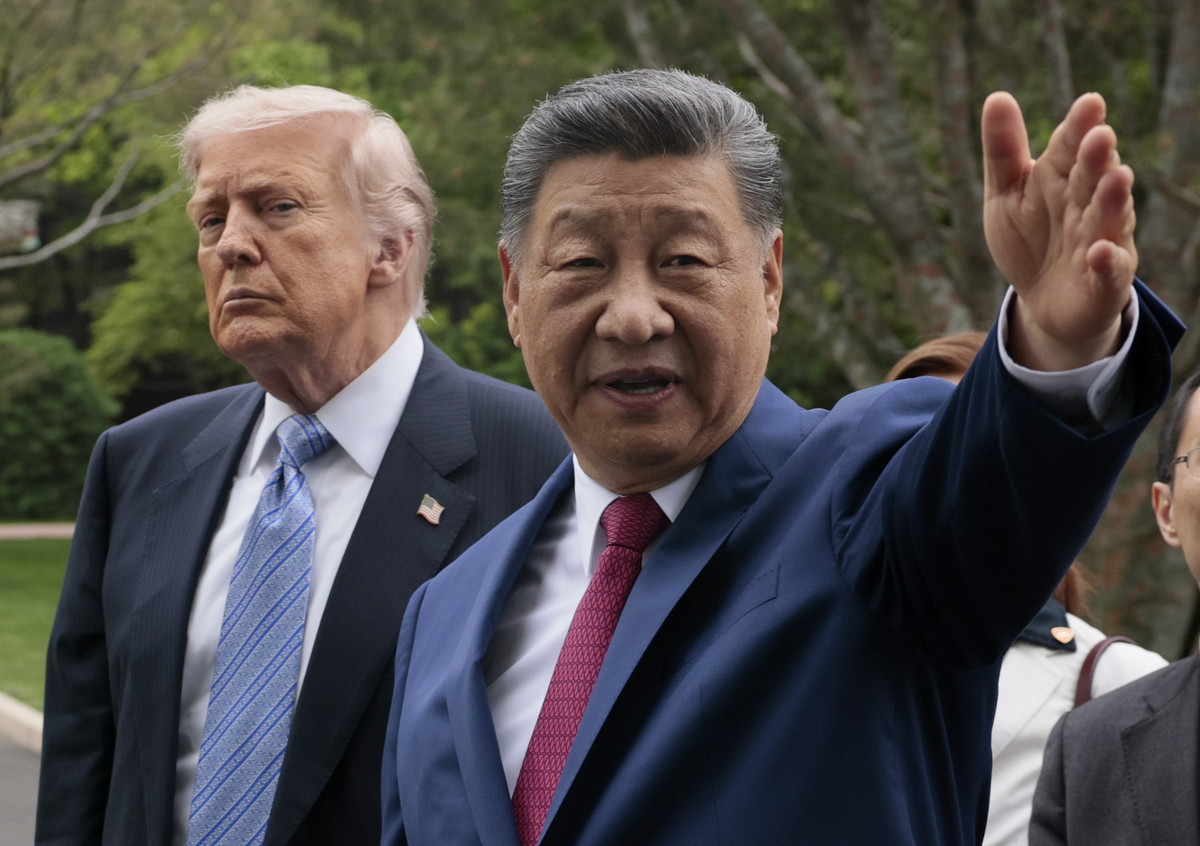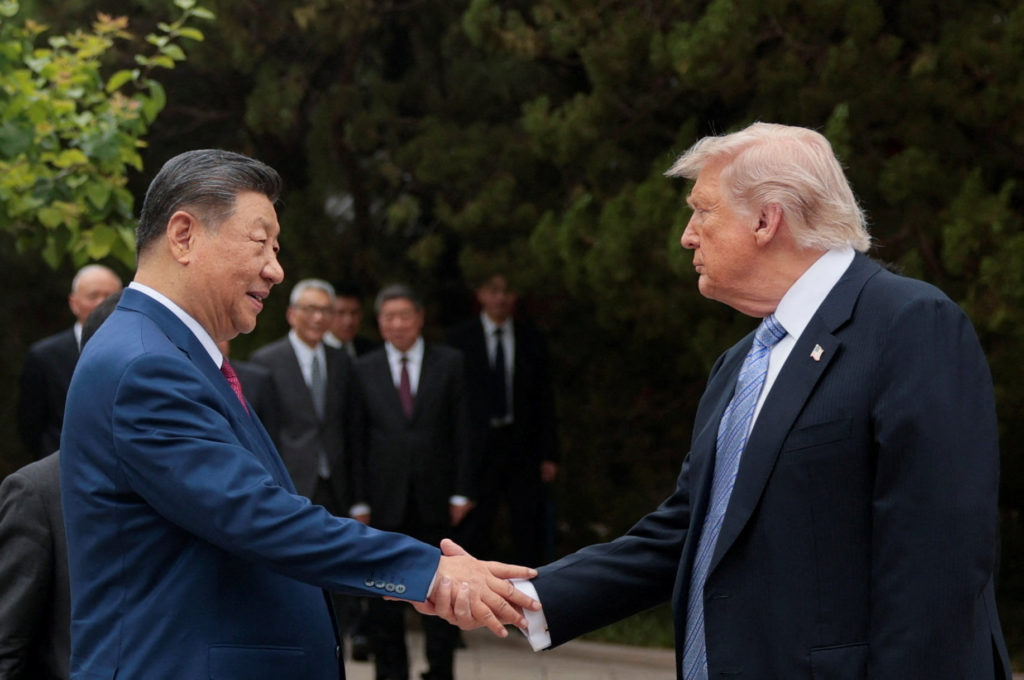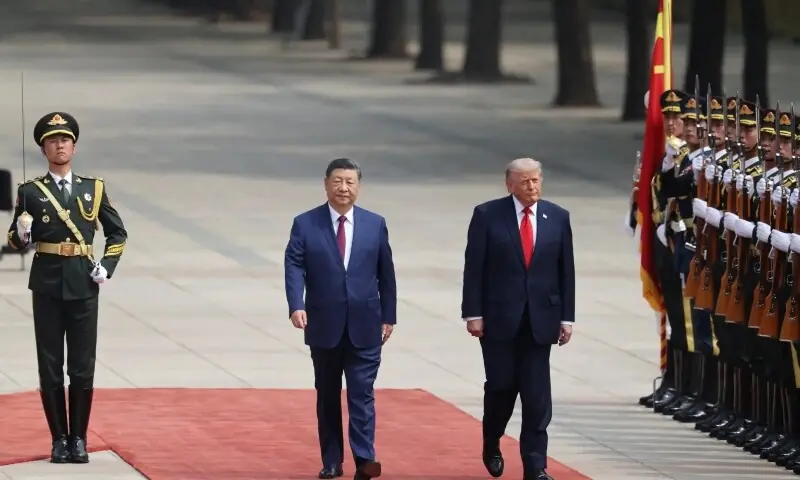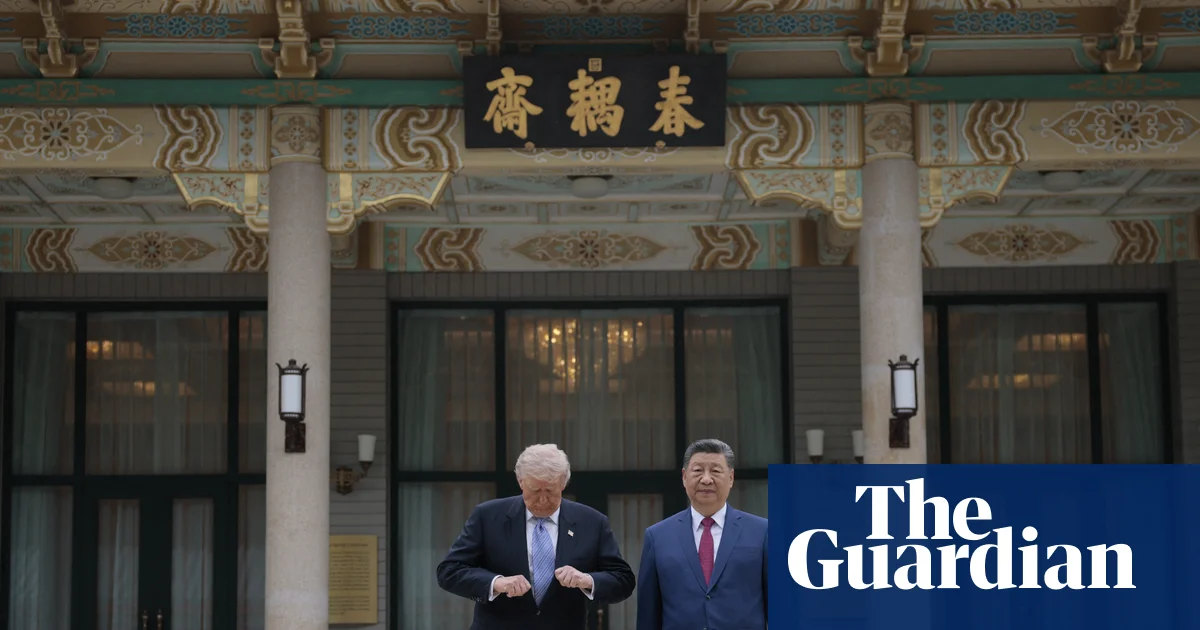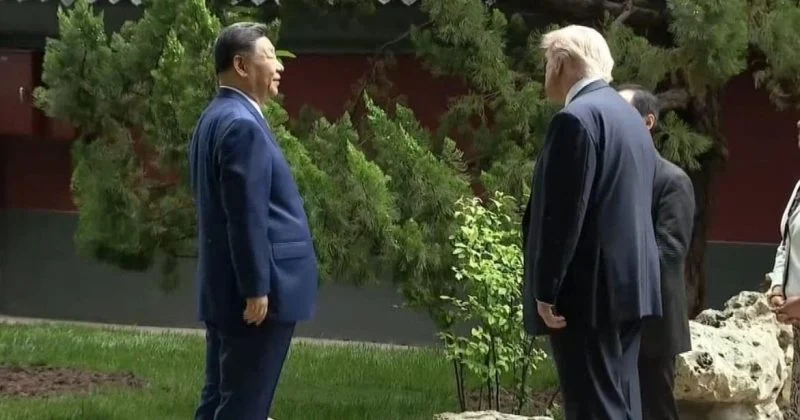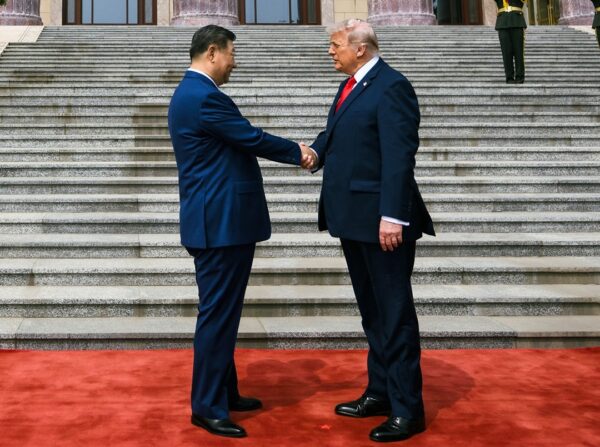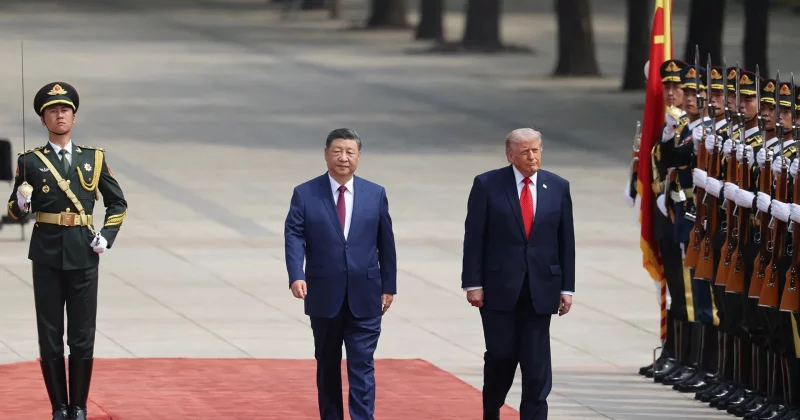
Donald Trump wrapped up a two-day summit with Xi Jinping in Beijing this week, and the best thing both sides could say about it was that nothing got worse. The first face-to-face presidential meeting between the two nations in nearly a decade produced no major new agreements on trade, technology, or security.
What actually happened in Beijing
The summit covered the expected greatest hits of US-China friction: trade, investment, Taiwan, and the ongoing conflict in Iran. China agreed to extend a fragile trade truce originally struck on October 25 of the previous year, which had paused a stringent export-control regime on rare earth elements and related technologies.
On the trade front more broadly, the structural disagreements that have defined the relationship for years remained firmly in place. Industrial policy, market access, technology transfer, and the constellation of tariffs and counter-tariffs that have reshaped global supply chains since Trump’s first term: none of it moved.
Analysts who tracked the proceedings described the summit as symbolic rather than substantive. China’s primary objective, by most accounts, was to achieve stability and consolidate its strategic position. Not to make concessions.