Get the latest news and updates from Dawn
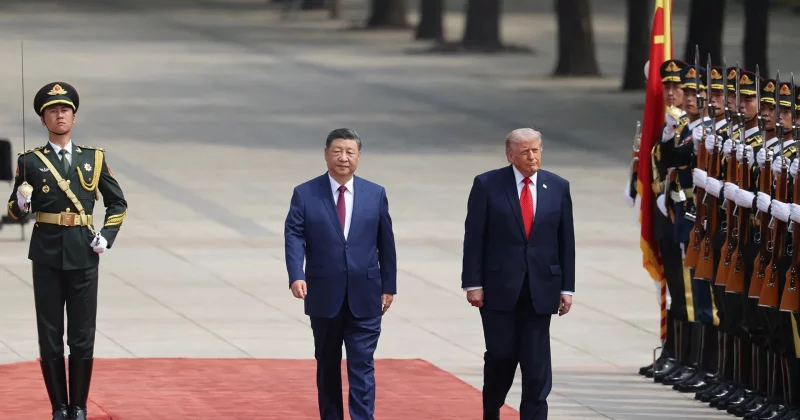
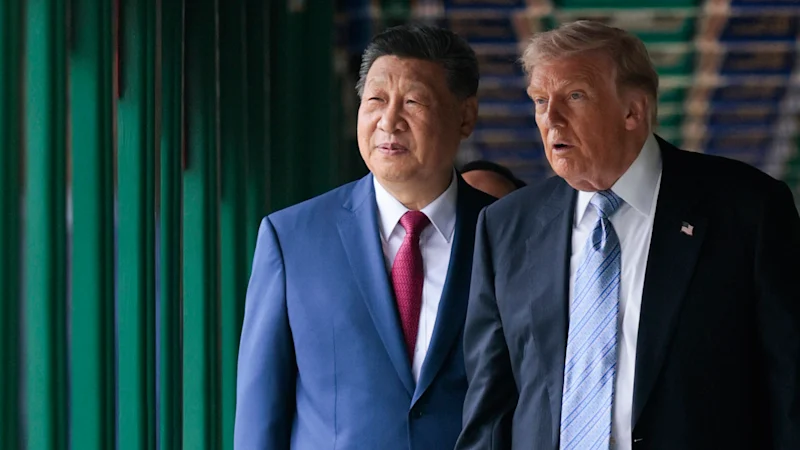
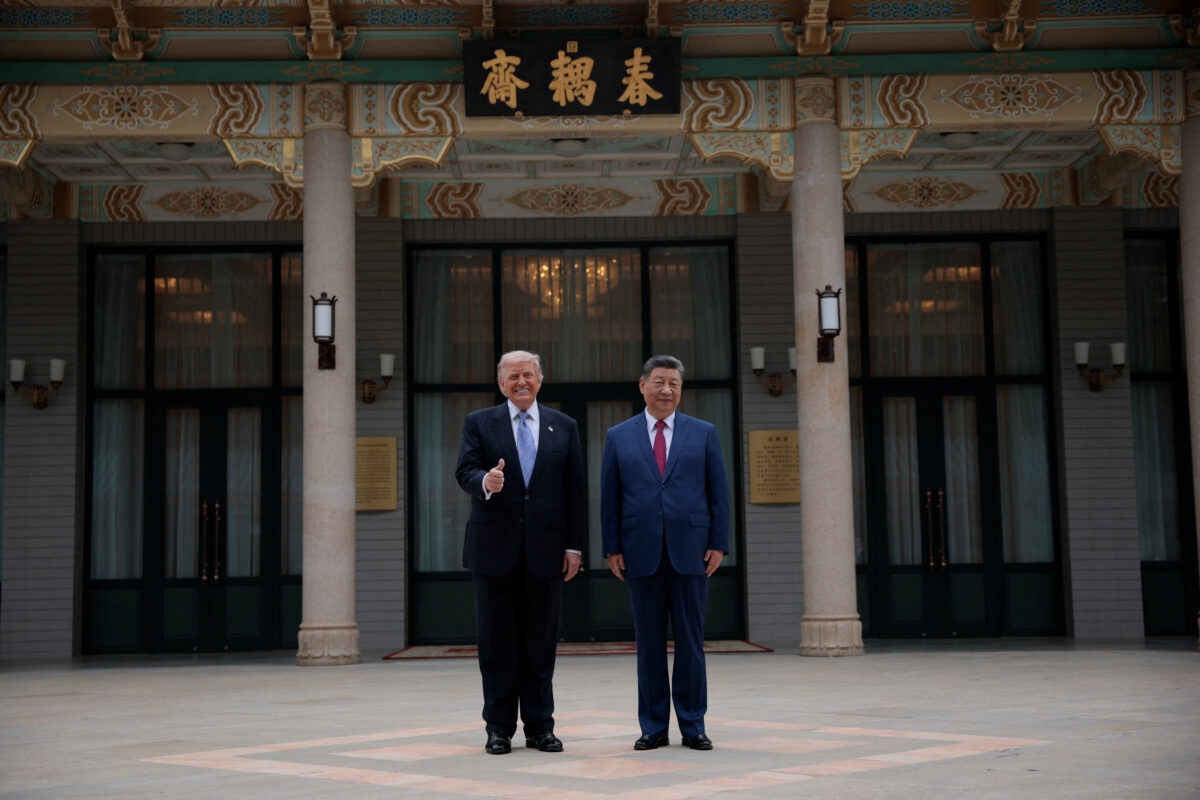
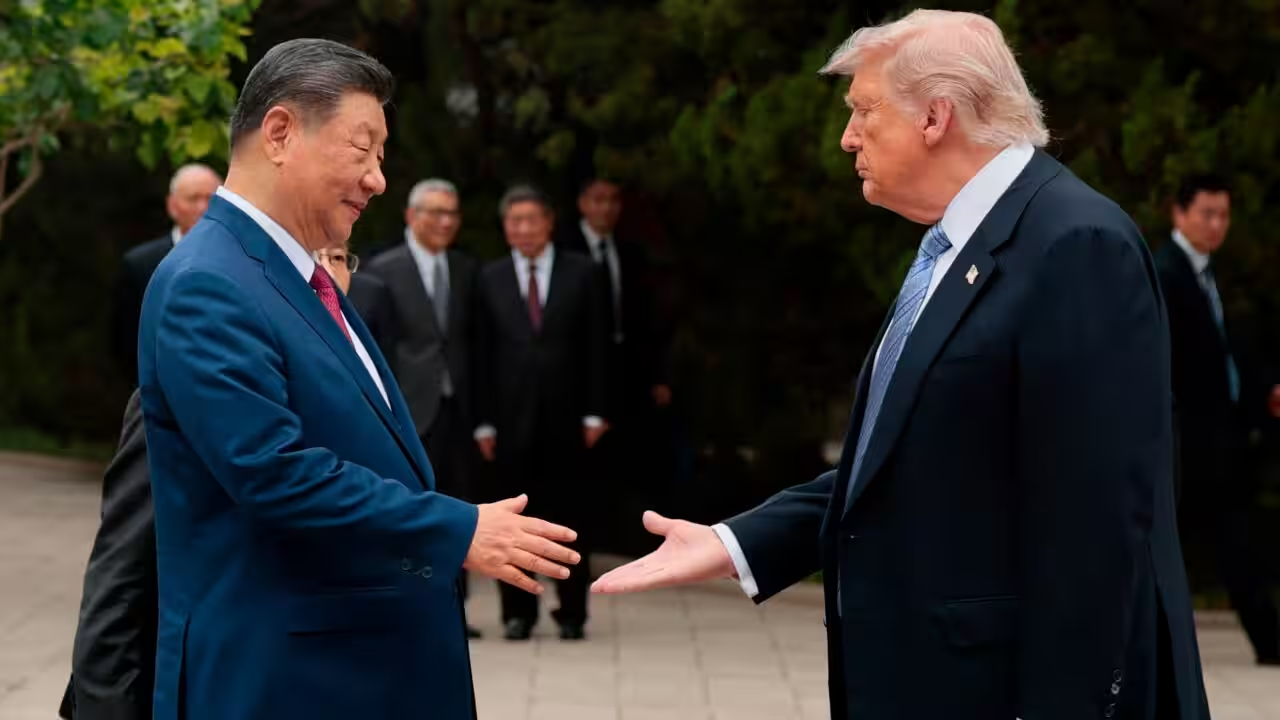
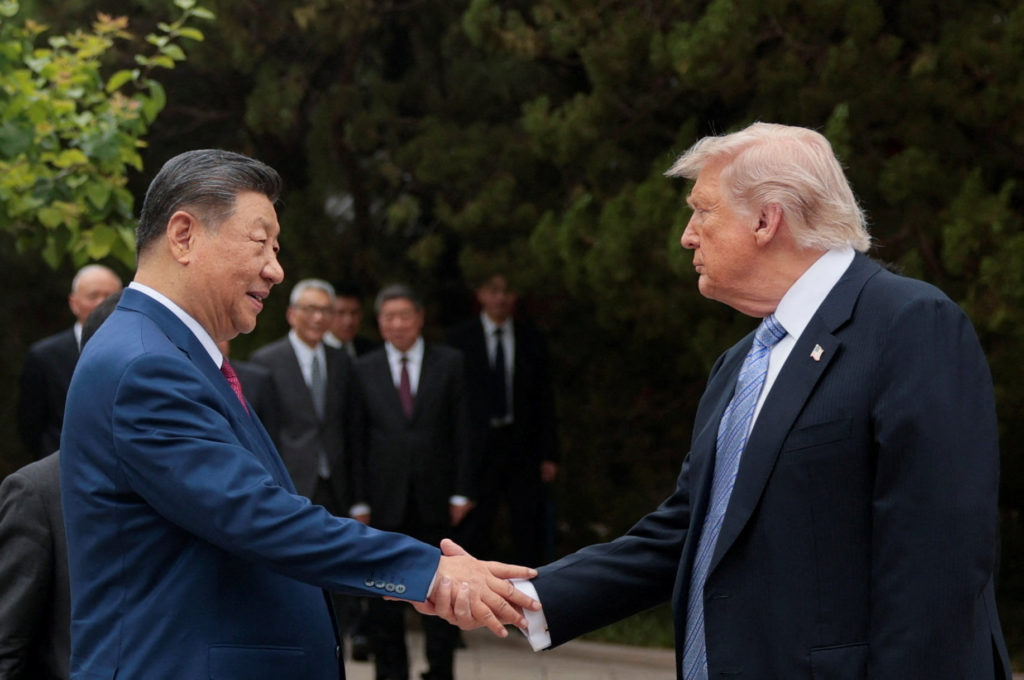
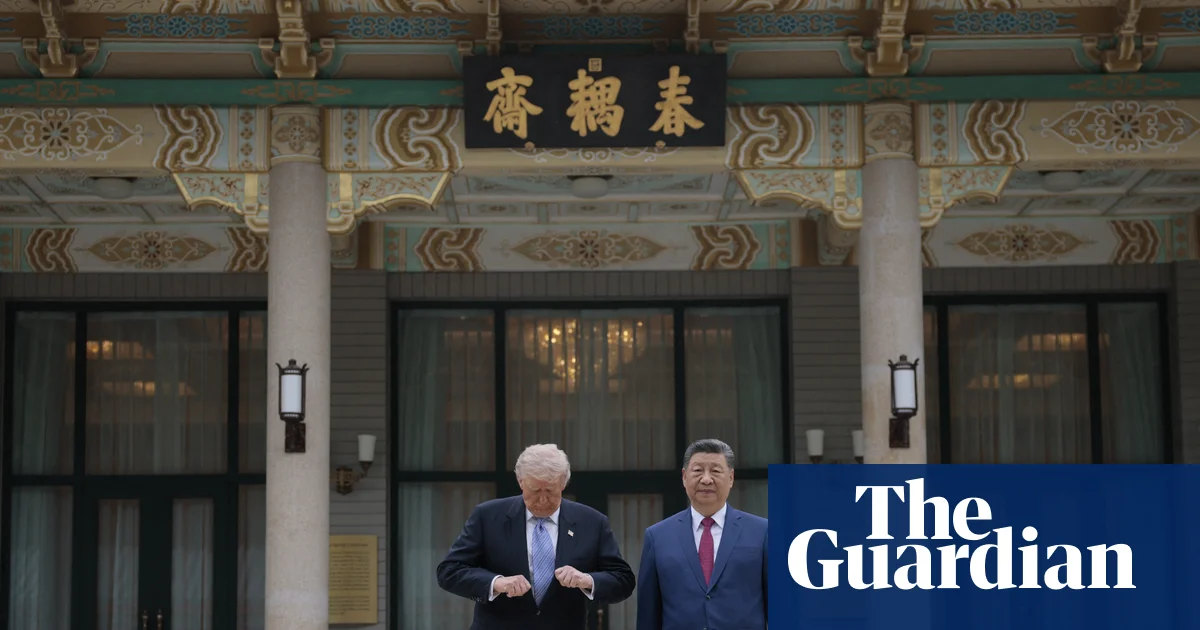
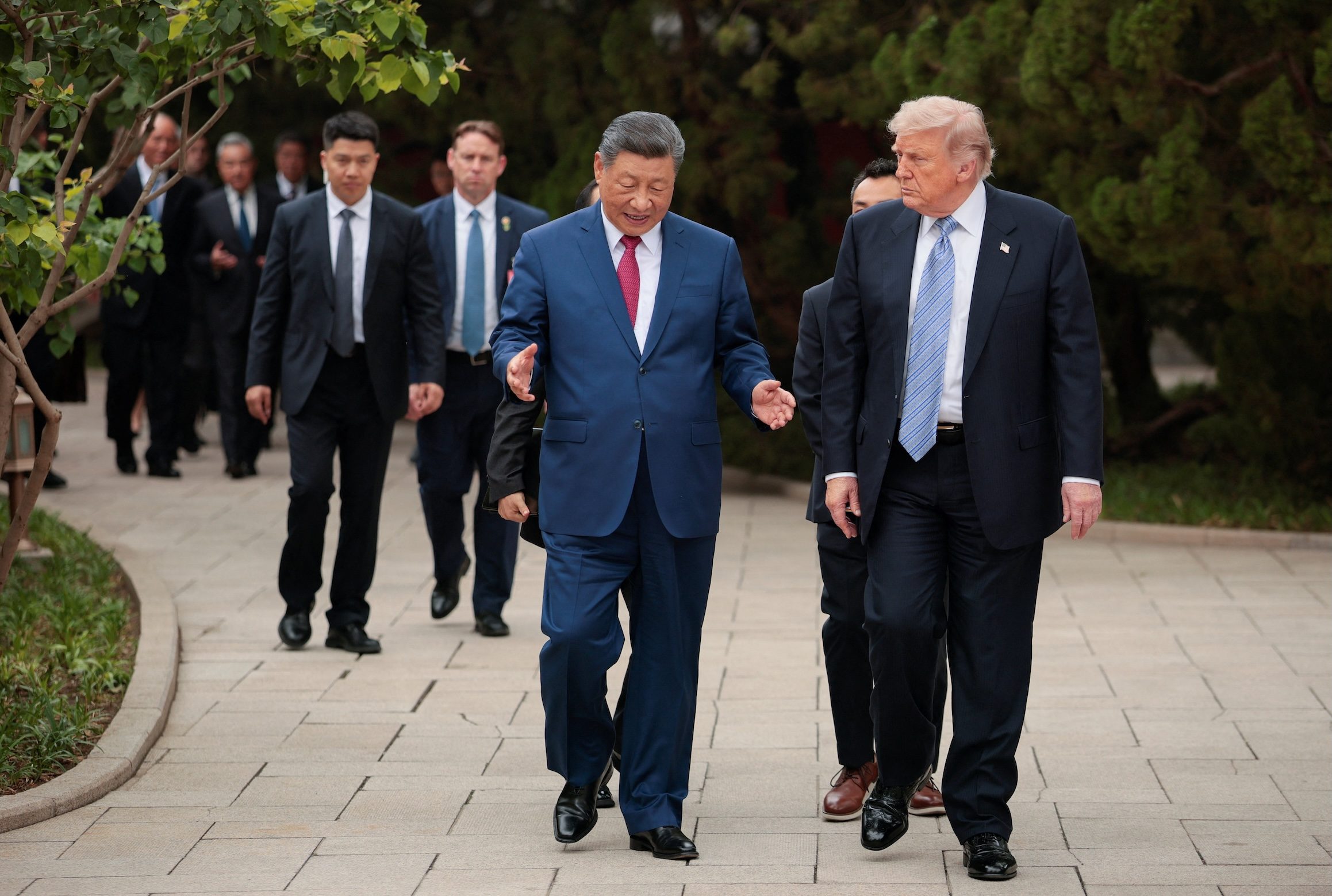
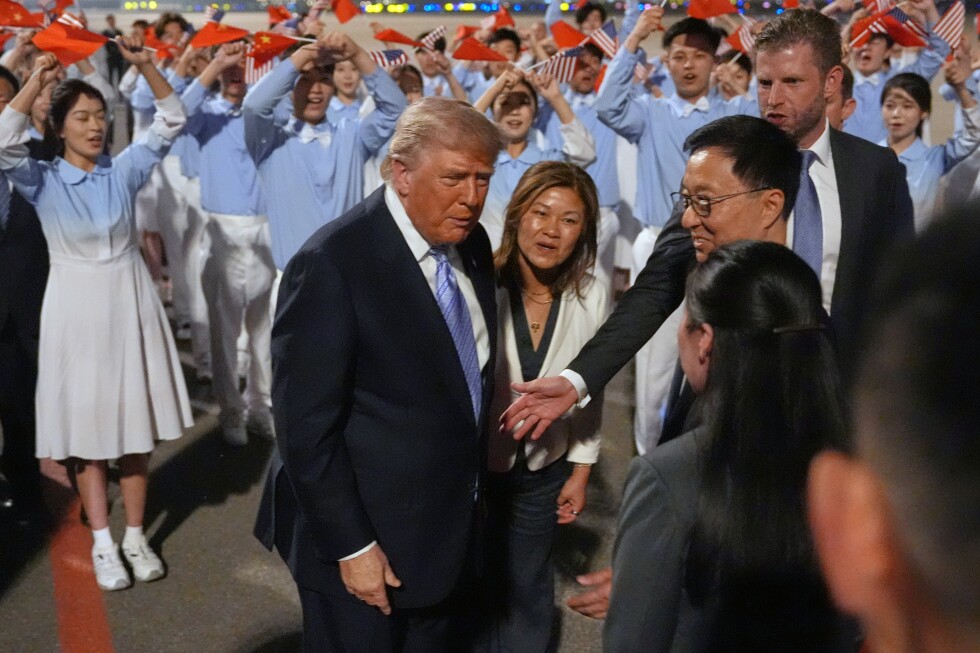
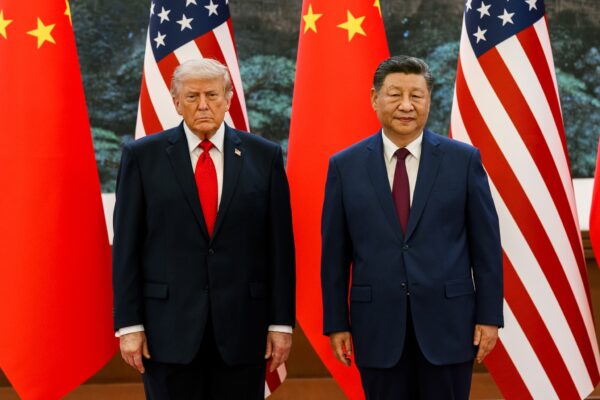
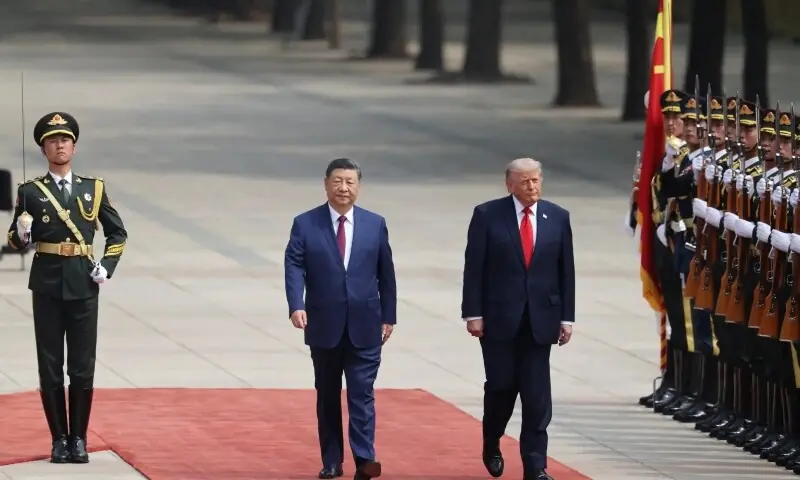
WASHINGTON: US President Donald Trump’s visit to Beijing ended without the major breakthrough many had expected from his talks with Chinese President Xi Jinping. The summit instead highlighted the widening strategic gap between the two powers.
Both sides projected warmth and stability during the two-day visit. But the meetings showed how difficult it has become to turn high-level engagements into meaningful cooperation on major issues such as Iran, Taiwan, and technology.
Ahead of the talks, analysts had already warned that expectations of a reset were unrealistic. They argued that US–China ties had entered a more transactional phase, where both sides focus on leverage rather than compromise. The outcome appeared to support that view.
Iran emerged as one of the most immediate and visible points of discussion. Reports in US media suggested that Washington hoped Beijing would use its significant economic leverage over Tehran to encourage de-escalation. Given China’s position as one of Iran’s largest oil buyers and a key economic partner, the US expected Beijing to exert indirect pressure on Tehran to moderate its stance, thereby helping to reduce risks in a region already marked by instability.