Choo Jae-woo
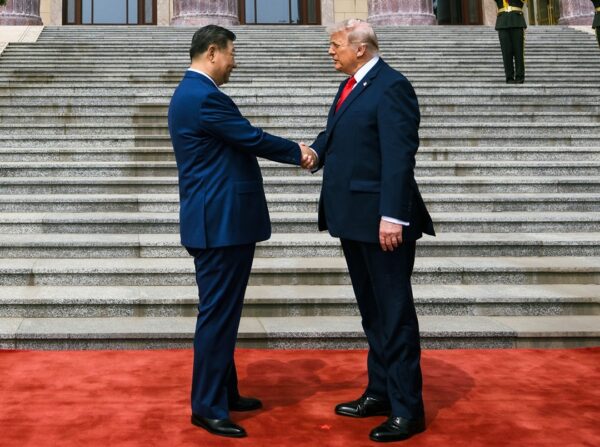
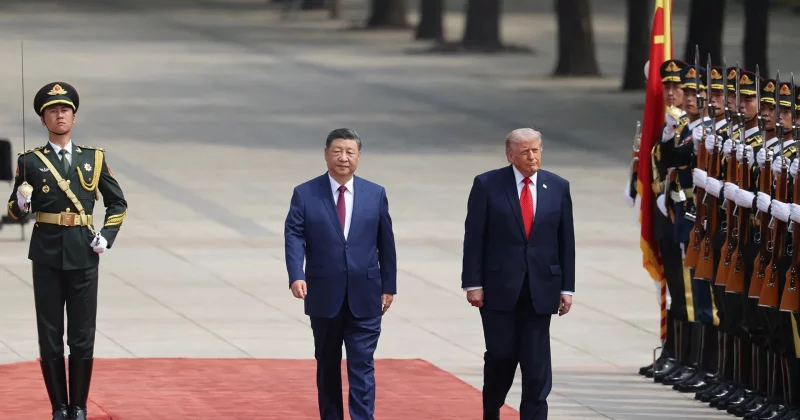
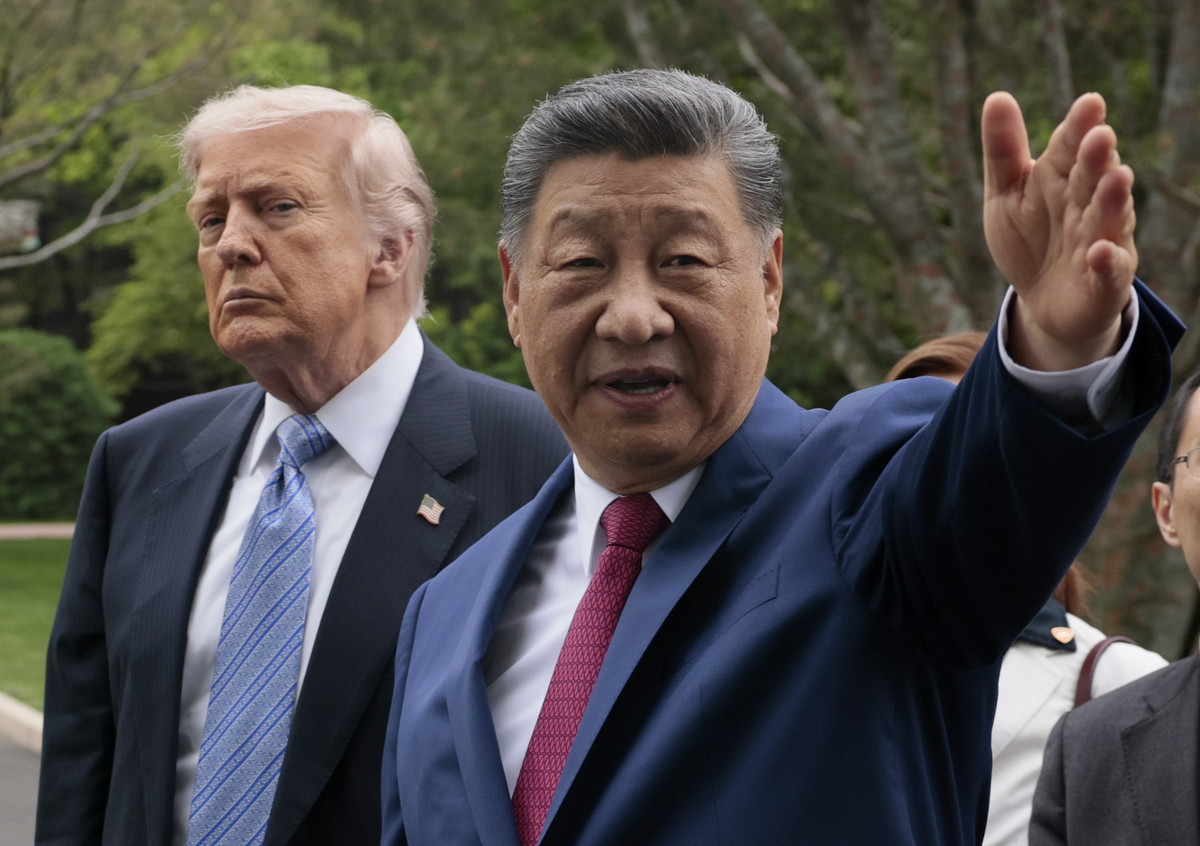
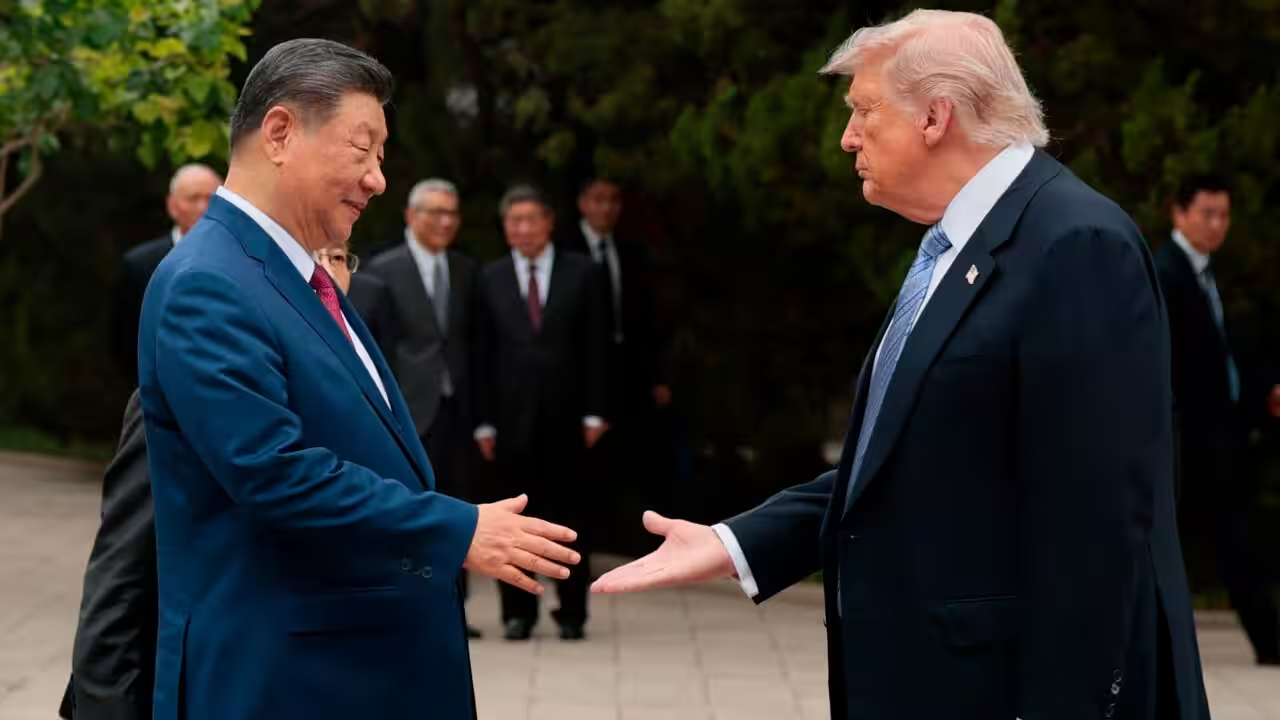
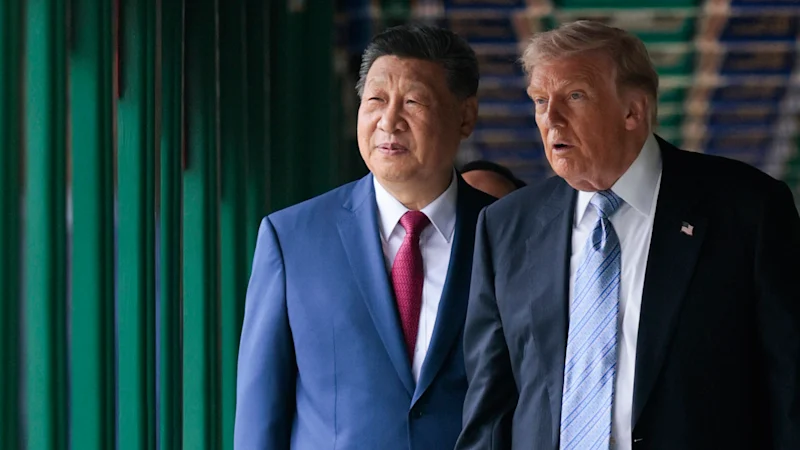
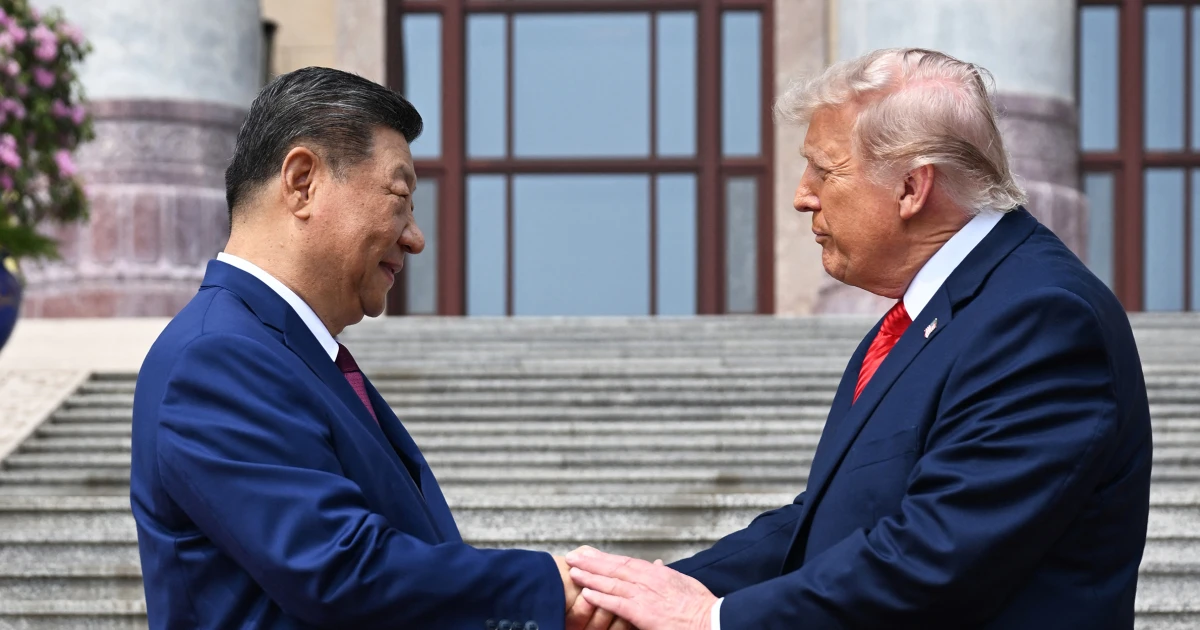
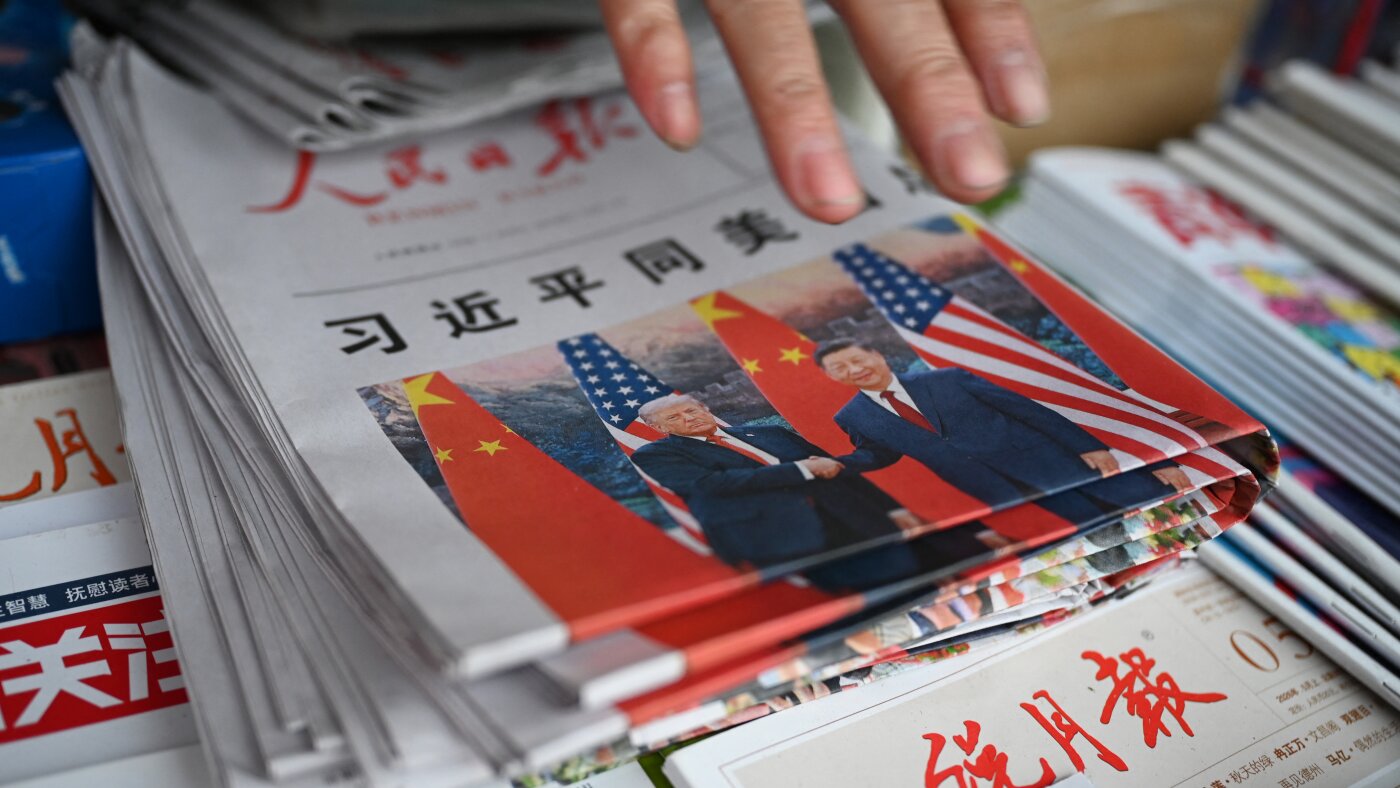
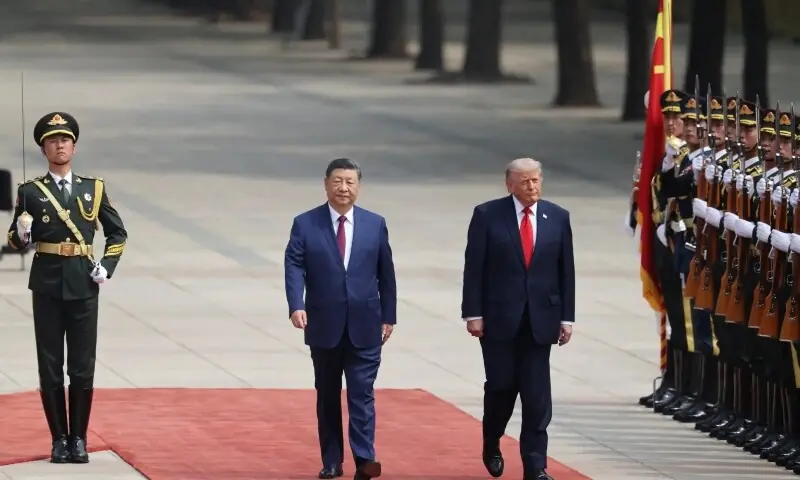
Despite all the hype, earnest U.S.-China relations watchers may not have expected much from the Beijing summit. Despite six meetings with Chinese President Xi Jinping during U.S. President Donald Trump's three-day stay (May 13-15), no substantial breakthrough was made for the bilateral relationship. The impression Trump got from Xi is a major factor. In his Fox News interview on his second day, Xi said he wanted to be “China first,” like “America First.” In his interview, he said he could only be cordial to Xi as an invited guest. The summit therefore was full of jabs exchanged between the two leaders. Some landed well simply to satisfy themselves, as the two leaders only raised their fists at the close of the meeting, calling it “a moment of great respect.”
The recent summit between the U.S. and China did little to address the ongoing trade conflicts that have strained relations between the two nations. The lack of progress can be attributed to both sides’ unwillingness to make significant concessions, particularly from Washington. China’s demands, which have emerged from over six rounds of negotiations since May of last year in Geneva, are clear. Beijing seeks the relaxation of regulations governing the transfer of advanced U.S. technology, the export licensing of cutting-edge semiconductors and related software, as well as increased access to U.S. investment and capital markets. However, these requests pose substantial challenges for the U.S. government, making it unlikely that any of China’s key demands will be met in the near future.